Nizam Ikram, Batra Ashish V
Ozorthopaedics, 1356 High Street, Malvern, VIC 3144, Australia.
SICOT J. 2018;4:29. doi: 10.1051/sicotj/2018032. Epub 2018 Jul 13.
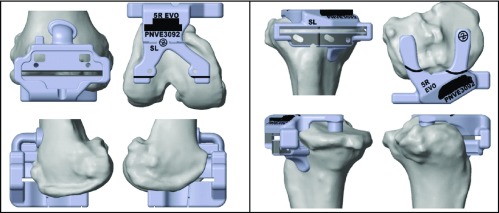
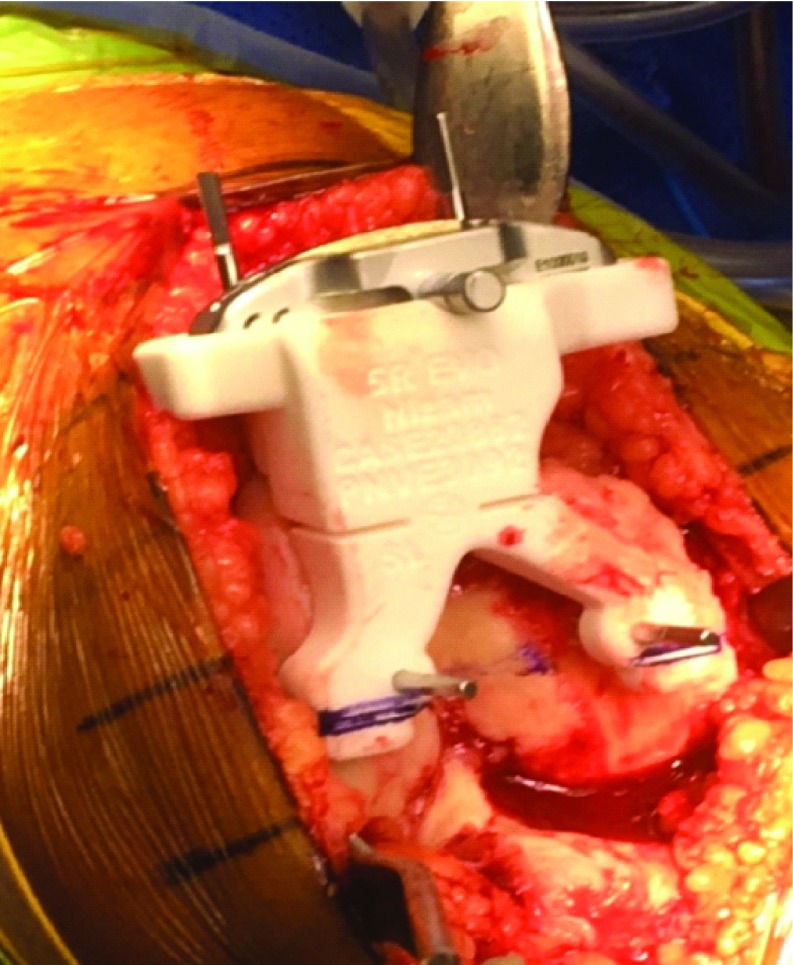
We conducted this study to determine if the pre-surgical patient specific instrumented planning based on Computed Tomography (CT) scans can accurately predict each of the femoral and tibial resections performed through 3D printed cutting guides. The technique helps in optimization of component positioning determined by accurate bone resection and hence overall alignment thereby reducing errors.
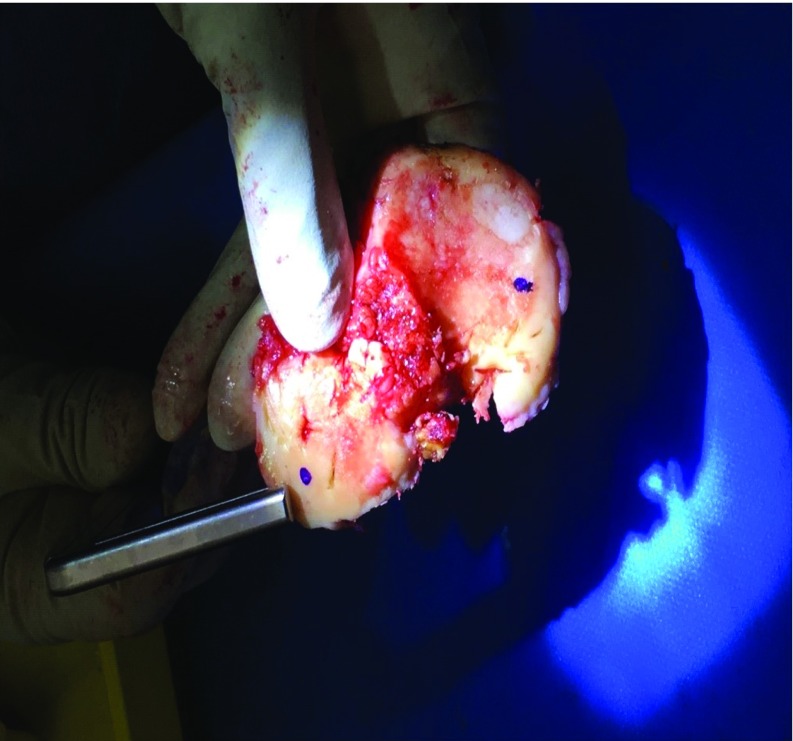
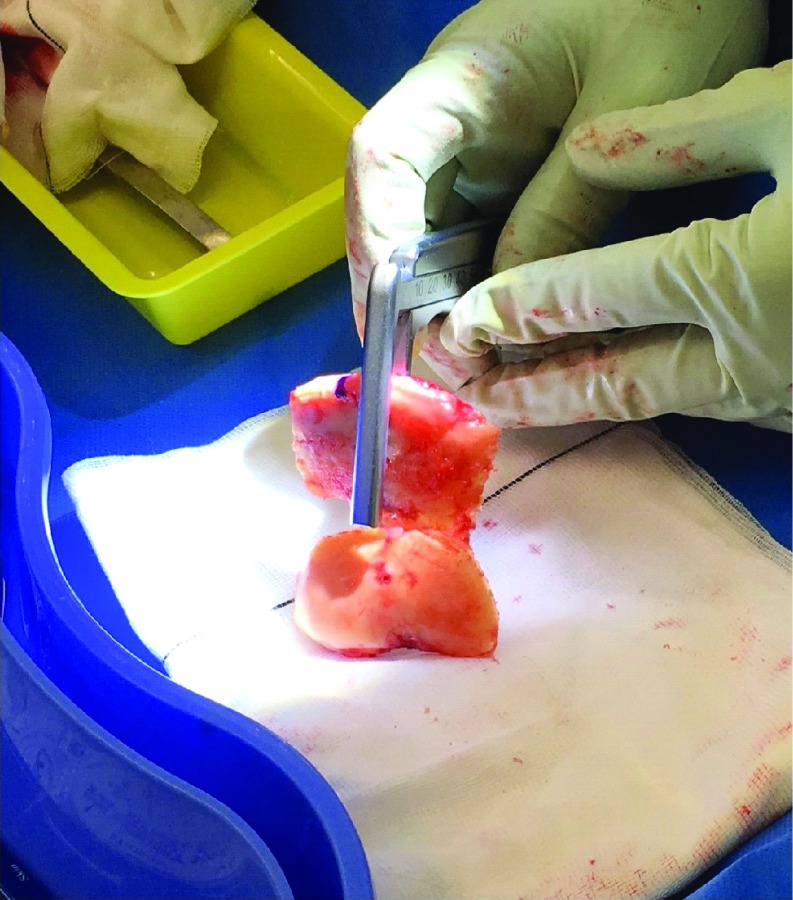
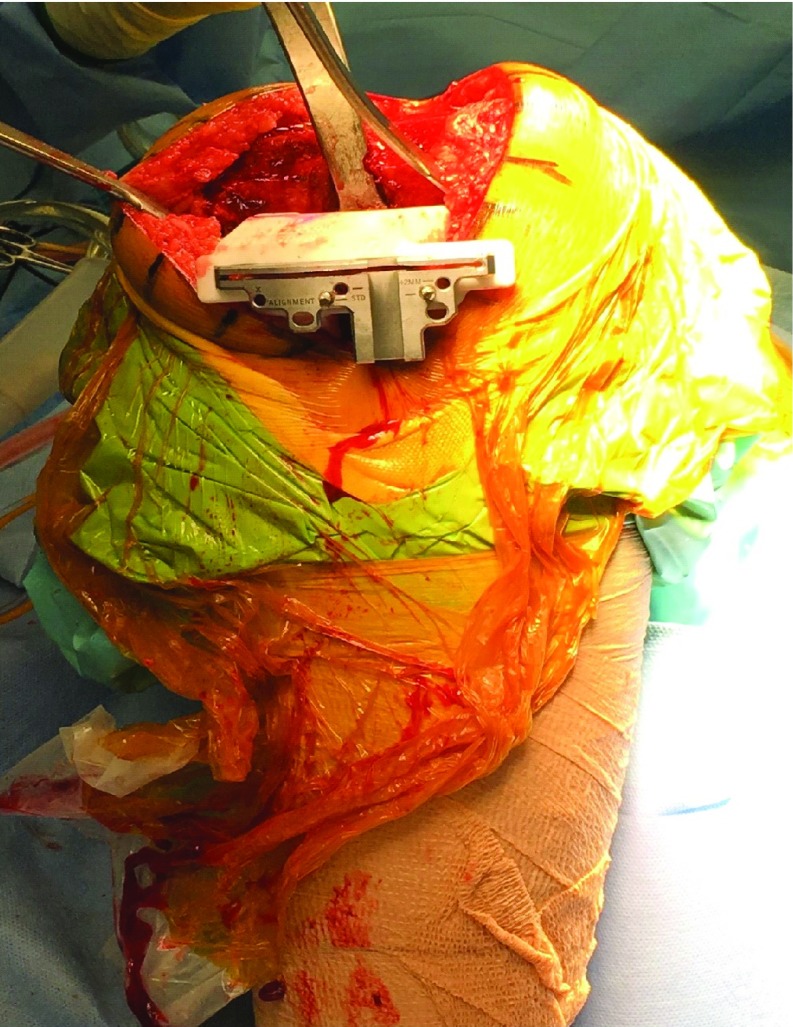
Prophecy evolution medial pivot patient specific instrumented knee replacement systems were used for end stage arthrosis in all consecutive cases over a period of 20 months by a single surgeon. All resections (4 femoral and 2 tibial) were measured using a vernier callipers intraoperatively. These respective measurements were then compared with the preoperative CT predicted bone resection surgical plan to determine margins of errors that were categorized into 7 groups (0 mm to ≥2.6 mm).
A total of 3618 measurements (averaged to 1206) were performed in 201 knees (105 right and 96 left) in 188 patients (112 females and 76 males) with an average age of 67.72 years (44 to 90 years) and average BMI of 32.3 (25.1 to 42.3). 94% of all collected resection readings were below the error margin of ≤1.5 mm of which 90% showed resection error of ≤1 mm. Mean error of different resections were ≤0.60 mm (P ≤ 0.0001). In 24% of measurements there were no errors or deviations from the templated resection (0.0 mm).
The 3D printed cutting blocks with slots for jigs accurately predict bone resections in patient specific instrumentation total knee arthroplasty which would directly affect component positioning.
我们开展这项研究,以确定基于计算机断层扫描(CT)扫描的术前患者特异性器械规划能否准确预测通过3D打印切割导板进行的股骨和胫骨截骨。该技术有助于通过精确的骨切除来优化组件定位,从而实现整体对线,进而减少误差。
在20个月的时间里,由一名外科医生对所有连续病例的终末期关节炎使用Prophecy evolution内侧旋转铰链患者特异性器械全膝关节置换系统。术中使用游标卡尺测量所有截骨(4个股骨截骨和2个胫骨截骨)。然后将这些各自的测量值与术前CT预测的骨切除手术计划进行比较,以确定误差范围,误差范围分为7组(0毫米至≥2.6毫米)。
对188例患者(112例女性和76例男性)的201个膝关节(105个右侧和96个左侧)共进行了3618次测量(平均为1206次),平均年龄为67.72岁(44至90岁),平均体重指数为32.3(25.1至42.3)。所有收集的截骨读数中有94%低于误差范围≤1.5毫米,其中90%的截骨误差≤1毫米。不同截骨的平均误差≤0.60毫米(P≤0.0001)。在24%的测量中,没有误差或与模板截骨的偏差(0.0毫米)。
带有用于夹具的狭槽的3D打印切割块在患者特异性器械全膝关节置换术中能准确预测骨截骨,这将直接影响组件定位。