Gallelli Cristina Anna, Calcagnini Silvio, Romano Adele, Koczwara Justyna Barbara, de Ceglia Marialuisa, Dante Donatella, Villani Rosanna, Giudetti Anna Maria, Cassano Tommaso, Gaetani Silvana
Department of Physiology and Pharmacology "V. Erspamer", Sapienza University of Rome, Piazzale Aldo Moro 5, 00185 Rome, Italy.
C.U.R.E. University Centre for Liver Disease Research and Treatment, Department of Medical and Surgical Sciences, Institute of Internal Medicine, University of Foggia, 71122 Foggia, Italy.
Antioxidants (Basel). 2018 Jul 18;7(7):93. doi: 10.3390/antiox7070093.
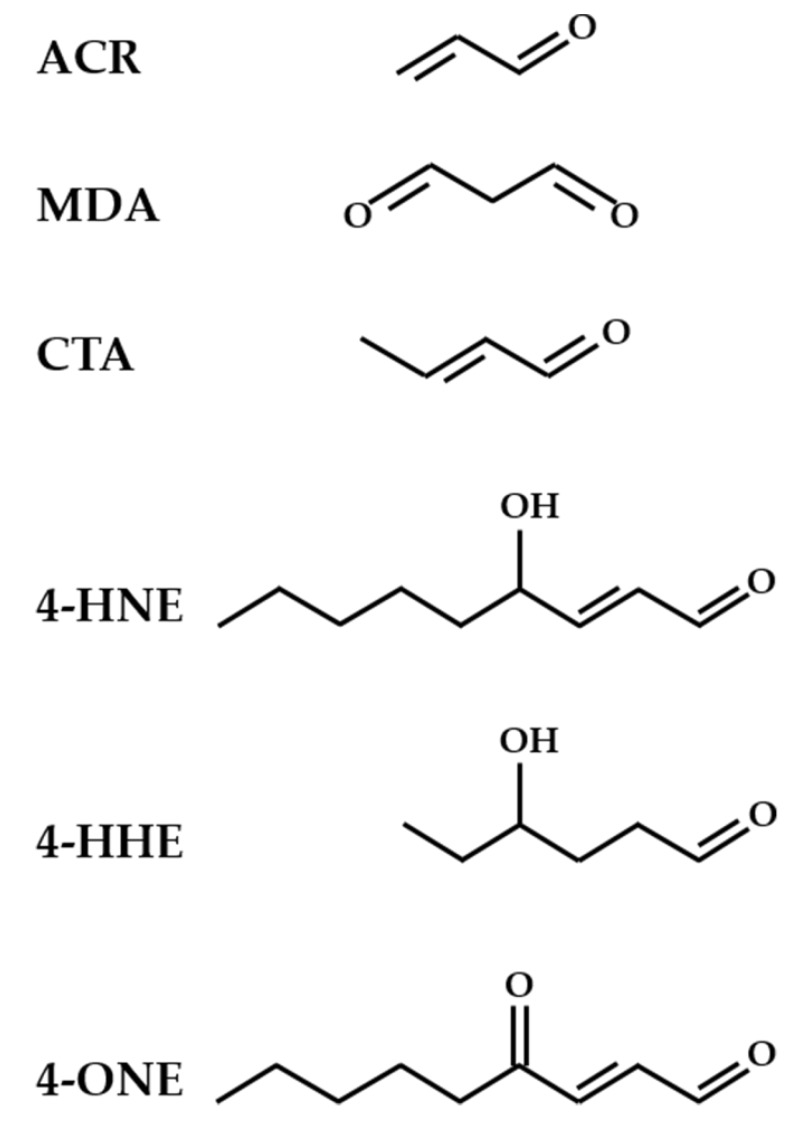
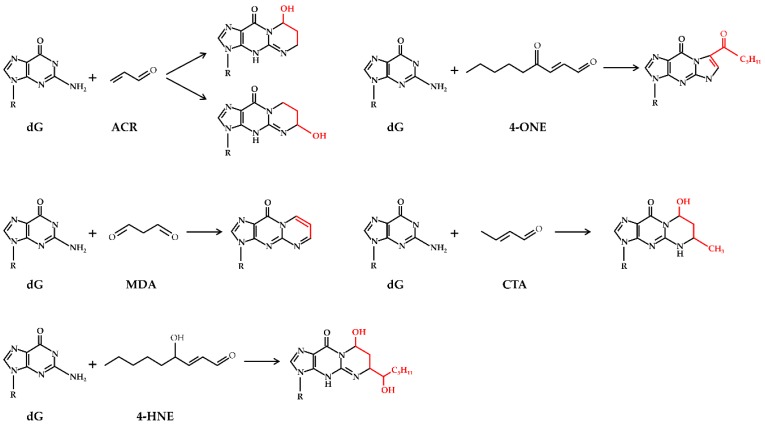
Growing evidence supports the pivotal role played by oxidative stress in tissue injury development, thus resulting in several pathologies including cardiovascular, renal, neuropsychiatric, and neurodegenerative disorders, all characterized by an altered oxidative status. Reactive oxygen and nitrogen species and lipid peroxidation-derived reactive aldehydes including acrolein, malondialdehyde, and 4-hydroxy-2-nonenal, among others, are the main responsible for cellular and tissue damages occurring in redox-dependent processes. In this scenario, a link between the endocannabinoid system (ECS) and redox homeostasis impairment appears to be crucial. Anandamide and 2-arachidonoylglycerol, the best characterized endocannabinoids, are able to modulate the activity of several antioxidant enzymes through targeting the cannabinoid receptors type 1 and 2 as well as additional receptors such as the transient receptor potential vanilloid 1, the peroxisome proliferator-activated receptor alpha, and the orphan G protein-coupled receptors 18 and 55. Moreover, the endocannabinoids lipid analogues -acylethanolamines showed to protect cell damage and death from reactive aldehydes-induced oxidative stress by restoring the intracellular oxidants-antioxidants balance. In this review, we will provide a better understanding of the main mechanisms triggered by the cross-talk between the oxidative stress and the ECS, focusing also on the enzymatic and non-enzymatic antioxidants as scavengers of reactive aldehydes and their toxic bioactive adducts.
越来越多的证据支持氧化应激在组织损伤发展中所起的关键作用,从而导致包括心血管、肾脏、神经精神和神经退行性疾病在内的多种病理状况,所有这些疾病的特征都是氧化状态改变。活性氧和氮物种以及脂质过氧化衍生的反应性醛类,包括丙烯醛、丙二醛和4-羟基-2-壬烯醛等,是氧化还原依赖性过程中细胞和组织损伤的主要原因。在这种情况下,内源性大麻素系统(ECS)与氧化还原稳态受损之间的联系似乎至关重要。花生四烯乙醇胺和2-花生四烯酸甘油酯是特征最明确的内源性大麻素,它们能够通过靶向1型和2型大麻素受体以及其他受体,如瞬时受体电位香草酸受体1、过氧化物酶体增殖物激活受体α以及孤儿G蛋白偶联受体18和55,来调节几种抗氧化酶的活性。此外,内源性大麻素脂质类似物——酰基乙醇胺已显示出通过恢复细胞内氧化剂-抗氧化剂平衡来保护细胞免受反应性醛类诱导的氧化应激损伤和死亡。在这篇综述中,我们将更好地理解氧化应激与ECS之间相互作用引发的主要机制,同时也关注作为反应性醛类及其有毒生物活性加合物清除剂的酶促和非酶促抗氧化剂。