Pandit Gopal, Roy Karabi, Agarwal Umang, Chatterjee Sunanda
Department of Chemistry, Indian Institute of Technology, Guwahati, North Guwahati, Guwahati, Assam 781039, India.
ACS Omega. 2018 Mar 31;3(3):3143-3155. doi: 10.1021/acsomega.7b01871. Epub 2018 Mar 15.
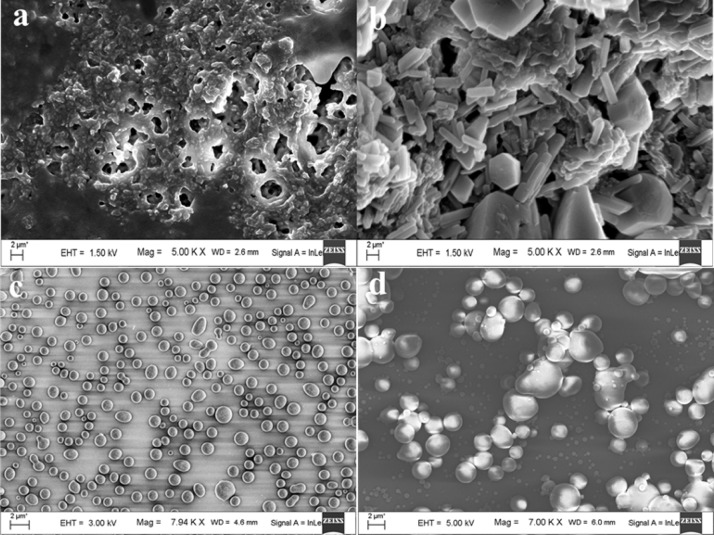
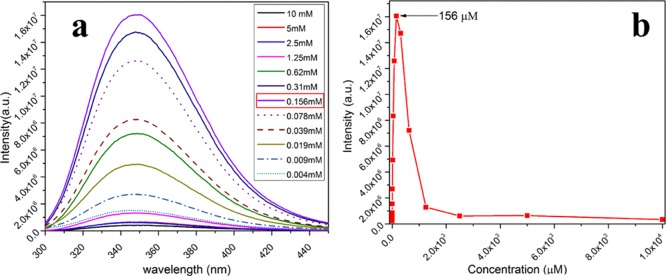
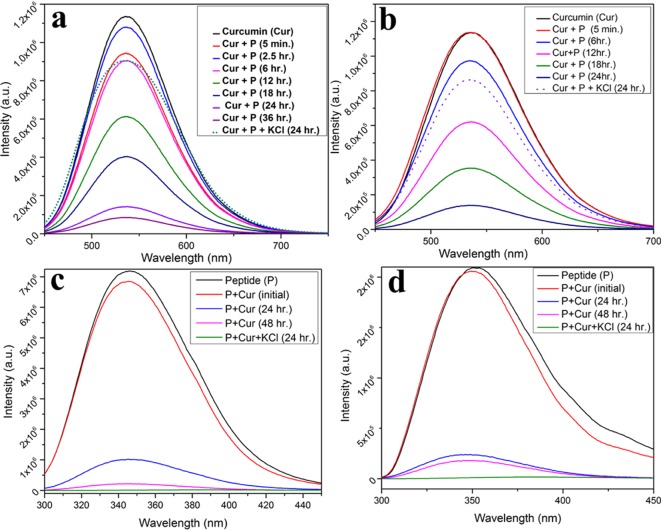
We report the mechanism of the concentration-dependent self-assembly of a tetrapeptide. Peptide Boc-Trp-Leu-Trp-Leu-OMe self-assembles to form discrete nanospheres at a low concentration. Tryptophan side chains point outwards of the nanospheres while leucine side chains point towards the core of the nanospheres. The nanospheres fuse together to become microspheres with the increase in the peptide concentration. At higher concentrations of the peptide, the microspheres start clustering. This is stabilized by the aromatic interactions between the side chains of the tryptophan residues that cover the outer surface of the peptide microspheres. In addition to behaving like the conventional hollow sphere-based drug delivery vehicles which entraps the drug and performs stimuli-responsive release, this prototype can interact, stabilize, and intercalate hydrophobic dye carboxyfluorescein and anti-cancer drug curcumin even on the surface through aromatic interactions. The dye/drug can be released in acidic pH and in the presence of physiologically relevant ions such as potassium.
我们报道了一种四肽浓度依赖性自组装的机制。肽Boc-Trp-Leu-Trp-Leu-OMe在低浓度下自组装形成离散的纳米球。色氨酸侧链指向纳米球外部,而亮氨酸侧链指向纳米球核心。随着肽浓度的增加,纳米球融合在一起形成微球。在更高的肽浓度下,微球开始聚集。覆盖肽微球外表面的色氨酸残基侧链之间的芳香相互作用使其稳定。除了表现得像传统的基于空心球的药物递送载体,能够包封药物并进行刺激响应释放外,该原型甚至可以通过芳香相互作用在表面与疏水性染料羧基荧光素和抗癌药物姜黄素相互作用、使其稳定并嵌入。染料/药物可以在酸性pH值以及存在生理相关离子如钾的情况下释放。