Department of Pediatrics, University of Texas Southwestern Medical Center, Dallas, Texas 75390, USA.
Margaret Gill Center for Cancer and Blood Disorders, Children's Health, Dallas, Texas 75390, USA.
Genes Dev. 2018 Aug 1;32(15-16):996-1007. doi: 10.1101/gad.313783.118. Epub 2018 Jul 19.
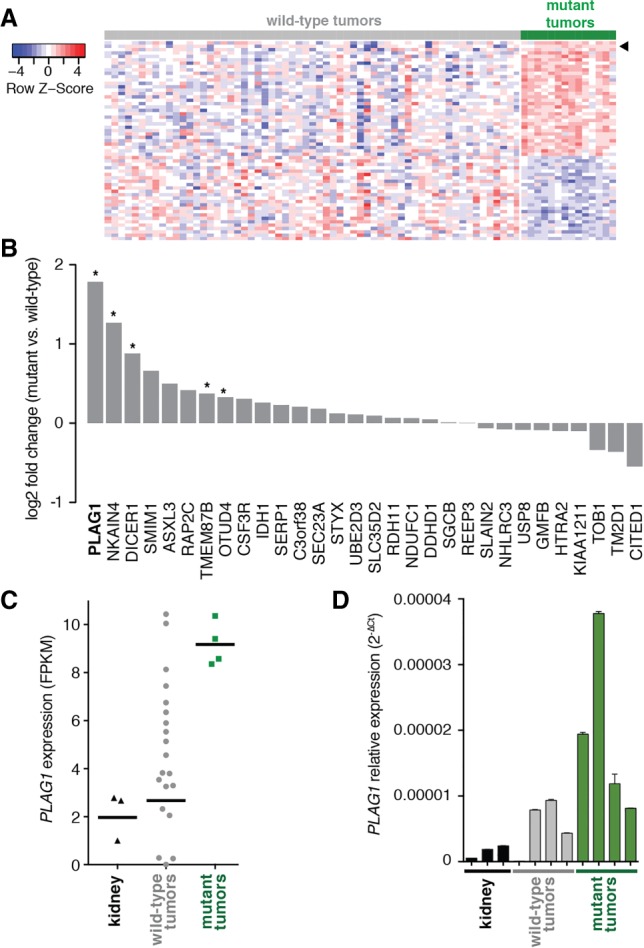
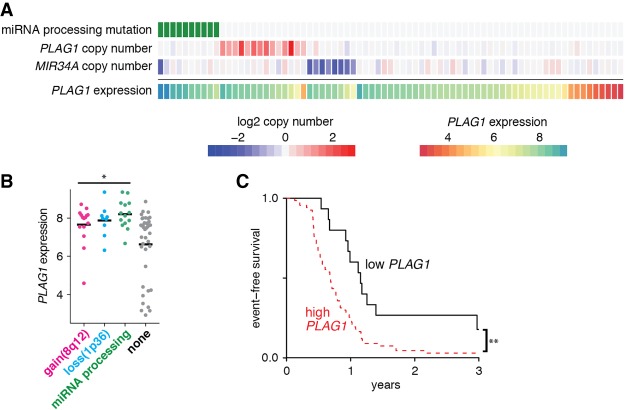
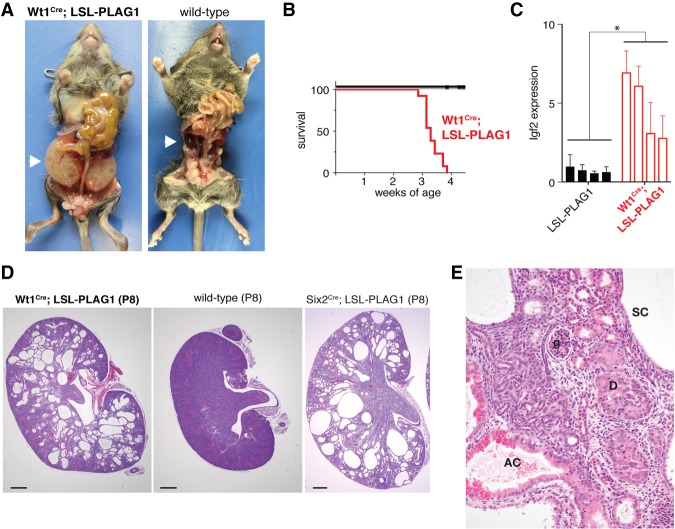
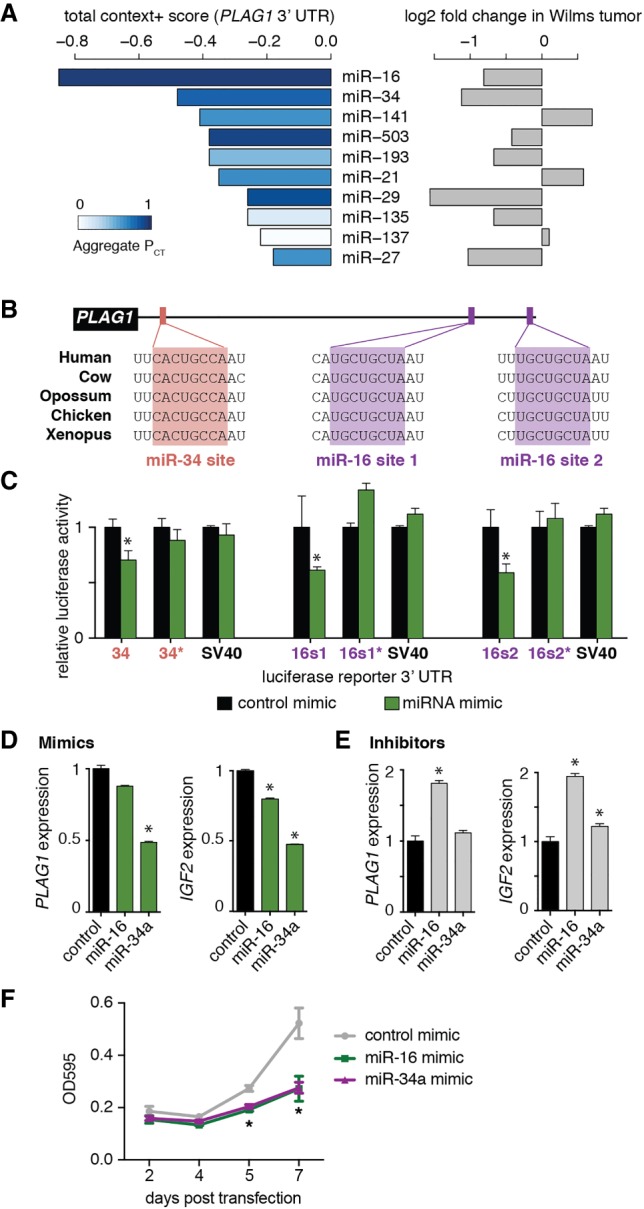
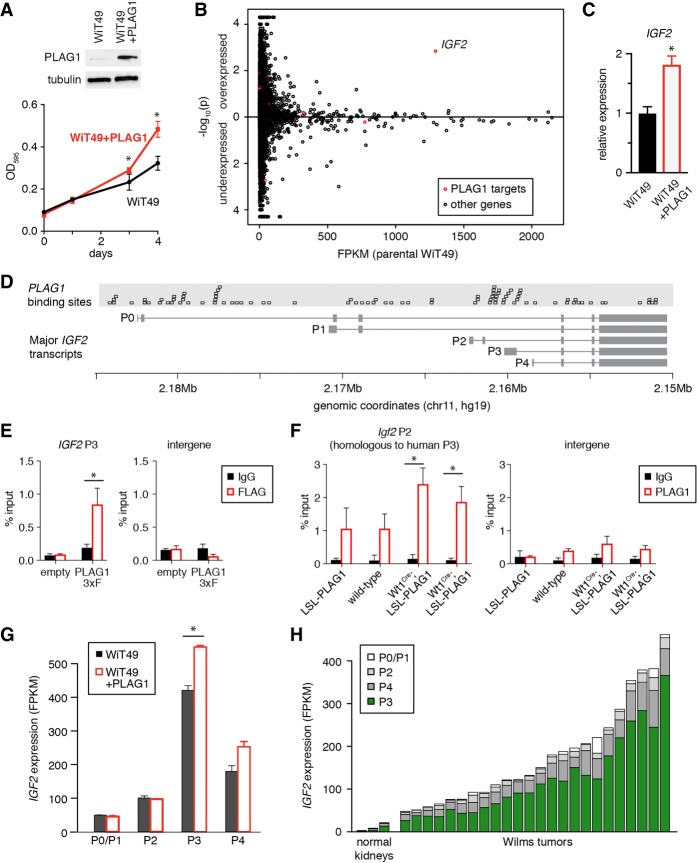
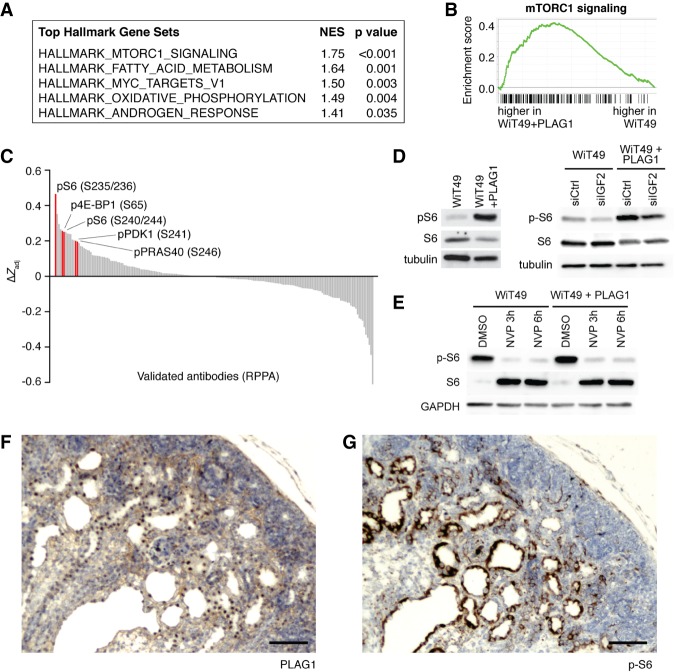
Many childhood Wilms tumors are driven by mutations in the microRNA biogenesis machinery, but the mechanism by which these mutations drive tumorigenesis is unknown. Here we show that the transcription factor ) is a microRNA target gene that is overexpressed in Wilms tumors with mutations in microRNA processing genes. Wilms tumors can also overexpress through copy number alterations, and expression correlates with prognosis in Wilms tumors. overexpression accelerates growth of Wilms tumor cells in vitro and induces neoplastic growth in the developing mouse kidney in vivo. In both settings, transactivates (), a key Wilms tumor oncogene, and drives mammalian target of rapamycin complex 1 (mTORC1) signaling. These data link microRNA impairment to the PLAG1-IGF2 pathway, providing new insight into the manner in which common Wilms tumor mutations drive disease pathogenesis.
许多儿童肾母细胞瘤是由 microRNA 生物发生机制的突变驱动的,但这些突变驱动肿瘤发生的机制尚不清楚。在这里,我们表明转录因子 ) 是 microRNA 靶基因,在 microRNA 加工基因发生突变的 Wilms 肿瘤中过表达。Wilms 肿瘤也可以通过拷贝数改变过表达 ,并且 表达与 Wilms 肿瘤的预后相关。过表达体外加速 Wilms 肿瘤细胞的生长,并在体内诱导发育中的小鼠肾脏的肿瘤生长。在这两种情况下, 都可激活 (),一种关键的 Wilms 肿瘤癌基因,并驱动雷帕霉素复合物 1 (mTORC1) 信号。这些数据将 microRNA 损伤与 PLAG1-IGF2 途径联系起来,为了解常见 Wilms 肿瘤突变如何驱动疾病发病机制提供了新的见解。