Griffiths Paul D
Academic Unit of Radiology, University of Sheffield, Floor C, Glossop Road, Sheffield, England, S10 2JF, UK.
Neuroradiology. 2018 Sep;60(9):945-960. doi: 10.1007/s00234-018-2056-7. Epub 2018 Jul 19.
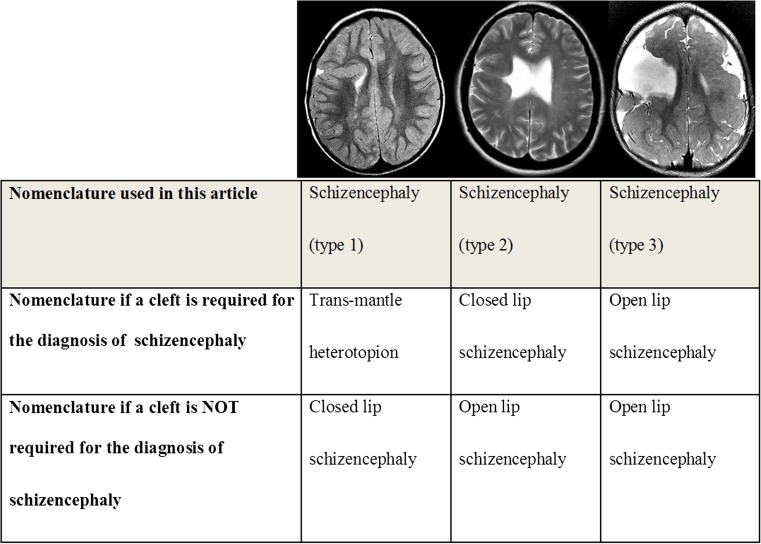
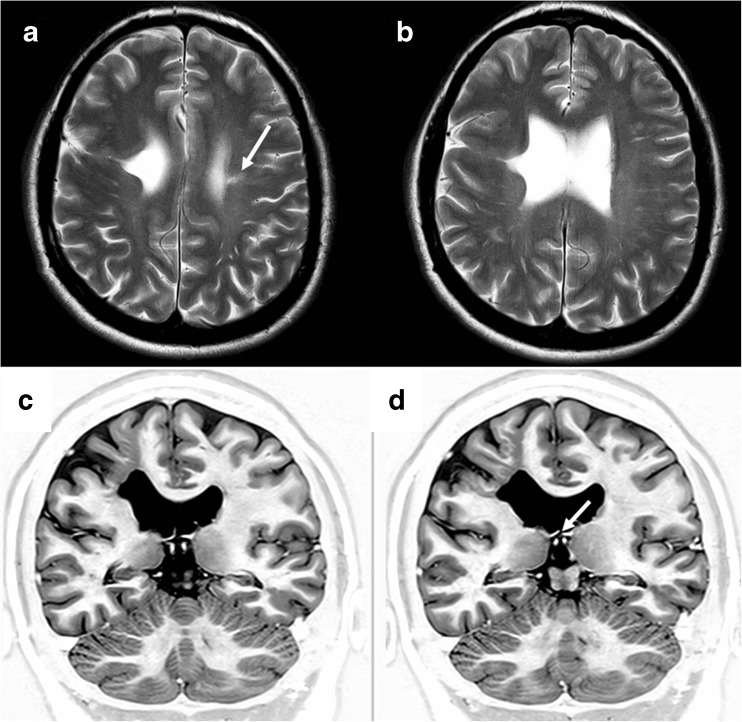
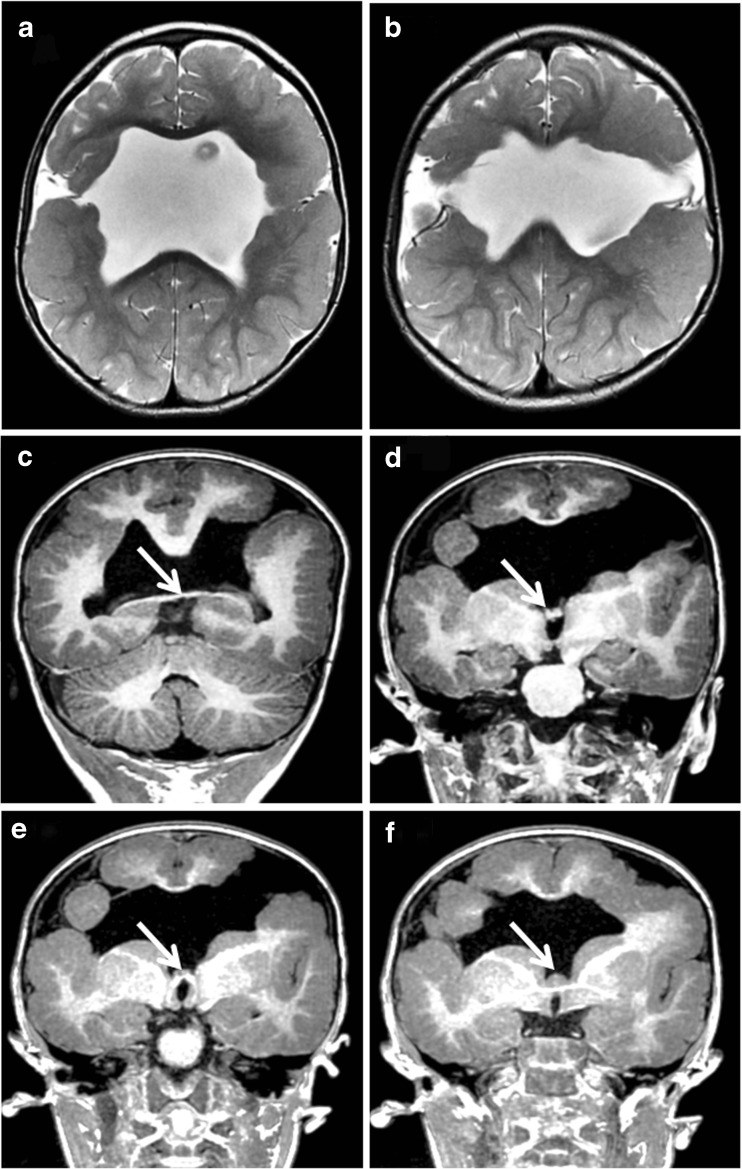
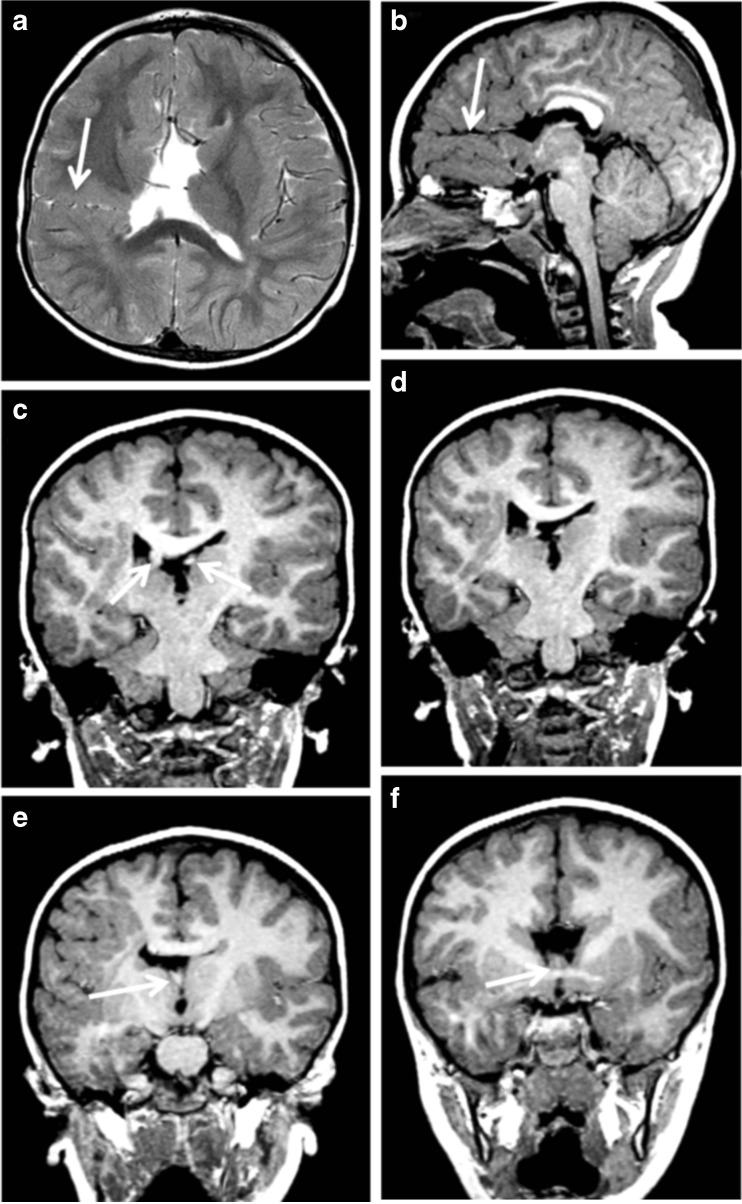
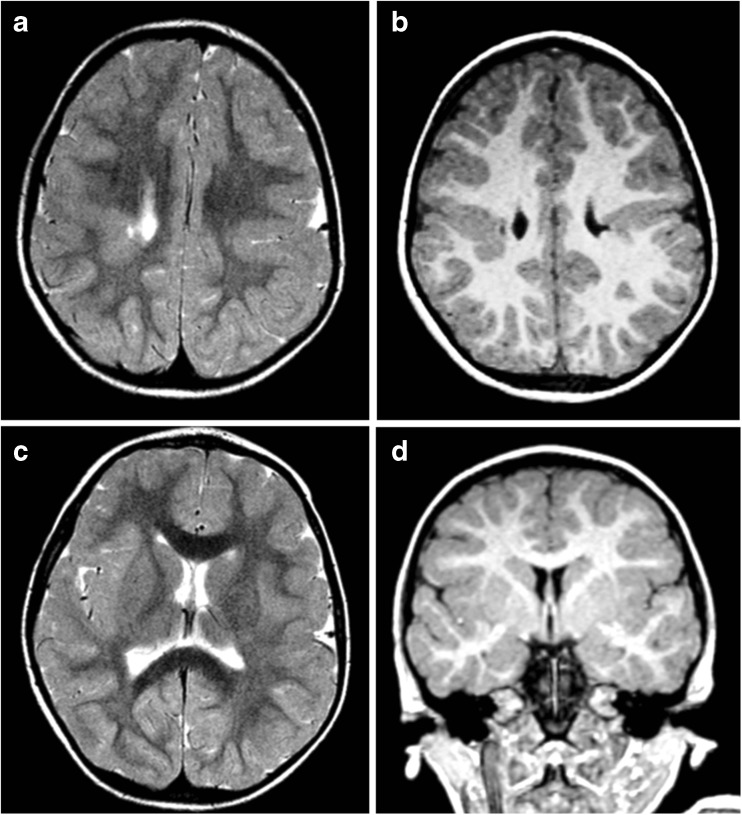
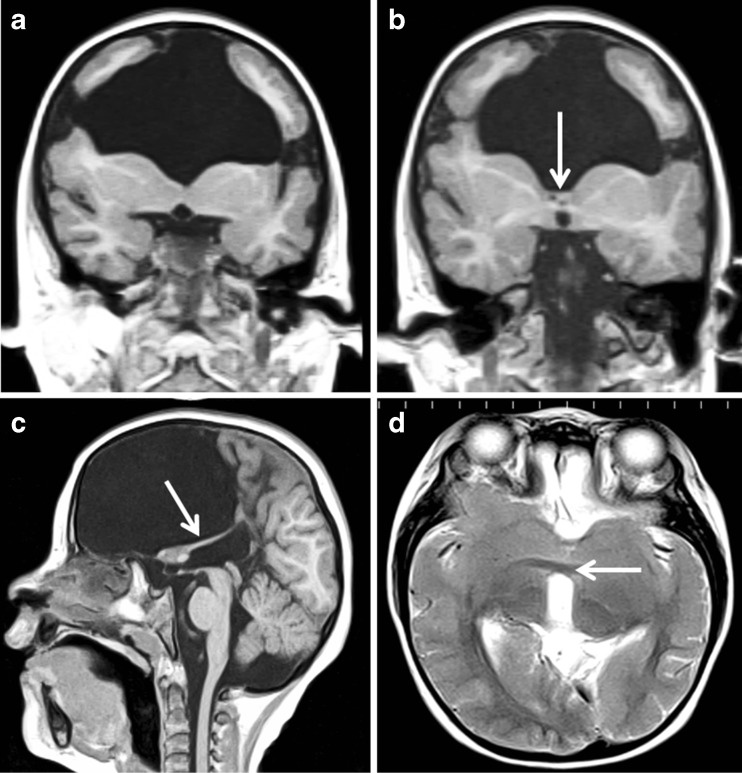
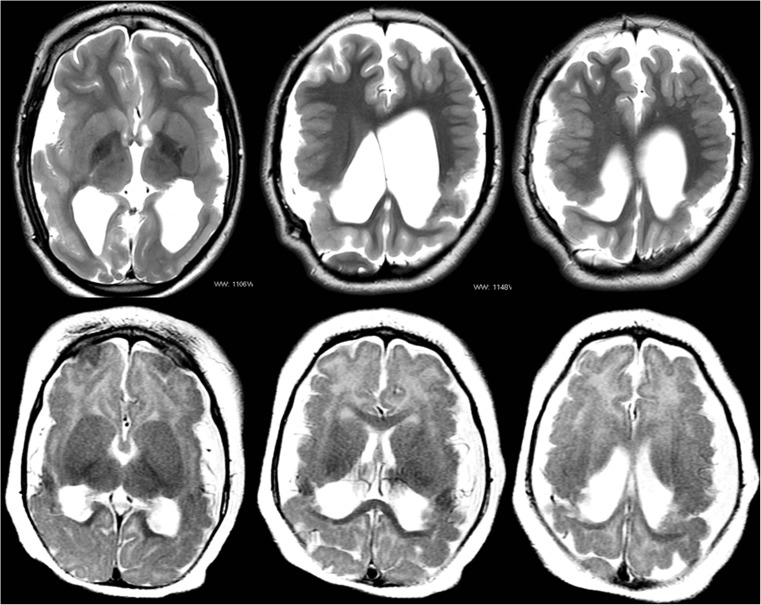
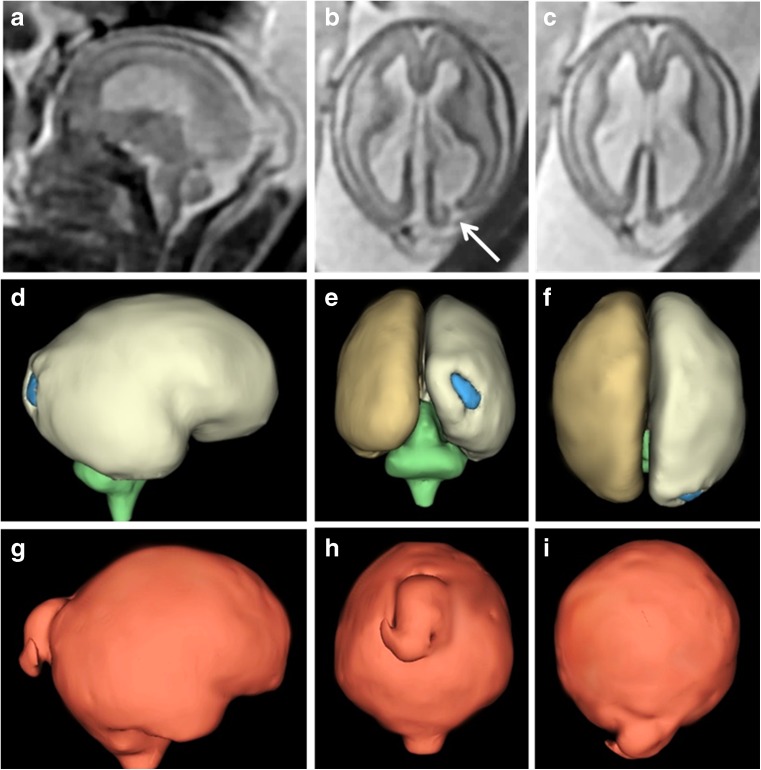
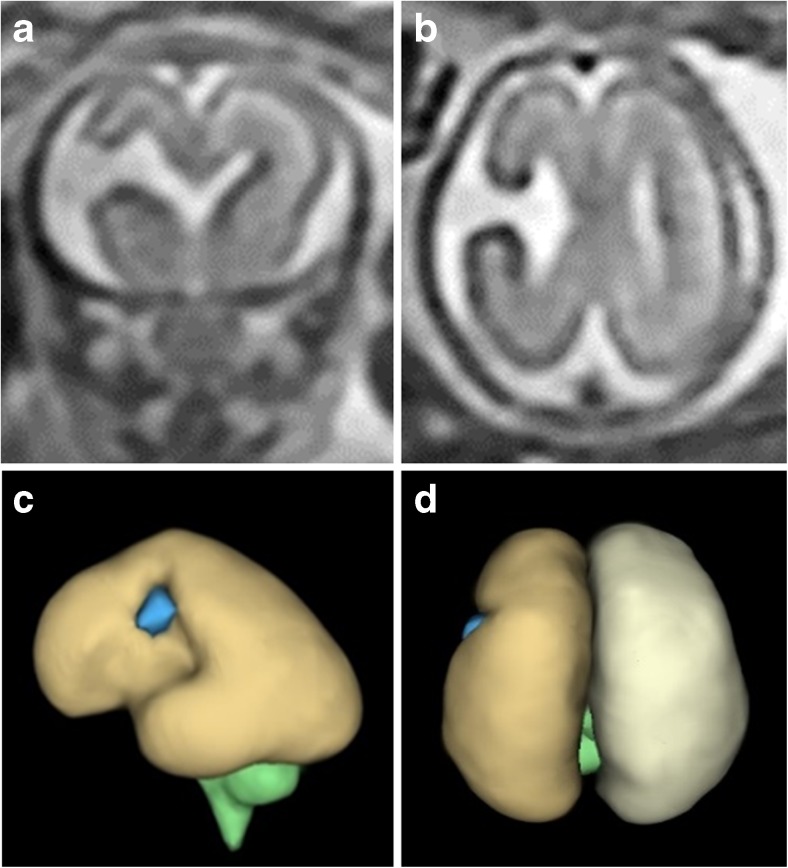
In this paper, I will report the range of appearances of schizencephaly in children and fetuses by reviewing a 10-year experience from a single centre and detail classification systems for the different forms of schizencephaly. This will lead to re-assessment of possible aetiological and mechanistic causes of schizencephaly.
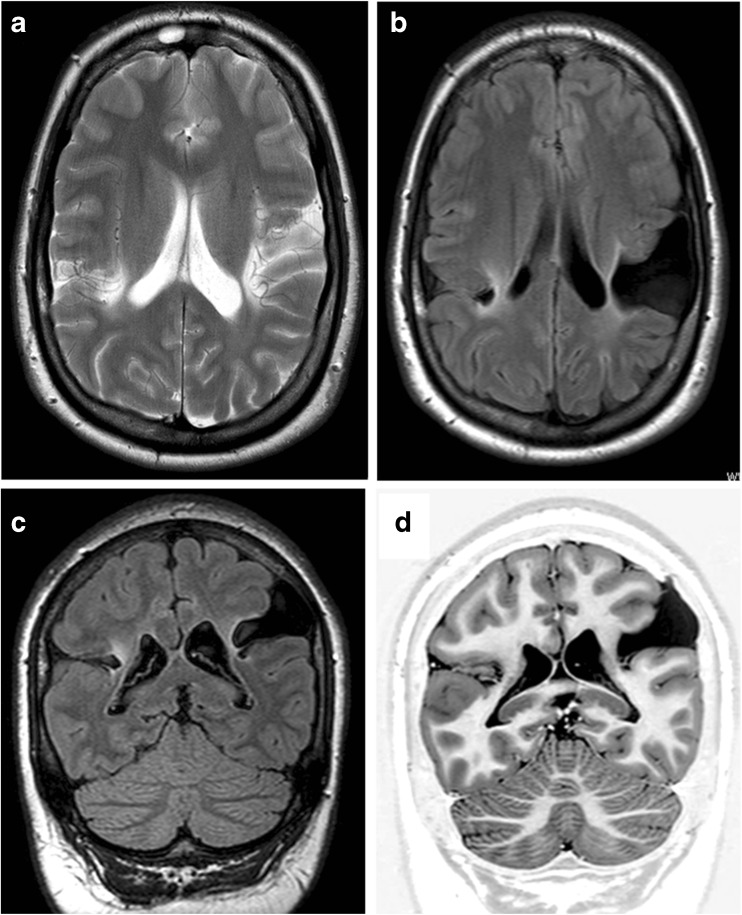
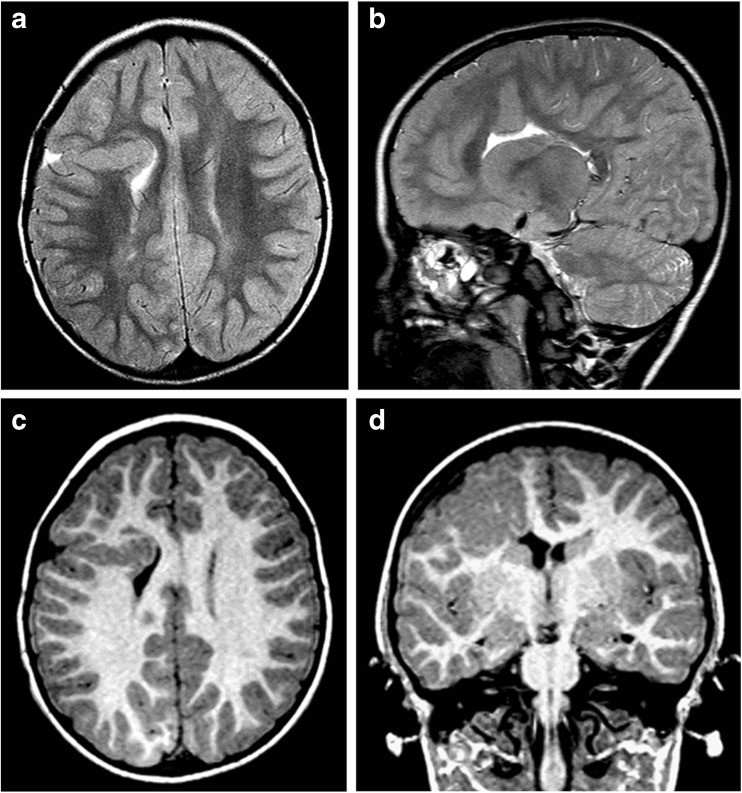
All cases of pediatric and fetal schizencephaly were located on the local database between 2007 and 2016 inclusive. The studies were reviewed for the presence, location and type of schizencephaly, as well as the state of the (cavum) septum pellucidum, the location of the fornices and the presence of other brain abnormalities.
The review included 21 children and 11 fetuses with schizencephaly. Schizencephaly (type 1) was found in 9% of children but no fetuses, schizencephaly (type 2) was present in 67% of the pediatric cases and in 45% of fetuses, whilst schizencephaly (type 3) was present in approximately 24% of children and 55% of fetuses. Other brain abnormalities were found in 67% of children and 55% of fetuses.
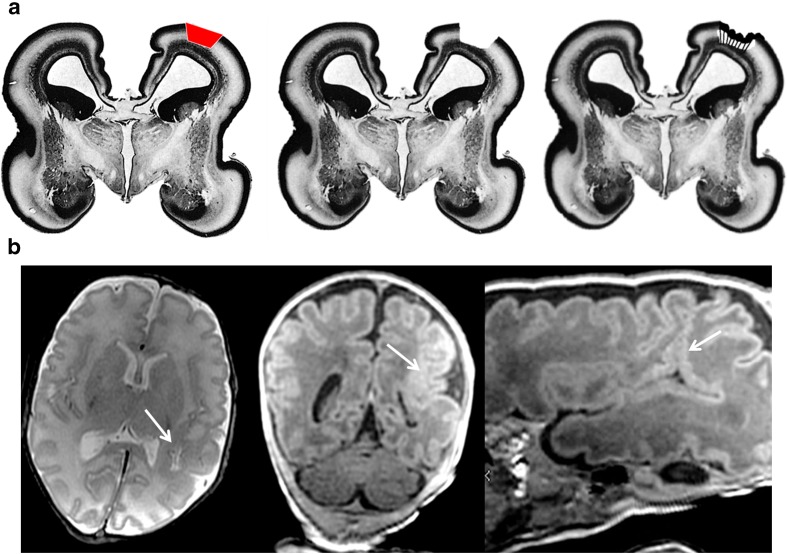
I have proposed a new system for classifying schizencephaly that takes into account all definitions of the abnormality in the literature. Using that approach, I have described the appearances and associations of pediatric and fetal cases of schizencephaly from a single centre. Review of the current literature appears to favour an acquired destructive aetiology for most cases of schizencephaly, and I have proposed a mechanism to explain the cortical formation abnormalities found consistently in and around areas of schizencephaly.
在本文中,我将通过回顾一个单一中心10年的经验,报告儿童和胎儿脑裂畸形的表现范围,并详细介绍不同形式脑裂畸形的分类系统。这将促使对脑裂畸形可能的病因和发病机制进行重新评估。
2007年至2016年(含)期间,所有儿科和胎儿脑裂畸形病例均在本地数据库中查找。对研究进行了回顾,以确定脑裂畸形的存在、位置和类型,以及透明隔(腔)的状态、穹窿的位置和其他脑异常的存在情况。
该回顾纳入了21例儿童和11例胎儿脑裂畸形病例。脑裂畸形(1型)在9%的儿童中发现,但在胎儿中未发现;脑裂畸形(2型)在67%的儿科病例和45%的胎儿中存在;而脑裂畸形(3型)在约24%的儿童和55%的胎儿中存在。67%的儿童和55%的胎儿发现有其他脑异常。
我提出了一种新的脑裂畸形分类系统,该系统考虑了文献中对该异常的所有定义。通过这种方法,我描述了来自单一中心的儿科和胎儿脑裂畸形病例的表现及关联。对当前文献的回顾似乎支持大多数脑裂畸形病例的后天性破坏性病因,并且我提出了一种机制来解释在脑裂畸形区域及其周围始终发现的皮质形成异常。