Division of Biological Chemistry and Drug Discovery, School of Life Sciences, University of Dundee, Dundee DD1 5EH, U.K.
Biochem J. 2018 Aug 30;475(16):2593-2610. doi: 10.1042/BCJ20180232.
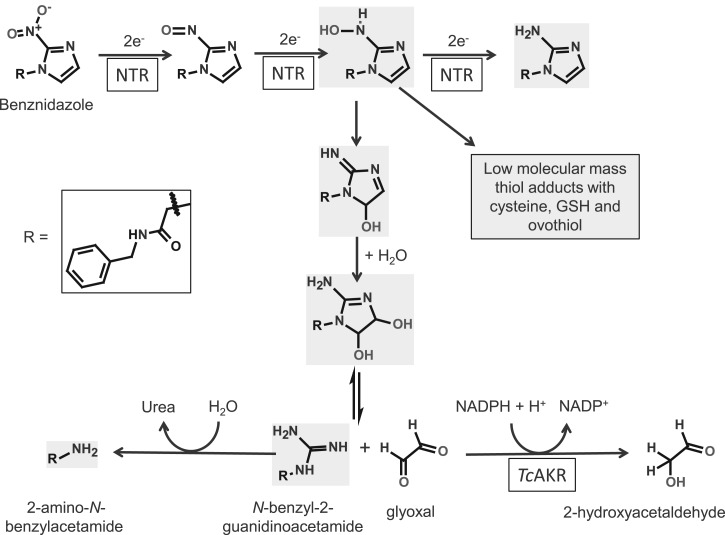
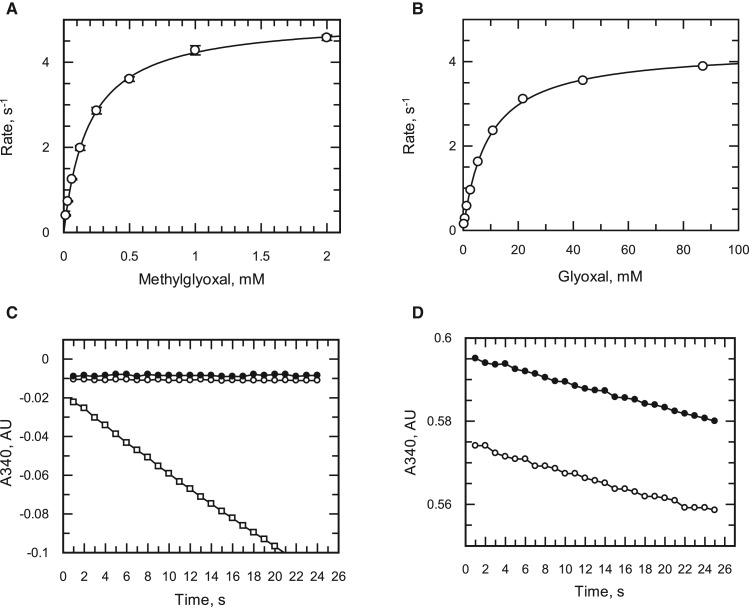
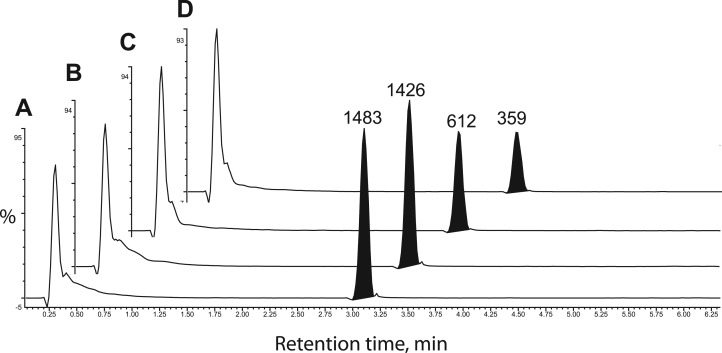
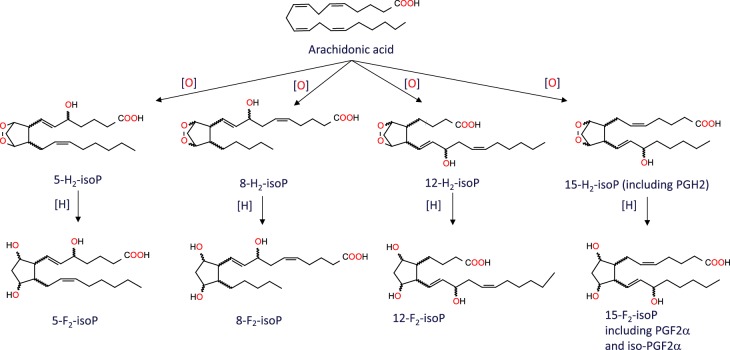
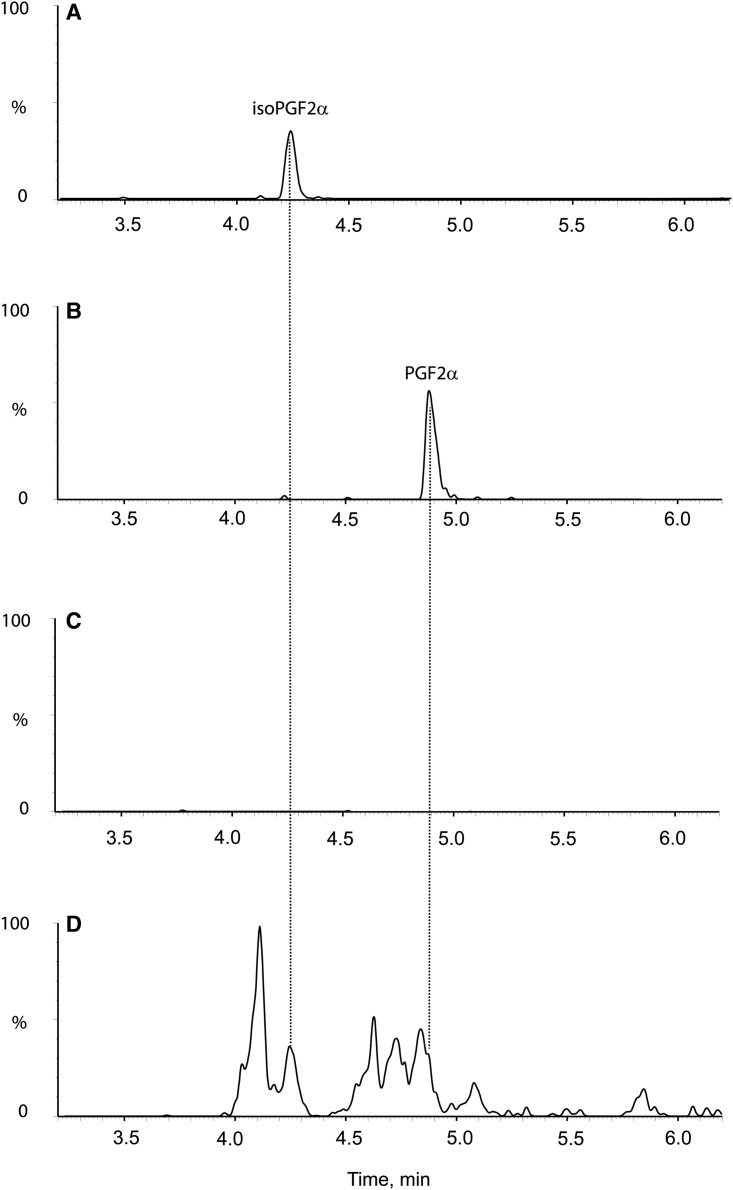
Trypanosomatid parasites are the infectious agents causing Chagas disease, visceral and cutaneous leishmaniasis and human African trypanosomiasis. Recent work of others has implicated an aldo-keto reductase (AKR) in the susceptibility and resistance of to benznidazole, a drug used to treat Chagas disease. Here, we show that AKR and homologues in the related parasites and do not reductively activate monocyclic (benznidazole, nifurtimox and fexinidazole) or bicyclic nitro-drugs such as PA-824. Rather, these enzymes metabolise a variety of toxic ketoaldehydes, such as glyoxal and methylglyoxal, suggesting a role in cellular defence against chemical stress. UPLC-QToF/MS analysis of benznidazole bioactivation by cell lysates confirms previous reports identifying numerous drug metabolites, including a dihydro-dihydroxy intermediate that can dissociate to form -benzyl-2-guanidinoacetamide and glyoxal, a toxic DNA-glycating and cross-linking agent. Thus, we propose that AKR contributes to benznidazole resistance by the removal of toxic glyoxal. In addition, three of the four enzymes studied here display activity as prostaglandin F synthases, despite the fact that there are no credible cyclooxygenases in these parasites to account for formation of the precursor PGH from arachidonic acid. Our studies suggest that arachidonic acid is first converted non-enzymatically in parasite lysates to (PGH-like) regioisomers by free radical-mediated peroxidation and that AKRs convert these lipid peroxides into isoprostanes, including prostaglandin F and 8-iso-prostaglandin F.
锥虫是引起恰加斯病、内脏利什曼病和非洲人类锥虫病的传染性病原体。最近其他人的研究表明,醛酮还原酶(AKR)与苯并咪唑的敏感性和耐药性有关,苯并咪唑是一种用于治疗恰加斯病的药物。在这里,我们表明 AKR 和相关寄生虫 和 的同源物不能还原激活单环(苯并咪唑、硝呋替莫和非达唑)或双环硝基药物,如 PA-824。相反,这些酶代谢各种毒性酮醛,如乙二醛和甲基乙二醛,表明它们在细胞防御化学应激方面发挥作用。通过 细胞裂解物的 UPLC-QToF/MS 分析证实了先前报道的苯并咪唑生物活化,鉴定出许多药物代谢物,包括可以离解形成 -苄基-2-胍基乙酰胺和乙二醛的二氢-二羟基中间产物,乙二醛是一种毒性 DNA-糖基化和交联剂。因此,我们提出 AKR 通过去除毒性乙二醛来导致苯并咪唑耐药。此外,在这里研究的四种酶中的三种显示出作为前列腺素 F 合酶的活性,尽管这些寄生虫中没有可信的环加氧酶来解释花生四烯酸转化为前体 PGH。我们的研究表明,花生四烯酸首先在寄生虫裂解物中非酶促转化为(PGH 样)区域异构体,通过自由基介导的过氧化作用,AKR 将这些脂质过氧化物转化为异前列腺素,包括前列腺素 F 和 8-异前列腺素 F。