Department Psicología Experimental, Universidad de Granada, Granada, Spain.
Centro de Investigación Mente, Cerebro y Comportamiento (CIMCYC), Universidad de Granada, Granada, Spain.
Sci Rep. 2018 Jul 25;8(1):11232. doi: 10.1038/s41598-018-28831-x.
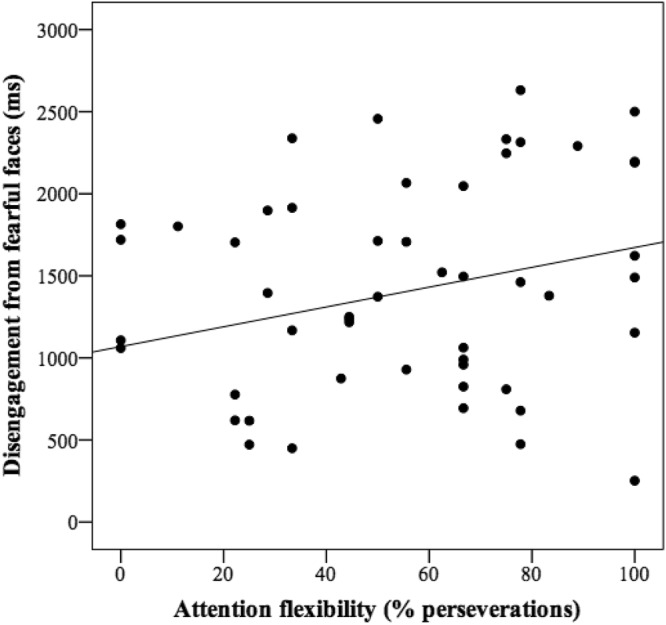
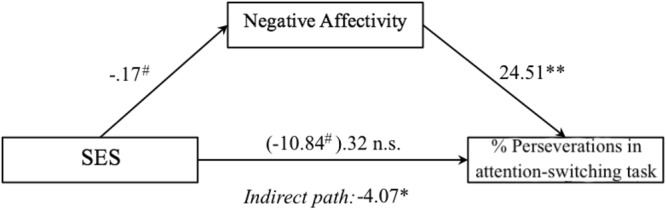
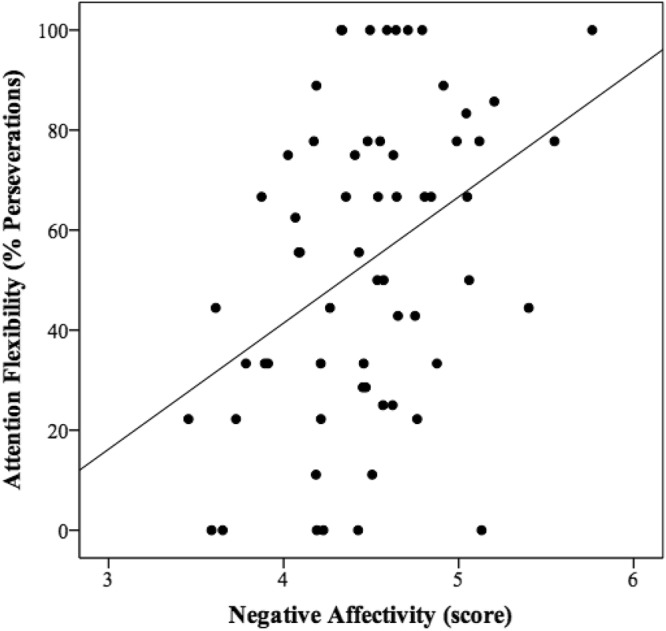
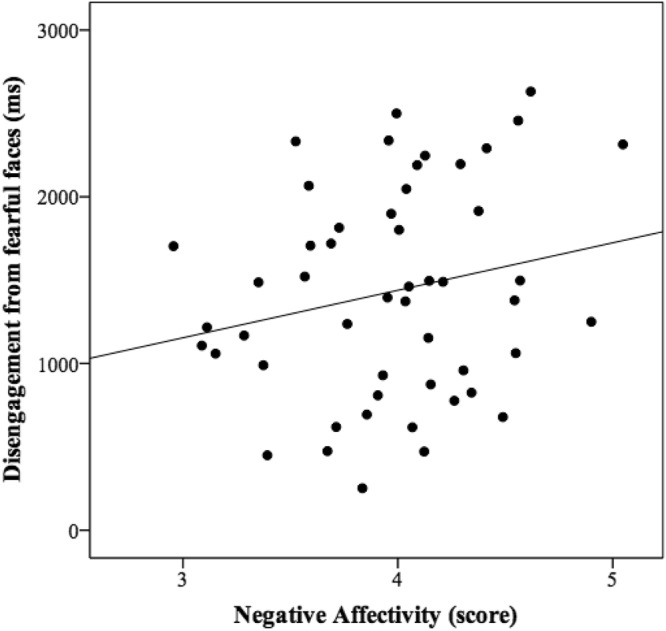
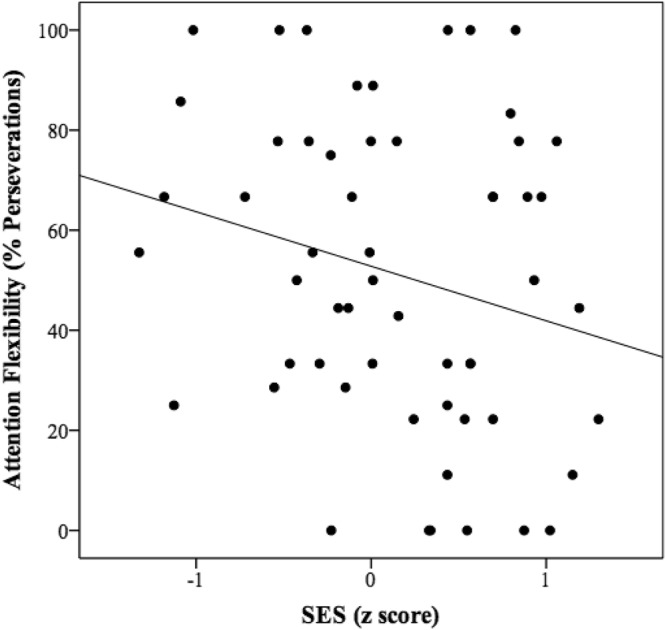
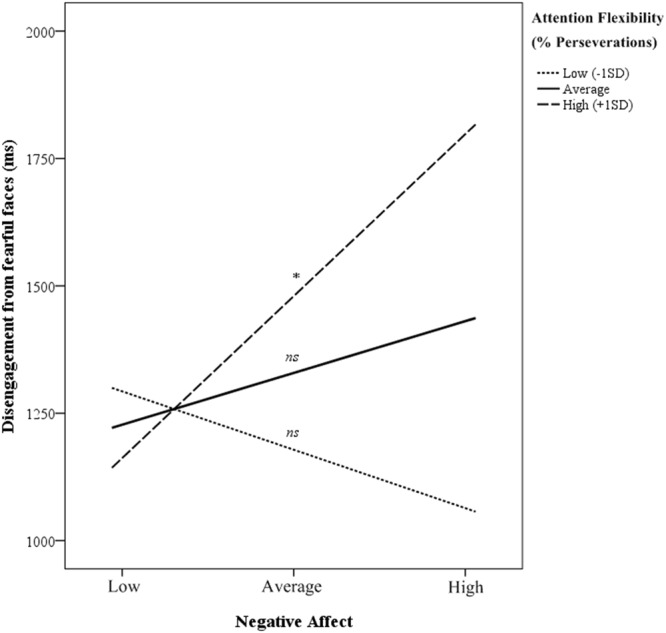
Attention regulation refers to the ability to control attention according to goals and intentions. Disengagement of attention is one of the first mechanisms of attention regulation that emerges in infancy, involving attention control and flexibility. Disengaging attention from emotional stimuli (such as threat-related cues) is of particular interest given its implication for self-regulation. A second mechanism of attention control is the ability to flexibly switch attention according to changing conditions. In our study, we investigated 9 to 12-month-olds' disengagement and flexibility of attention, and examined the contribution of both temperament and socioeconomic status (SES) to individual differences in the emergence of these attention regulation skills at the end of the first year of life. Our results show that both difficulty to disengage from fearful faces and poorer attention flexibility were associated with higher levels of temperamental Negative Affectivity (NA). Additionally, attention flexibility moderated the effect of NA on disengagement from fearful faces. Infants with higher NA and poorer attention flexibility showed the greatest difficulty to disengage. Low SES was also associated with poorer attention flexibility, association that was mediated by infants' NA. These results suggest that attention flexibility together with temperament and environmental factors are key to understand individual differences in attention regulation from threat-related stimuli as early as from infancy. Our findings also stress the importance of interactions between environmental and constitutional factors for understanding individual differences in the emergence of attention regulation.
注意调节是指根据目标和意图控制注意力的能力。注意脱离是婴儿期出现的第一个注意调节机制之一,涉及注意力控制和灵活性。从情绪刺激(如与威胁相关的线索)中脱离注意力特别有趣,因为它对自我调节有影响。注意控制的第二个机制是根据变化的条件灵活地切换注意力的能力。在我们的研究中,我们调查了 9 至 12 个月大的婴儿的注意力脱离和灵活性,并研究了气质和社会经济地位(SES)对个体差异的贡献在生命的第一年结束时出现这些注意力调节技能。我们的结果表明,从恐惧面孔中脱离的困难和较差的注意力灵活性都与较高的气质负性情绪有关。此外,注意力灵活性调节了 NA 对从恐惧面孔中脱离的影响。具有较高 NA 和较差注意力灵活性的婴儿最难脱离。低 SES 也与较差的注意力灵活性有关,这种关联是由婴儿的 NA 介导的。这些结果表明,注意力灵活性以及气质和环境因素是理解从婴儿期开始对与威胁相关的刺激的注意力调节个体差异的关键。我们的研究结果还强调了环境和体质因素之间相互作用对于理解注意力调节出现的个体差异的重要性。