Department of Ophthalmology, Graduate School of Medicine, The University of Tokyo, Tokyo, Japan.
Department of Clinical Laboratory Medicine, Graduate School of Medicine, The University of Tokyo, Tokyo, Japan.
Sci Rep. 2018 Jul 27;8(1):11304. doi: 10.1038/s41598-018-29649-3.
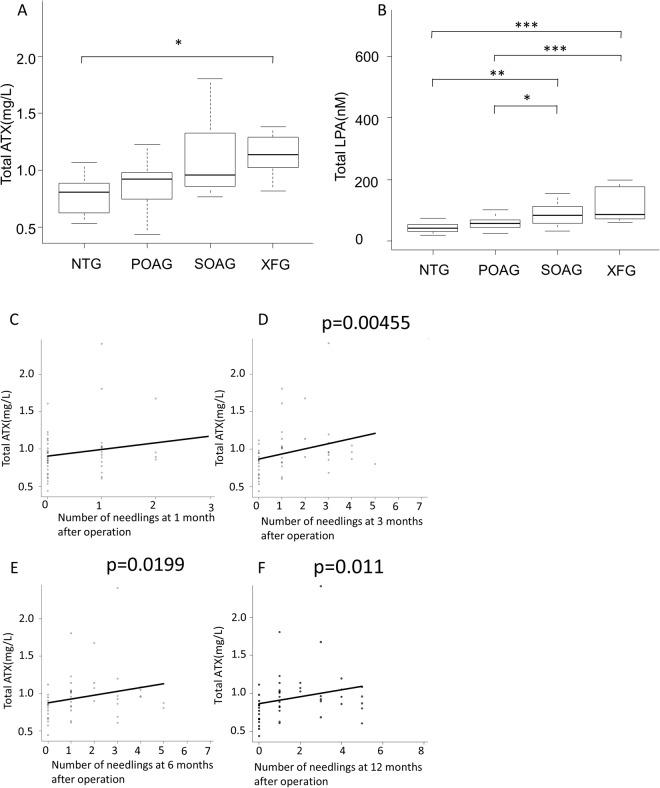
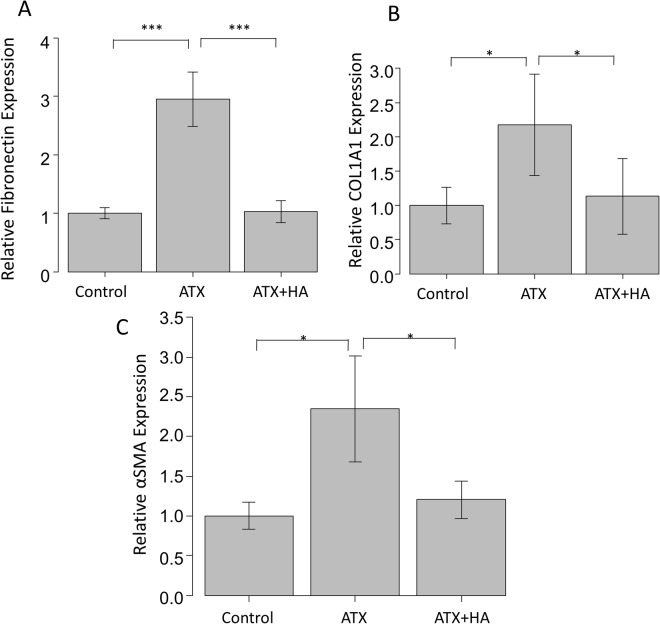
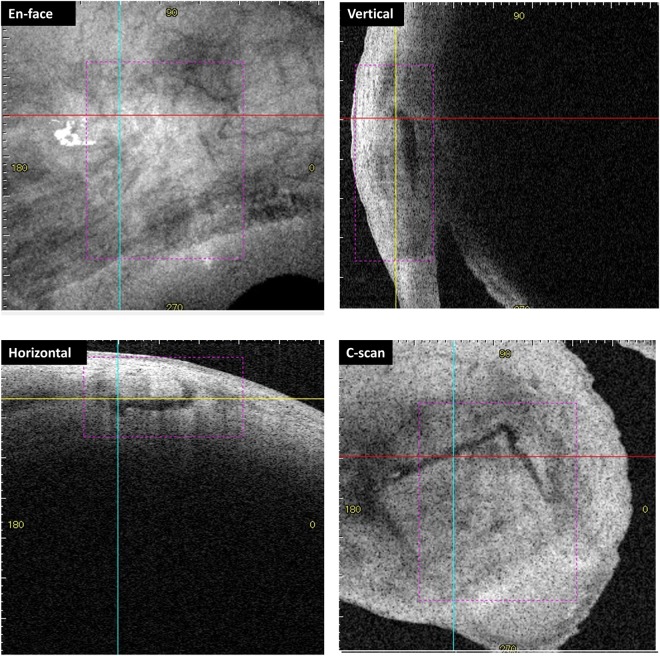
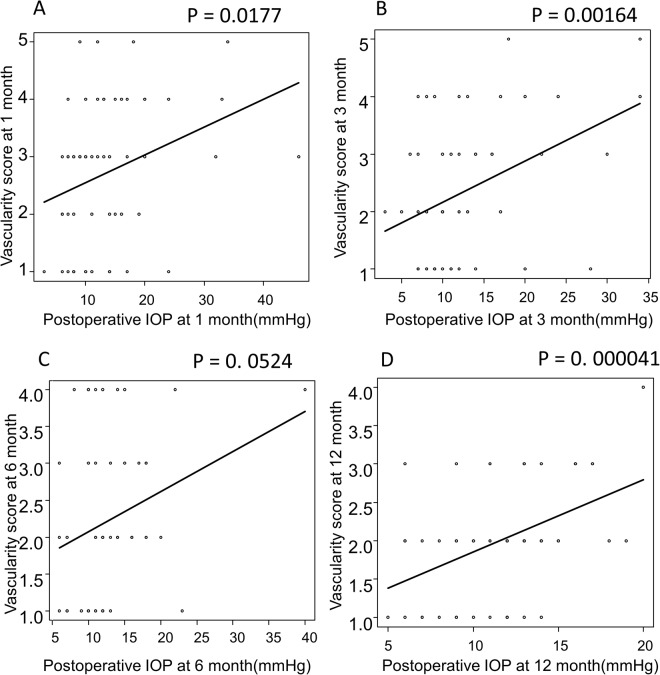
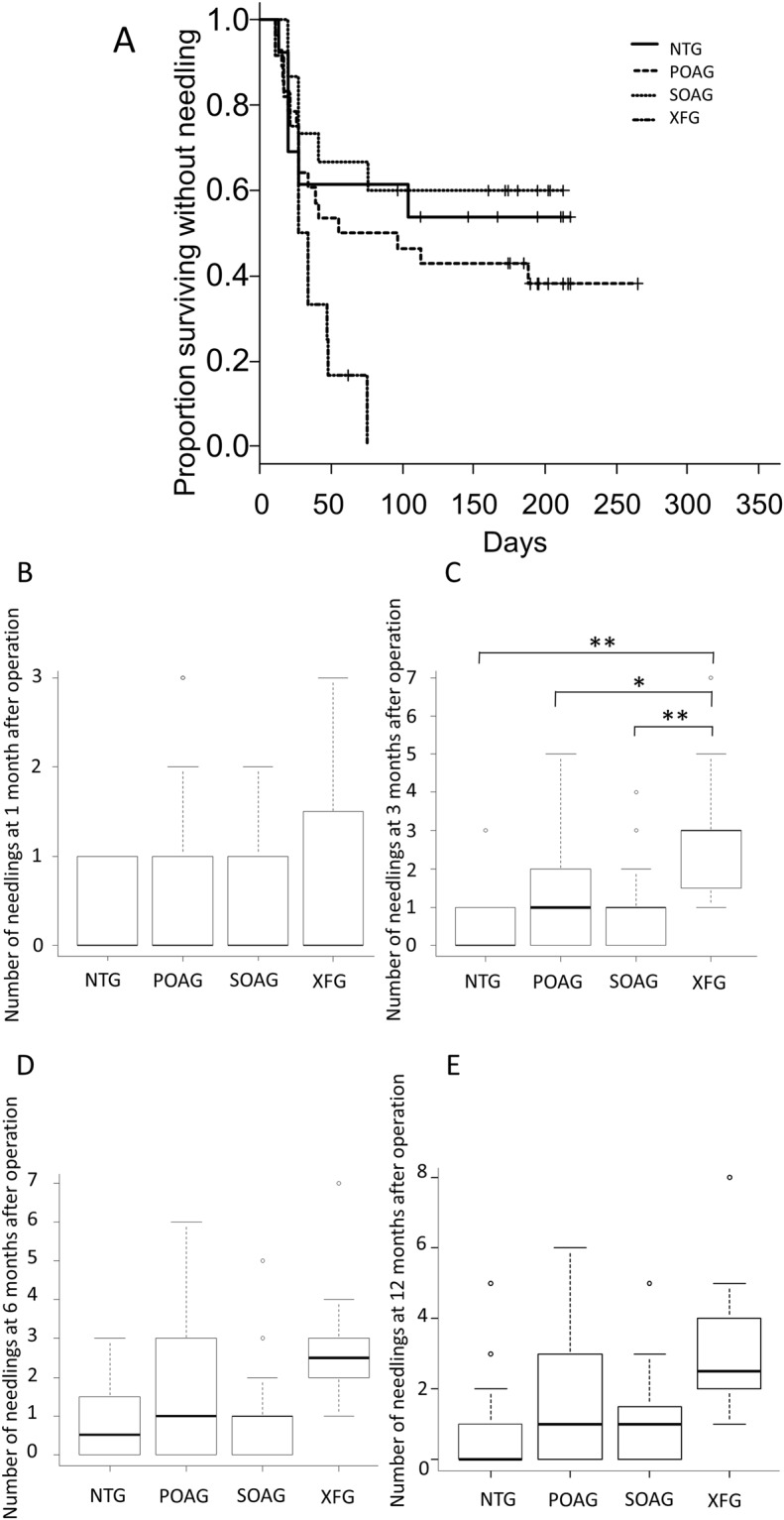
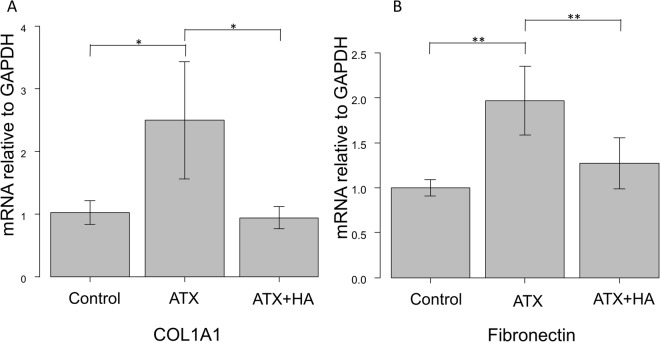
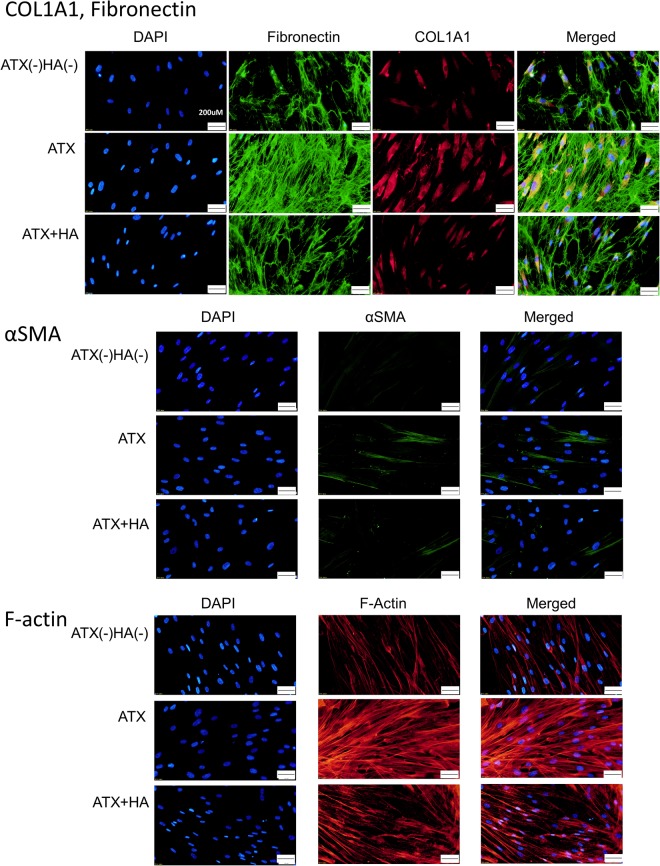
We explored the potential relevance of aqueous lysophosphatidic acid (LPA) and autotaxin (ATX) levels on postoperative outcomes of trabeculectomy, and the effects of ATX on fibrotic response in cultured human conjunctiva fibroblast (HCF) cells. We enrolled 70 glaucomatous eyes which underwent trabeculectomy, and quantified aqueous LPA and ATX. Those eyes were followed up for 12 months, and postoperative filtering blebs were evaluated using anterior segment optical coherence tomography. Also, the ATX-induced fibrotic changes in HCFs and the effects of an ATX inhibitor were assessed. Measured aqueous ATX and LPA levels were significantly different between glaucoma subtypes. In multivariate analyses, aqueous ATX levels were significantly correlated with the presence of needlings at 1, 3, 6 and 12 months after surgery. Exfoliative glaucoma, whose ATX level was significantly high, showed significantly increased numbers of needlings and a lower cumulative success rate without needlings. An in vitro study showed that fibrotic changes were upregulated by ATX treatment in HCFs, which was significantly suppressed by an ATX inhibitor. We presently demonstrate that aqueous ATX may be a prognostic factor affecting the fibrotic response in HCFs and bleb formation, and inhibition of ATX could be a therapeutic target after trabeculectomy.
我们探讨了眼水中溶血磷脂酸(LPA)和分泌型磷酸二酯酶 3D(ATX)水平对小梁切除术术后结果的潜在相关性,以及 ATX 对培养的人结膜成纤维细胞(HCF)细胞纤维化反应的影响。我们招募了 70 只接受小梁切除术的青光眼眼,并定量检测了眼水中的 LPA 和 ATX。这些眼随访 12 个月,使用眼前节光学相干断层扫描评估术后滤过泡。还评估了 ATX 在 HCF 中的诱导性纤维化变化以及 ATX 抑制剂的作用。测量的眼水中 ATX 和 LPA 水平在青光眼亚型之间有显著差异。在多变量分析中,眼水中 ATX 水平与术后 1、3、6 和 12 个月需要针刺的存在显著相关。ATX 水平显著升高的剥脱性青光眼显示需要针刺的次数明显增加,且无针刺的累积成功率较低。一项体外研究表明,ATX 处理可上调 HCFs 的纤维化变化,而 ATX 抑制剂可显著抑制这种变化。我们目前表明,眼水中的 ATX 可能是影响 HCFs 纤维化反应和滤过泡形成的预后因素,抑制 ATX 可能是小梁切除术后的治疗靶点。