Johnson D C, McDermott M R, Chrisp C, Glorioso J C
J Virol. 1986 Apr;58(1):36-42. doi: 10.1128/JVI.58.1.36-42.1986.
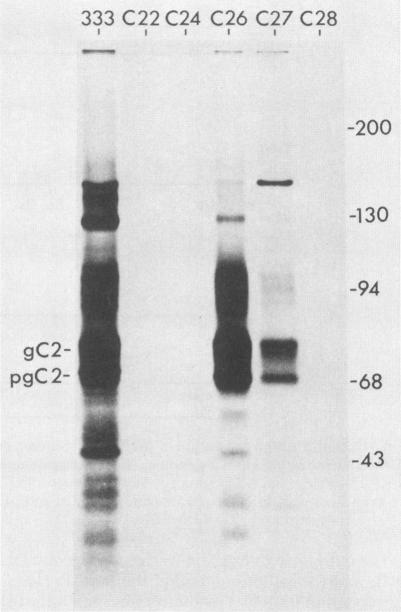
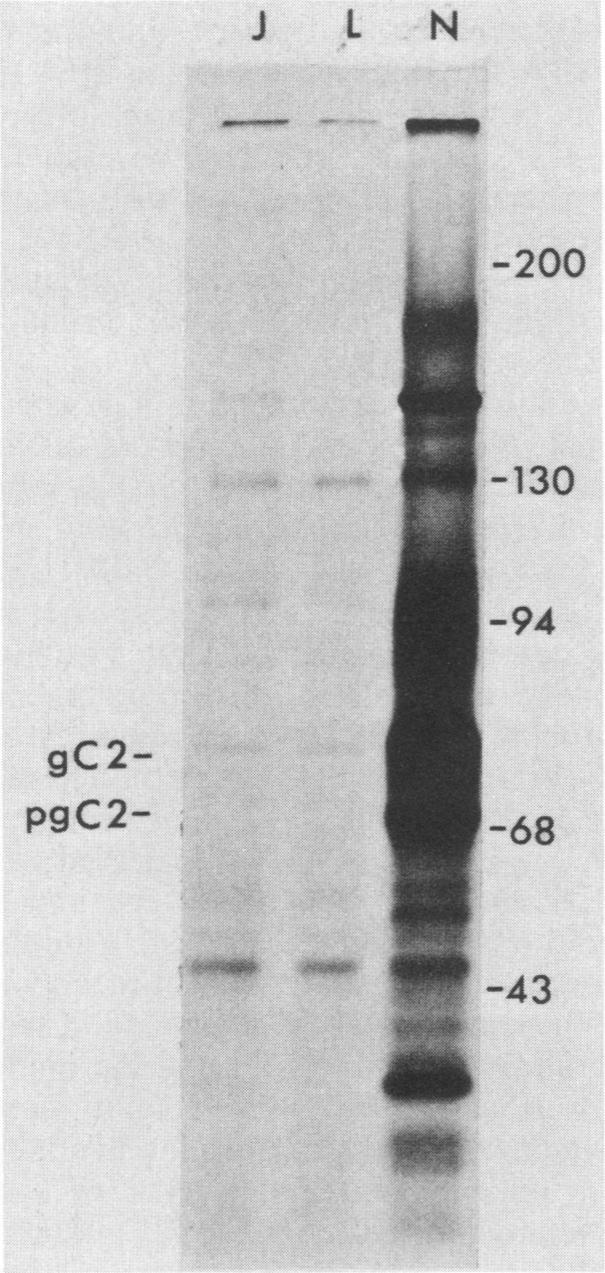
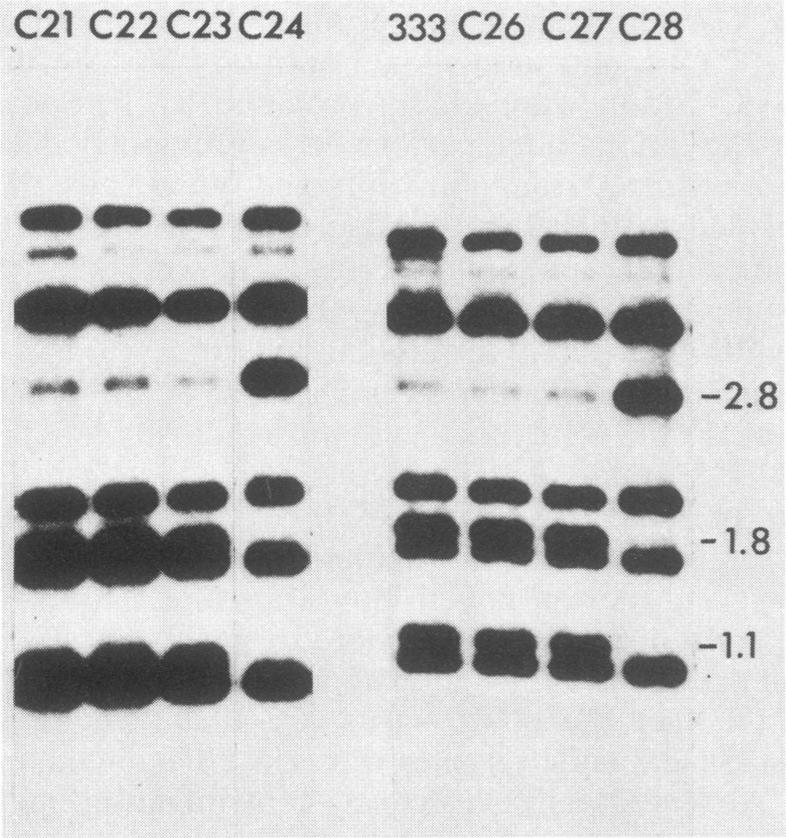
Herpes simplex virus type 2 (HSV-2) mutants that were unable to express glycoprotein C (gC-2) were isolated. Deletions were made in a cloned copy of the gC-2 gene, and recombinant viruses containing these deletions were screened by using an immunoreactive plaque selection protocol. The viruses did not display a syncytial phenotype. Intravaginal inoculation of BALB/cJ mice with one of the HSV-2 gC-2- viruses produced local inflammation followed by a lethal spread of the viral infection into the nervous system in a manner identical to that produced by parental HSV-2 strain 333. Similarly, intracerebral inoculation of DBA-2 mice with the gC-2- virus produced a lethal neurological disease paralleling that caused by HSV-2 strain 333. These results indicate that gC-2 is not required for the spread of HSV-2 infections in mice.
分离出了无法表达糖蛋白C(gC-2)的2型单纯疱疹病毒(HSV-2)突变体。在gC-2基因的克隆拷贝中进行缺失操作,并使用免疫反应性噬斑选择方案筛选含有这些缺失的重组病毒。这些病毒未表现出合胞体表型。用其中一种HSV-2 gC-2-病毒经阴道接种BALB/cJ小鼠,会引发局部炎症,随后病毒感染以与亲本HSV-2毒株333相同的方式致命性地扩散到神经系统。同样,用gC-2-病毒对DBA-2小鼠进行脑内接种,会引发与HSV-2毒株333所致疾病相似的致命性神经疾病。这些结果表明,gC-2对于HSV-2在小鼠体内的传播并非必需。