Institute of Molecular Biosciences, University of Graz, Graz 8010, Austria.
Institute of Biophysics, Johannes Kepler University, Linz 4020, Austria.
Nucleic Acids Res. 2018 Sep 28;46(17):9201-9219. doi: 10.1093/nar/gky671.
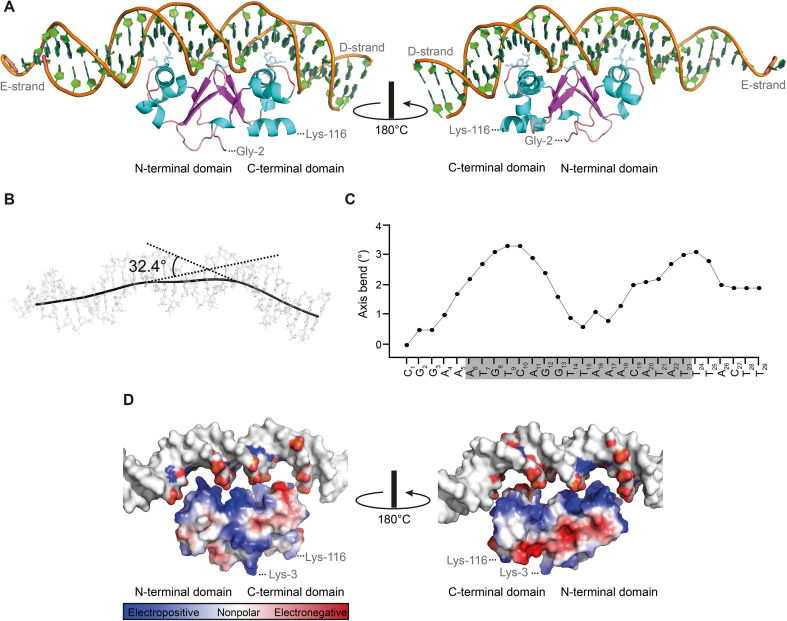
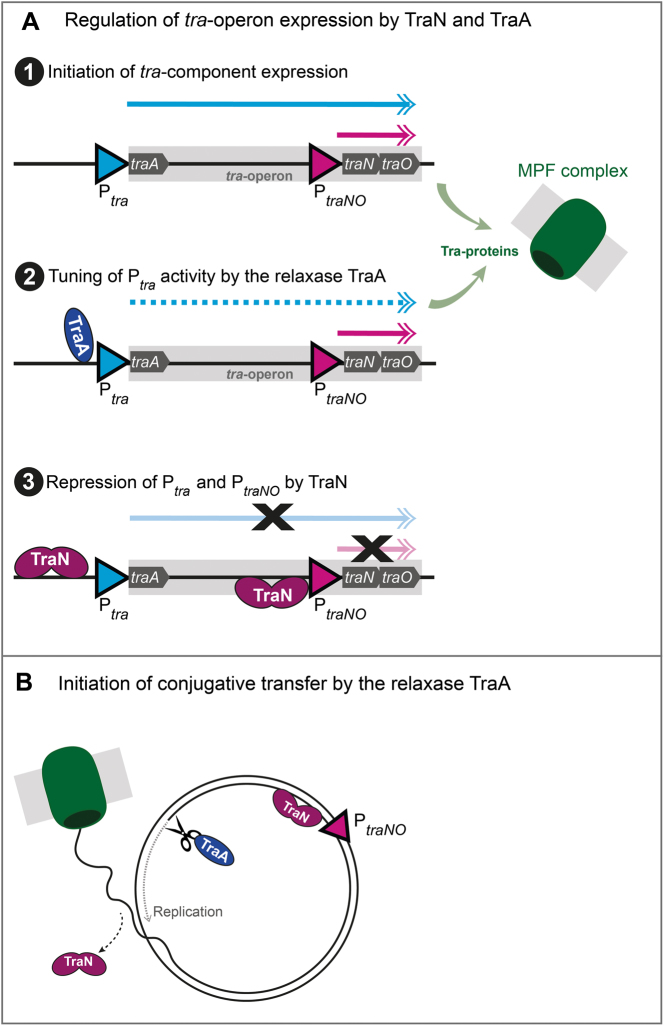
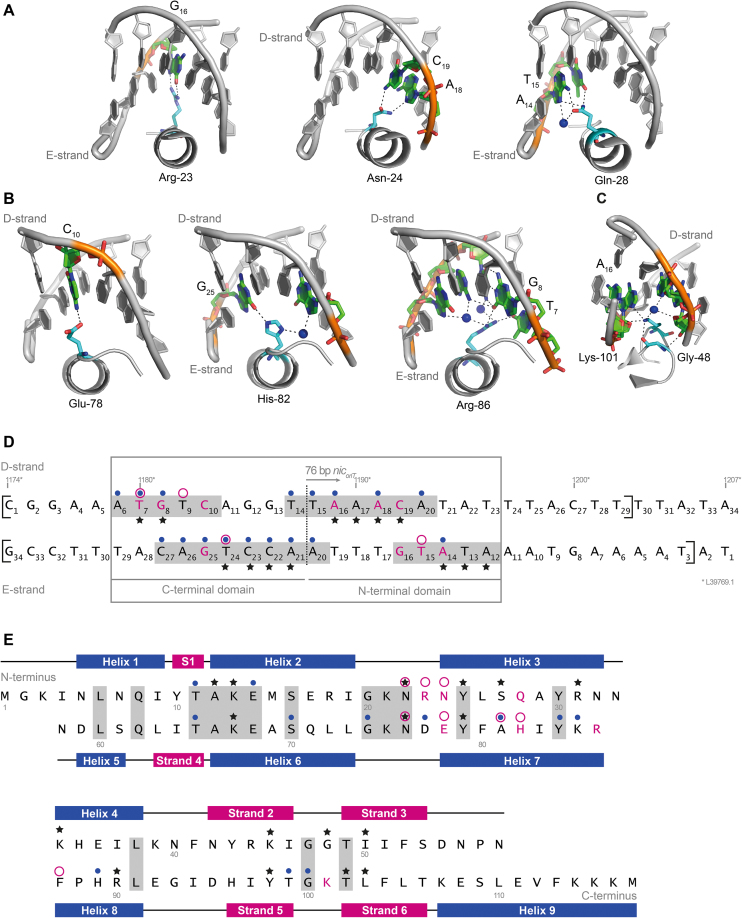
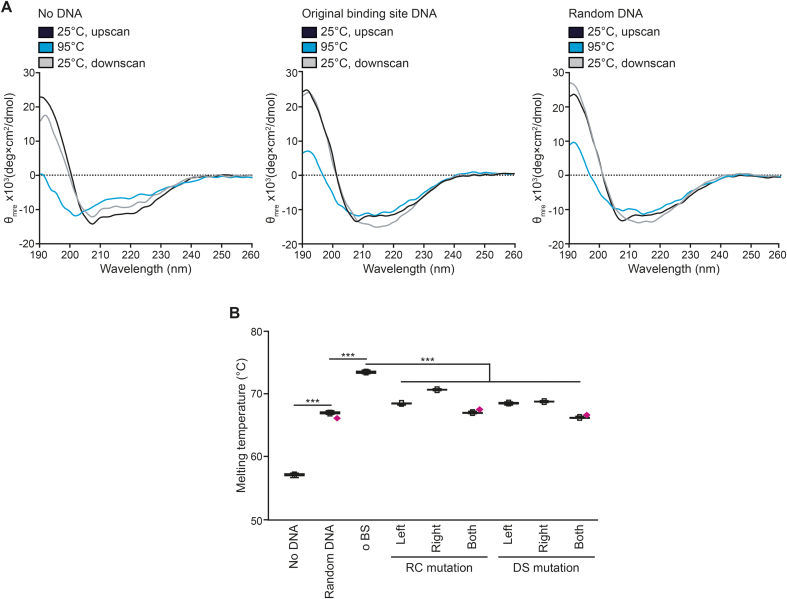
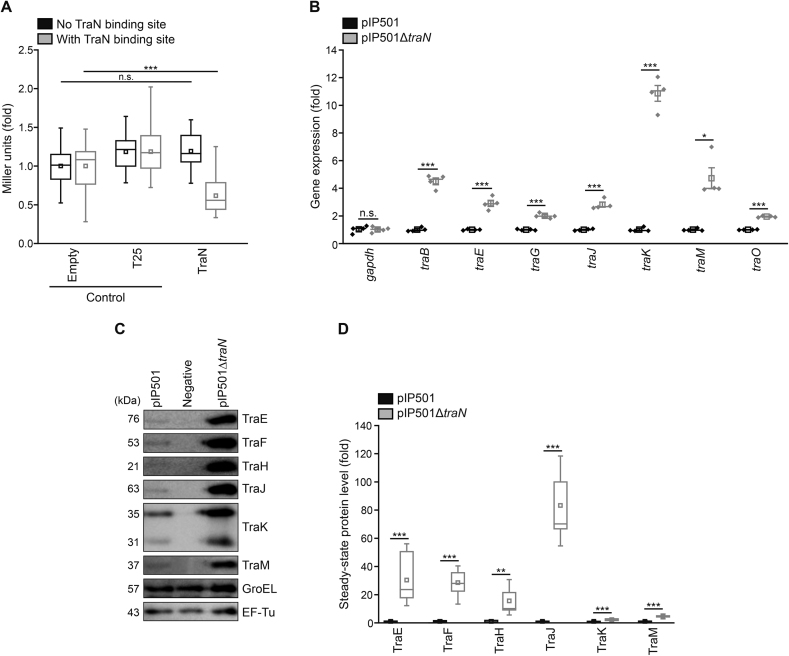
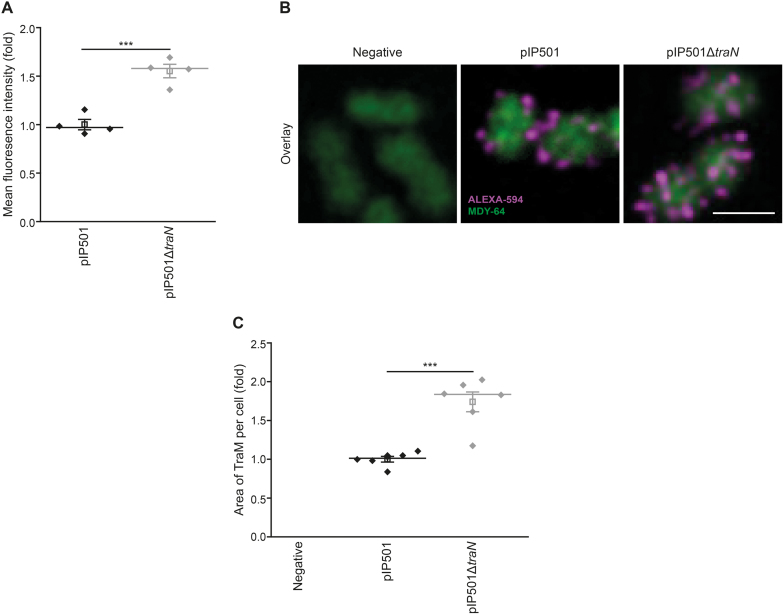
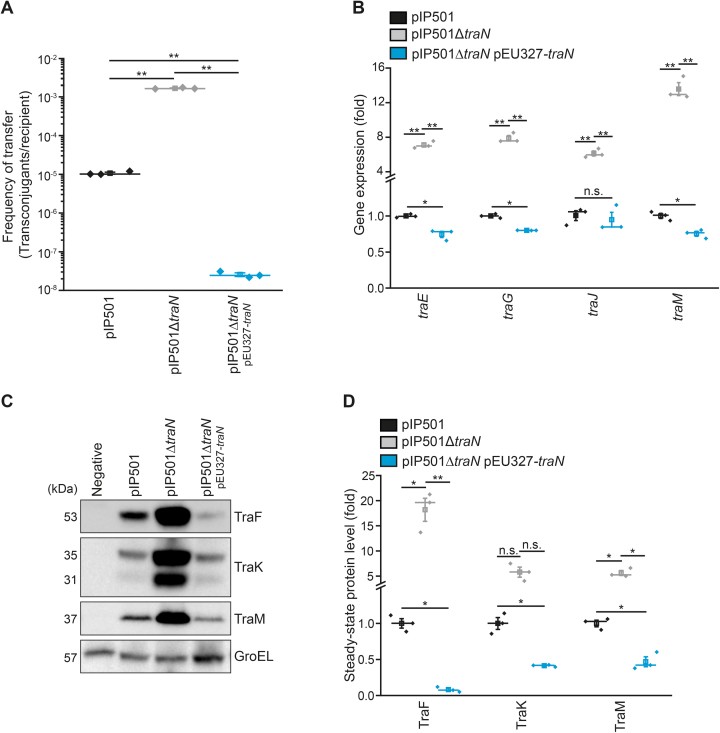
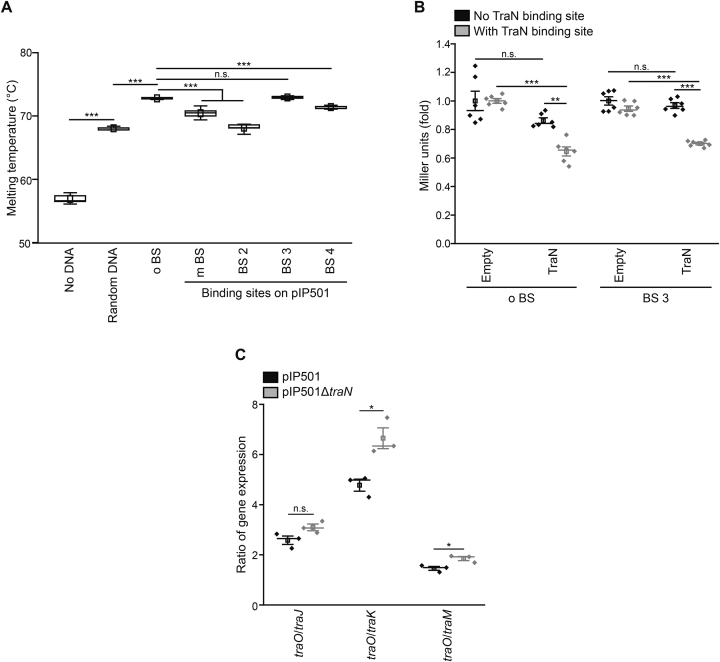
The dissemination of multi-resistant bacteria represents an enormous burden on modern healthcare. Plasmid-borne conjugative transfer is the most prevalent mechanism, requiring a type IV secretion system that enables bacteria to spread beneficial traits, such as resistance to last-line antibiotics, among different genera. Inc18 plasmids, like the Gram-positive broad host-range plasmid pIP501, are substantially involved in propagation of vancomycin resistance from Enterococci to methicillin-resistant strains of Staphylococcus aureus. Here, we identified the small cytosolic protein TraN as a repressor of the pIP501-encoded conjugative transfer system, since deletion of traN resulted in upregulation of transfer factors, leading to highly enhanced conjugative transfer. Furthermore, we report the complex structure of TraN with DNA and define the exact sequence of its binding motif. Targeting this protein-DNA interaction might represent a novel therapeutic approach against the spreading of antibiotic resistances.
多耐药菌的传播对现代医疗保健构成了巨大的负担。质粒携带的可转移性是最常见的机制,需要一种 IV 型分泌系统,使细菌能够在不同属之间传播有益的特征,如对最后一线抗生素的耐药性。Inc18 质粒,如革兰氏阳性广谱质粒 pIP501,在肠球菌向耐甲氧西林的金黄色葡萄球菌传播万古霉素耐药性方面发挥了重要作用。在这里,我们鉴定了细胞质小蛋白 TraN 作为 pIP501 编码的可转移性系统的抑制剂,因为 traN 的缺失导致转移因子的上调,从而导致高度增强的可转移性。此外,我们报告了 TraN 与 DNA 的复合物结构,并定义了其结合基序的确切序列。针对这种蛋白-DNA 相互作用可能代表了一种针对抗生素耐药性传播的新型治疗方法。