Ferrer I, Vives-Mestres M, Manresa A, Garcia-Romeu M L
Department of Mechanical Engineering & Industrial Construction, University of Girona, 17004 Girona, Spain.
Department of Computer Science, Applied Mathematics & Statistics, University of Girona, 17004 Girona, Spain.
Materials (Basel). 2018 Jul 30;11(8):1320. doi: 10.3390/ma11081320.
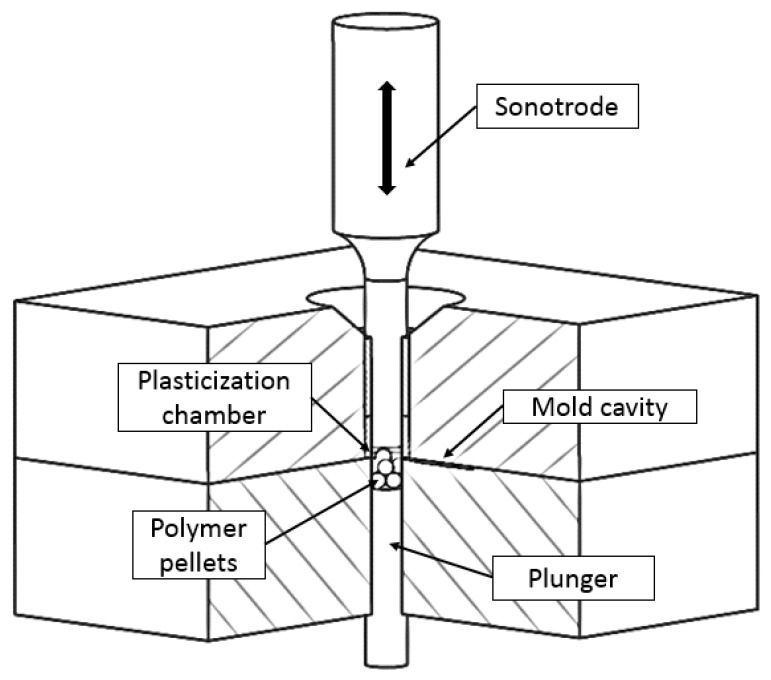
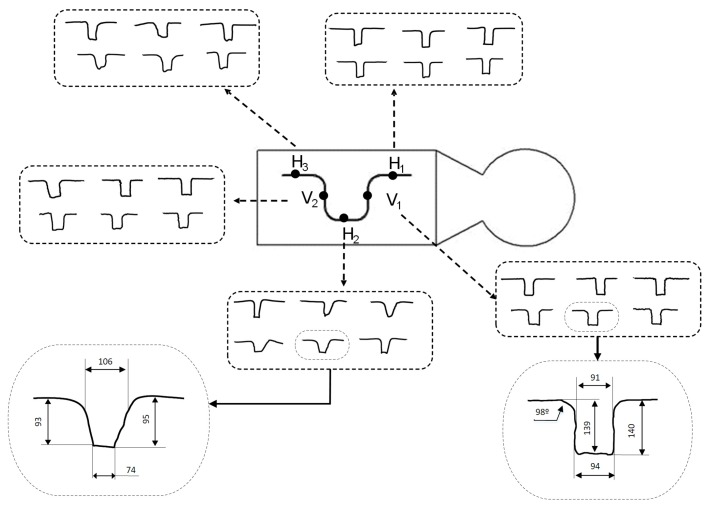
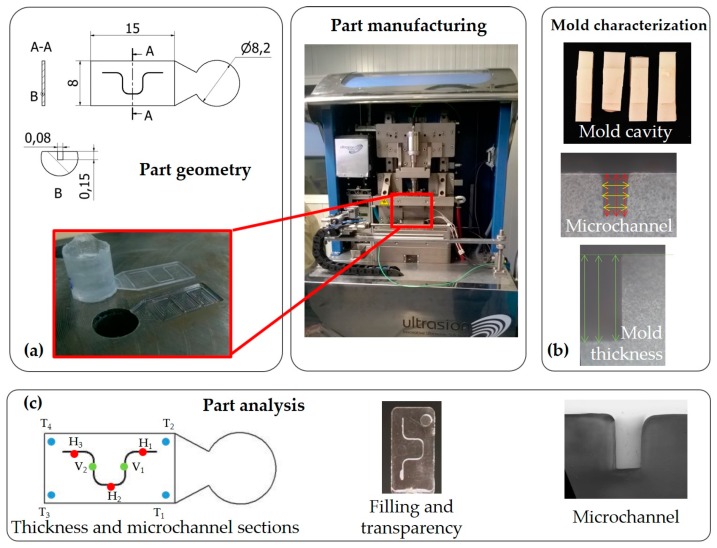
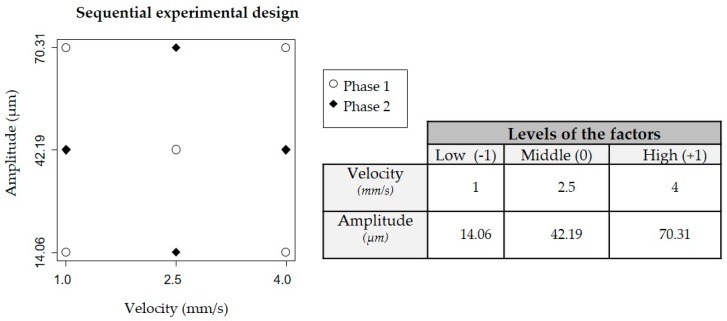
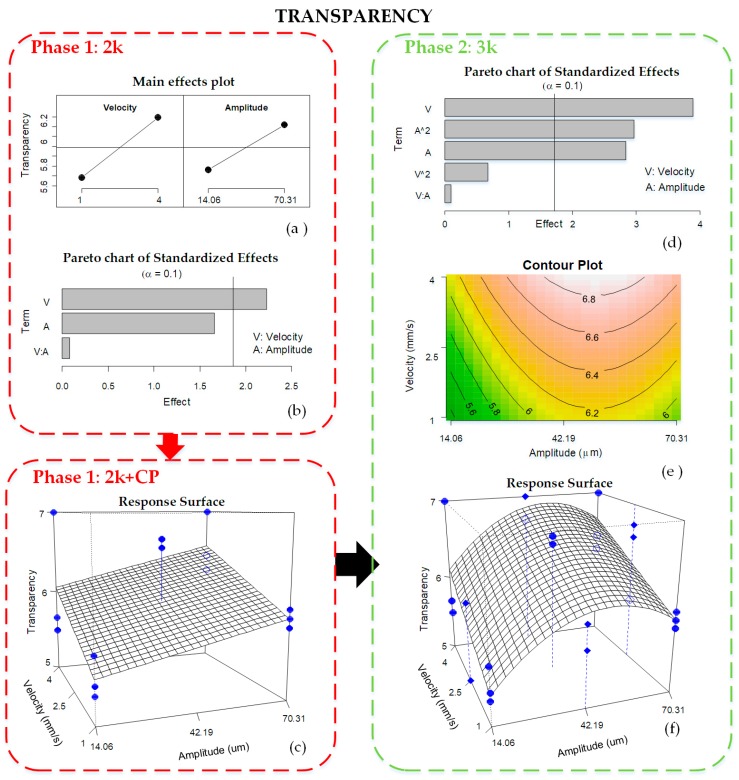
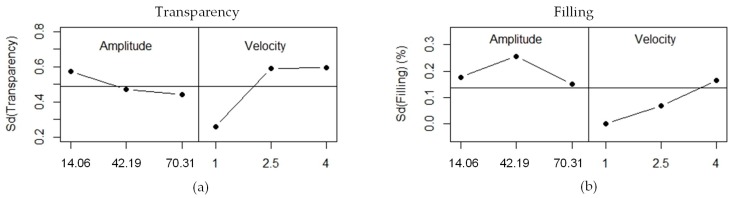
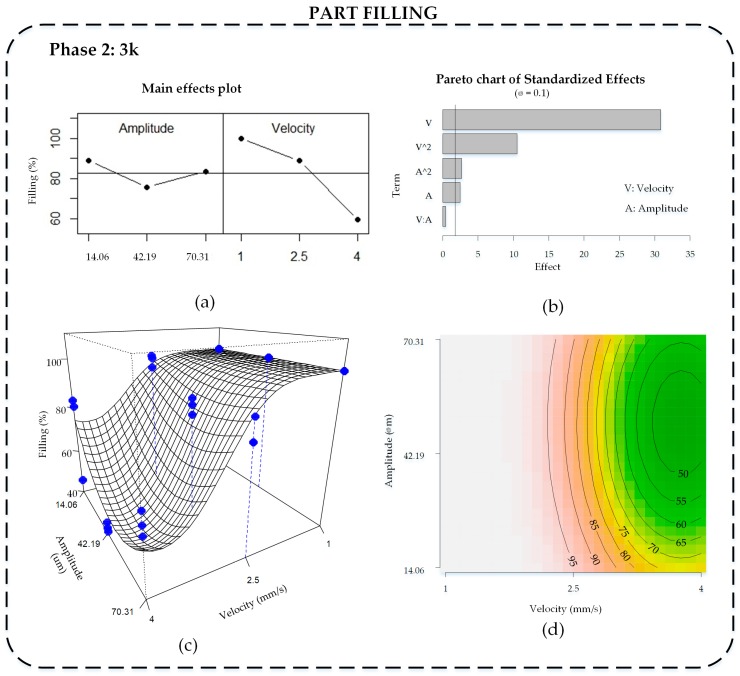
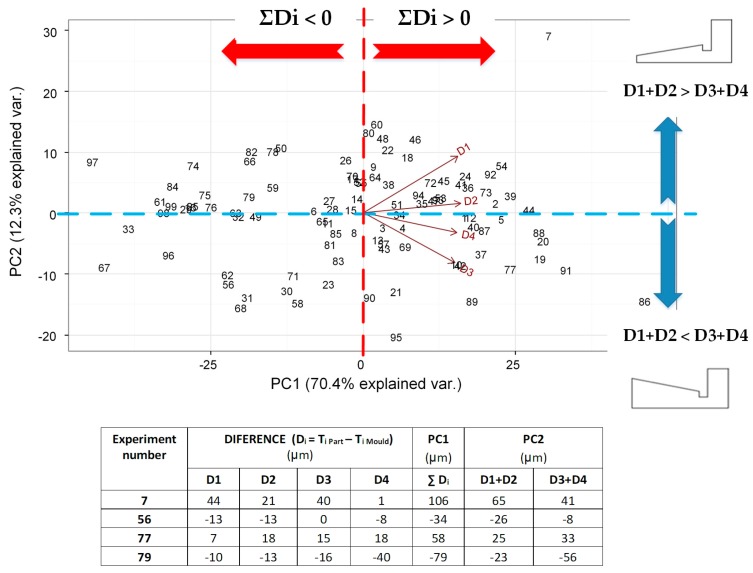
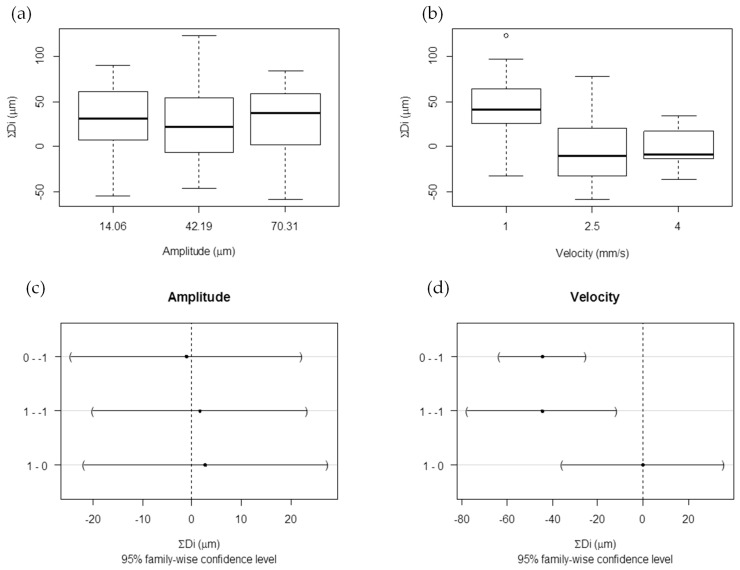
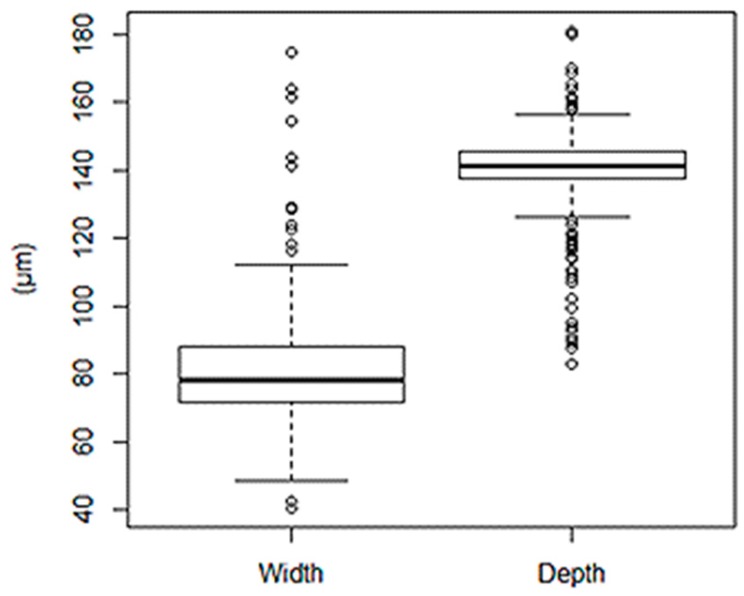
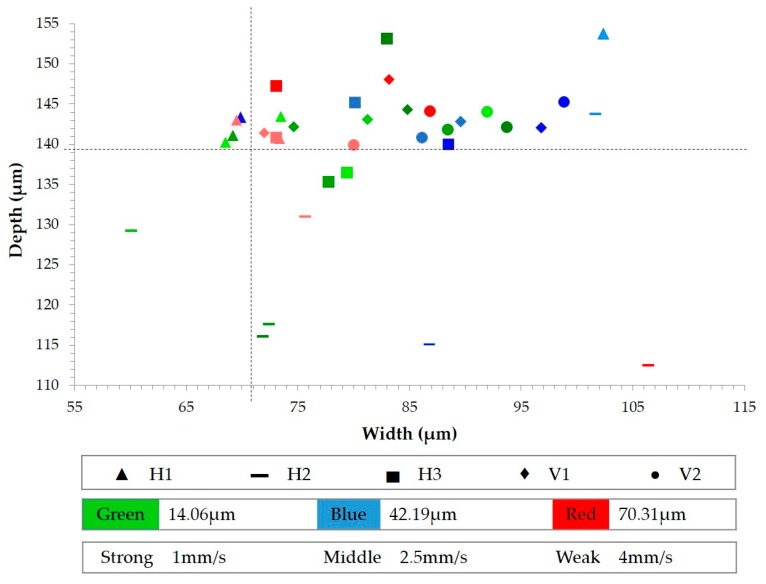
Ultrasonic molding is a new technology for processing small and micro polymeric components with reasonable cost and energy savings when small and medium batch sizes are required. However, when microcomponents are manufactured, the replicability of different micro features has to be guaranteed. The aim is to investigate the capability of ultrasonic molding technology for processing thin-wall plates of polystyrene with a microchannel, analyzing the filling behavior, the optical transparency, and the dimensional accuracy of the thin plate. The replicability of the manufactured microchannel is studied according to dimension and shape. The results reveal that plunger velocity influences transparency and filling cavity, whereas the vibration amplitude has less effect in both cases. The thickness deviation achieved on the final part is below 7% and the replication of the microchannel is better in depth than width, obtaining an average deviation of 4% and 11%, respectively. This replication also depends on the orientation of the microchannels and the distance from the injection gate. The replicability and repeatability for processing thin-wall plates with microchannel in polystyrene polymer are proved in this paper
超声成型是一种用于加工小型和微型聚合物部件的新技术,当需要中小批量生产时,该技术成本合理且节能。然而,在制造微型部件时,必须保证不同微观特征的可复制性。目的是研究超声成型技术加工带有微通道的聚苯乙烯薄壁板的能力,分析薄板的填充行为、光学透明度和尺寸精度。根据尺寸和形状研究制造的微通道的可复制性。结果表明,柱塞速度影响透明度和填充型腔,而在这两种情况下振动幅度的影响较小。最终部件的厚度偏差低于7%,微通道的复制深度比宽度更好,平均偏差分别为4%和11%。这种复制还取决于微通道的方向和与注射浇口的距离。本文证明了用超声成型技术加工聚苯乙烯聚合物中带有微通道的薄壁板的可复制性和可重复性。