Das Rajiv, Puri Rishi
Freeman Hospital, Newcastle upon Tyne, United Kingdom.
Department of Cardiovascular Medicine, Cleveland Clinic, Cleveland, OH, United States.
Front Cardiovasc Med. 2018 Jul 19;5:91. doi: 10.3389/fcvm.2018.00091. eCollection 2018.
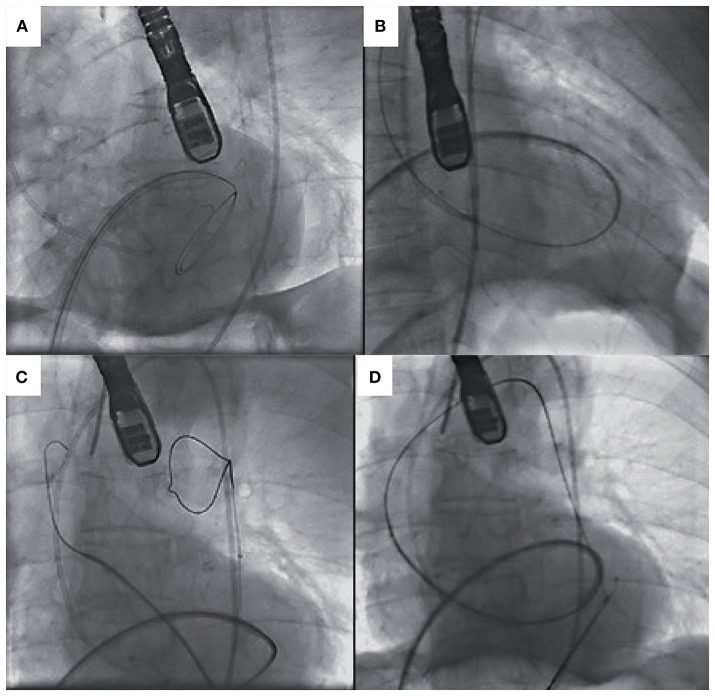
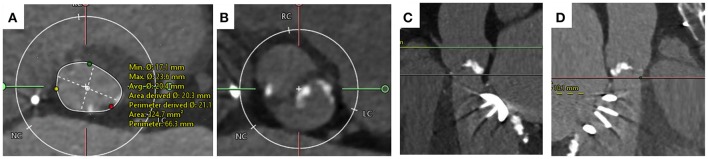
Patients with bicuspid aortic valve disease have systematically been excluded from large randomized clinical trials investigating transcatheter aortic valve implantation (TAVI) due to their younger age, lower surgical risk and complex aortic anatomy. The asymmetric nature of the bicuspid valve orifice often accompanied by heavy regional calcification has led to concerns regarding valve positioning and expansion. Bicuspid aortic valve disease patients are at heightened risk of TAVI-related complications including coronary occlusion, aortic dissection and annular rupture, as well as the known risks of progressive aortopathy in these patients. These unique anatomical characteristics pose challenges for TAVI operators. However, with recent and ongoing refinements in implantation technique, improvements in pre-procedural imaging and iterations in device design, TAVI is emerging as a safe and feasible treatment option in this population. Paravalvular aortic regurgitation and high pacemaker rates have been the Achilles Heel for TAVI in bicuspid valve patients, yet newer generation devices are yielding promising results. Further studies are required before TAVI ultimately emerges as a viable option in low and intermediate surgical-risk patients with bicuspid valve disease. This review comprehensively summarizes the epidemiology, pathology and current evidence for TAVI in patients with bicuspid aortic valve disease. We also outline some practical tips for performing TAVI in these patients.
由于二叶式主动脉瓣疾病患者年龄较轻、手术风险较低且主动脉解剖结构复杂,他们被系统性地排除在研究经导管主动脉瓣植入术(TAVI)的大型随机临床试验之外。二叶式瓣膜口的不对称性质,常伴有严重的局部钙化,引发了对瓣膜定位和扩张的担忧。二叶式主动脉瓣疾病患者发生TAVI相关并发症的风险增加,包括冠状动脉闭塞、主动脉夹层和瓣环破裂,以及这些患者已知的进行性主动脉病变风险。这些独特的解剖特征给TAVI手术者带来了挑战。然而,随着近期和正在进行的植入技术改进、术前成像的改善以及设备设计的迭代,TAVI正在成为这一人群中一种安全可行的治疗选择。瓣周主动脉瓣反流和高起搏器植入率一直是二叶式瓣膜患者TAVI的致命弱点,但新一代设备正产生令人鼓舞的结果。在TAVI最终成为低和中度手术风险的二叶式瓣膜疾病患者的可行选择之前,还需要进一步的研究。这篇综述全面总结了二叶式主动脉瓣疾病患者TAVI的流行病学、病理学和当前证据。我们还概述了在这些患者中进行TAVI的一些实用技巧。