Dou Dan, Revol Rebecca, Östbye Henrik, Wang Hao, Daniels Robert
Department of Biochemistry and Biophysics, Stockholm University, Stockholm, Sweden.
Front Immunol. 2018 Jul 20;9:1581. doi: 10.3389/fimmu.2018.01581. eCollection 2018.
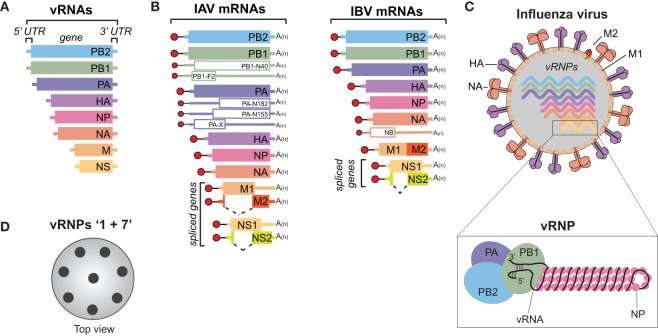
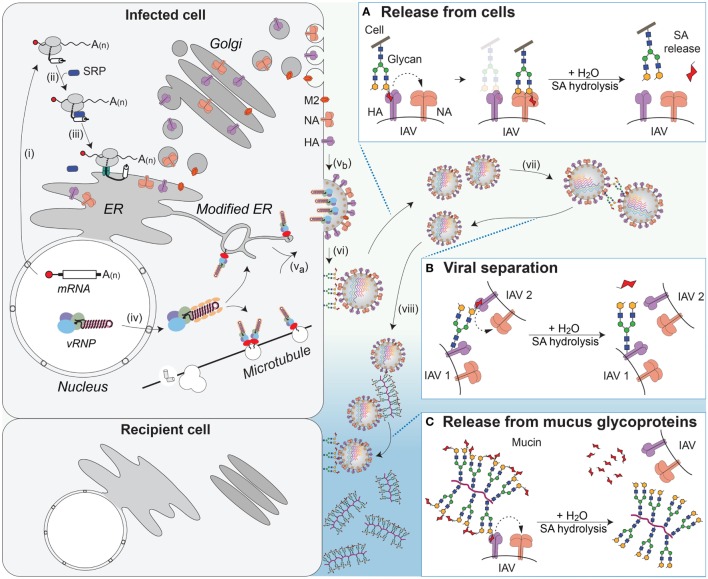
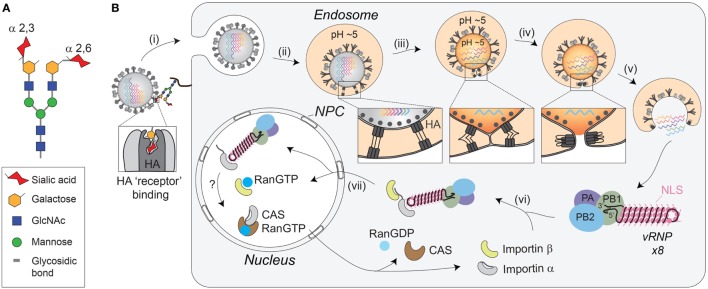
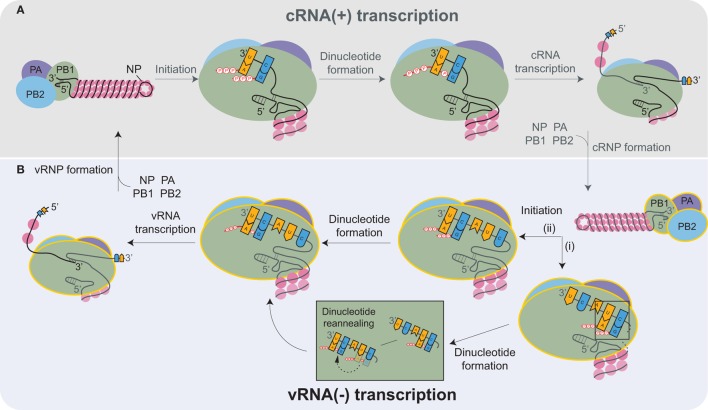
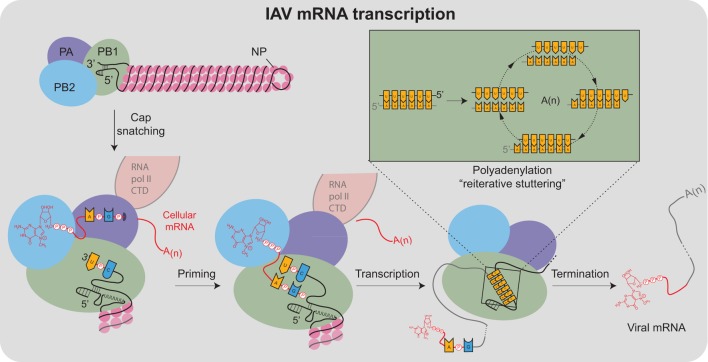
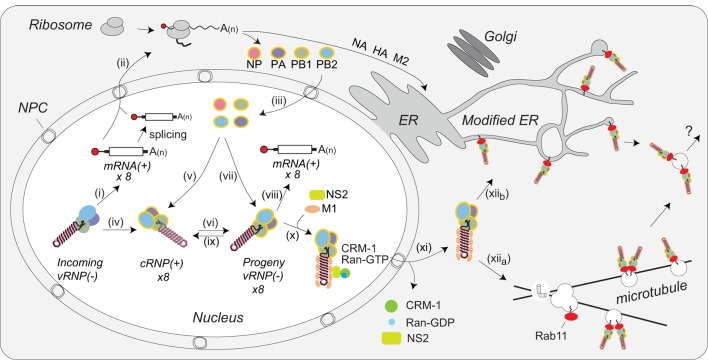
Influenza viruses replicate within the nucleus of the host cell. This uncommon RNA virus trait provides influenza with the advantage of access to the nuclear machinery during replication. However, it also increases the complexity of the intracellular trafficking that is required for the viral components to establish a productive infection. The segmentation of the influenza genome makes these additional trafficking requirements especially challenging, as each viral RNA (vRNA) gene segment must navigate the network of cellular membrane barriers during the processes of entry and assembly. To accomplish this goal, influenza A viruses (IAVs) utilize a combination of viral and cellular mechanisms to coordinate the transport of their proteins and the eight vRNA gene segments in and out of the cell. The aim of this review is to present the current mechanistic understanding for how IAVs facilitate cell entry, replication, virion assembly, and intercellular movement, in an effort to highlight some of the unanswered questions regarding the coordination of the IAV infection process.
流感病毒在宿主细胞的细胞核内复制。这种不常见的RNA病毒特性使流感病毒在复制过程中能够利用细胞核机制。然而,这也增加了病毒成分建立有效感染所需的细胞内运输的复杂性。流感病毒基因组的分段使得这些额外的运输需求尤其具有挑战性,因为每个病毒RNA(vRNA)基因片段在进入和组装过程中都必须穿越细胞膜屏障网络。为实现这一目标,甲型流感病毒(IAV)利用病毒和细胞机制的组合来协调其蛋白质和八个vRNA基因片段进出细胞的运输。本综述的目的是介绍目前对IAV如何促进细胞进入、复制、病毒粒子组装和细胞间移动的机制理解,以突出一些关于IAV感染过程协调的未解决问题。