Department of Biology, Unit of Cell and Developmental Biology, University of Pisa, 56127, Pisa, Italy.
Harvard Medical School, Department of Genetics, Boston, 02115, MA, USA.
Sci Rep. 2018 Aug 7;8(1):11847. doi: 10.1038/s41598-018-30291-2.
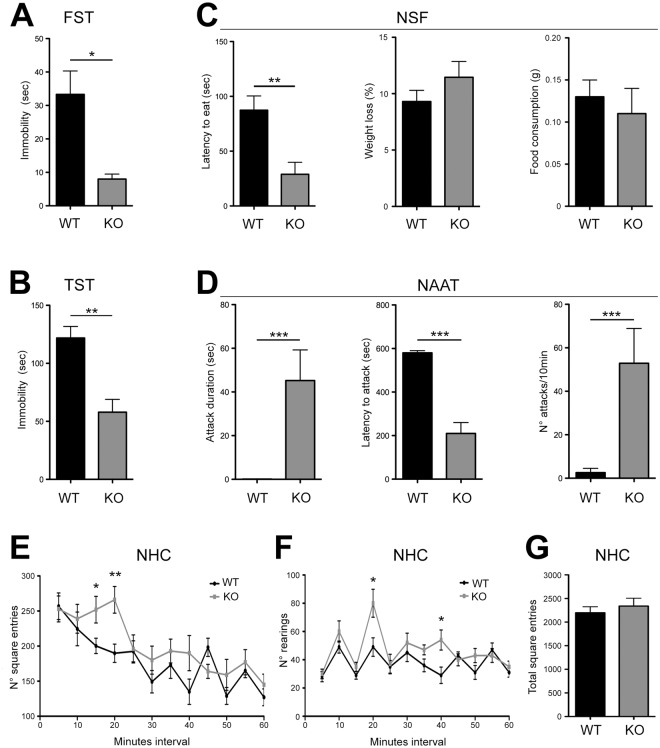
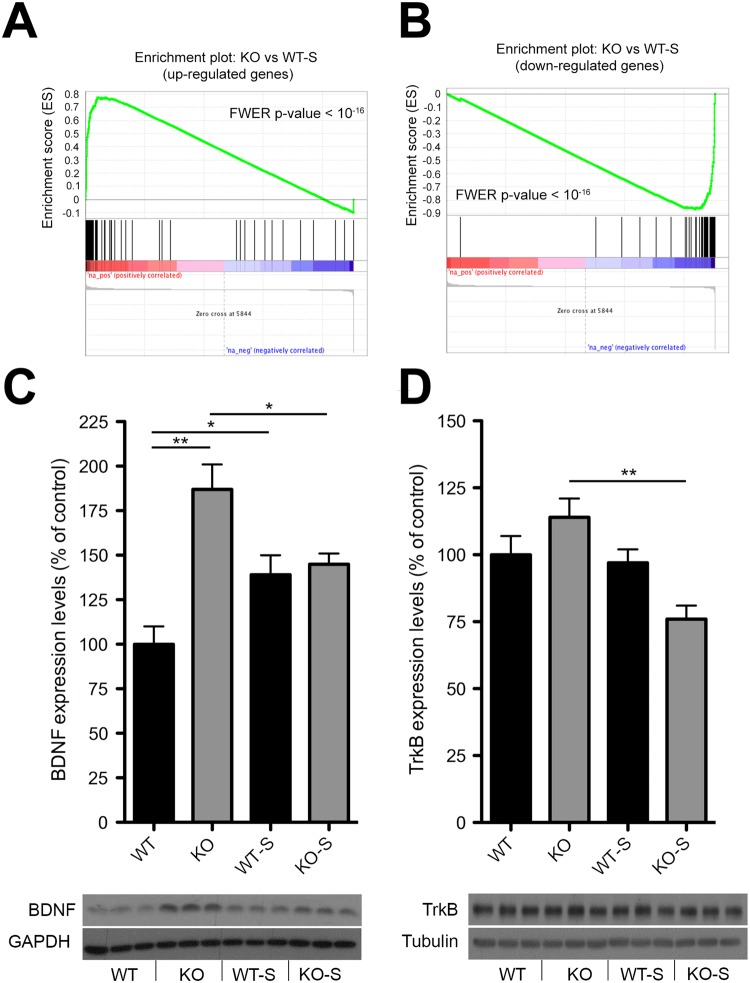
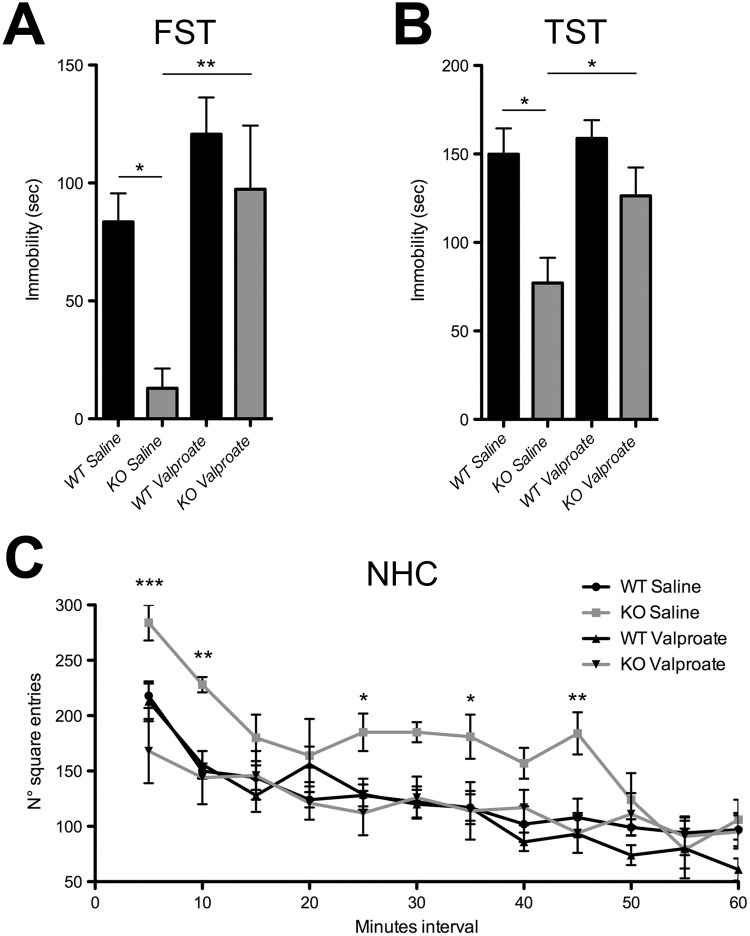
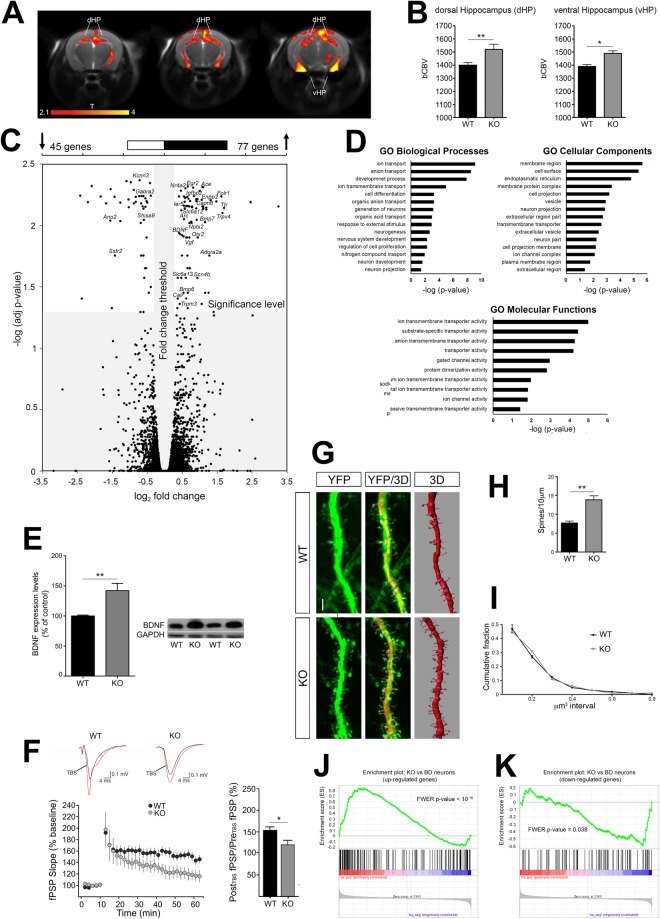
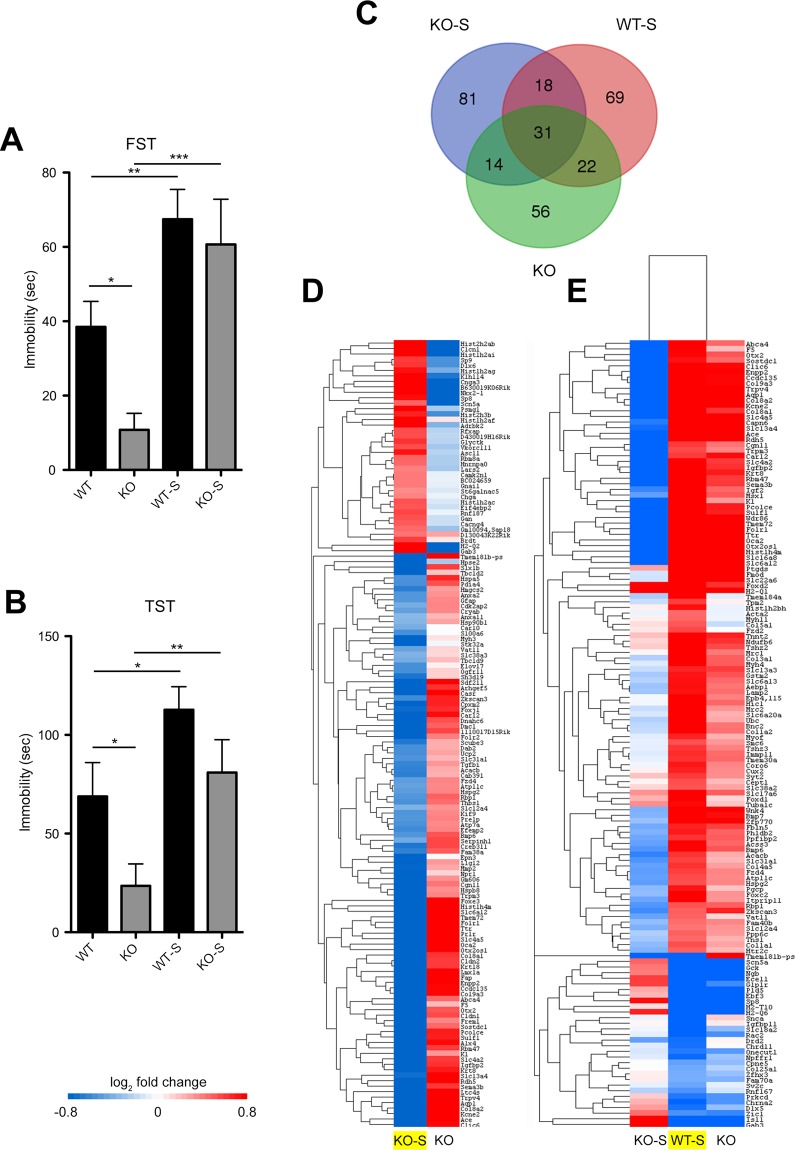
Abnormal hippocampal neural plasticity has been implicated in behavioural abnormalities and complex neuropsychiatric conditions, including bipolar disorder (BD). However, the determinants of this neural alteration remain unknown. This work tests the hypothesis that the neurotransmitter serotonin (5-HT) is a key determinant of hippocampal neuroplasticity, and its absence leads to maladaptive behaviour relevant for BD. Depletion of brain 5-HT in Tph2 mutant mice resulted in reduced behavioural despair, reduced anxiety, marked aggression and lower habituation in novel environments, reminiscent of bipolar-associated manic behaviour. Treatment with valproate produced a substantial improvement of the mania-like behavioural phenotypes displayed by Tph2 mutants. Brain-wide fMRI mapping in mutants revealed functional hippocampal hyperactivity in which we also observed dramatically increased neuroplasticity. Importantly, remarkable correspondence between the transcriptomic profile of the Tph2 mutant hippocampus and neurons from bipolar disorder patients was observed. Chronic stress reversed the emotional phenotype and the hippocampal transcriptional landscape of Tph2 mutants. These changes were associated with inappropriate activation of transcriptional adaptive response to stress as assessed by gene set enrichment analyses in the hippocampus of Tph2 mutant mice. These findings delineate 5-HT as a critical determinant in BD associated maladaptive emotional responses and aberrant hippocampal neuroplasticity, and support the use of Tph2-/- mice as a new research tool for mechanistic and therapeutic research in bipolar disorder.
异常的海马体神经可塑性与行为异常和复杂的神经精神疾病有关,包括双相情感障碍(BD)。然而,这种神经改变的决定因素尚不清楚。这项工作检验了这样一个假设,即神经递质 5-羟色胺(5-HT)是海马体神经可塑性的关键决定因素,其缺失会导致与 BD 相关的适应不良行为。在 Tph2 突变小鼠中耗尽脑内 5-HT 会导致行为绝望、焦虑减少、明显的攻击性和新环境中的习惯化减少,这与双相情感障碍相关的躁狂行为相似。用丙戊酸钠治疗可显著改善 Tph2 突变体的躁狂样行为表型。在突变体中进行的全脑 fMRI 图谱显示功能性海马体过度活跃,我们还观察到明显增加的神经可塑性。重要的是,Tph2 突变体海马体的转录组谱与双相情感障碍患者的神经元之间存在显著的对应关系。慢性应激逆转了 Tph2 突变体的情绪表型和海马体转录景观。这些变化与 Tph2 突变体小鼠海马体中基因集富集分析评估的应激适应性反应的不适当激活有关。这些发现将 5-HT 描绘为与 BD 相关的适应性情绪反应和异常海马体神经可塑性的关键决定因素,并支持使用 Tph2-/- 小鼠作为双相情感障碍机制和治疗研究的新研究工具。