Blakney Anna K, McKay Paul F, Shattock Robin J
Department of Medicine, Imperial College London, London, United Kingdom.
Front Mol Biosci. 2018 Jul 26;5:71. doi: 10.3389/fmolb.2018.00071. eCollection 2018.
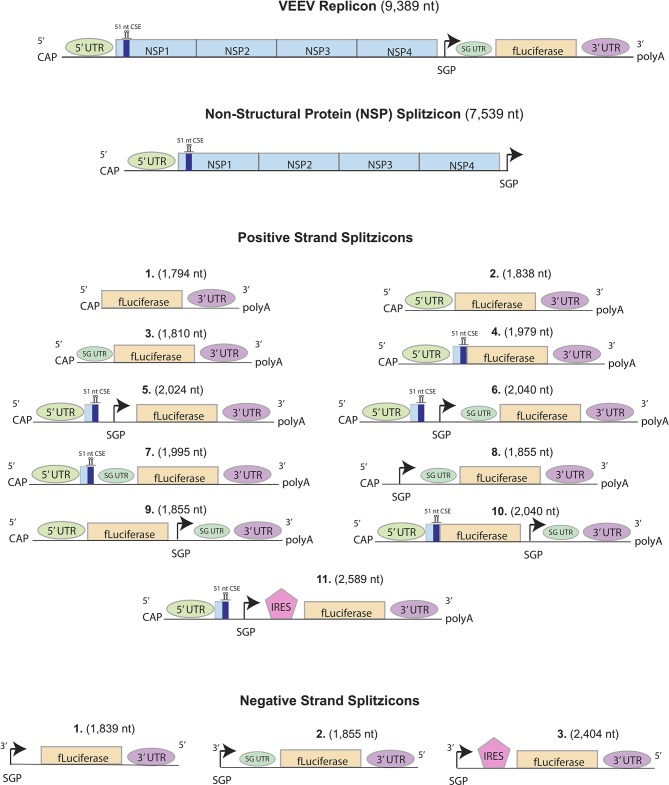
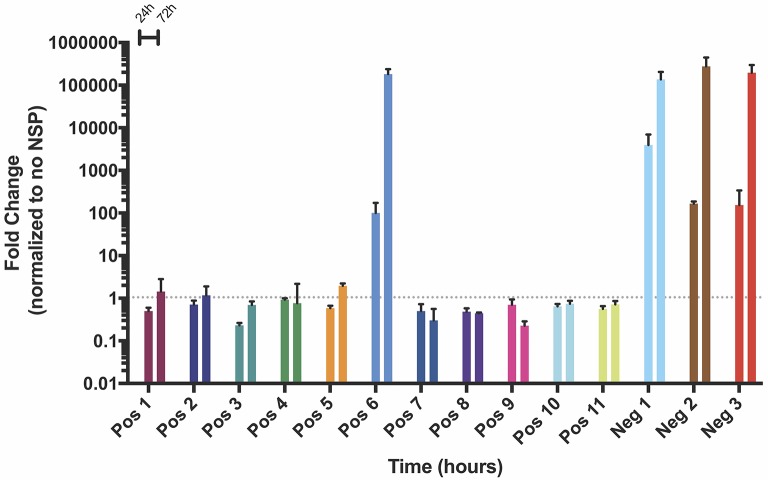
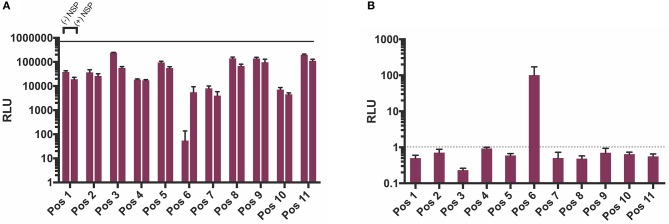
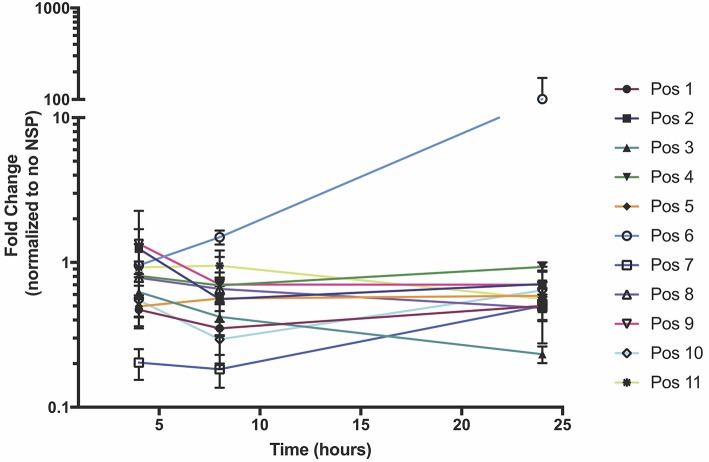
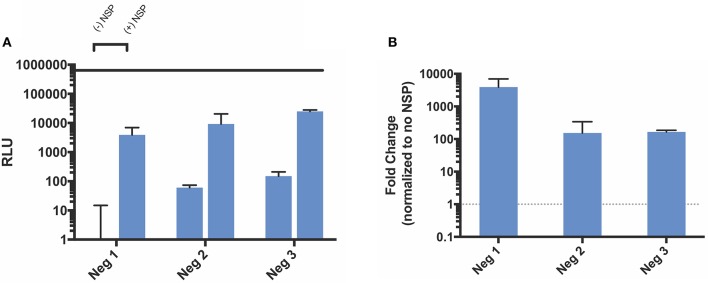
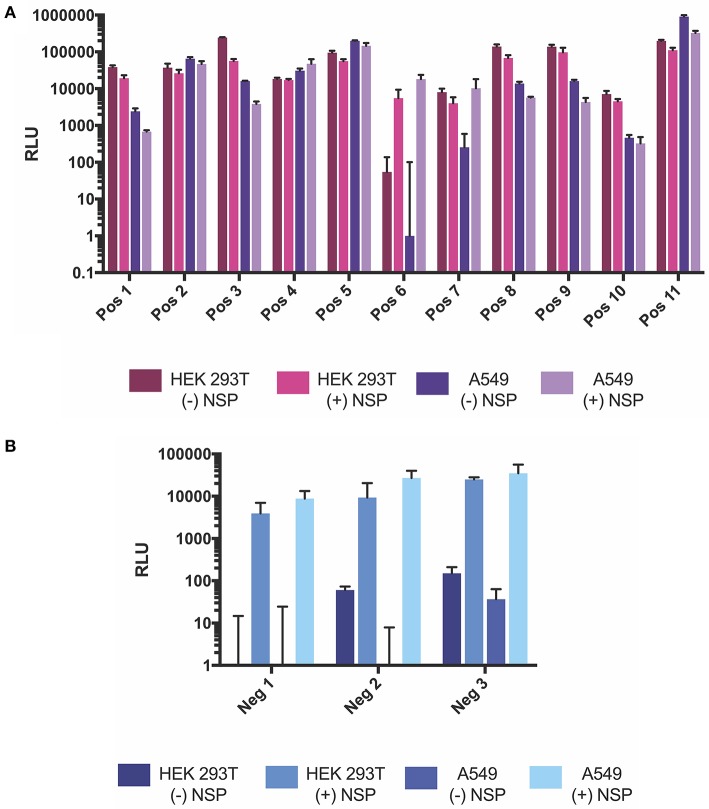
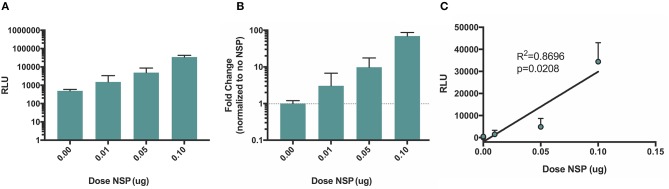
RNA is a promising nucleic acid technology for both vaccines and therapeutics, and replicon RNA has gained traction as a next-generation RNA modality. Replicon RNA self-amplifies using a replicase complex derived from alphaviral non-structural proteins and yields higher protein expression than a similar dose of messenger RNA. Here, we debut RNA splitzicons; a split replicon system wherein the non-structural proteins (NSPs) and the gene of interest are encoded on separate RNA molecules, but still exhibit the self-amplification properties of replicon RNA. We designed both positive and negative strand splitzicons encoding firefly luciferase as a reporter protein to determine which structural components, including the 5' untranslated region (UTR), a 51-nucleotide conserved sequence element (CSE) from the first nonstructural protein, the subgenomic promoter (SGP) and corresponding untranslated region, and an internal ribosomal entry site (IRES) affect amplification. When paired with a NSP construct derived from the whole, wild type replicon, both the positive and negative strand splitzicons were amplified. The combination of the 51nt CSE, subgenomic promoter and untranslated region were imperative for the positive strand splitzicon, while the negative strand was amplified simply with inclusion of the subgenomic promoter. The splitzicons were amplified by NSPs in multiple cell types and show increasing protein expression with increasing doses of NSP. Furthermore, both the positive and negative strand splitzicons continued to amplify over the course of 72 h, up to >100,000-fold. This work demonstrates a system for screening the components required for amplification from the positive and negative strand intermediates of RNA replicons and presents a new approach to RNA replicon technology.
RNA是一种在疫苗和治疗领域都颇具前景的核酸技术,而复制子RNA作为下一代RNA形式已受到广泛关注。复制子RNA利用源自甲病毒非结构蛋白的复制酶复合物进行自我扩增,与相同剂量的信使RNA相比,能产生更高的蛋白质表达。在此,我们首次展示了RNA分裂子;这是一种分裂复制子系统,其中非结构蛋白(NSPs)和感兴趣的基因编码在单独的RNA分子上,但仍表现出复制子RNA的自我扩增特性。我们设计了编码萤火虫荧光素酶作为报告蛋白的正链和负链分裂子,以确定哪些结构成分,包括5'非翻译区(UTR)、来自第一个非结构蛋白的51个核苷酸的保守序列元件(CSE)、亚基因组启动子(SGP)和相应的非翻译区,以及内部核糖体进入位点(IRES)会影响扩增。当与源自完整野生型复制子的NSP构建体配对时,正链和负链分裂子均被扩增。51nt CSE、亚基因组启动子和非翻译区的组合对正链分裂子至关重要,而负链仅在包含亚基因组启动子时被扩增。分裂子在多种细胞类型中被NSPs扩增,并随着NSP剂量的增加而显示出蛋白质表达增加。此外,正链和负链分裂子在72小时内持续扩增,扩增倍数高达>100,000倍。这项工作展示了一种从RNA复制子的正链和负链中间体筛选扩增所需成分的系统,并提出了一种RNA复制子技术的新方法。