Cajigas-Du Ross Christina K, Martinez Shannalee R, Woods-Burnham Leanne, Durán Alfonso M, Roy Sourav, Basu Anamika, Ramirez Joshua A, Ortiz-Hernández Greisha L, Ríos-Colón Leslimar, Chirshev Evgeny, Sanchez-Hernandez Evelyn S, Soto Ubaldo, Greco Celine, Boucheix Claude, Chen Xin, Unternaehrer Juli, Wang Charles, Casiano Carlos A
Center for Health Disparities and Molecular Medicine, Loma Linda University School of Medicine, Loma Linda, CA, USA.
Department of Basic Sciences, Loma Linda University School of Medicine, Loma Linda, CA, USA.
Oncotarget. 2018 Jul 13;9(54):30363-30384. doi: 10.18632/oncotarget.25744.
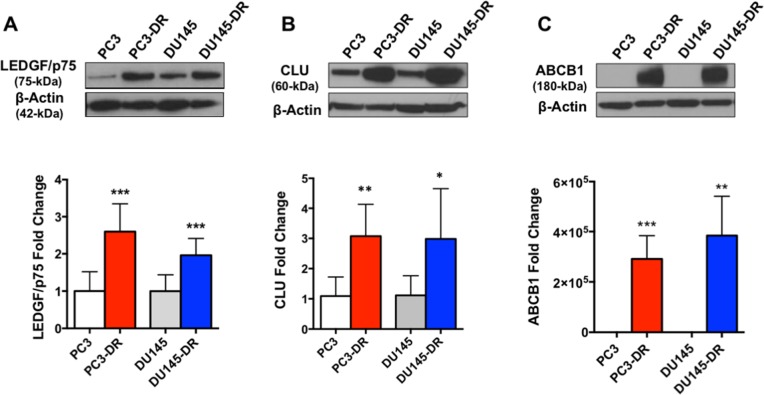
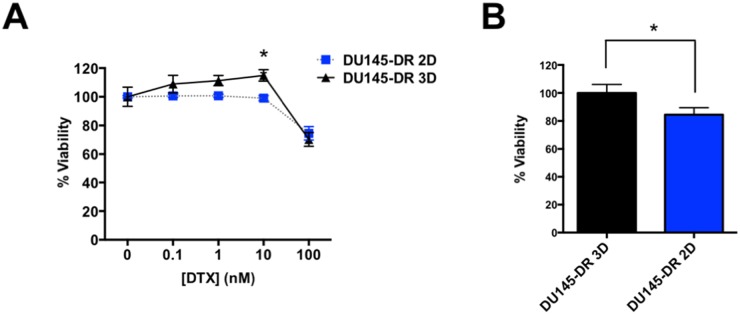
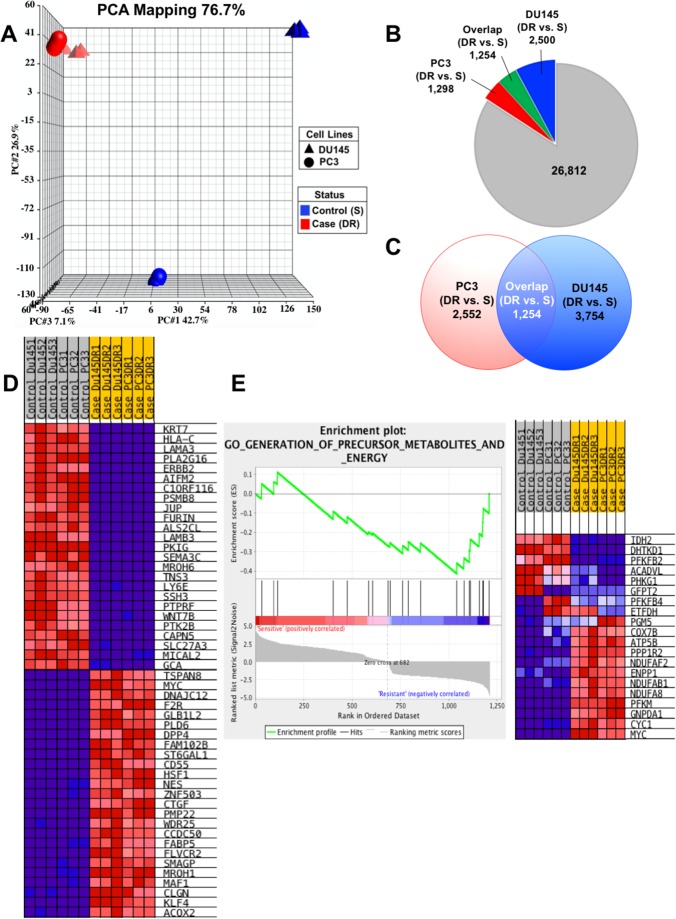
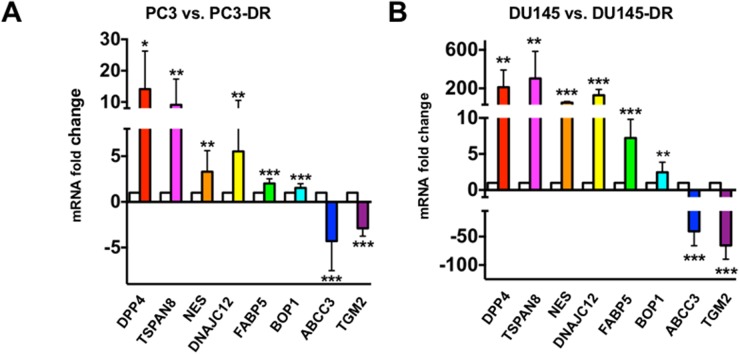
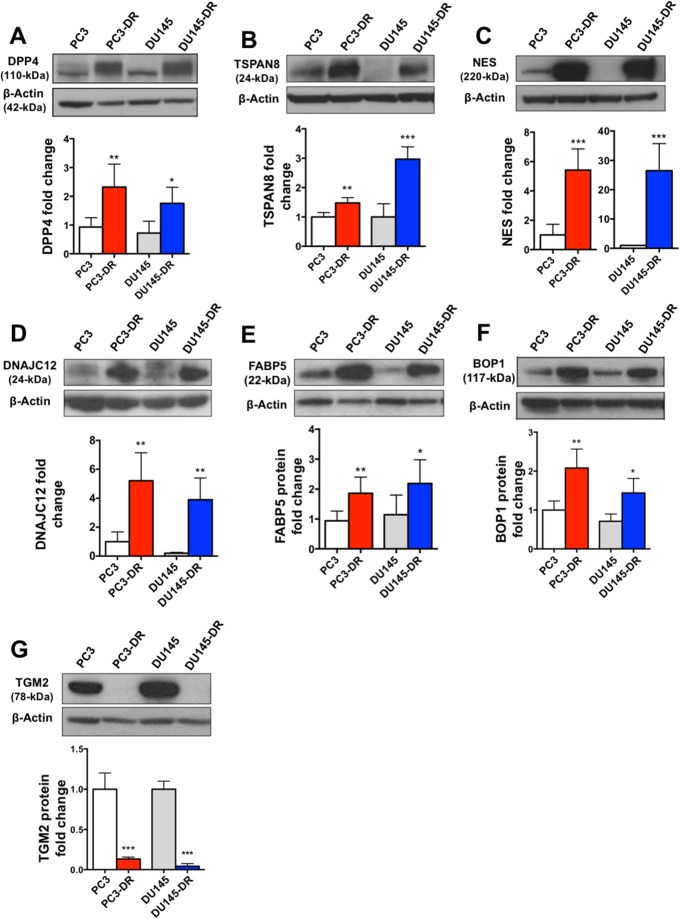
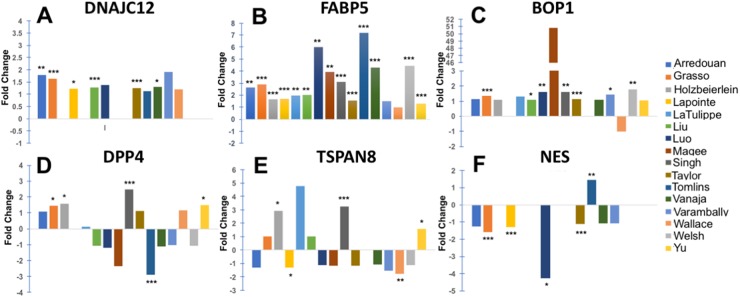
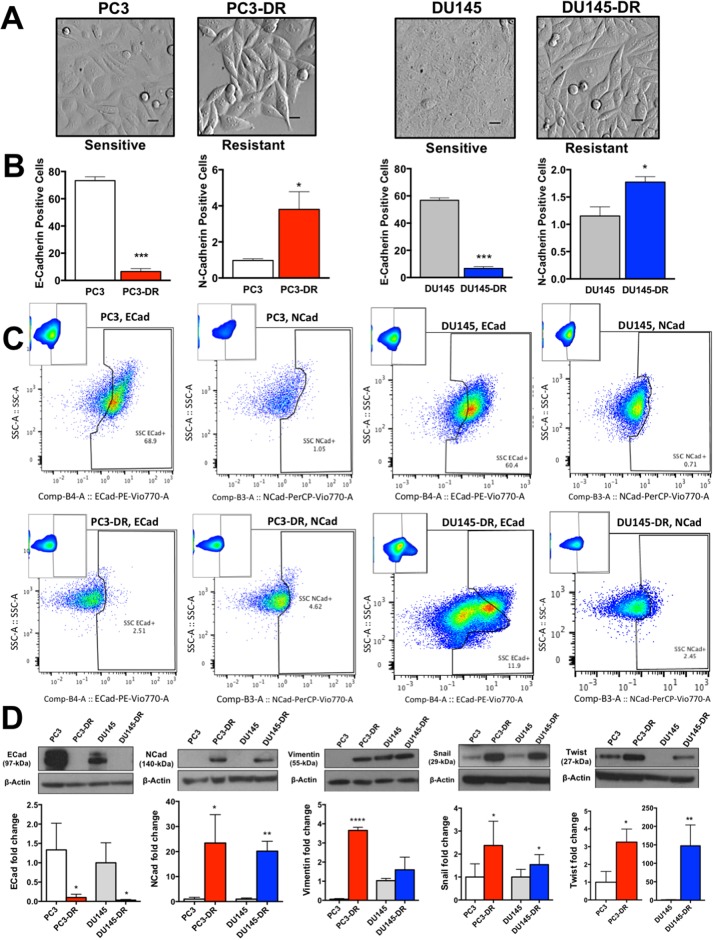
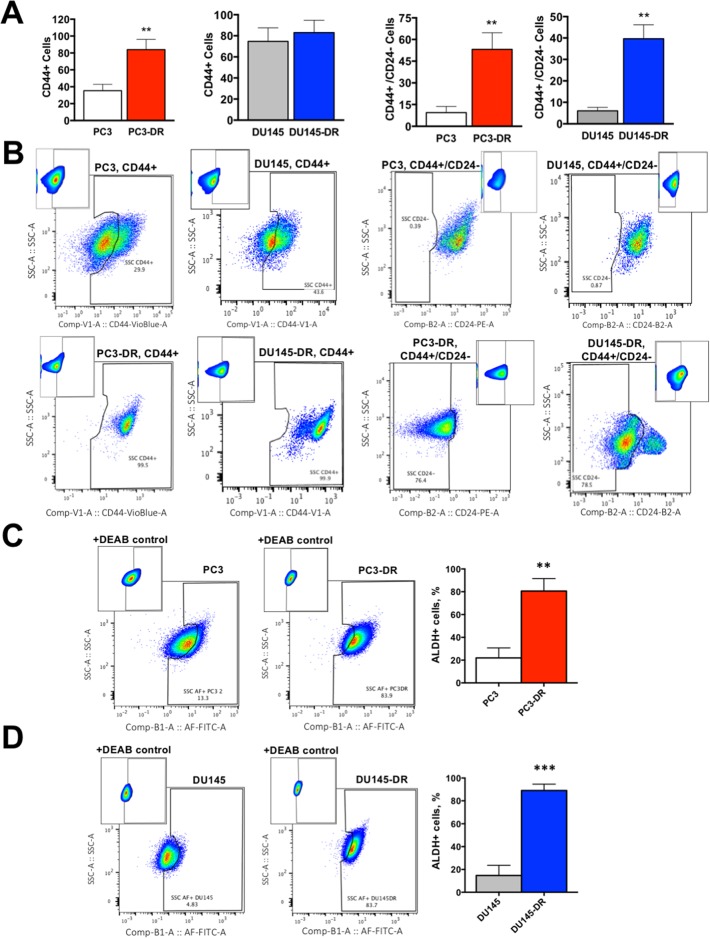
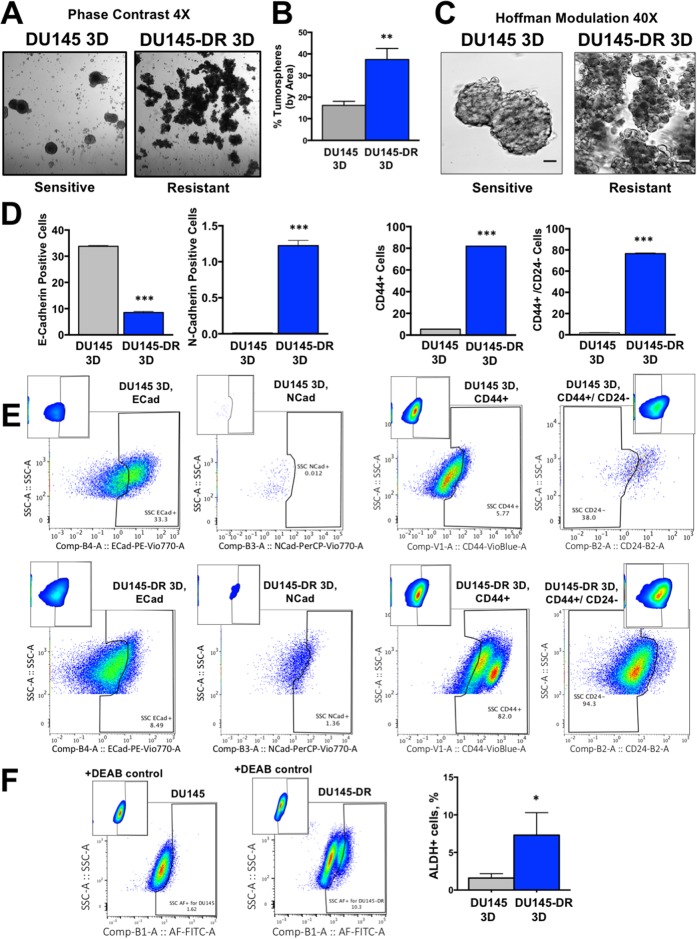
Patients with metastatic castration-resistant prostate cancer (mCRPC) develop resistance to conventional therapies including docetaxel (DTX). Identifying molecular pathways underlying DTX resistance is critical for developing novel combinatorial therapies to prevent or reverse this resistance. To identify transcriptomic signatures associated with acquisition of chemoresistance we profiled gene expression in DTX-sensitive and -resistant mCRPC cells using RNA sequencing (RNA-seq). PC3 and DU145 cells were selected for DTX resistance and this phenotype was validated by immunoblotting using DTX resistance markers (e.g. clusterin, ABCB1/P-gp, and LEDGF/p75). Overlapping genes differentially regulated in the DTX-sensitive and -resistant cells were ranked by Gene Set Enrichment Analysis (GSEA) and validated to correlate transcript with protein expression. GSEA revealed that genes associated with cancer stem cells (CSC) (e.g., ) were highly ranked and comprised 70% of the top 25 genes differentially upregulated in the DTX-resistant cells. Established markers of epithelial-to-mesenchymal transition (EMT) and CSCs were used to evaluate the stemness of adherent DTX-resistant cells (2D cultures) and tumorspheres (3D cultures). Increased formation and frequency of cells expressing CSC markers were detected in DTX-resistant cells. DU145-DR cells showed a 2-fold increase in tumorsphere formation and increased DTX resistance compared to DU145-DR 2D cultures. These results demonstrate the induction of a transcriptomic program associated with stemness in mCRPC cells selected for DTX resistance, and strengthen the emerging body of evidence implicating CSCs in this process. In addition, they provide additional candidate genes and molecular pathways for potential therapeutic targeting to overcome DTX resistance.
转移性去势抵抗性前列腺癌(mCRPC)患者会对包括多西他赛(DTX)在内的传统疗法产生耐药性。确定DTX耐药背后的分子途径对于开发新的联合疗法以预防或逆转这种耐药性至关重要。为了确定与获得化学耐药性相关的转录组特征,我们使用RNA测序(RNA-seq)分析了DTX敏感和耐药的mCRPC细胞中的基因表达。选择PC3和DU145细胞诱导其产生DTX耐药性,并通过使用DTX耐药标志物(如clusterin、ABCB1/P-gp和LEDGF/p75)进行免疫印迹来验证这种表型。通过基因集富集分析(GSEA)对DTX敏感和耐药细胞中差异调节的重叠基因进行排名,并验证转录本与蛋白质表达的相关性。GSEA显示,与癌症干细胞(CSC)相关的基因(如 )排名靠前,并且在DTX耐药细胞中差异上调的前25个基因中占70%。使用已确立的上皮-间质转化(EMT)和CSC标志物来评估贴壁的DTX耐药细胞(二维培养)和肿瘤球(三维培养)的干性。在DTX耐药细胞中检测到表达CSC标志物的细胞形成增加且频率升高。与DU145-DR二维培养物相比,DU145-DR细胞的肿瘤球形成增加了2倍,并且DTX耐药性增强。这些结果证明在选择用于DTX耐药的mCRPC细胞中诱导了与干性相关的转录组程序,并加强了越来越多的证据表明CSC参与了这一过程。此外,它们为潜在的治疗靶点提供了额外的候选基因和分子途径,以克服DTX耐药性。