Center for Emerging Infectious Diseases, Wuhan Institute of Virology, Chinese Academy of Sciences, Wuhan, Hubei, China.
University of Chinese Academy of Sciences, Beijing, China.
J Virol. 2018 Oct 12;92(21). doi: 10.1128/JVI.00443-18. Print 2018 Nov 1.
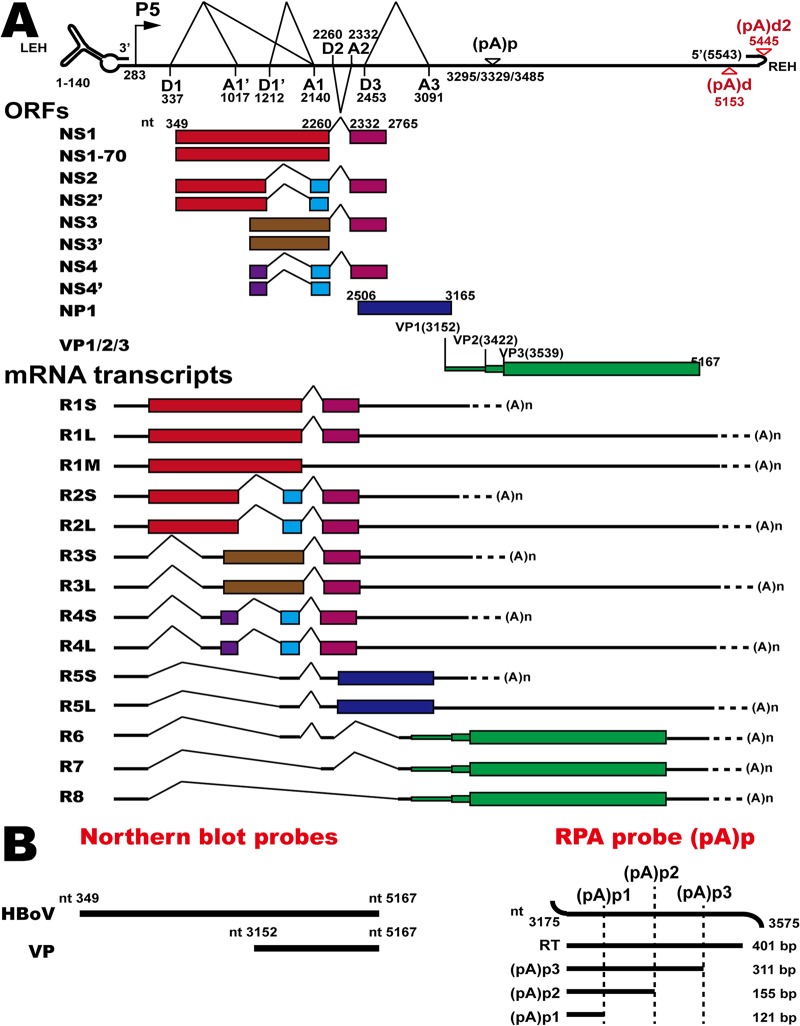
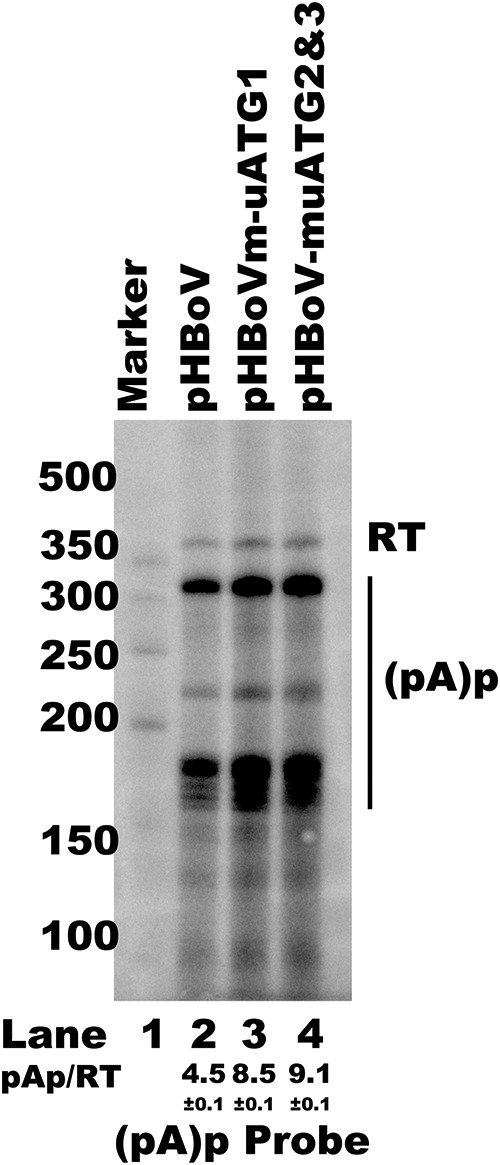
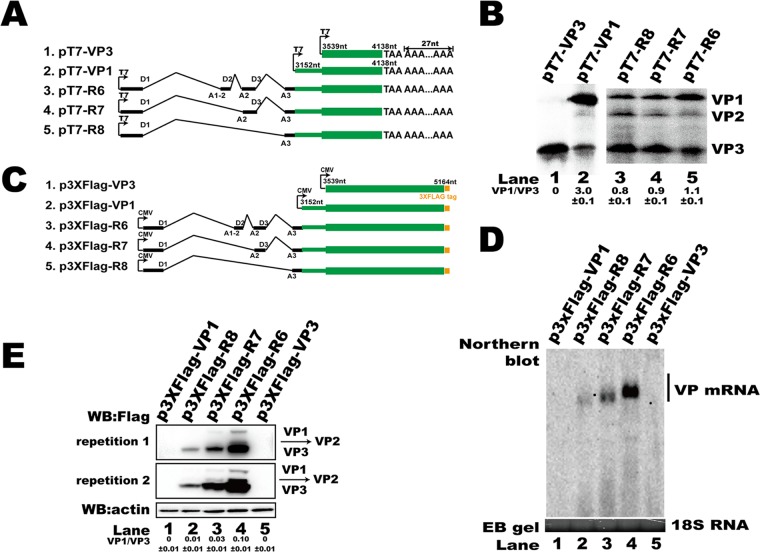
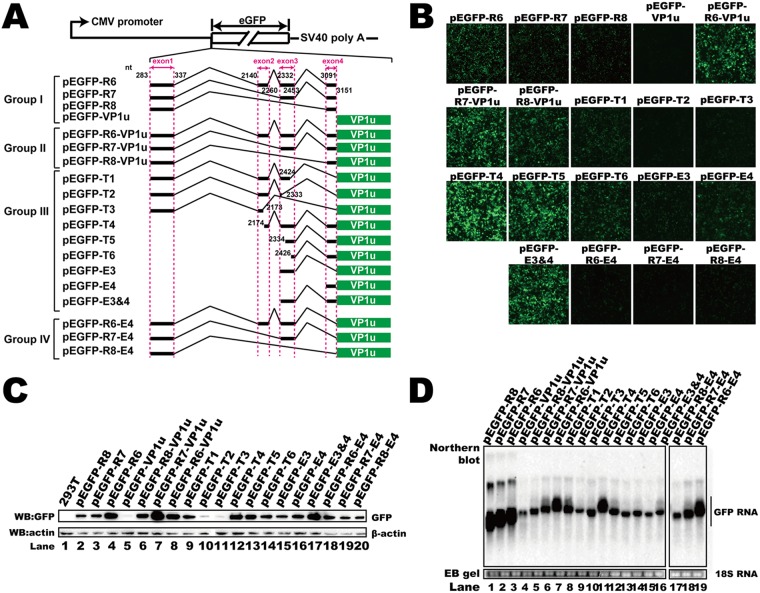
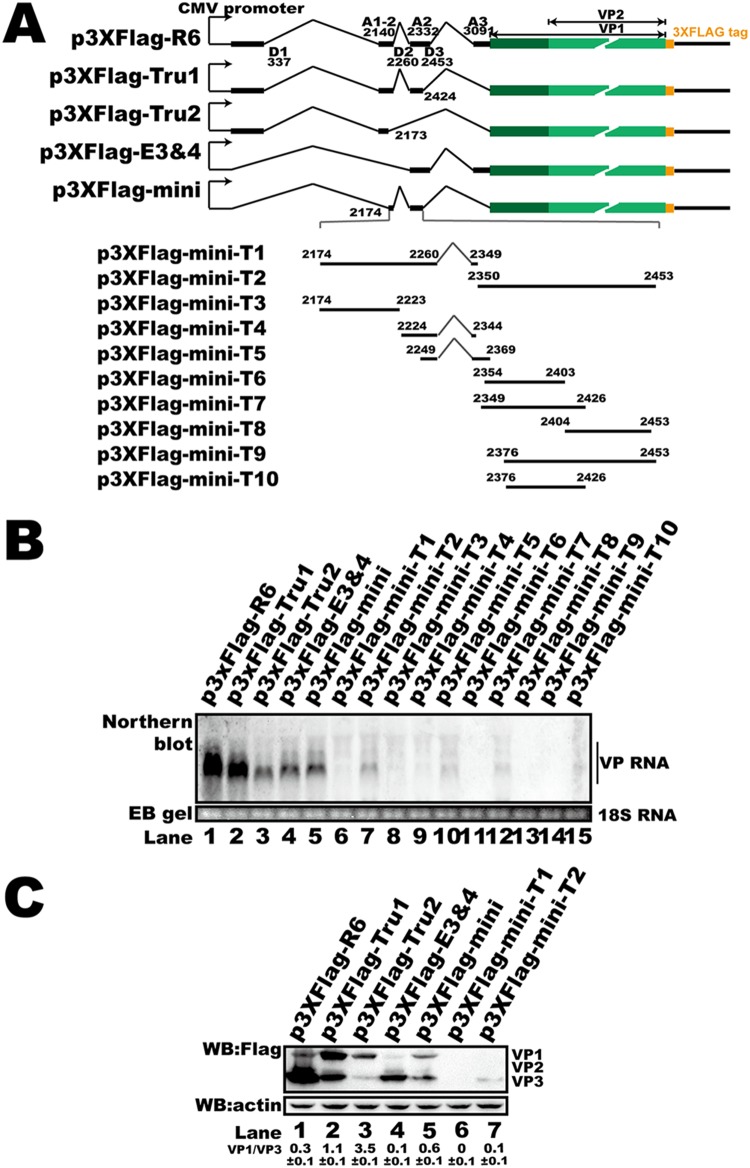
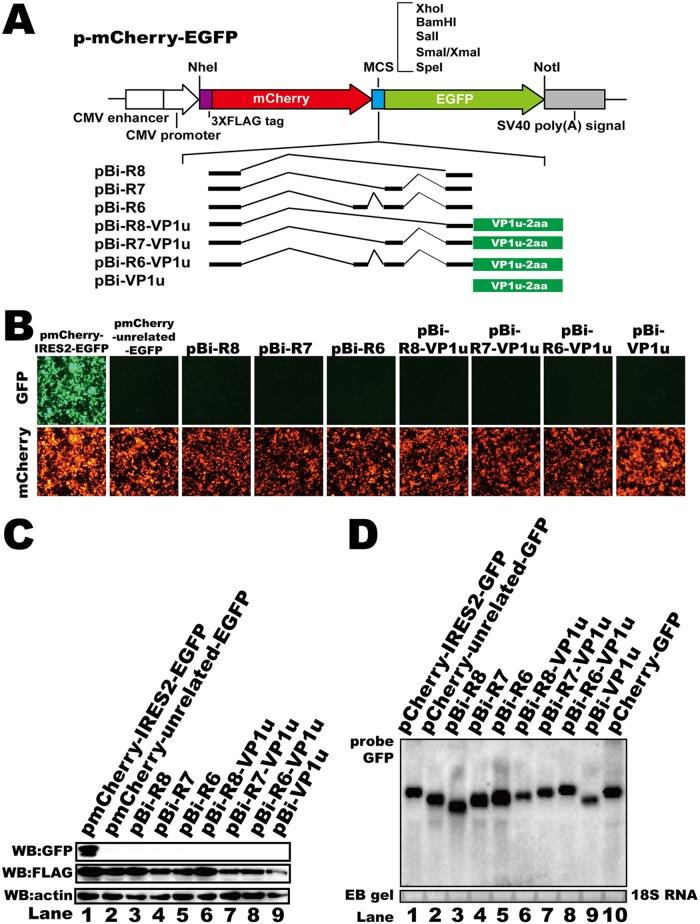
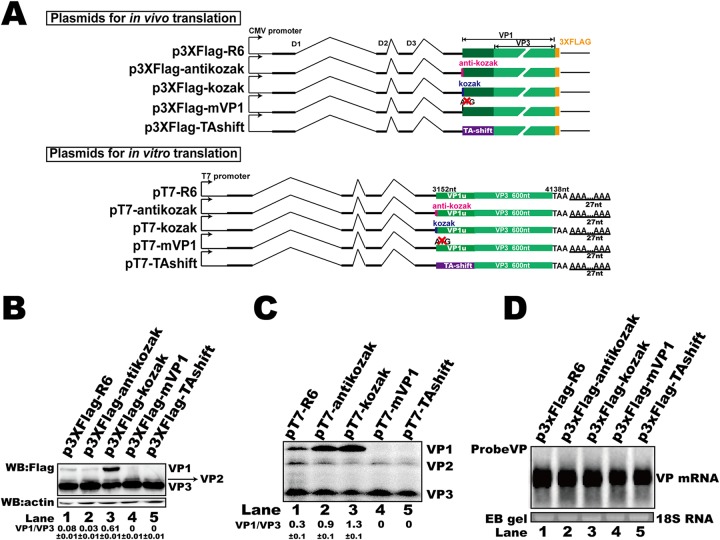
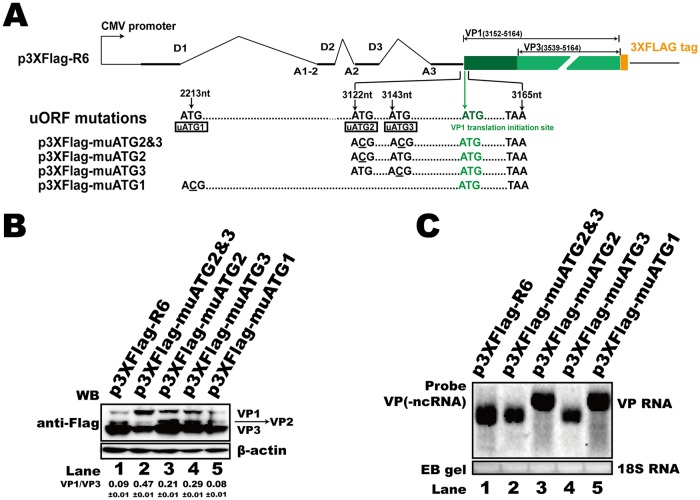
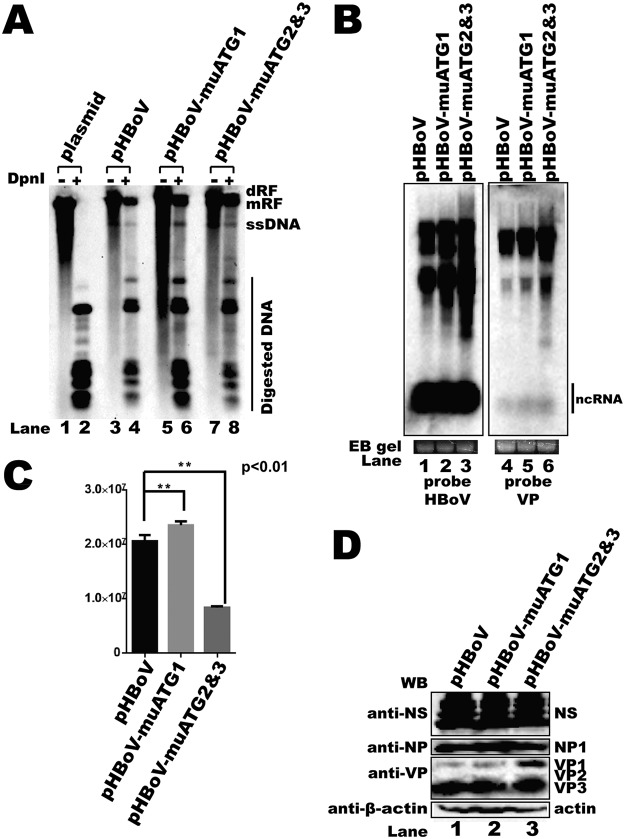
The capsid mRNA transcripts of human bocavirus 1 (HBoV1) can be generated by alternative splicing from the mRNA precursor transcribed from the P5 promoter. However, the alternative translation regulation mechanism of capsid mRNA transcripts is largely unknown. Here we report that the polycistronic capsid mRNA transcripts encode VP1, VP2, and VP3 and The 5' untranslated regions (UTRs) of capsid mRNA transcripts, which consist of exons, affected not only the abundance of mRNA but also the translation pattern of capsid proteins. Further study showed that exons 2 and 3 were critical for the abundance of mRNA, while exon 4 regulated capsid translation. Alternative translation of capsid mRNA involved a leaky scan mechanism. Mutating the upstream ATGs (uATGs) located in exon 4 resulted in more mRNA transcripts polyadenylated at the proximal polyadenylation [(pA)p] site, leading to increased capsid mRNA transcripts. Moreover, uATG mutations induced more VP1 expression, while VP3 expression was decreased, which resulted in less progeny virus production. Our data show that the 5' UTR of HBoV1 plays a critical role in the modulation of mRNA abundance, alternative RNA processing, alternative translation, and progeny virus production. Alternative translation of HBoV1 capsid mRNAs is vital for the viral life cycle, as capsid proteins perform essential functions in genome packaging, assembly, and antigenicity. The 5' untranslated regions (UTRs) of capsid mRNAs are generated by alternative splicing, and they contain different exons. Our study shows that the 5' UTR not only modulates mRNA abundance but also regulates capsid expression. Two upstream ATGs (uATGs) that were upstream of the capsid translation initiation site in the 5' UTR were found to affect viral capsid mRNA polyadenylation, alternative translation, and progeny virus production. The results reveal that uATGs play an important role in the viral life cycle and represent a new layer to regulate HBoV1 RNA processing, which could be a target for gene therapy.
人博卡病毒 1(HBoV1)的衣壳 mRNA 转录物可通过从 P5 启动子转录的 mRNA 前体的选择性剪接产生。然而,衣壳 mRNA 转录物的选择性翻译调控机制在很大程度上尚不清楚。在这里,我们报告多顺反子衣壳 mRNA 转录物编码 VP1、VP2 和 VP3,并且衣壳 mRNA 转录物的 5'非翻译区(UTR)由外显子组成,不仅影响 mRNA 的丰度,还影响衣壳蛋白的翻译模式。进一步的研究表明,外显子 2 和 3 对 mRNA 的丰度至关重要,而外显子 4 调节衣壳翻译。衣壳 mRNA 的选择性翻译涉及一个渗漏扫描机制。突变位于外显子 4 中的上游 ATG(uATG)导致更多的 mRNA 转录物在近端聚腺苷酸化 [(pA)p] 位点聚腺苷酸化,从而导致衣壳 mRNA 转录物增加。此外,uATG 突变诱导更多的 VP1 表达,而 VP3 表达减少,导致产生的子代病毒减少。我们的数据表明,HBoV1 的 5'UTR 在调节 mRNA 丰度、选择性 RNA 加工、选择性翻译和子代病毒产生中起着关键作用。HBoV1 衣壳 mRNA 的选择性翻译对于病毒生命周期至关重要,因为衣壳蛋白在基因组包装、组装和抗原性方面发挥着重要作用。衣壳 mRNAs 的 5'UTR 是通过选择性剪接产生的,它们包含不同的外显子。我们的研究表明,5'UTR 不仅调节 mRNA 的丰度,还调节衣壳的表达。在 5'UTR 中位于衣壳翻译起始位点上游的两个上游 ATG(uATG)被发现影响病毒衣壳 mRNA 的多腺苷酸化、选择性翻译和子代病毒的产生。研究结果表明 uATG 在病毒生命周期中发挥着重要作用,代表了一种调节 HBoV1 RNA 加工的新层次,这可能成为基因治疗的靶点。