Manchester Collaborative Centre for Inflammation Research, Faculty of Biology, Medicine and Health, University of Manchester, Manchester M13 9NT, United Kingdom.
Department of Applied Physics, Science for Life Laboratory, KTH Royal Institute of Technology, Solna, SE-106 91 Stockholm, Sweden.
J Immunol. 2018 Oct 1;201(7):2028-2041. doi: 10.4049/jimmunol.1800475. Epub 2018 Aug 17.
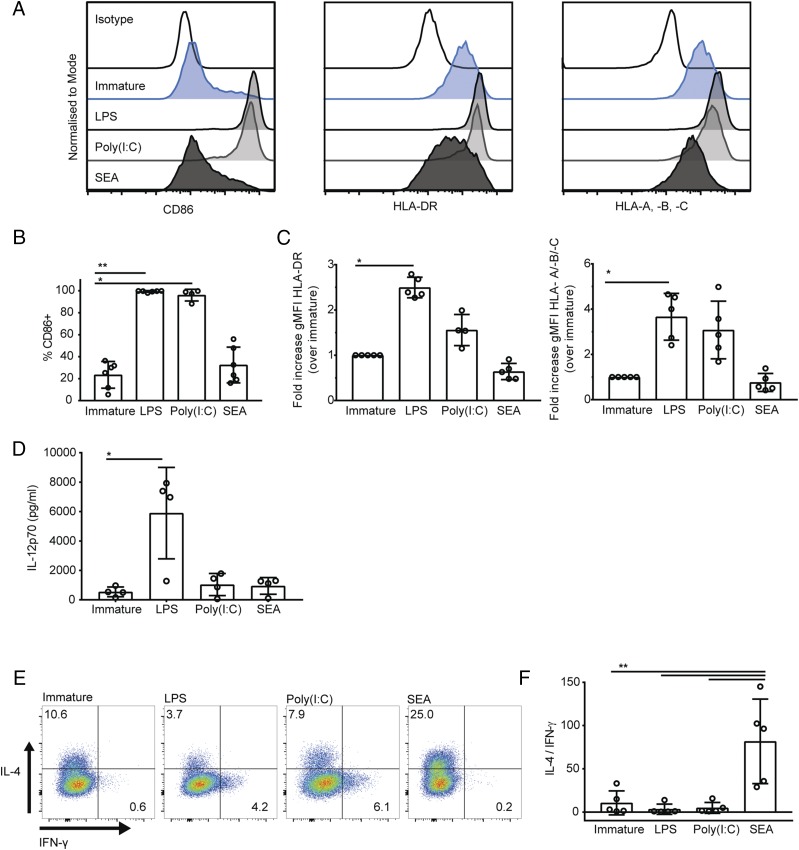
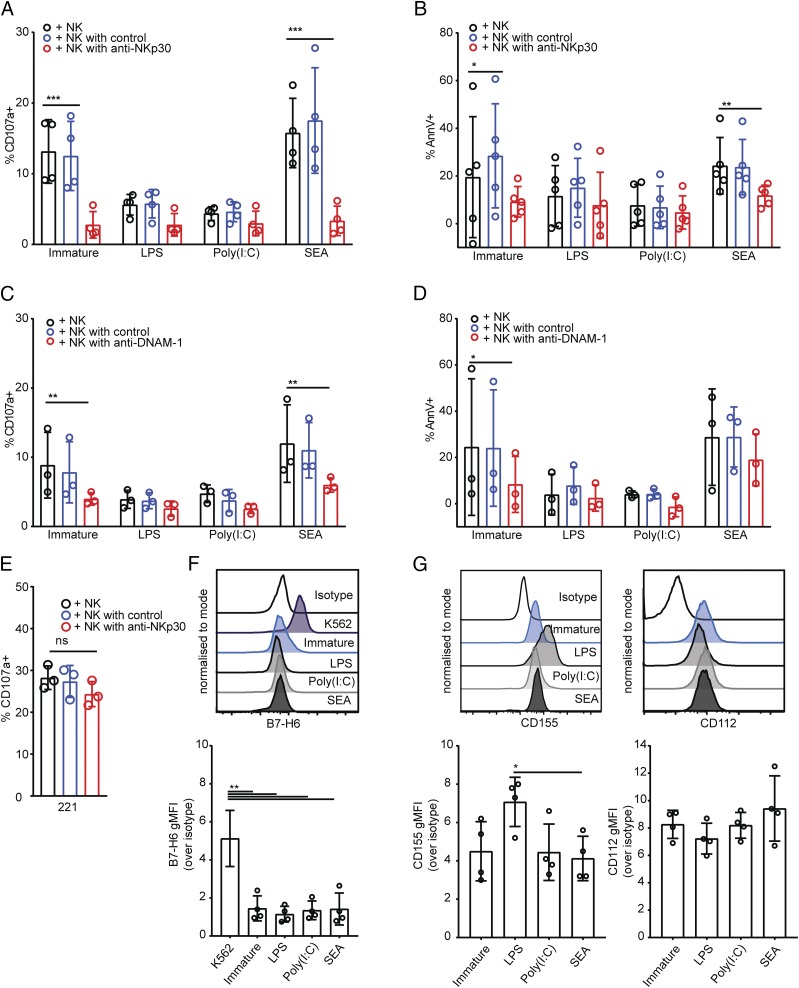
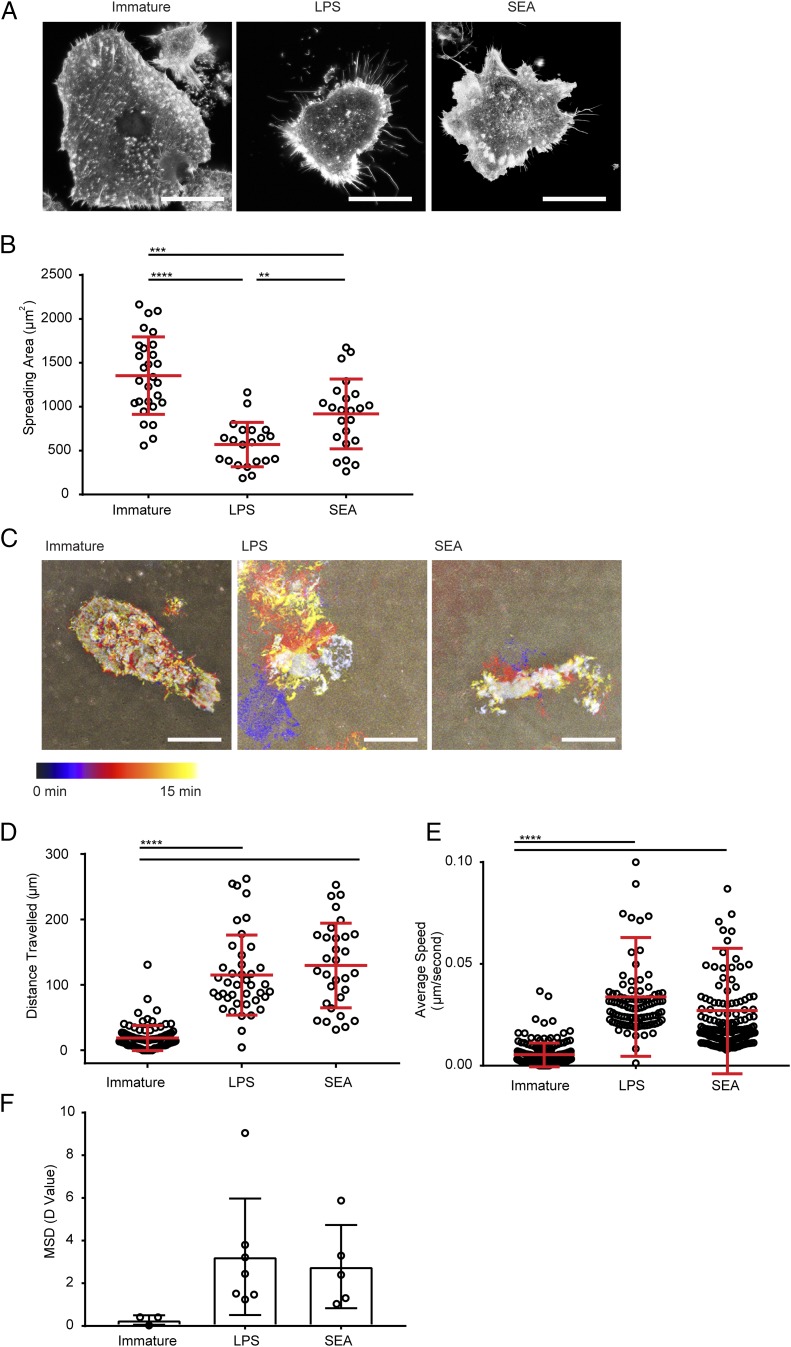
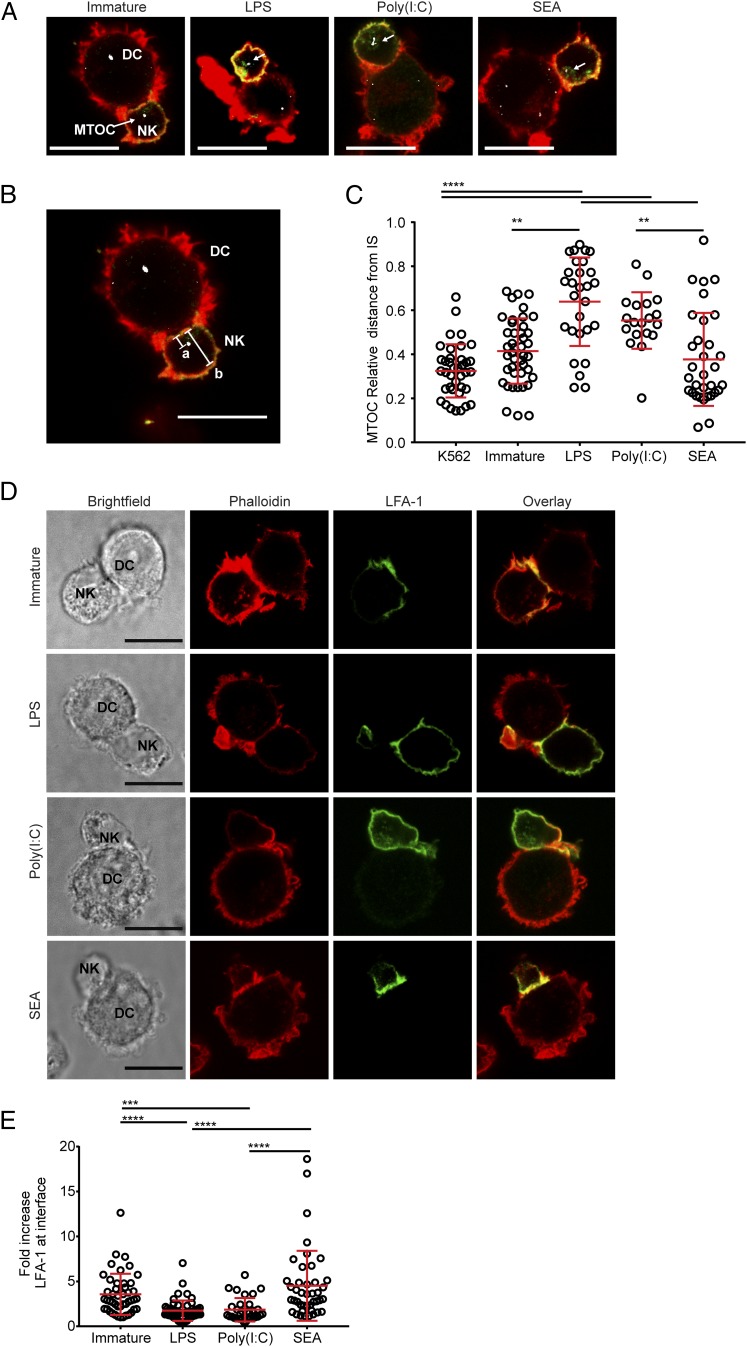
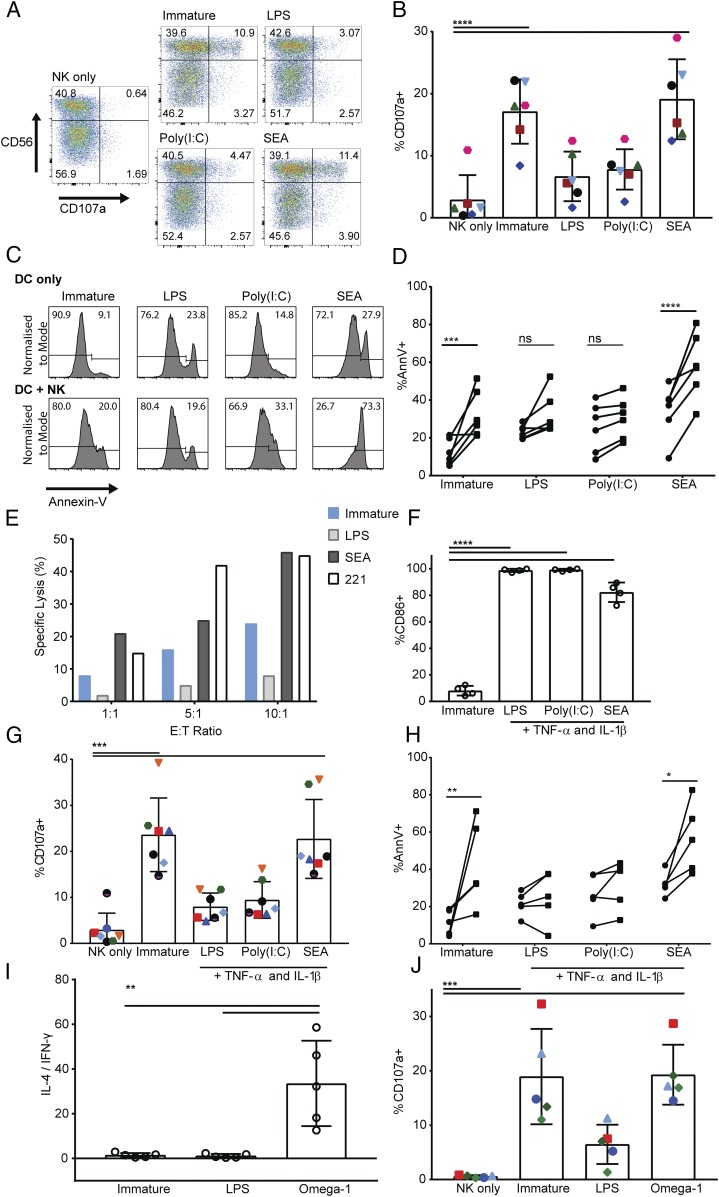
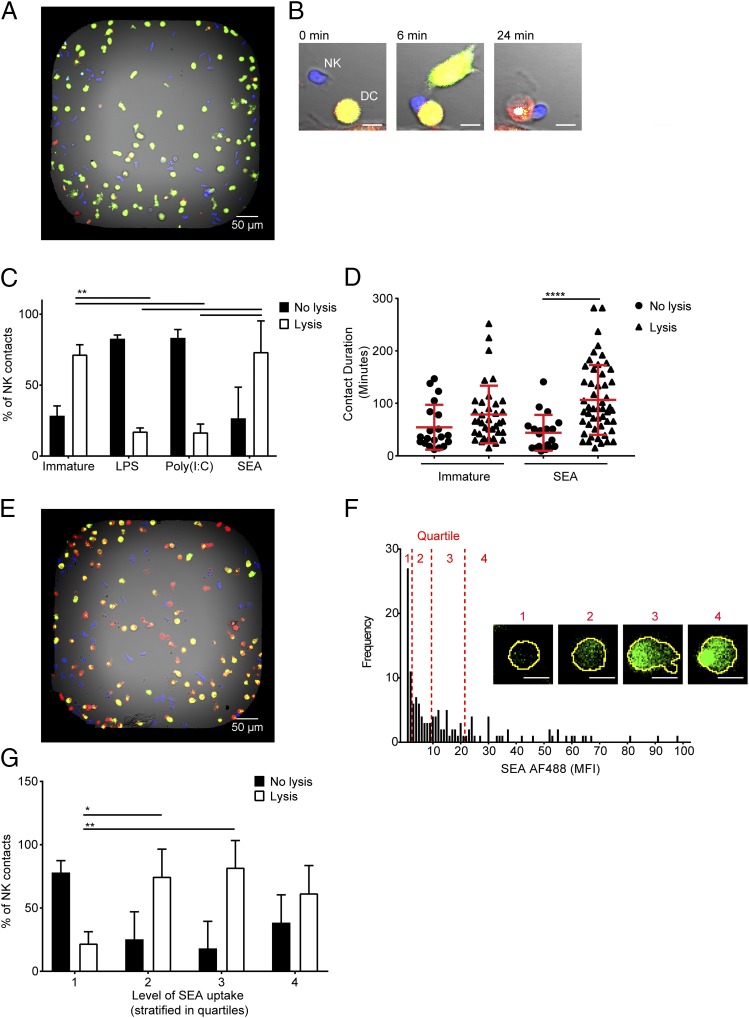
Cross-talk between NK cells and dendritic cells (DCs) is important in Th1 immune responses, including antitumor immunity and responses to infections. DCs also play a crucial role in polarizing Th2 immunity, but the impact of NK cell-DC interactions in this context remains unknown. In this study, we stimulated human monocyte-derived DCs in vitro with different pathogen-associated molecules: LPS or polyinosinic-polycytidylic acid, which polarize a Th1 response, or soluble egg Ag from the helminth worm , a potent Th2-inducing Ag. Th2-polarizing DCs were functionally distinguishable from Th1-polarizing DCs, and both showed distinct morphology and dynamics from immature DCs. We then assessed the outcome of autologous NK cells interacting with these differently stimulated DCs. Confocal microscopy showed polarization of the NK cell microtubule organizing center and accumulation of LFA-1 at contacts between NK cells and immature or Th2-polarizing DCs but not Th1-polarizing DCs, indicative of the assembly of an activating immune synapse. Autologous NK cells lysed immature DCs but not DCs treated with LPS or polyinosinic-polycytidylic acid as reported previously. In this study, we demonstrated that NK cells also degranulated in the presence of Th2-polarizing DCs. Moreover, time-lapse live-cell microscopy showed that DCs that had internalized fluorescently labeled soluble egg Ag were efficiently lysed. Ab blockade of NK cell-activating receptors NKp30 or DNAM-1 abrogated NK cell lysis of Th2-polarizing DCs. Thus, these data indicate a previously unrecognized role of NK cell cytotoxicity and NK cell-activating receptors NKp30 and DNAM-1 in restricting the pool of DCs involved in Th2 immune responses.
NK 细胞与树突状细胞(DC)之间的串扰对于 Th1 免疫反应(包括抗肿瘤免疫和感染反应)很重要。DC 还在极化 Th2 免疫中发挥关键作用,但 NK 细胞-DC 相互作用在这种情况下的影响尚不清楚。在这项研究中,我们用不同的病原体相关分子刺激体外培养的人单核细胞来源的 DC:脂多糖或聚肌苷酸聚胞苷酸,它们诱导 Th1 反应,或从蠕虫寄生虫的可溶性卵抗原,一种有效的 Th2 诱导抗原。Th2 极化的 DC 与 Th1 极化的 DC 在功能上有区别,并且与未成熟的 DC 相比,它们的形态和动力学都有明显的区别。然后,我们评估了自体 NK 细胞与这些不同刺激的 DC 相互作用的结果。共聚焦显微镜显示 NK 细胞微管组织中心的极化和 LFA-1 在 NK 细胞与未成熟或 Th2 极化的 DC 之间的接触处聚集,但不在 Th1 极化的 DC 之间聚集,表明激活免疫突触的组装。如前所述,自体 NK 细胞溶解未成熟的 DC,但不溶解用 LPS 或聚肌苷酸聚胞苷酸处理的 DC。在这项研究中,我们证明了 NK 细胞在 Th2 极化的 DC 存在下也脱颗粒。此外,延时活细胞显微镜显示,已内化荧光标记的可溶性卵抗原的 DC 被有效地溶解。NK 细胞激活受体 NKp30 或 DNAM-1 的 Ab 阻断消除了 NK 细胞对 Th2 极化的 DC 的溶解。因此,这些数据表明 NK 细胞细胞毒性和 NK 细胞激活受体 NKp30 和 DNAM-1 在限制参与 Th2 免疫反应的 DC 池方面具有以前未被认识到的作用。