Immunobiology Laboratory, The Francis Crick Institute, 1 Midland Road, London NW1 1AT, UK.
Cancer Inflammation and Immunity Group, CRUK Manchester Institute, The University of Manchester, Manchester M20 4BX, UK.
Cell. 2018 Feb 22;172(5):1022-1037.e14. doi: 10.1016/j.cell.2018.01.004. Epub 2018 Feb 8.
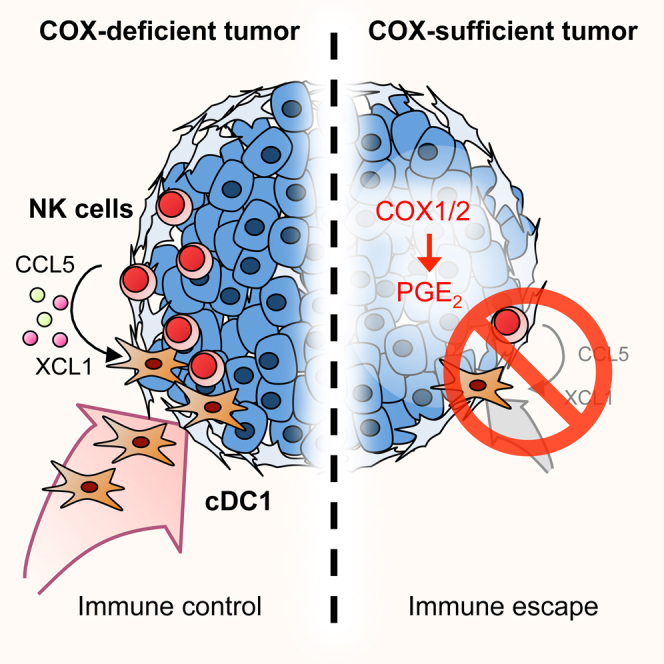
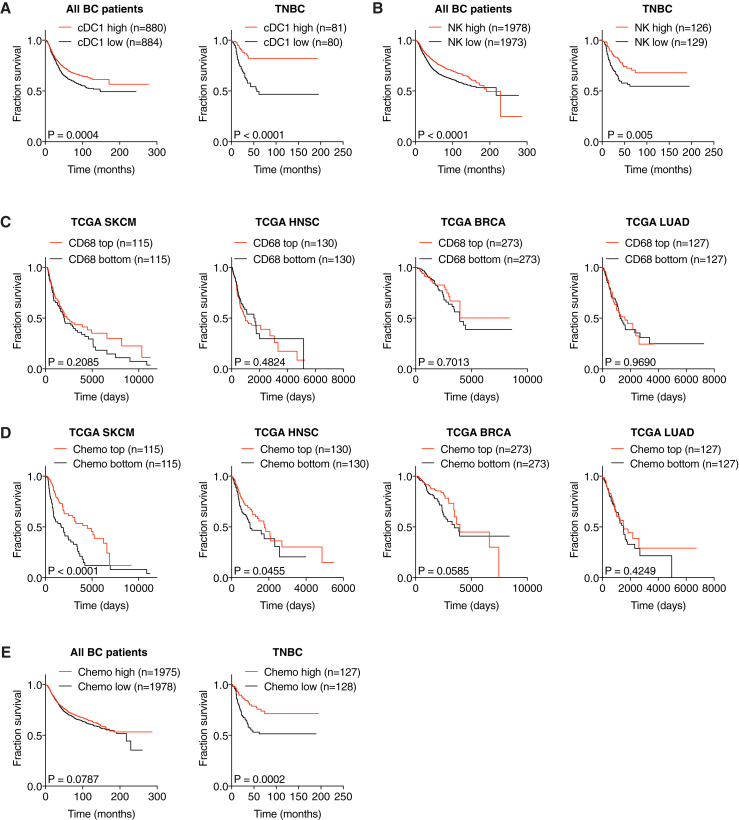
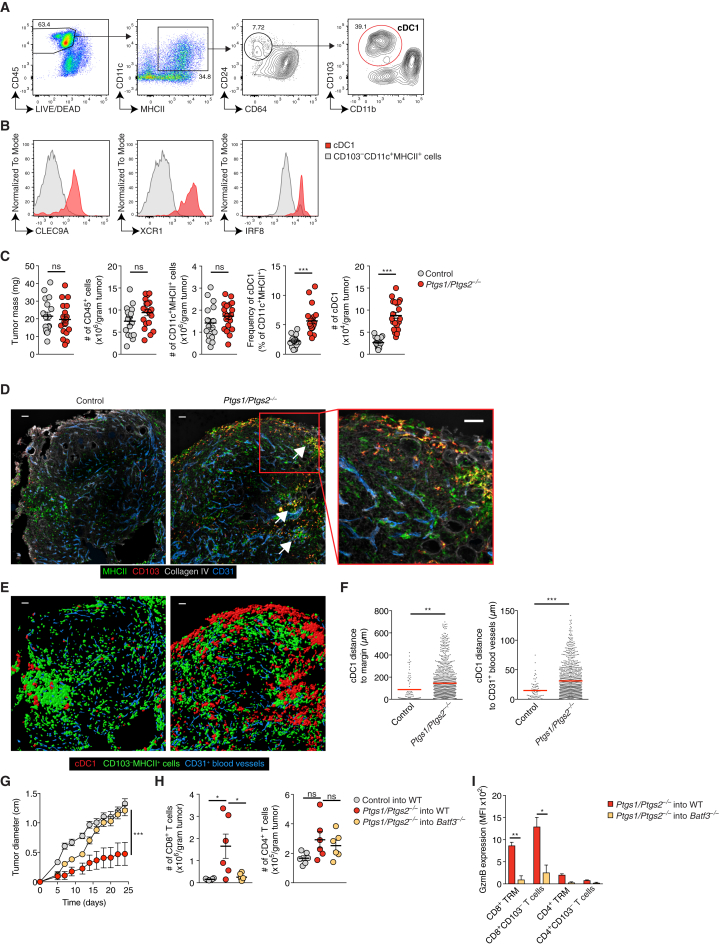
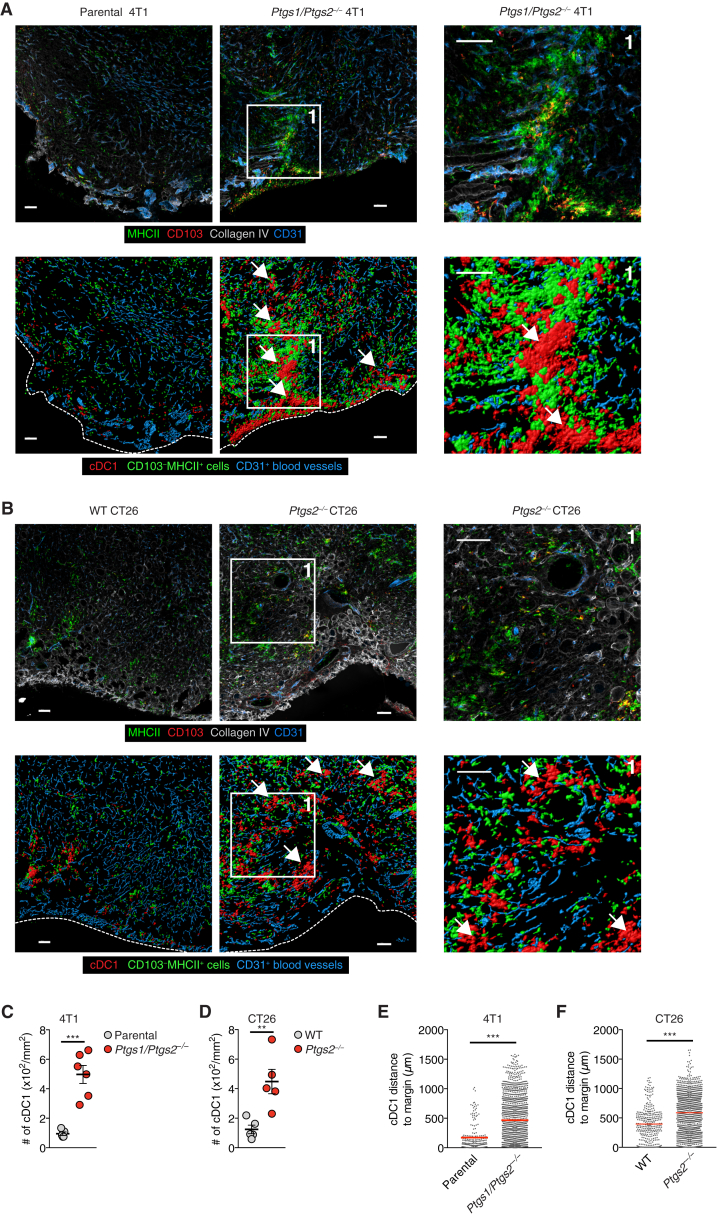
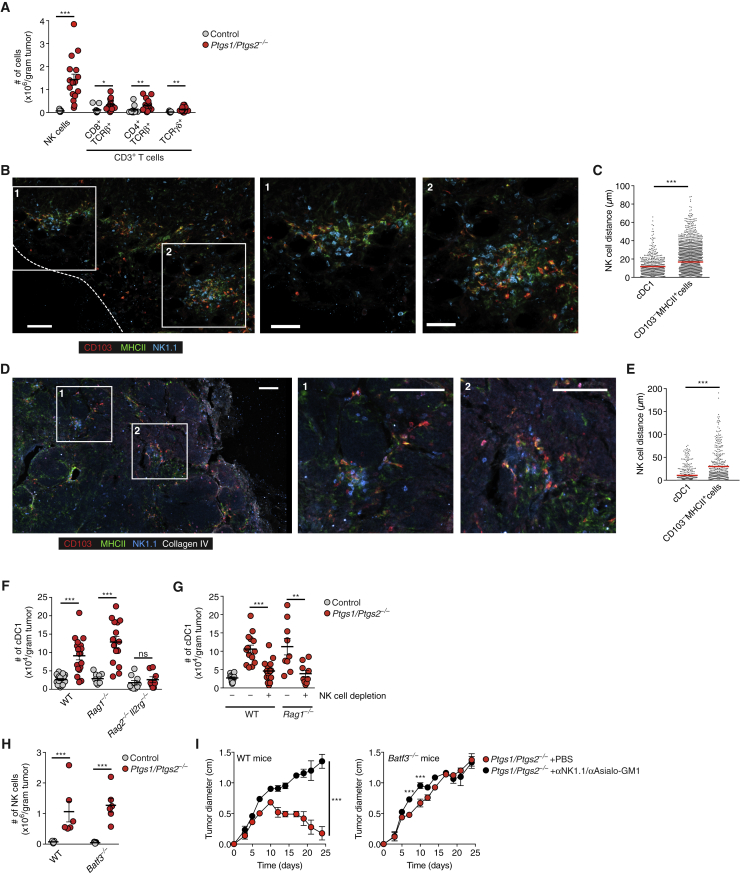
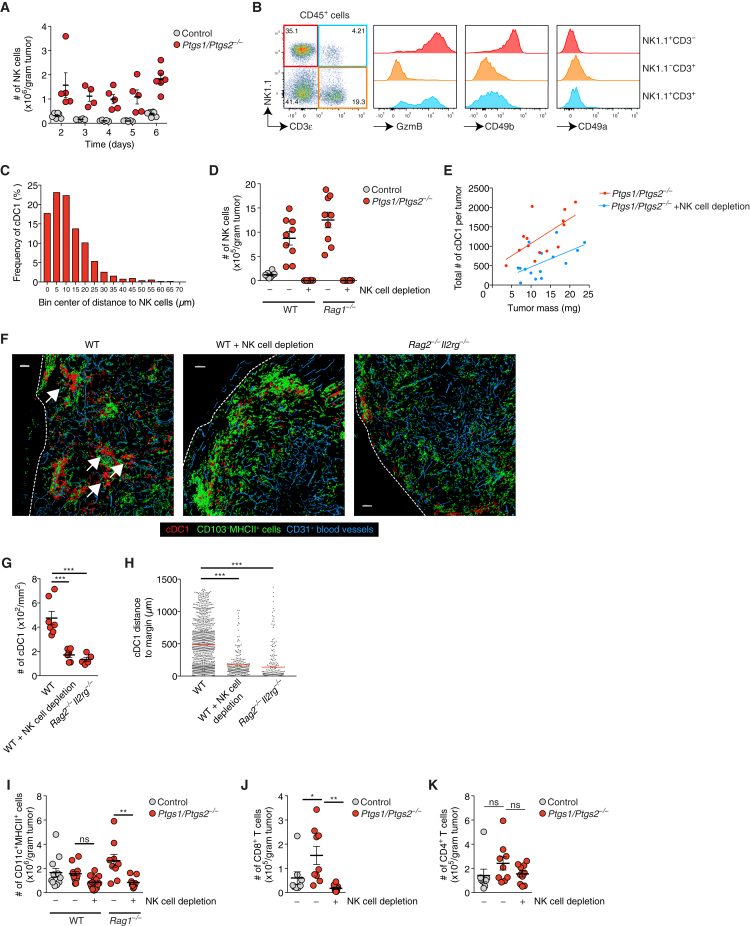
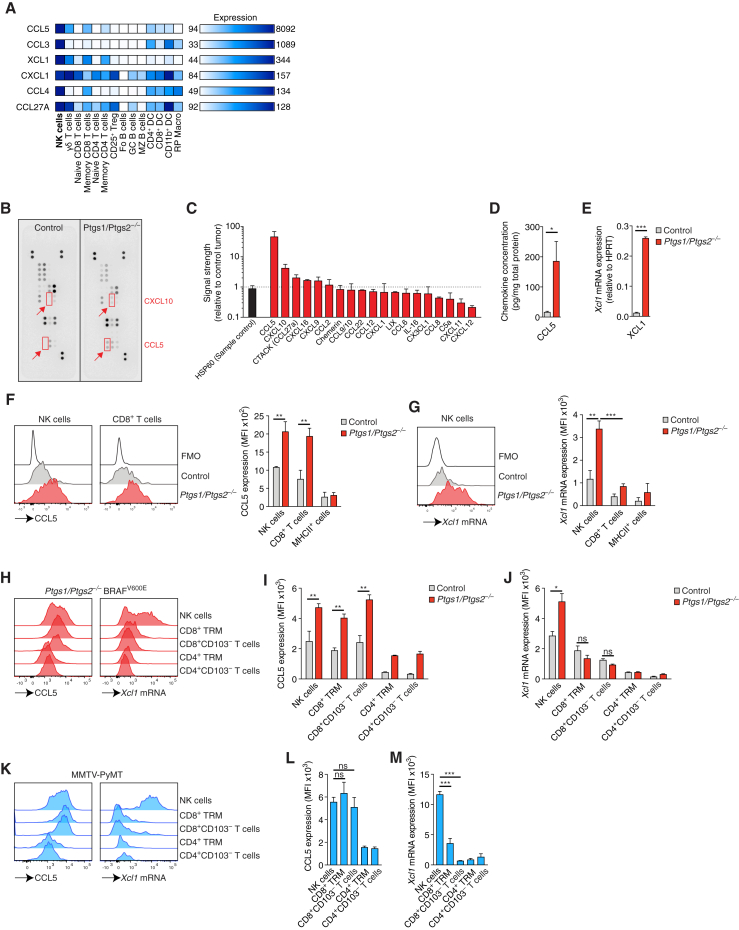
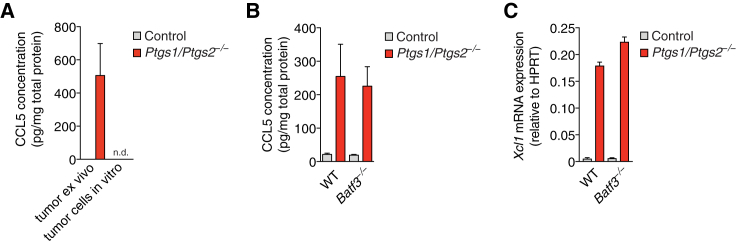
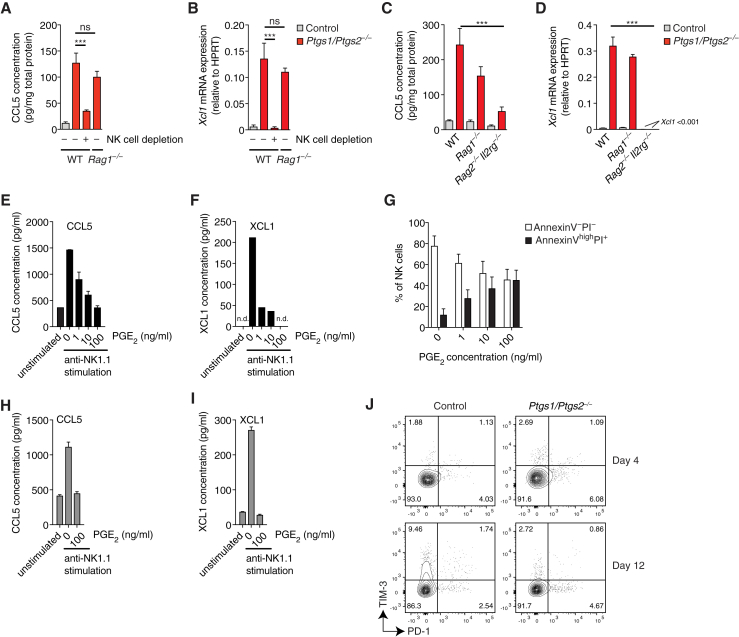
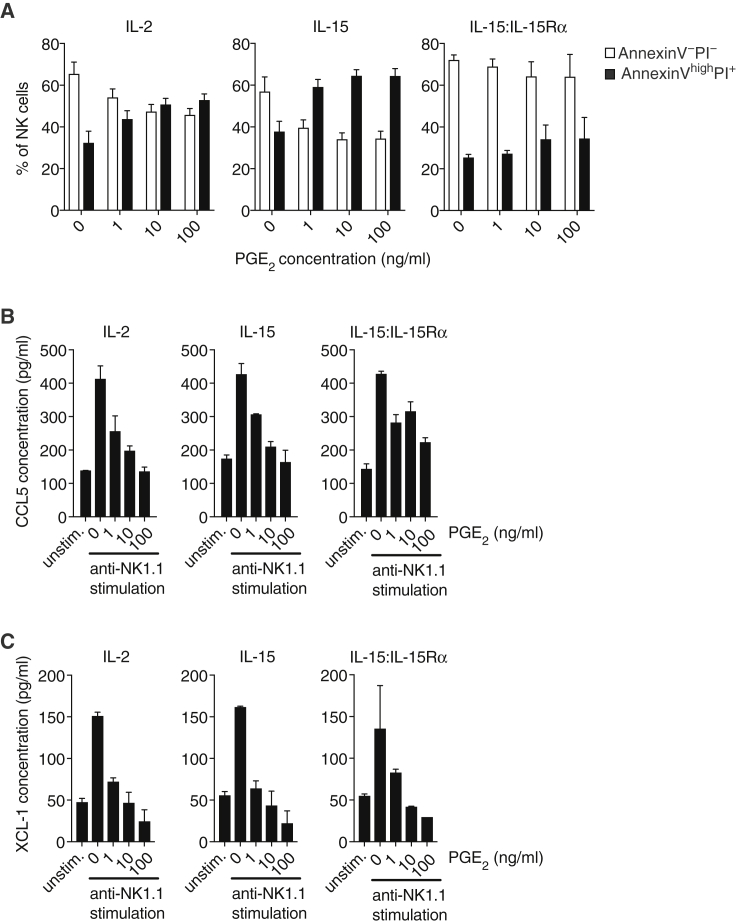
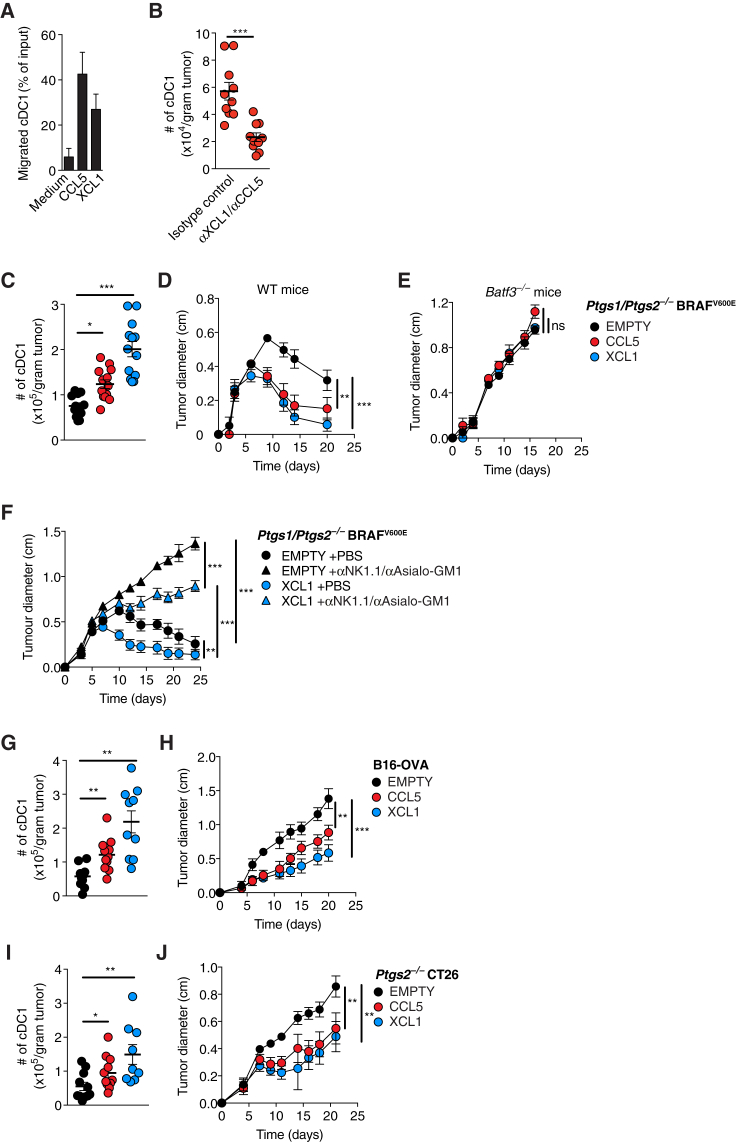
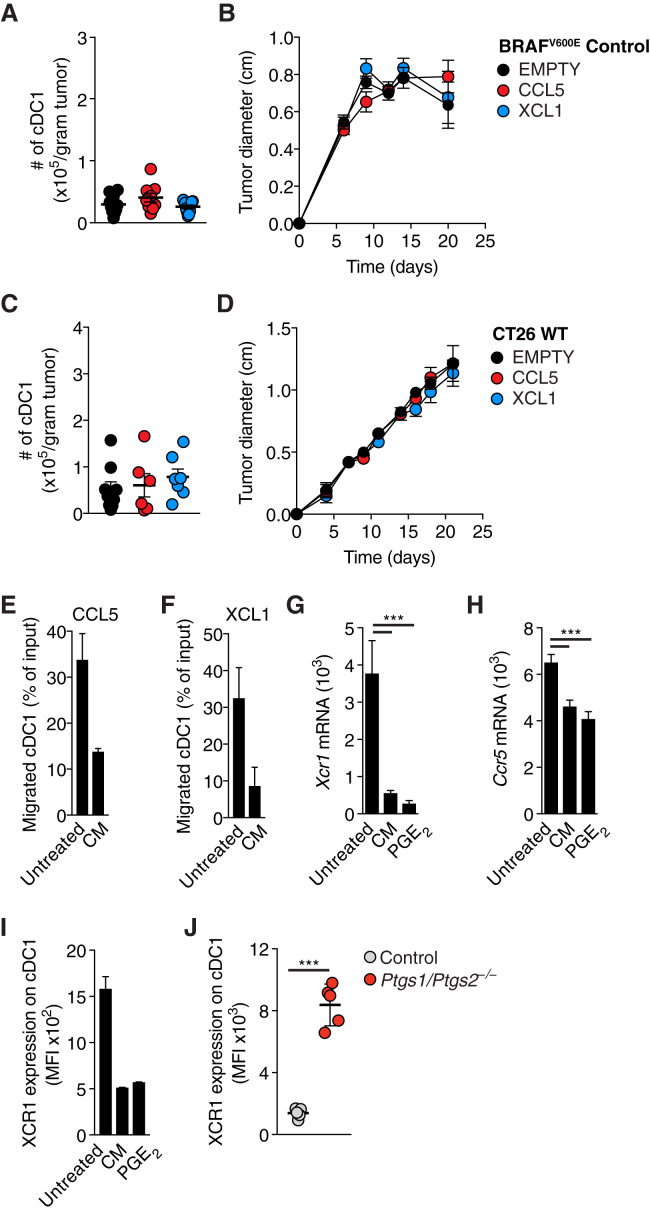
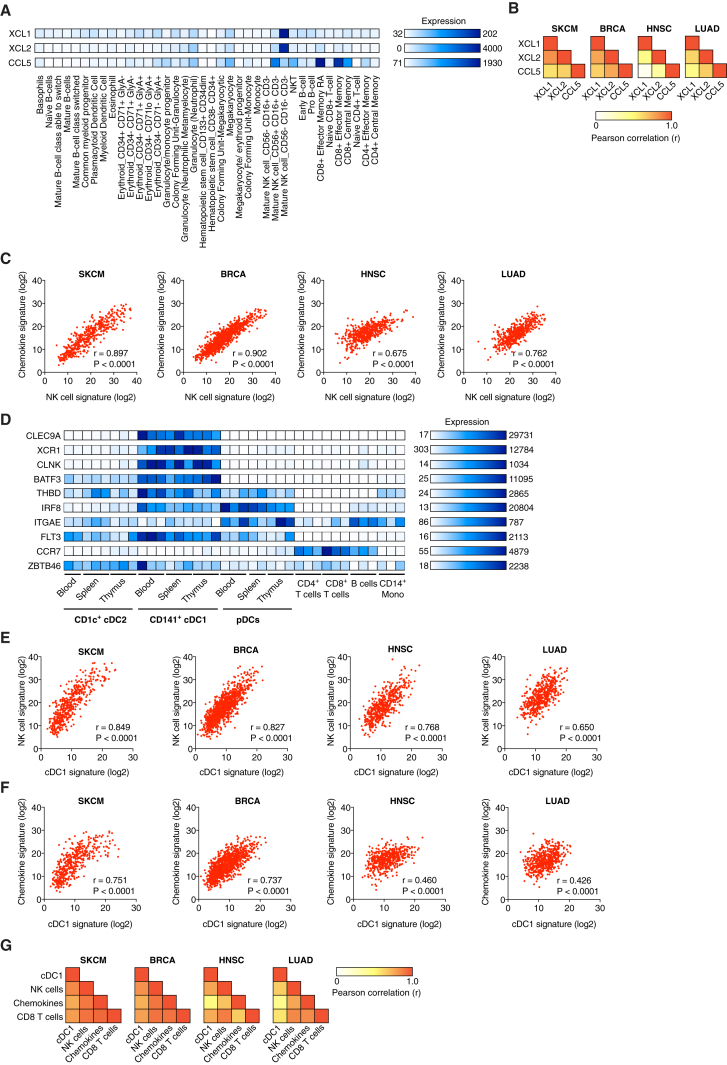
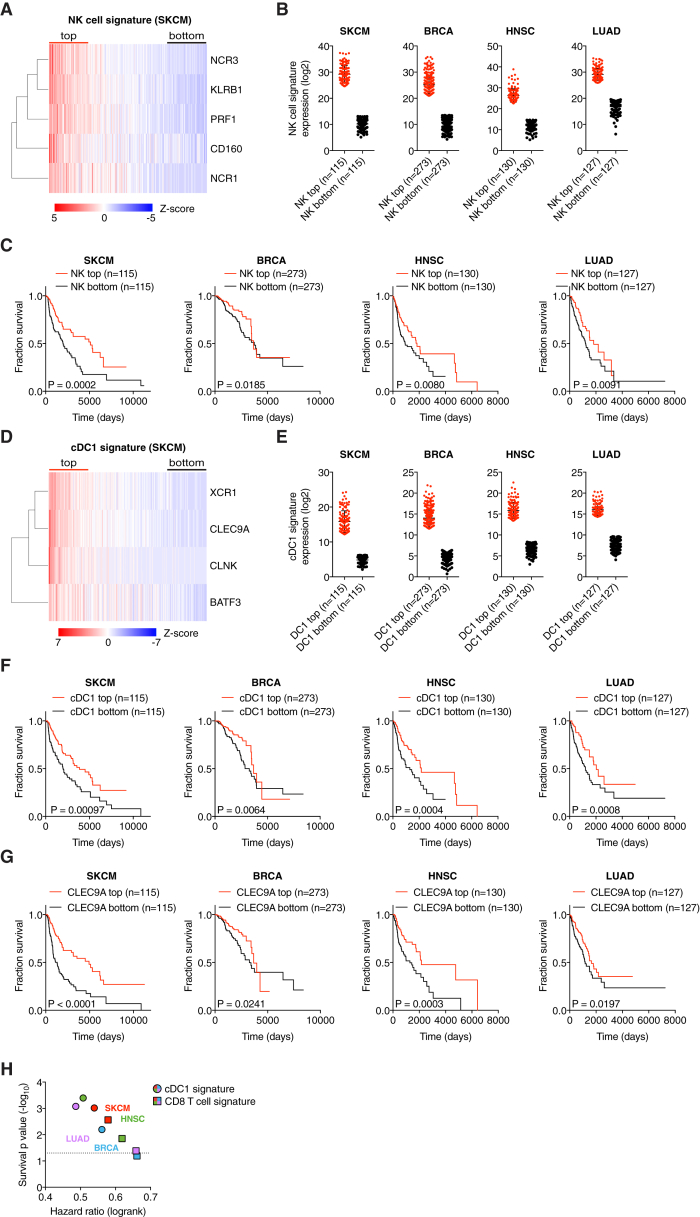
Conventional type 1 dendritic cells (cDC1) are critical for antitumor immunity, and their abundance within tumors is associated with immune-mediated rejection and the success of immunotherapy. Here, we show that cDC1 accumulation in mouse tumors often depends on natural killer (NK) cells that produce the cDC1 chemoattractants CCL5 and XCL1. Similarly, in human cancers, intratumoral CCL5, XCL1, and XCL2 transcripts closely correlate with gene signatures of both NK cells and cDC1 and are associated with increased overall patient survival. Notably, tumor production of prostaglandin E2 (PGE) leads to evasion of the NK cell-cDC1 axis in part by impairing NK cell viability and chemokine production, as well as by causing downregulation of chemokine receptor expression in cDC1. Our findings reveal a cellular and molecular checkpoint for intratumoral cDC1 recruitment that is targeted by tumor-derived PGE for immune evasion and that could be exploited for cancer therapy.
传统的 1 型树突状细胞(cDC1)对于抗肿瘤免疫至关重要,其在肿瘤中的丰度与免疫介导的排斥反应和免疫治疗的成功相关。在这里,我们表明,小鼠肿瘤中 cDC1 的积累通常取决于自然杀伤 (NK) 细胞,这些细胞会产生 cDC1 趋化因子 CCL5 和 XCL1。同样,在人类癌症中,肿瘤内的 CCL5、XCL1 和 XCL2 转录物与 NK 细胞和 cDC1 的基因特征密切相关,并与患者总体生存率的提高相关。值得注意的是,肿瘤产生的前列腺素 E2 (PGE) 通过损害 NK 细胞活力和趋化因子产生,以及导致 cDC1 中趋化因子受体表达下调,从而部分逃避 NK 细胞-cDC1 轴。我们的研究结果揭示了一个细胞和分子检查点,用于肿瘤内 cDC1 的募集,该检查点被肿瘤衍生的 PGE 靶向以逃避免疫,并可用于癌症治疗。