Yang Qin, Zhu Chunchao, Zhang Yanli, Wang Yangyang, Wang Yahui, Zhu Lei, Yang Xiaomei, Li Jun, Nie Huizhen, Jiang Shuheng, Zhang Xiaoxin, Cao Xiaoyan, Li Qing, Zhang Xueli, Tian Guangang, Hu Lipeng, Zhu Lili, Zhao Gang, Zhang Zhigang
State Key Laboratory of Oncogenes and Related Genes, Shanghai Cancer Institute, Ren Ji Hospital, School of Medicine, Shanghai Jiao Tong University, Shanghai, P.R. China.
Department of Gastrointestinal Surgery, Ren Ji Hospital, School of Medicine, Shanghai Jiao Tong University, Shanghai, P.R. China.
J Cancer. 2018 Jul 30;9(16):2973-2980. doi: 10.7150/jca.25506. eCollection 2018.
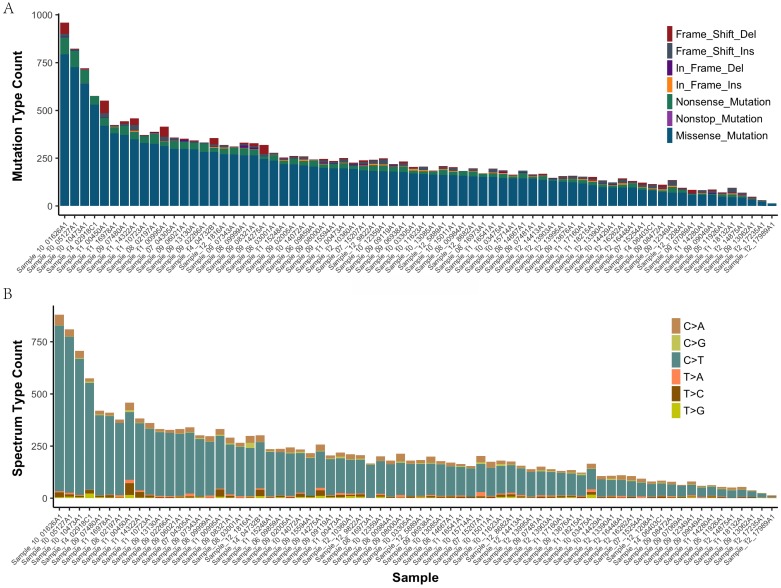
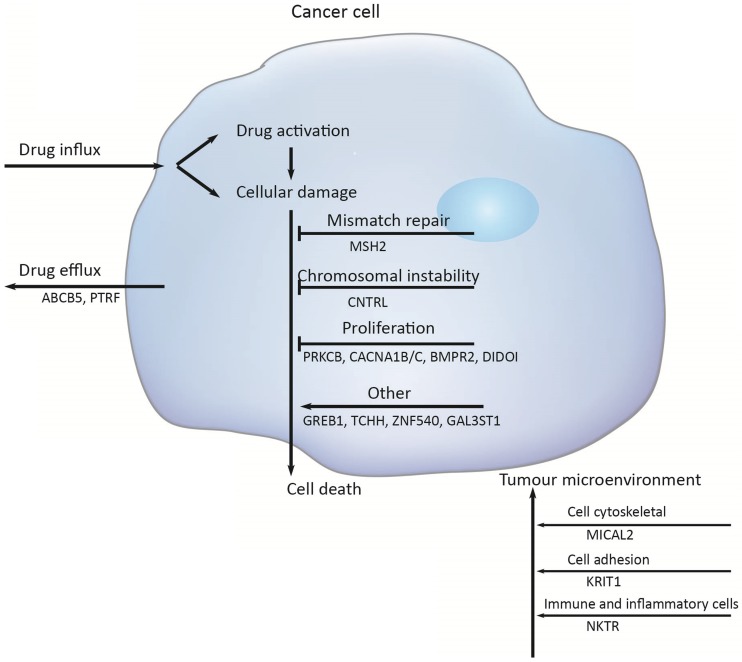
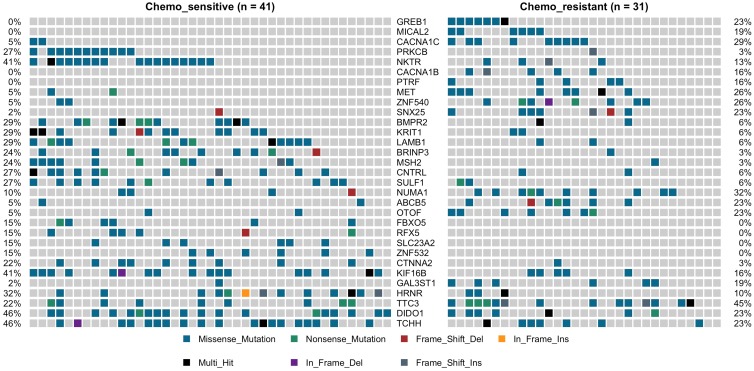
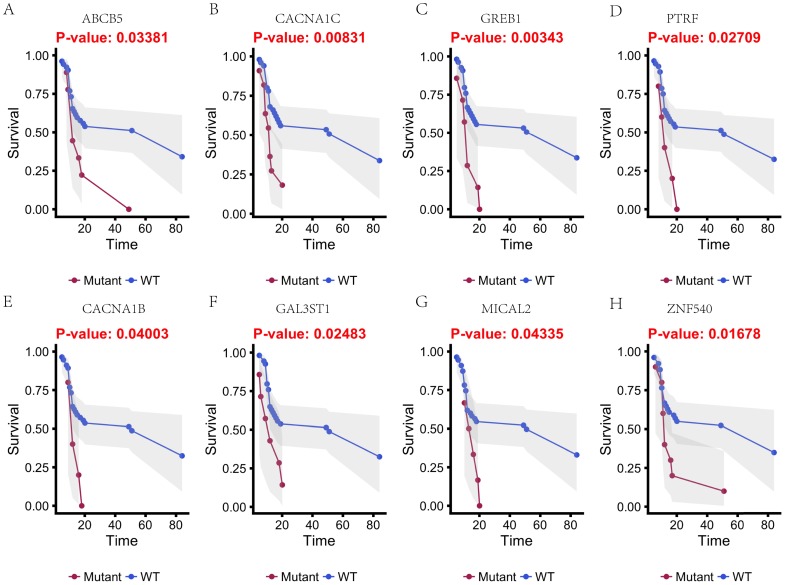
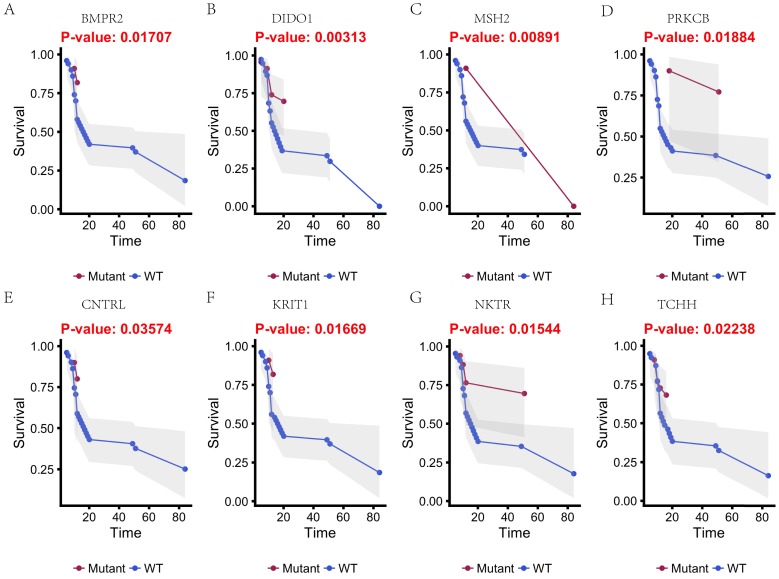
Gastric cancer (GC) is one of the leading causes of lethal malignancies worldwide, especially in Eastern Asia. Clinical responses to antitumor therapies are often limited to a subset of patients. To uncover new biomarkers of sensitivity and resistance to cancer therapeutics, we performed ultra-deep targeted sequencing in a cohort with 72 patients (41 with chemotherapy sensitivity and 31 with chemotherapy resistance). We found that sixteen mutated cancer genes were associated with widely used agent in chemotherapy of gastric cancer. Genes identified in these study are mainly involved in activation and inactivation of cancer chemotherapeutic agents, changes of apoptosis and proliferation, drug efflux, DNA damage repair, and the tumor microenvironment. A novel group of chemo-sensitivity related genes provided new therapeutic strategies to overcome the development and evolution of resistance to cancer chemotherapy.
胃癌(GC)是全球致死性恶性肿瘤的主要原因之一,尤其是在东亚地区。抗肿瘤治疗的临床反应通常仅限于一部分患者。为了发现癌症治疗敏感性和耐药性的新生物标志物,我们对72例患者(41例化疗敏感和31例化疗耐药)的队列进行了超深度靶向测序。我们发现16个突变的癌症基因与胃癌化疗中广泛使用的药物相关。这些研究中鉴定出的基因主要参与癌症化疗药物的激活和失活、细胞凋亡和增殖的变化、药物外排、DNA损伤修复以及肿瘤微环境。一组新的化疗敏感性相关基因提供了新的治疗策略,以克服癌症化疗耐药性的发展和演变。