Department of Cardiovascular Medicine, Tokushima University Graduate School of Biomedical Sciences.
Department of Community Medicine and Human Resource Development, Tokushima University Graduate School of Biomedical Sciences.
J Atheroscler Thromb. 2019 Mar 1;26(3):272-281. doi: 10.5551/jat.44735. Epub 2018 Aug 21.
It is speculated that statin therapy modulates the synthesis of polyunsaturated fatty acids (PUFA), including eicosapentaenoic acid (EPA) and docosahexaenoic acid (DHA). However, the data available on the effects of statin therapy on the serum levels of PUFA and the subsequent impact on in-stent restenosis (ISR) in patients with acute coronary syndrome (ACS) are limited.
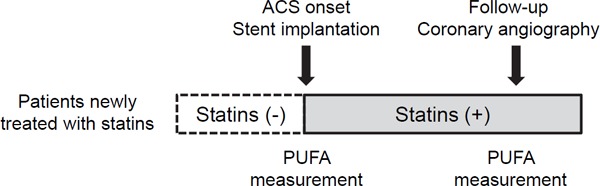
A total of 120 ACS patients who received emergent coronary stent implantation, follow-up coronary angiography to evaluate ISR, and new statin therapy were enrolled. We measured the serum levels of the PUFA and lipids at the onset of ACS and at the follow-up coronary angiography.
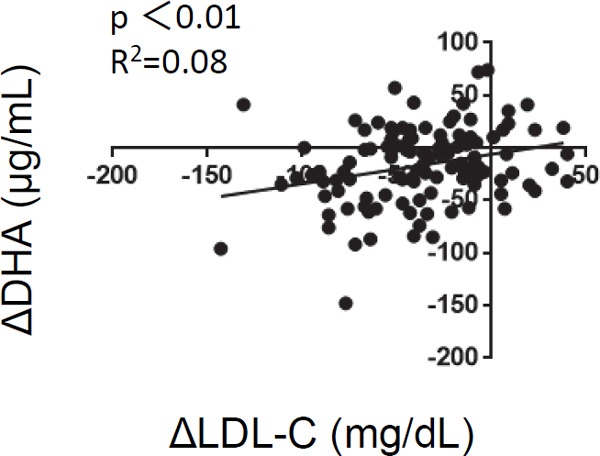
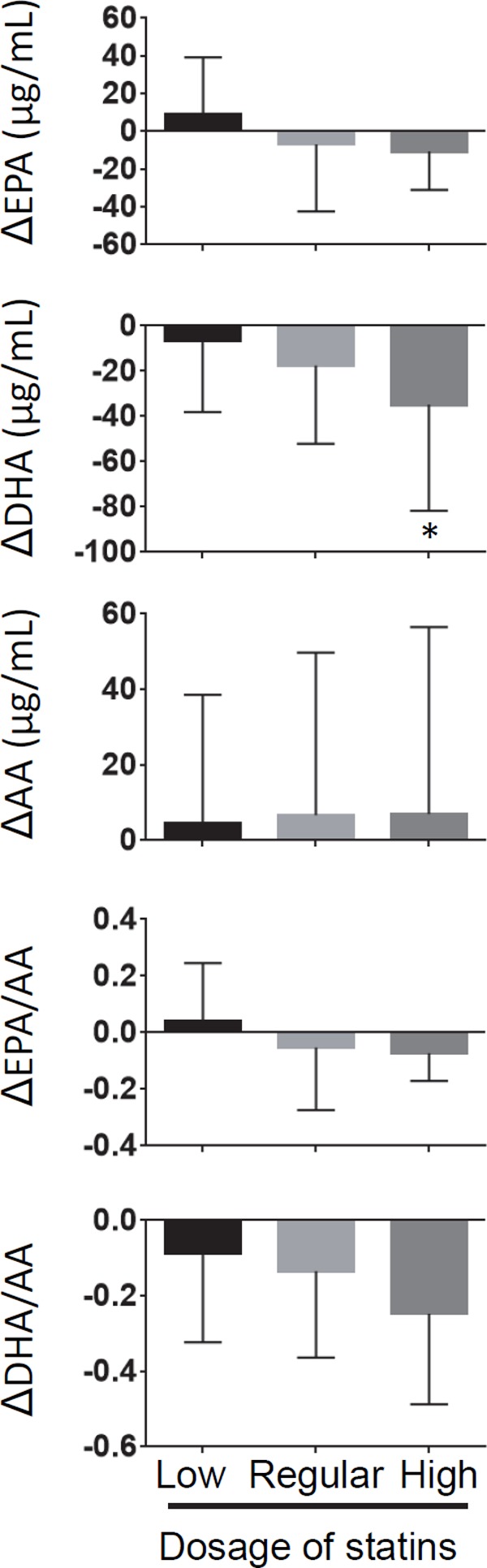
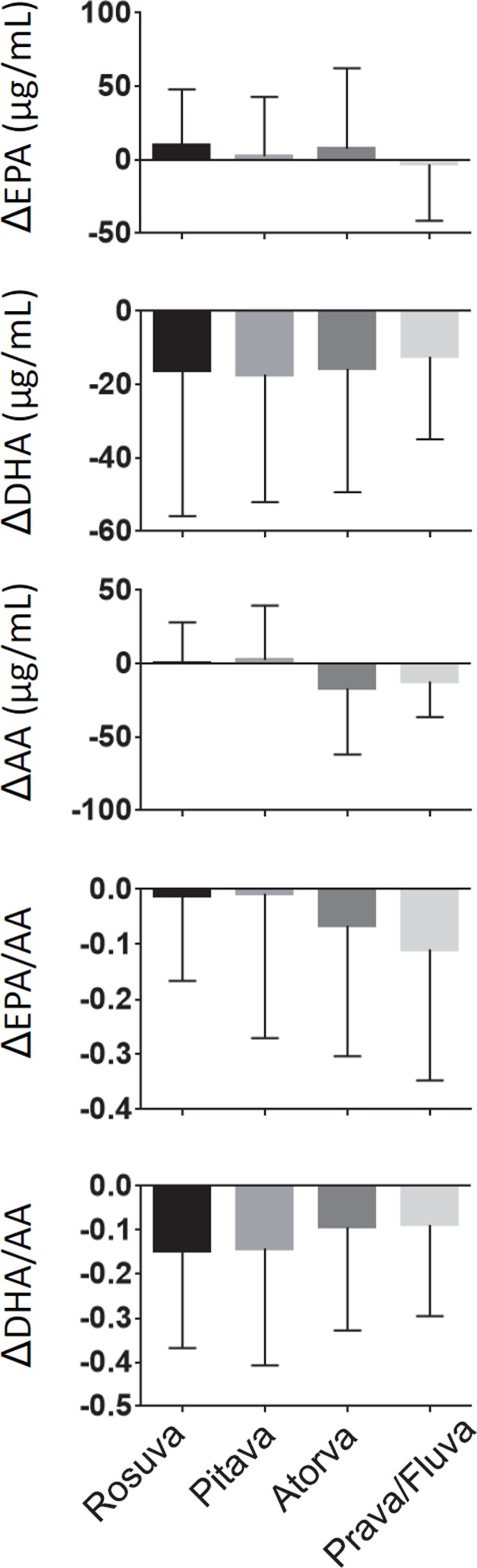
The follow-up coronary angiography revealed 38 ISR cases. New statin therapy significantly reduced the serum levels of DHA and low-density lipoprotein cholesterol (LDL-C), while it did not affect EPA level. Single regression analysis revealed that a decreased serum level of LDL-C was associated with decreased DHA level. The multiple logistic regression analysis revealed that the decreased DHA level after statin therapy and low serum level of EPA on admission were determinants of prevalence of ISR.
Statin therapy decreased the serum level of DHA with a parallel reduction in LDL-C level in patients with ACS. Decreased DHA level after statin therapy and low EPA level on admission are risk factors for ISR, indicating that in patients with ACS, decreased serum levels of DHA may be a residual target for the prevention of ISR.
据推测,他汀类药物治疗可调节多不饱和脂肪酸(PUFA)的合成,包括二十碳五烯酸(EPA)和二十二碳六烯酸(DHA)。然而,关于他汀类药物治疗对急性冠状动脉综合征(ACS)患者血清 PUFA 水平的影响及其对支架内再狭窄(ISR)的后续影响的数据有限。
共纳入 120 例接受紧急冠状动脉支架植入术、随访冠状动脉造影评估 ISR 及新他汀类药物治疗的 ACS 患者。我们在 ACS 发病时和随访冠状动脉造影时测量了 PUFA 和血脂的血清水平。
随访冠状动脉造影显示 38 例 ISR 病例。新他汀类药物治疗显著降低了 DHA 和低密度脂蛋白胆固醇(LDL-C)的血清水平,而 EPA 水平不受影响。单因素回归分析显示,LDL-C 血清水平降低与 DHA 水平降低有关。多因素逻辑回归分析显示,他汀类药物治疗后 DHA 水平降低和入院时 EPA 水平低是 ISR 发生率的决定因素。
他汀类药物治疗可降低 ACS 患者的 DHA 血清水平,同时降低 LDL-C 水平。他汀类药物治疗后 DHA 水平降低和入院时 EPA 水平低是 ISR 的危险因素,表明 ACS 患者血清 DHA 水平降低可能是预防 ISR 的残留靶标。