Smith Shaylynn W, Ortmann Amanda J, Clark William W
Program in Audiology and Communication Sciences, Department of Otolaryngology, Washington University School of Medicine, St. Louis, MO, USA.
Noise Health. 2018 Jul-Aug;20(95):121-130. doi: 10.4103/nah.NAH_53_17.
Environmental noise is associated with negative developmental outcomes for infants treated in the neonatal intensive care unit (NICU). The existing noise level recommendations are outdated, with current studies showing that these standards are universally unattainable in the modern NICU environment.
This study sought to identify the types, rate, and levels of acoustic events that occur in the NICU and their potential effects on infant physiologic state.
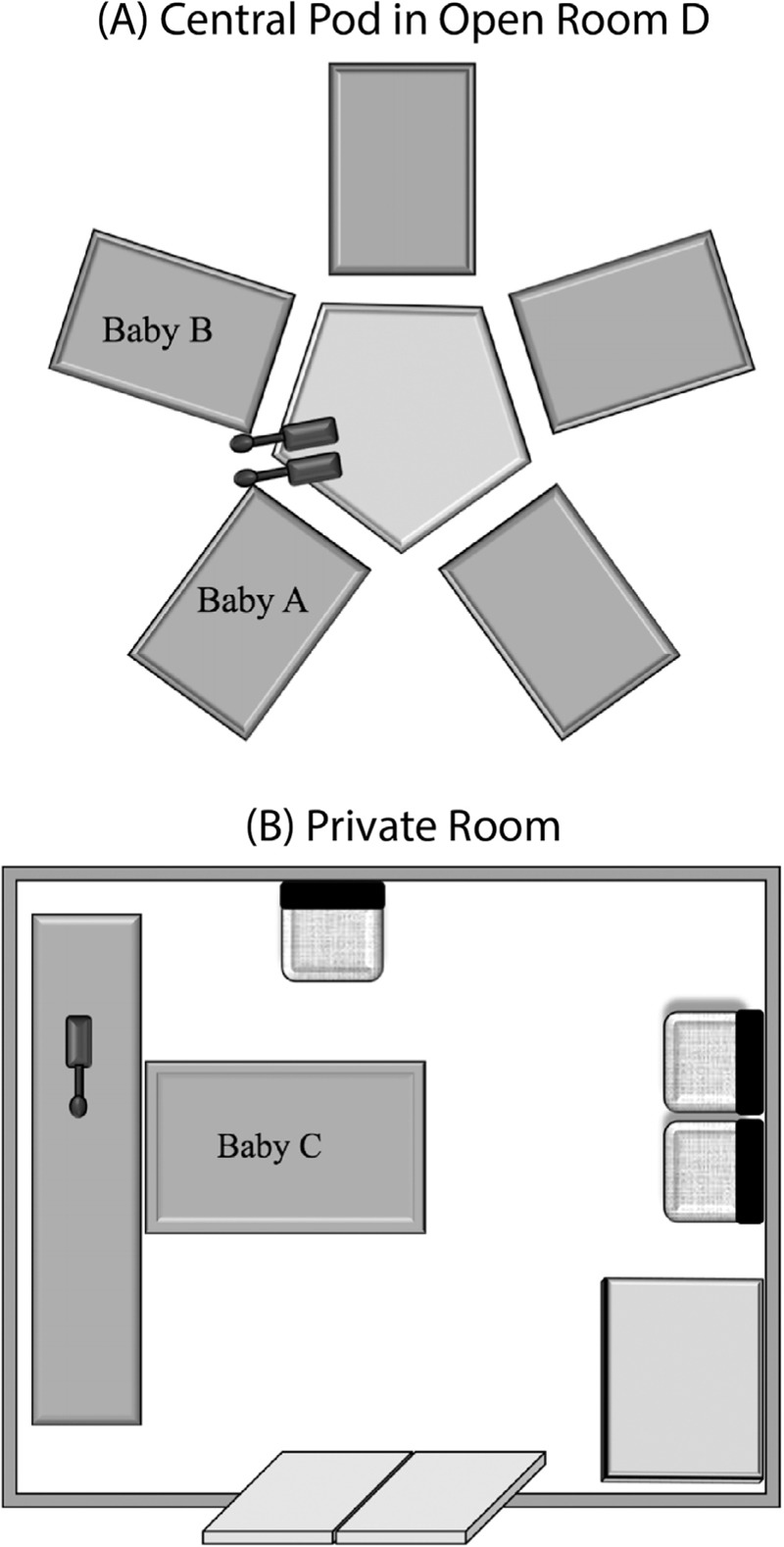
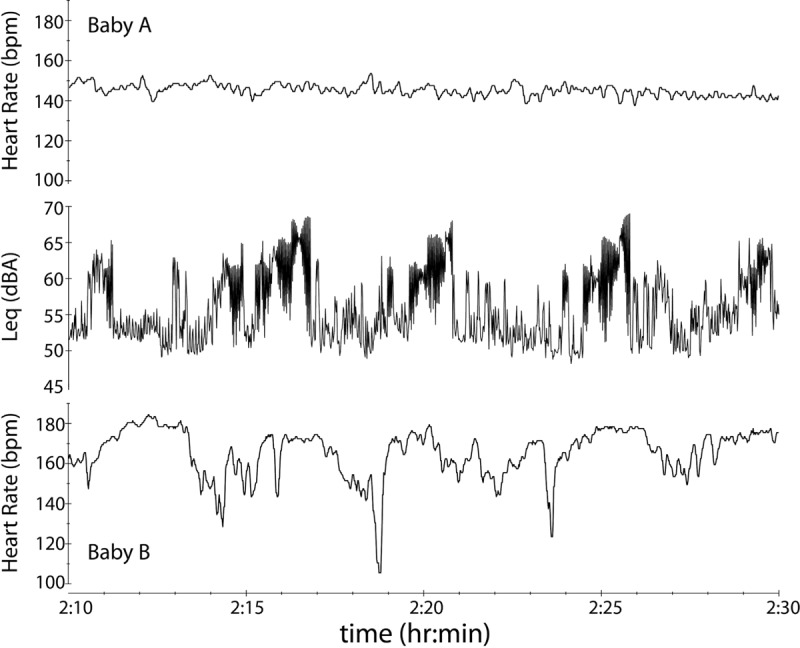
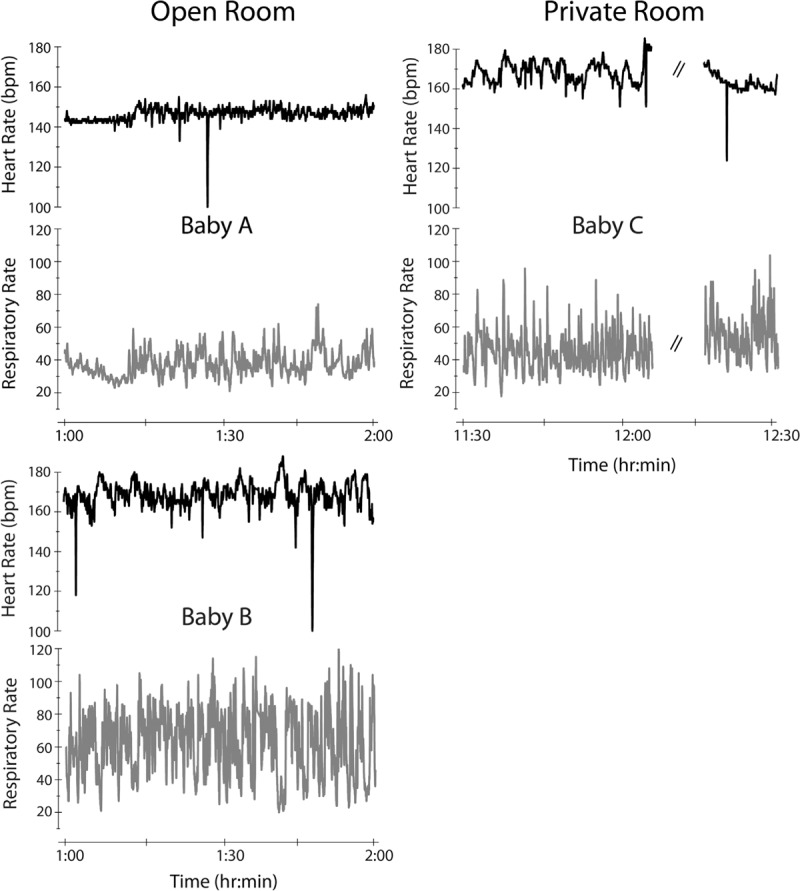
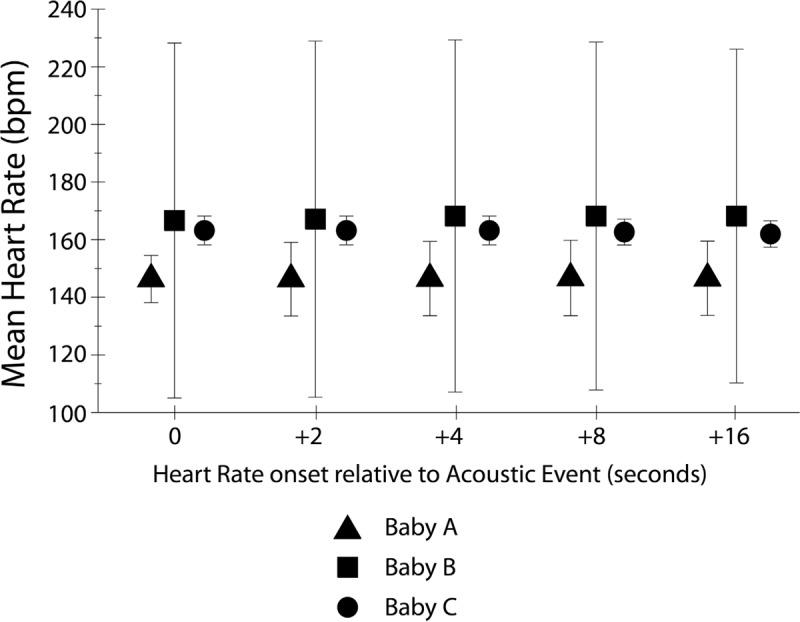
Dosimeters were used to record the acoustic environment in open and private room settings of a large hospital NICU. Heart and respiratory rate data of three infants located near the dosimeters were obtained. Infant physiologic data measured at time points when there was a marked increase in sound levels were compared to data measured at time points when the acoustic levels were steady.
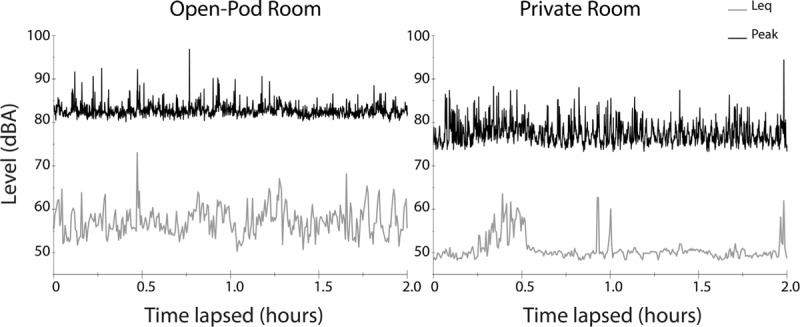
All recorded sound levels exceeded the recommended noise level of 45 decibels, A-weighted (dBA). The 4-h L of the open-pod environment was 58.1 dBA, while the private room was 54.7 dBA. The average level of acoustic events was 11-14 dB higher than the background noise. The occurrence of transient events was 600% greater in the open room when compared to the private room. While correlations between acoustic events and infant physiologic state could not be established due to the extreme variability of infant state, a few trends were visible. Increasing the number of data points to overcome the extreme physiologic variability of medically fragile neonates would not be feasible or cost-effective in this environment.
NICU noise level recommendations need to be modified with an emphasis placed on reducing acoustic events that disrupt infant state. The goal of all future standards should be to optimize infant neurodevelopmental outcomes.
环境噪声与新生儿重症监护病房(NICU)中接受治疗的婴儿的不良发育结果相关。现有的噪声水平建议已经过时,当前研究表明,在现代NICU环境中,这些标准普遍无法达到。
本研究旨在确定NICU中发生的声学事件的类型、发生率和水平,以及它们对婴儿生理状态的潜在影响。
使用剂量计记录一家大型医院NICU的开放式和私人房间环境中的声学环境。获取了位于剂量计附近的三名婴儿的心率和呼吸率数据。将声音水平显著增加时测量的婴儿生理数据与声学水平稳定时测量的数据进行比较。
所有记录的声音水平均超过了推荐的45分贝A加权(dBA)噪声水平。开放式病房环境的4小时等效连续A声级为58.1 dBA,而私人房间为54.7 dBA。声学事件的平均水平比背景噪声高11-14分贝。与私人房间相比,开放式房间中瞬态事件的发生率高出600%。虽然由于婴儿状态的极端变异性,无法确定声学事件与婴儿生理状态之间的相关性,但可以看到一些趋势。在这种环境下,增加数据点数量以克服医学上脆弱的新生儿的极端生理变异性既不可行也不具有成本效益。
NICU噪声水平建议需要修改,重点是减少扰乱婴儿状态的声学事件。所有未来标准的目标都应该是优化婴儿的神经发育结果。