Área de Fisiología, Facultad de Medicina and Instituto de Investigación e Innovación en Ciencias Biomédicas de la Provincia de Cádiz (INiBICA), Universidad de Cádiz, Cádiz, Spain.
Área de Inmunología, Facultad de Medicina and Instituto de Investigación e Innovación en Ciencias Biomédicas de la Provincia de Cádiz (INiBICA), Universidad de Cádiz, Cádiz, Spain.
Cell Death Dis. 2018 Aug 28;9(9):862. doi: 10.1038/s41419-018-0913-2.
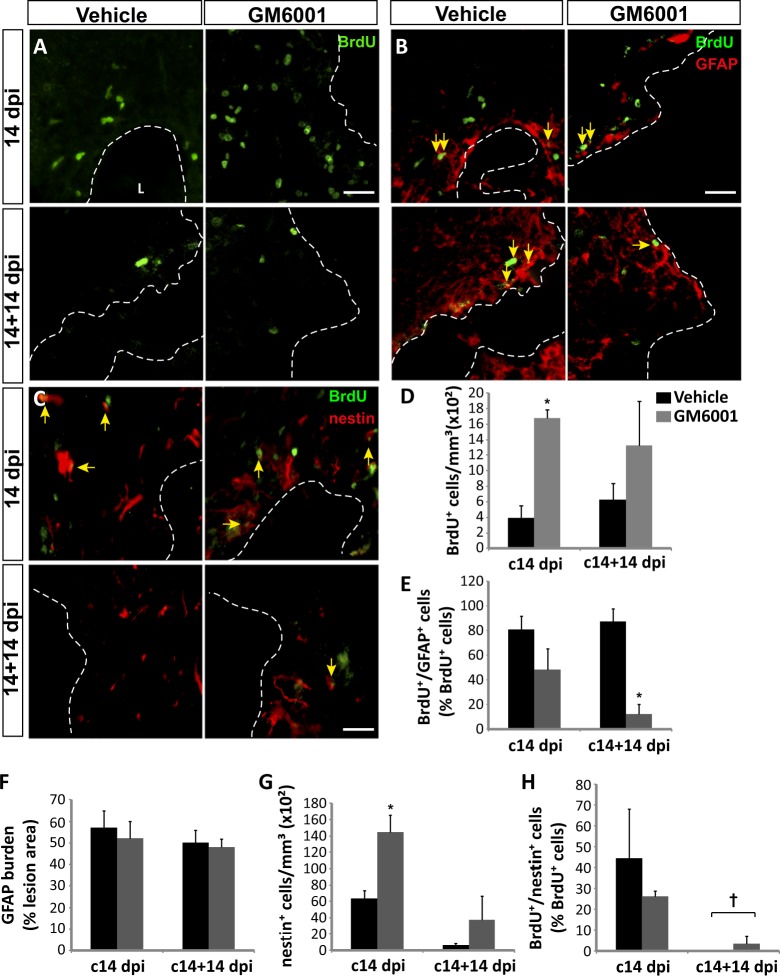
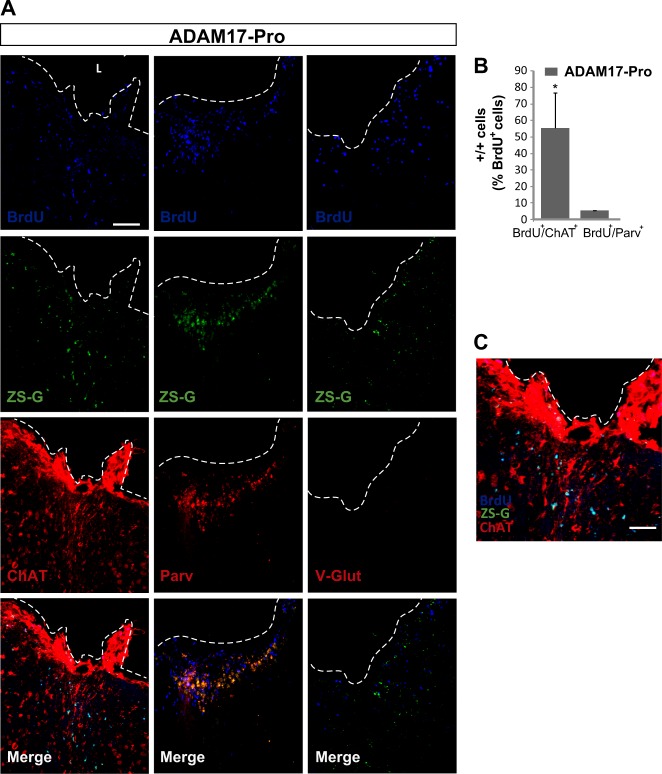
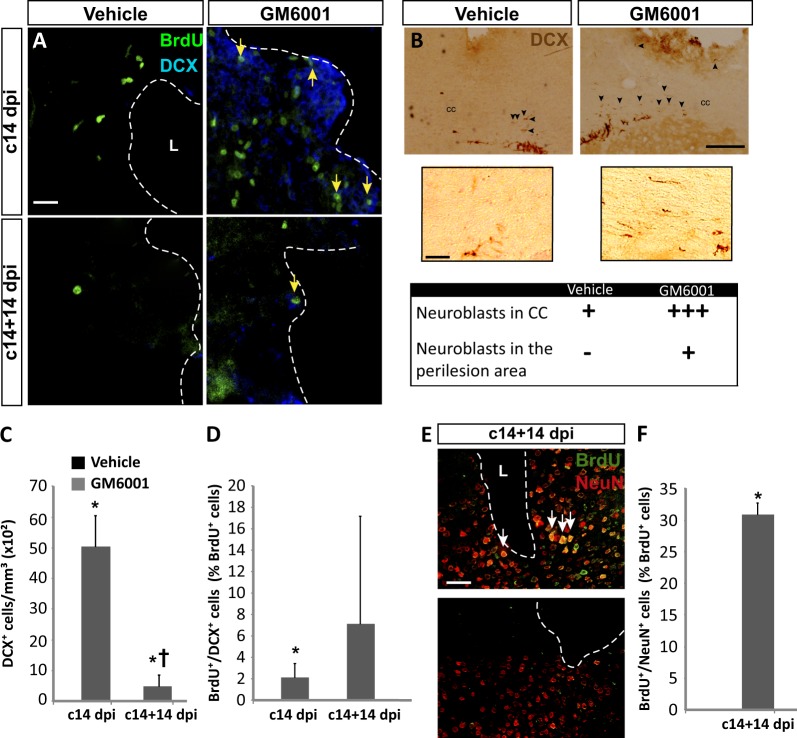
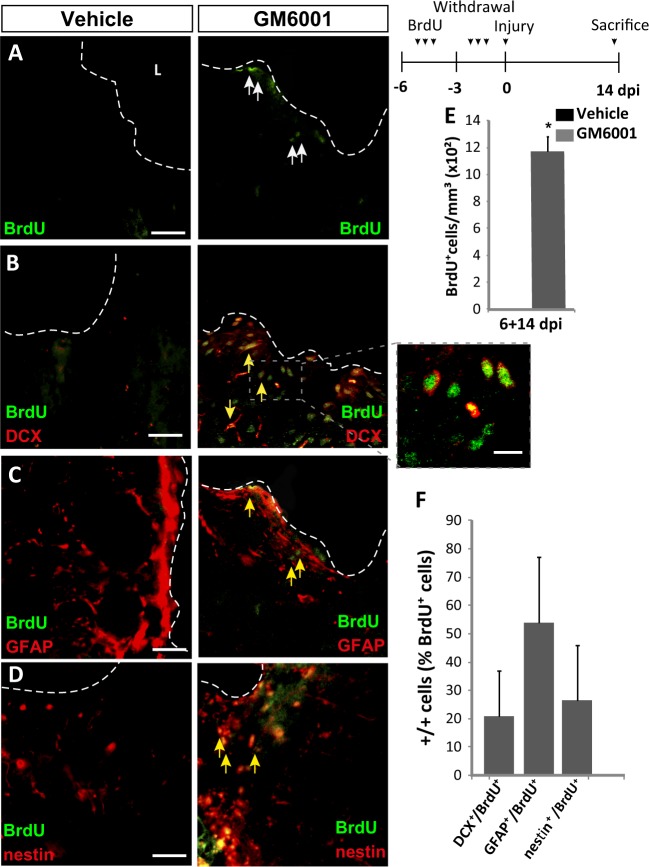
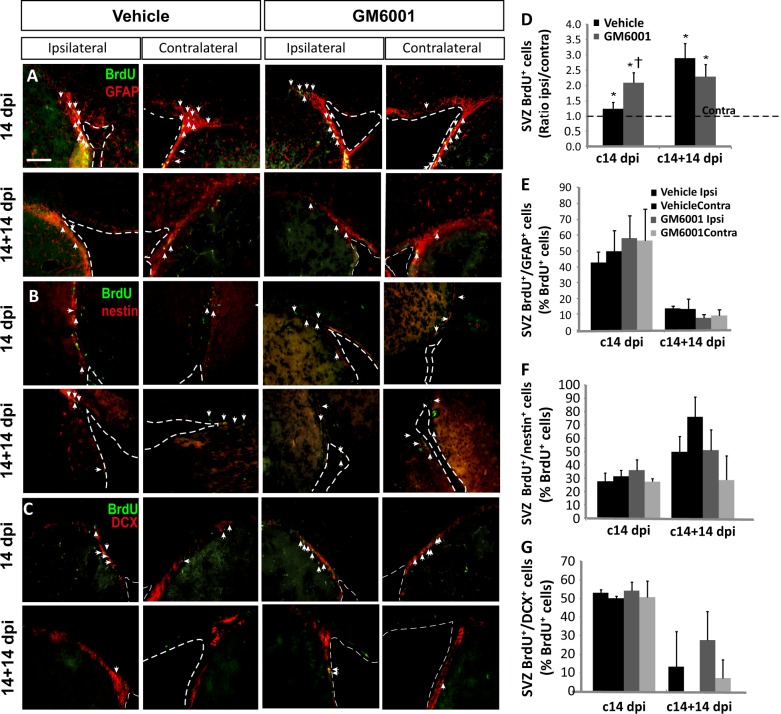
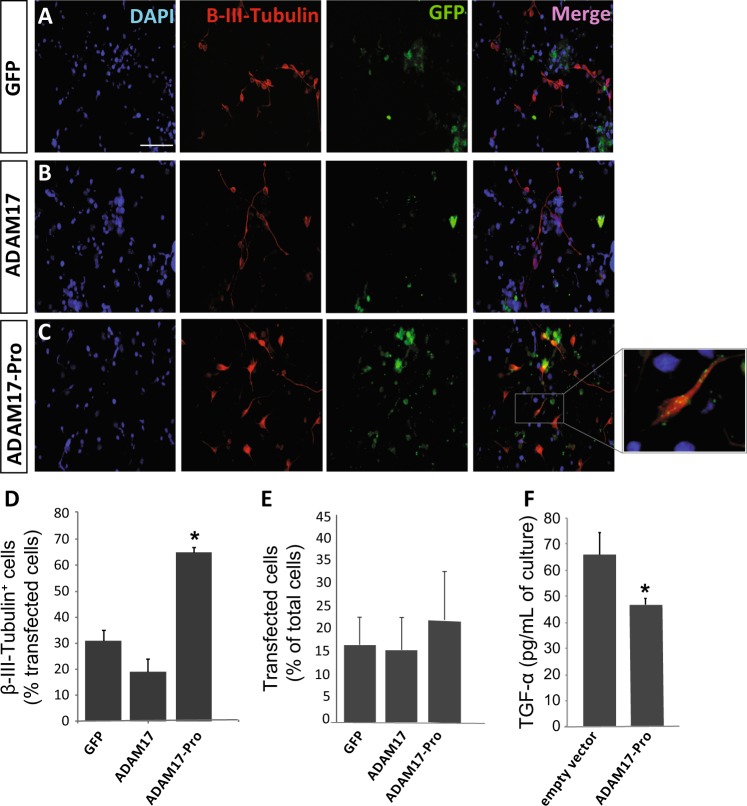
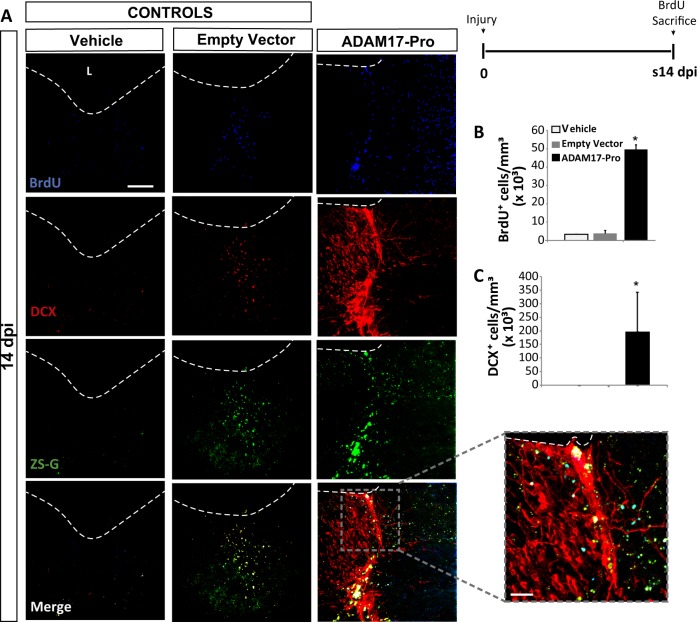
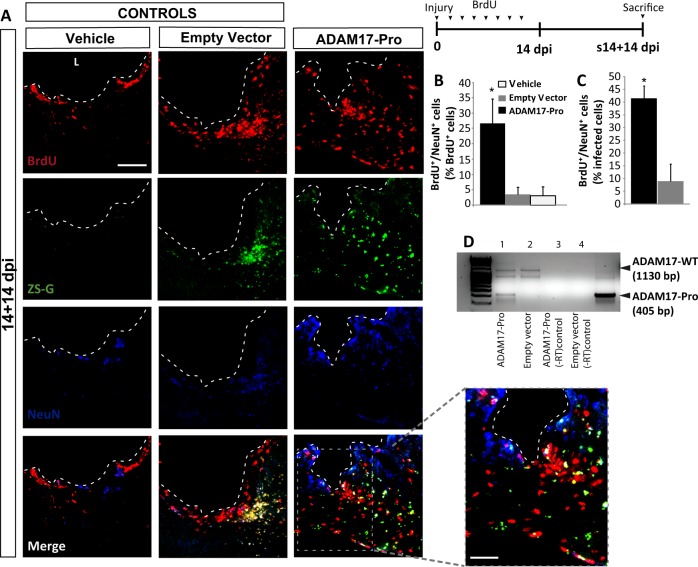
Brain injuries in the adult mammalian brain are accompanied by a fast neurogenic response inside neurogenic niches. However, this response does not contribute to the generation of new neurons within damaged tissues like the cerebral cortex, which are essentially non-neurogenic. This occurs because injuries create a hostile environment that favors gliogenesis. Overexpression and sequential activation of the ADAM17/TGFα/EGFR signaling cascade are crucial for the generation of this gliogenic/non-neurogenic environment. Here, we demonstrate that chronic local infusion of a general metalloprotease inhibitor in areas of traumatic cortical injury in adult mice moderately increased the number of neuroblasts around the lesion, by facilitating the survival of neuroblasts and undifferentiated progenitors, which had migrated to the perilesional area from the subventricular zone. Next, we generated a dominant-negative version of ADAM17 metalloprotease, consisting of a truncated protein containing only the pro-domain (ADAM17-Pro). Specific inhibition of ADAM17 activity by ADAM17-Pro overexpression increased the generation of new neurons in vitro. Local overexpression of ADAM17-Pro in injured cortex in vivo, mediated by lentiviral vectors, dramatically increased the number of neuroblasts observed at the lesion 14 days after injury. Those neuroblasts were able to differentiate into cholinergic and GABAergic neurons 28 days after injury. We conclude that ADAM17 is a putative target to develop new therapeutic tools for the treatment of traumatic brain injury.
成年哺乳动物大脑中的脑损伤伴随着神经发生龛内的快速神经发生反应。然而,这种反应不会导致受损组织(如大脑皮层)产生新的神经元,因为这些组织基本上是无神经发生的。这是因为损伤会产生有利于神经胶质发生的敌对环境。ADAM17/TGFα/EGFR 信号级联的过度表达和顺序激活对于产生这种神经胶质/非神经发生环境至关重要。在这里,我们证明在成年小鼠的皮质创伤性损伤区域中慢性局部输注一种通用金属蛋白酶抑制剂,通过促进神经母细胞和未分化祖细胞的存活,适度增加了损伤周围神经母细胞的数量,这些细胞已从侧脑室区迁移到损伤周围区。接下来,我们生成了 ADAM17 金属蛋白酶的显性负突变体,由仅包含前结构域的截断蛋白(ADAM17-Pro)组成。ADAM17-Pro 的过表达特异性抑制 ADAM17 活性增加了体外新神经元的生成。通过慢病毒载体在体内损伤皮质中过表达 ADAM17-Pro,可显著增加损伤后 14 天观察到的神经母细胞数量。这些神经母细胞能够在损伤后 28 天分化为胆碱能和 GABA 能神经元。我们得出结论,ADAM17 是开发创伤性脑损伤治疗新治疗工具的潜在靶点。