Department of Physiological Sciences, University of Florida, Gainesville, FL, USA.
Center for Environmental and Human Toxicology, University of Florida, Gainesville, FL, USA.
Respir Res. 2018 Aug 30;19(1):160. doi: 10.1186/s12931-018-0861-5.
Sex differences in idiopathic pulmonary fibrosis (IPF) suggest a protective role for estrogen (E2); however, mechanistic studies in animal models have produced mixed results. Reports using cell lines have investigated molecular interactions between transforming growth factor beta1 (TGF-β1) and estrogen receptor (ESR) pathways in breast, prostate, and skin cells, but no such interactions have been described in human lung cells. To address this gap in the literature, we investigated a role for E2 in modulating TGF-β1-induced signaling mechanisms and identified novel pathways impacted by estrogen in bronchial epithelial cells.
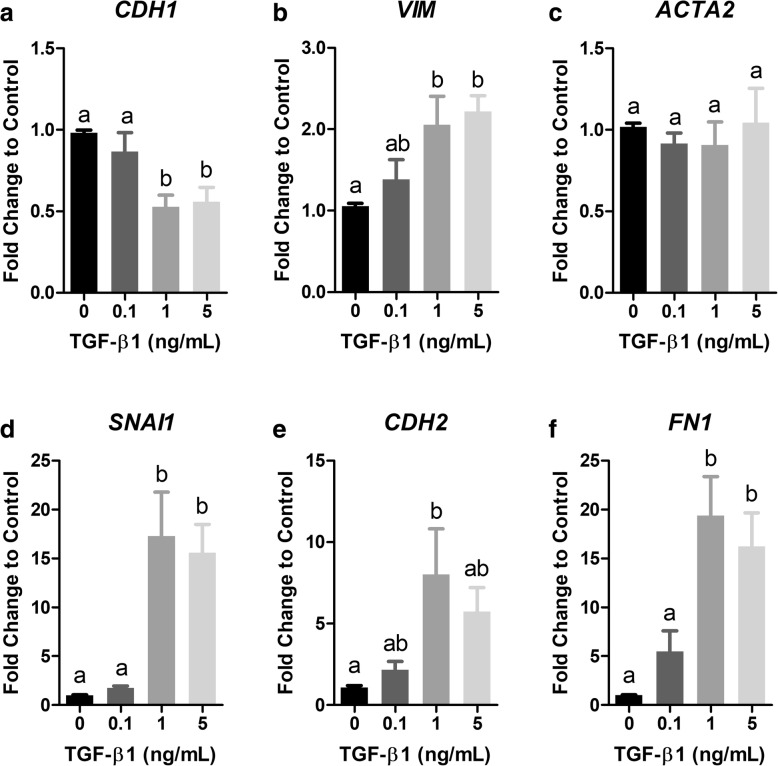
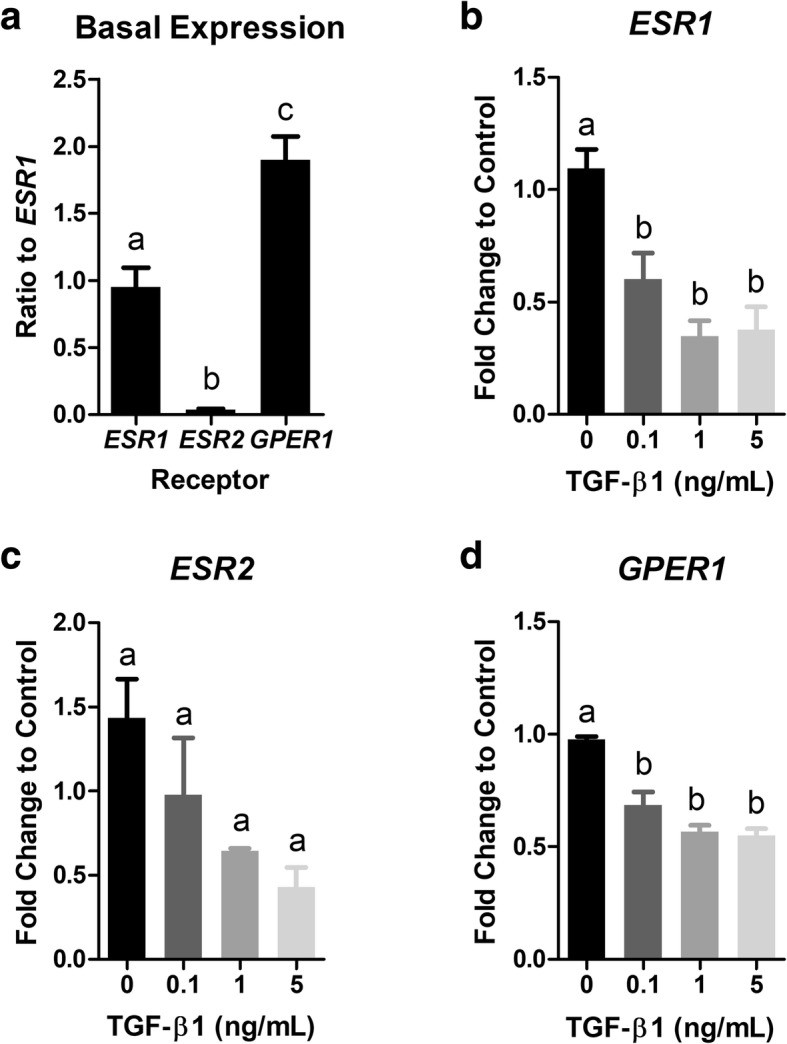
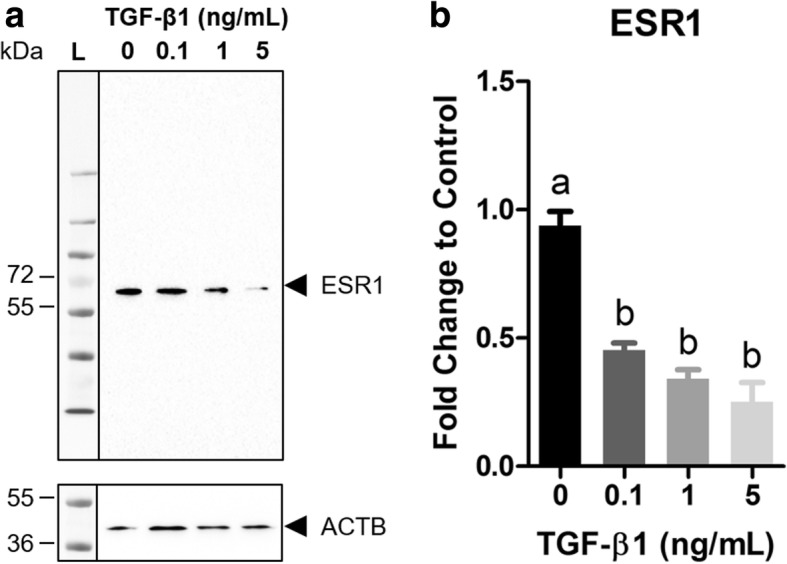
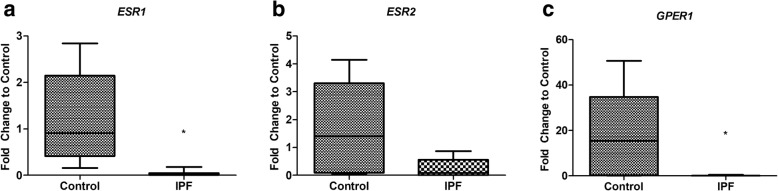
We investigated a role for E2 in modulating TGF-β1-induced epithelial to mesenchymal transition (EMT) in bronchial epithelial cells (BEAS-2Bs) and characterized the effect of TGF-β1 on ESR mRNA and protein expression in BEAS-2Bs. We also quantified mRNA expression of ESRs in lung tissue from individuals with IPF and identified potential downstream targets of E2 signaling in BEAS-2Bs using RNA-Seq and gene set enrichment analysis.
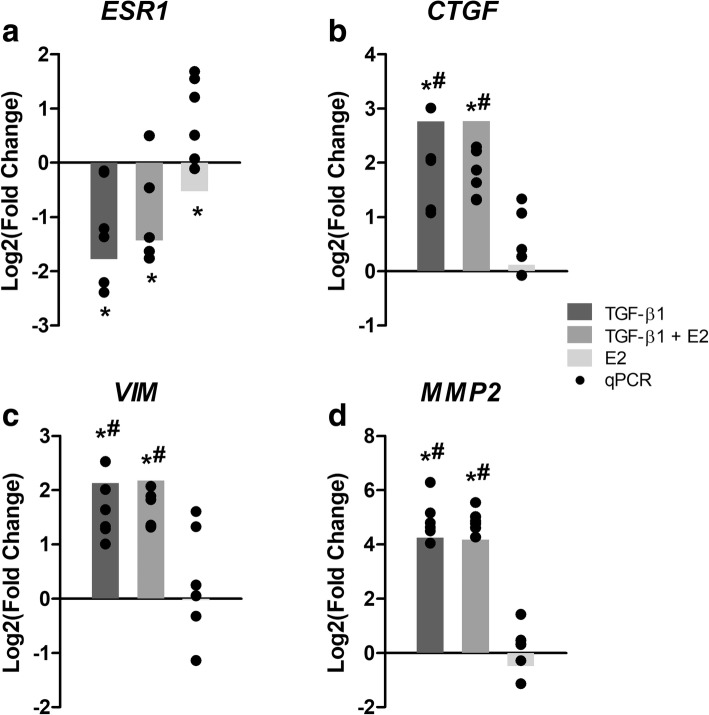
E2 negligibly modulated TGF-β1-induced EMT; however, we report the novel observation that TGF-β1 repressed ESR expression, most notably estrogen receptor alpha (ESR1). Results of the RNA-Seq analysis showed that TGF-β1 and E2 inversely modulated the expression of several genes involved in processes such as extracellular matrix (ECM) turnover, airway smooth muscle cell contraction, and calcium flux regulation. We also report that E2 specifically modulated the expression of genes involved in chromatin remodeling pathways and that this regulation was absent in the presence of TGF-β1.
Collectively, these results suggest that E2 influences unexplored pathways that may be relevant to pulmonary disease and highlights potential roles for E2 in the lung that may contribute to sex-specific differences.
特发性肺纤维化(IPF)中的性别差异表明雌激素(E2)具有保护作用;然而,动物模型中的机制研究产生了混合结果。使用细胞系的报告研究了转化生长因子β1(TGF-β1)和雌激素受体(ESR)途径之间在乳腺、前列腺和皮肤细胞中的分子相互作用,但在人肺细胞中尚未描述这种相互作用。为了解决文献中的这一空白,我们研究了 E2 在调节 TGF-β1 诱导的信号转导机制中的作用,并确定了雌激素在支气管上皮细胞中影响的新途径。
我们研究了 E2 在调节支气管上皮细胞(BEAS-2Bs)中 TGF-β1 诱导的上皮间质转化(EMT)中的作用,并描述了 TGF-β1 对 BEAS-2Bs 中 ESR mRNA 和蛋白表达的影响。我们还量化了 IPF 个体肺组织中 ESR 的 mRNA 表达,并使用 RNA-Seq 和基因集富集分析确定了 BEAS-2Bs 中 E2 信号的潜在下游靶标。
E2 可忽略不计地调节 TGF-β1 诱导的 EMT;然而,我们报告了一个新的观察结果,即 TGF-β1 抑制了 ESR 的表达,尤其是雌激素受体 alpha(ESR1)。RNA-Seq 分析的结果表明,TGF-β1 和 E2 相反地调节了几个参与细胞外基质(ECM)周转、气道平滑肌细胞收缩和钙流调节等过程的基因的表达。我们还报告说,E2 特异性地调节了参与染色质重塑途径的基因的表达,而在 TGF-β1 存在下这种调节不存在。
总的来说,这些结果表明,E2 影响了可能与肺部疾病相关的未知途径,并强调了 E2 在肺部的潜在作用,这些作用可能导致性别特异性差异。