Institute of Medicinal Biotechnology, Chinese Academy of Medical Sciences & Peking Union Medical College, Beijing, China.
Qingdao Women and Children's Hospital, Qingdao University, Qingdao, China.
Cancer Sci. 2018 Nov;109(11):3611-3622. doi: 10.1111/cas.13788. Epub 2018 Sep 23.
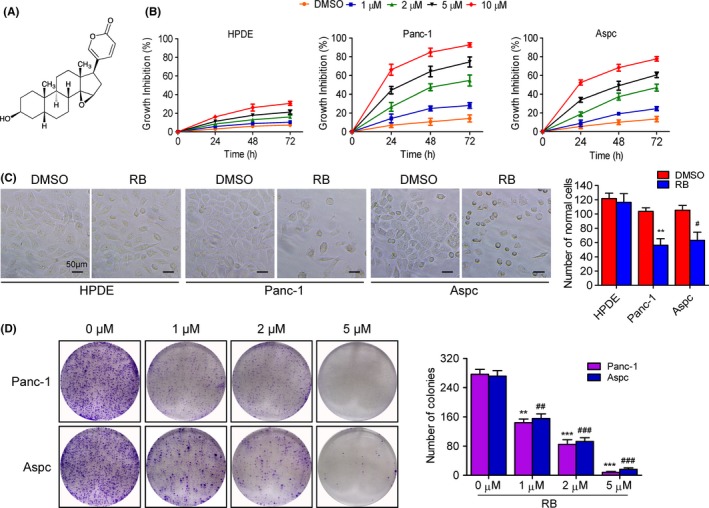
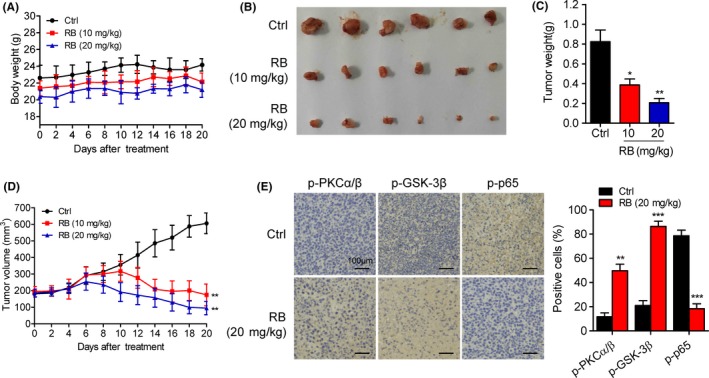
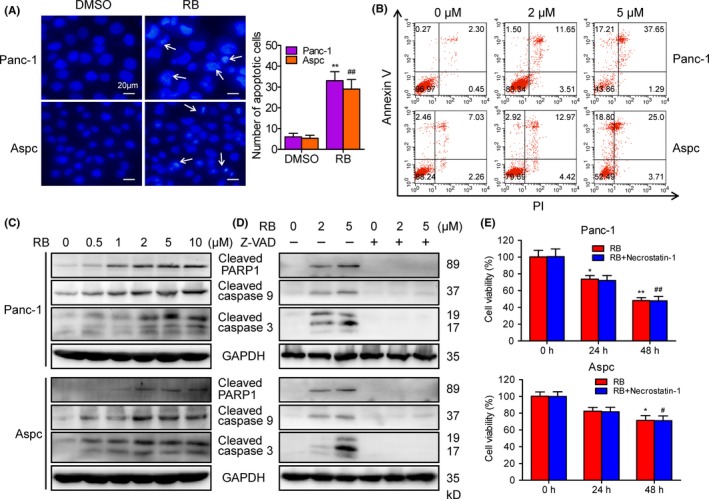
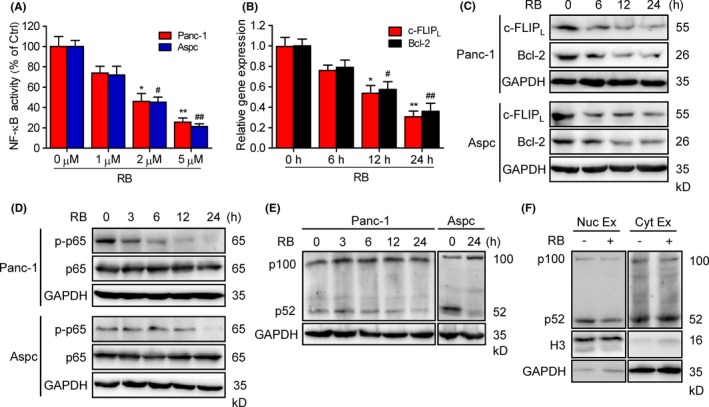
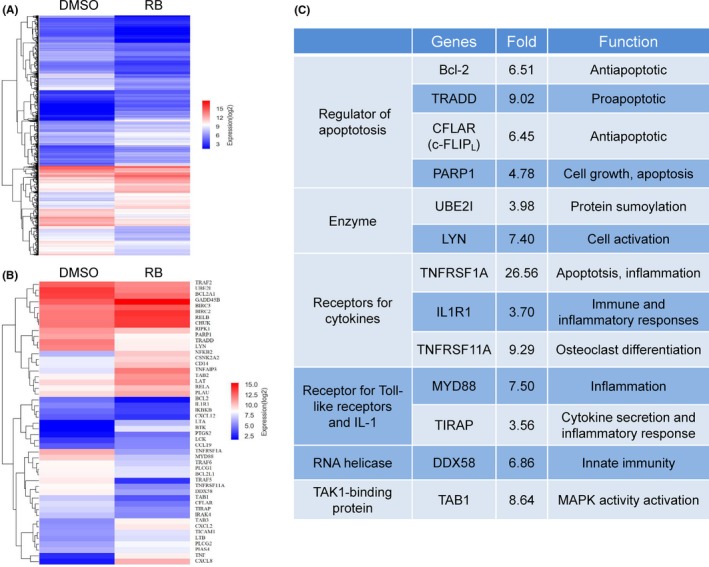
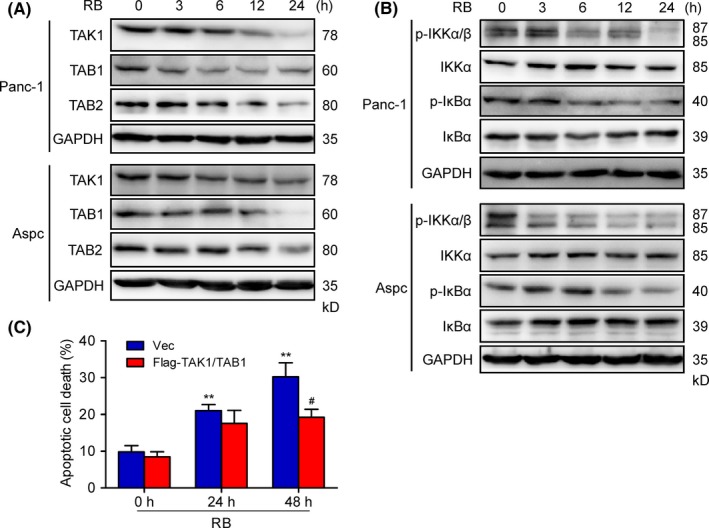
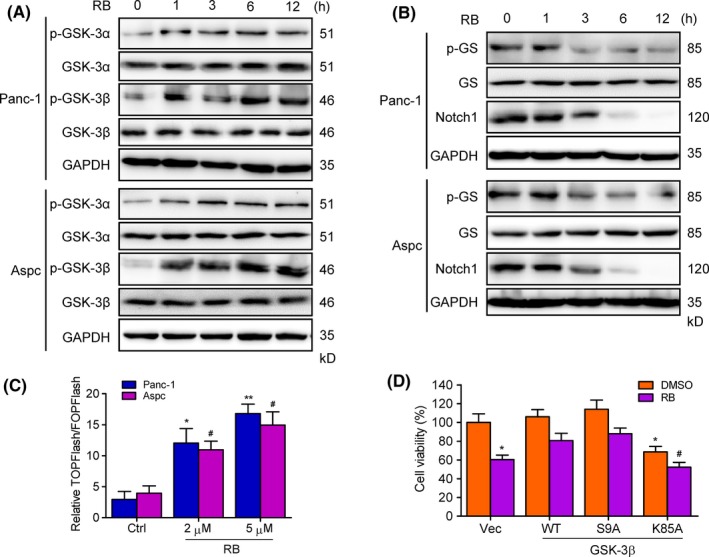
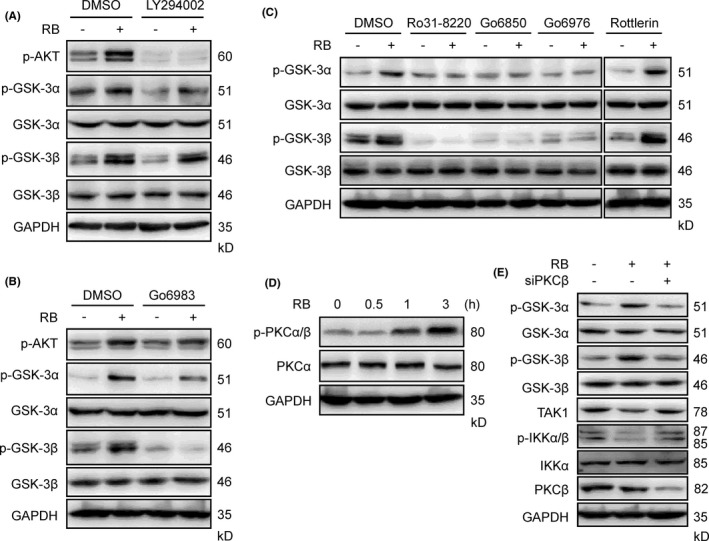
Resibufogenin (RB), one of the major active compounds of the traditional Chinese medicine Chansu, has received considerable attention for its potency in cancer therapy. However, the anticancer effects and the underlying mechanisms of RB on pancreatic cancer remain elusive. Here, we found that RB inhibited the viability and induces caspase-dependent apoptosis in human pancreatic cancer cells Panc-1 and Aspc. Resibufogenin-induced apoptosis was through inhibition of constitutive nuclear factor-κB (NF-κB) activity and its target genes' expression, which was caused by downregulation of transforming growth factor-β-activated kinase 1 (TAK1) levels and suppression of IκB kinase activity in Panc-1 and Aspc cells. This induction of TAK1-mediated NF-κB inactivation by RB was associated with increased glycogen synthase kinase-3 (GSK-3) phosphorylation and subsequent suppression of its activity. Moreover, RB-induced GSK-3 phosphorylation/inactivation acted through activation of protein kinase C but not Akt. Finally, RB suppressed human pancreatic tumor xenograft growth in athymic nude mice. Thus, our findings reveal a novel mechanism by which RB suppresses TAK1-mediated NF-κB activity through protein kinase C-dependent inhibition of GSK-3. Our findings provide a rationale for the potential application of RB in pancreatic cancer therapy.
瑞舒伐他汀(RB)是中药蟾酥的主要活性成分之一,因其在癌症治疗方面的功效而备受关注。然而,RB 对胰腺癌的抗癌作用及其潜在机制仍不清楚。在这里,我们发现 RB 抑制了人胰腺癌细胞 Panc-1 和 Aspc 的活力,并诱导了 caspase 依赖性细胞凋亡。RB 诱导的细胞凋亡是通过抑制组成性核因子-κB(NF-κB)活性及其靶基因的表达来实现的,这是由于转化生长因子-β激活激酶 1(TAK1)水平下调和 Panc-1 和 Aspc 细胞中 IκB 激酶活性受到抑制所致。RB 通过增加糖原合酶激酶-3(GSK-3)磷酸化并随后抑制其活性来诱导 TAK1 介导的 NF-κB 失活。此外,RB 诱导的 GSK-3 磷酸化/失活是通过蛋白激酶 C 的激活而不是 Akt 来实现的。最后,RB 抑制了人胰腺肿瘤异种移植物在裸鼠中的生长。因此,我们的研究结果揭示了 RB 通过蛋白激酶 C 依赖性抑制 GSK-3 来抑制 TAK1 介导的 NF-κB 活性的新机制。我们的研究结果为 RB 在胰腺癌治疗中的潜在应用提供了依据。