Oxford Centre for Computational Neuroscience, Oxford, England; and University of Warwick, Department of Computer Science, Coventry, England.
School of Chemical Engineering, University of Birmingham, Birmingham, England.
Cereb Cortex. 2018 Nov 1;28(11):4080-4089. doi: 10.1093/cercor/bhy213.
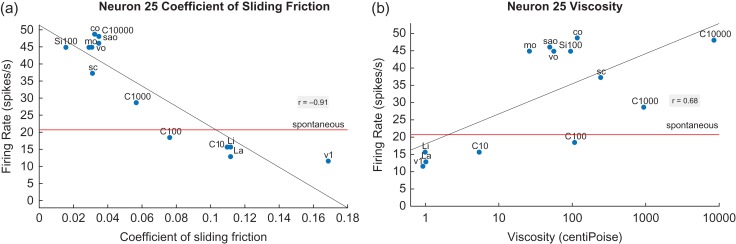
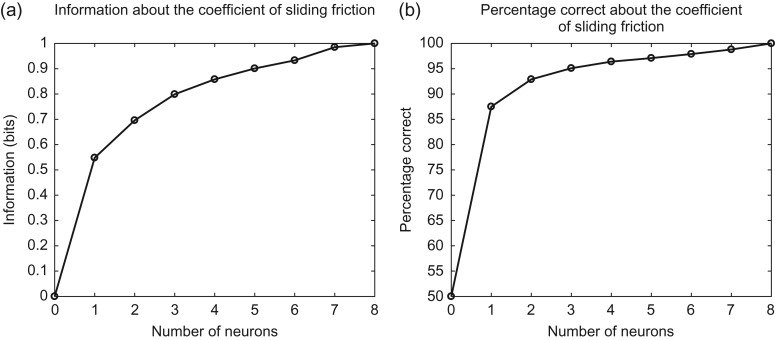
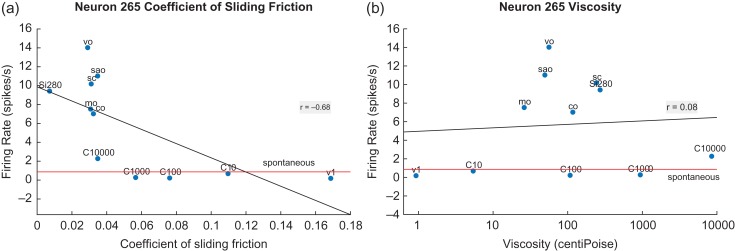
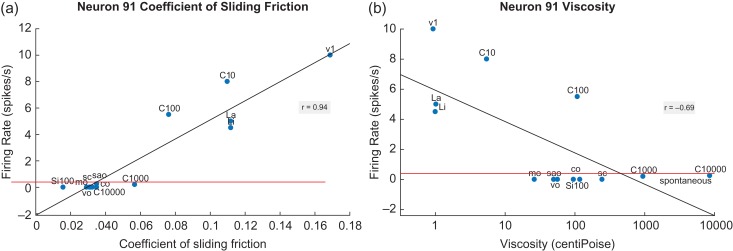
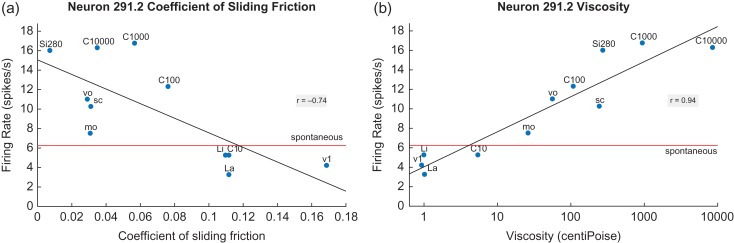
Fat in the diet contributes to the pleasant mouthfeel of many foods, but overconsumption may contribute to obesity. Here we analyze what properties of fat in the mouth are sensed, by analyzing the responses of neurons in the macaque insular taste cortex, and two areas to which it projects the orbitofrontal cortex where the pleasantness of fat is represented, and the amygdala. We discovered that the firing rate responses of these fat-responsive neurons are correlated with the coefficient of sliding friction (CSF) and not with viscosity which reflects food thickness. Other, not fat-sensitive, neurons encoded viscosity and not the CSF. Neuronal population analyses confirmed that fat-responsive neurons conveyed information about the CSF but not about viscosity. Conversely the viscosity-sensitive neuronal population conveyed information about viscosity but not about the CSF. This new understanding of the representation of oral fat in the cerebral cortex and amygdala opens the way for the systematic development of foods with the pleasant mouthfeel of fat, together with ideal nutritional content and has great potential to contribute to healthy eating and a healthy body weight.
饮食中的脂肪能为许多食物增添口感,但摄入过多可能会导致肥胖。在这里,我们通过分析猕猴岛叶味觉皮层及其投射的两个区域(即负责感知脂肪愉悦感的眶额皮质和杏仁核)中神经元的反应,来分析口中的脂肪有哪些特性可以被感知。我们发现,这些脂肪反应神经元的放电率反应与滑动摩擦系数(CSF)相关,而与反映食物厚度的粘度无关。其他非脂肪敏感神经元则编码了粘度,而不是 CSF。神经元群体分析证实,脂肪反应神经元传递了 CSF 信息,但不传递粘度信息。相反,粘度敏感神经元群体传递了粘度信息,但不传递 CSF 信息。这种对大脑皮层和杏仁核中口腔脂肪的代表的新理解,为开发具有脂肪口感、理想营养成分的食品铺平了道路,这对健康饮食和健康体重有很大的潜在贡献。