Department of Physiology, School of Basic Medical Science, Xiangya School of Medicine, Central South University, Changsha, Hunan, 410007, People's Republic of China.
J Neuroinflammation. 2018 Aug 31;15(1):246. doi: 10.1186/s12974-018-1283-5.
Chronic persistent airway inflammation has been associated with the comorbidity of asthma and bipolar disorder (BD). However, the direct relevance between airway inflammation and BD-like psychiatric comorbidity is almost unknown. Integrin β4 (ITGB4) is downregulated on the airway epithelial of asthma patients, which might play a critical role in the parthenogenesis of airway inflammation. So this study aimed to examine the role of ITGB4 deficiency in mediating airway inflammation and further leading to the BD-like behaviors.
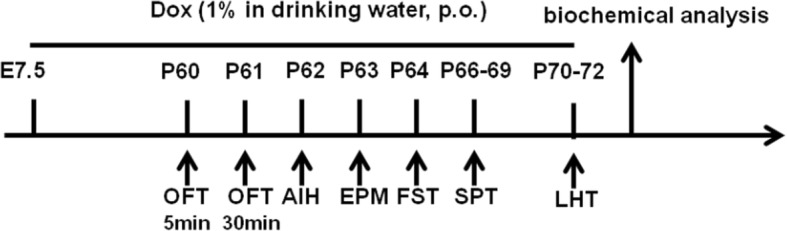
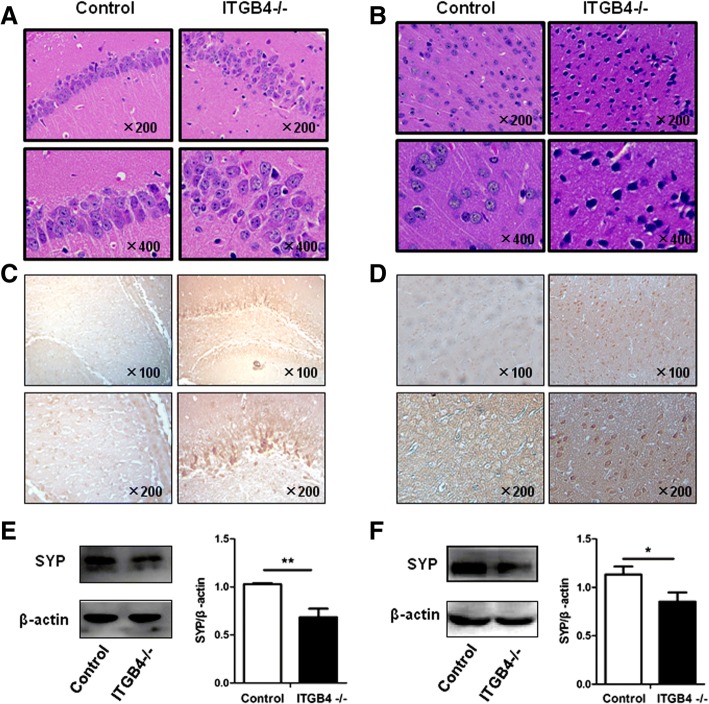
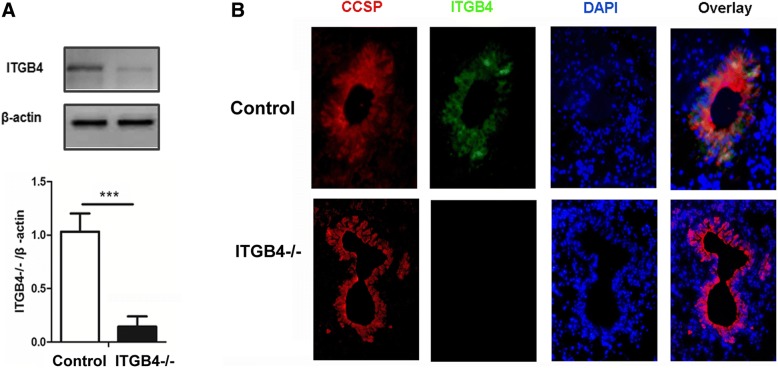
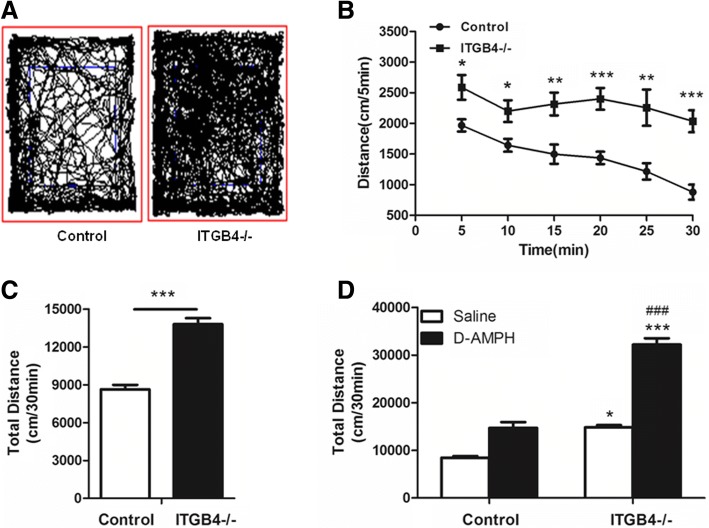
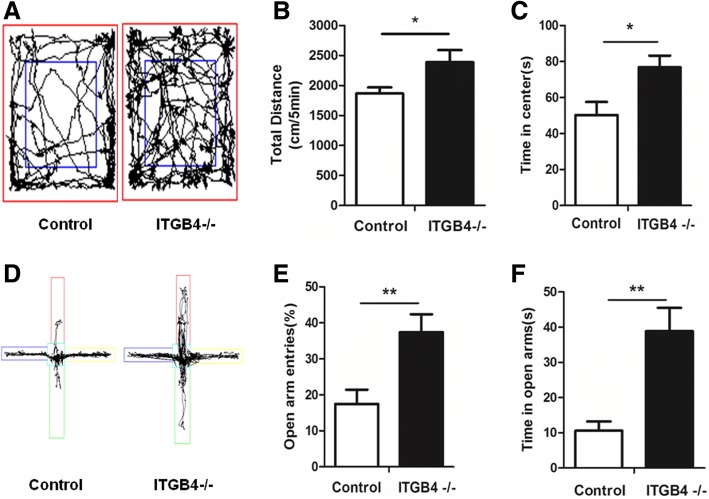
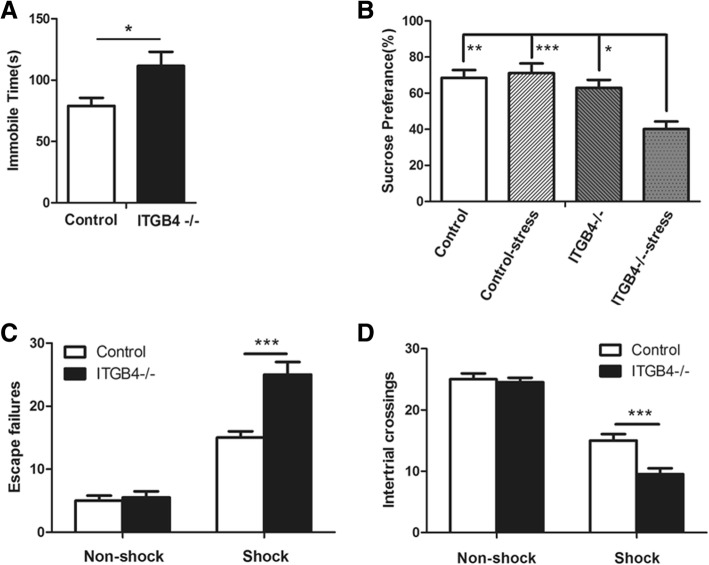
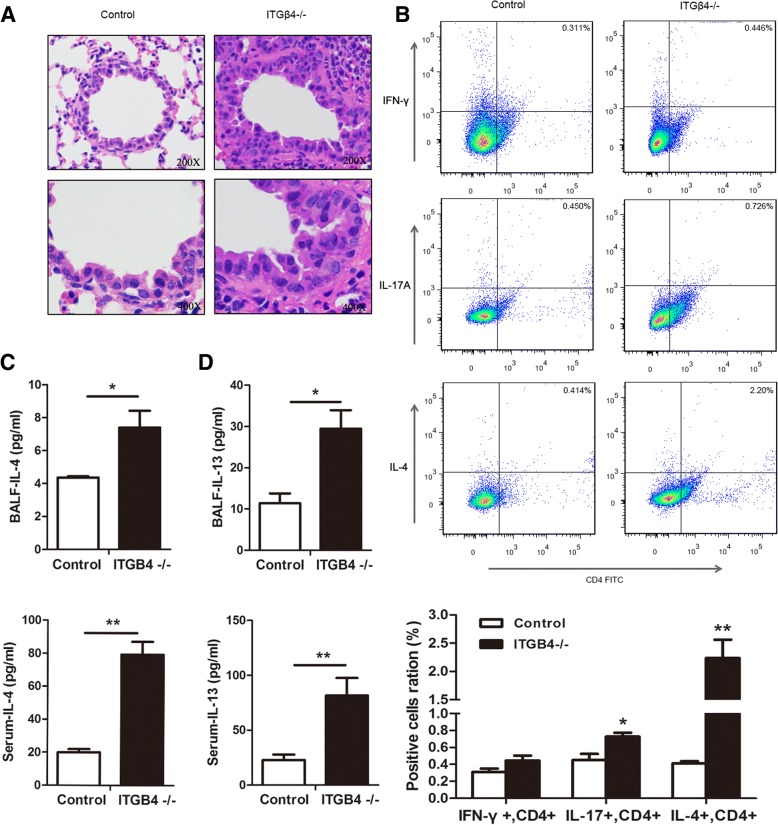
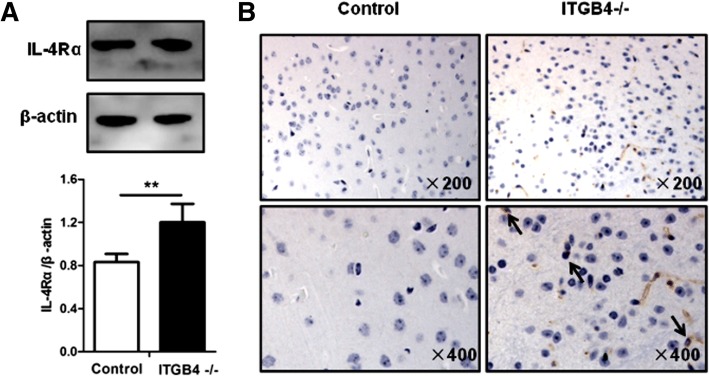
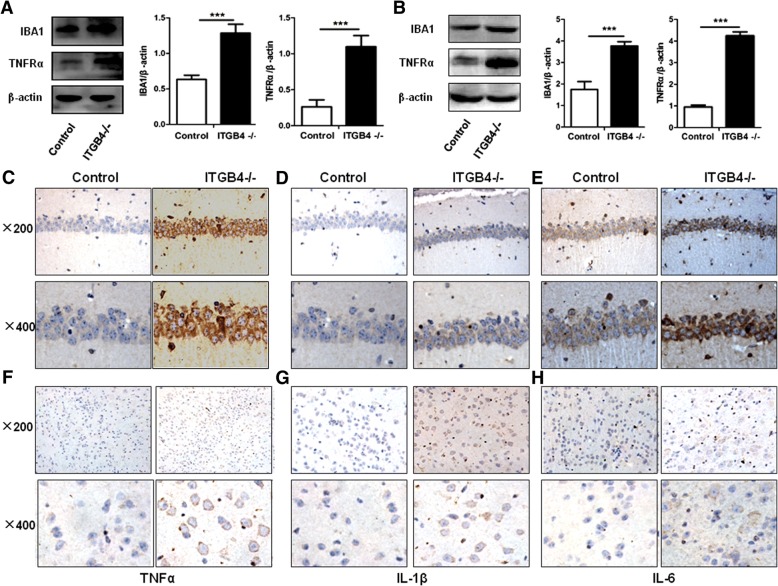
ITGB4 mice were generated by mating ITGB4 mice with CCSP-rtTA/TetO-Cretg/tg mice. Mania-like behavior tests were performed, including hyperlocomotion, D-amphetamine-induced hyperactivity, open-field test, and elevated plus-maze test. Depressive-like behavior tests were carried out, including sucrose preference, forced swimming, and learned helplessness. Inflammatory cells (Th17, Th1, Th2) in the lung were examined by flow cytometry. Futhermore, inflammatory cytokines (IL-4, IL-13) in bronchoalveolar lavage fluid and sera were detected by ELISA. Protein expression of the IL-4Rα on choroid plexus, microglial marker (IBA1), and synapse-associated proteins (synaptophysin, SYP) in the hippocampus and prefrontal cortex were examined by western blotting. Additionally, proinflammatory cytokines (IL-1β, IL-6, and TNF-α) in the hippocampus and prefrontal cortex were detected by immunohistochemistry. Inflammatory disorder in the lung, hippocampus, and prefrontal cortex was tested by hematoxylin and eosin (H&E) staining. And cell apoptosis in the hippocampus and prefrontal cortex was measured by TUNEL test.
ITGB4 mice exhibited mania-like behavior, including hyperlocomotion, D-amphetamine-induced hyperactivity, and reduced anxiety-like behavior. While under stressful conditions, ITGB4 mice manifested depressive-like behavior, including anhedonia, behavioral despair, and enhanced learned helplessness. At the same time, ITGB4 mice mainly exerted Th2-type inflammation in periphery, like the number and major cytokines IL-4 and IL-13 of Th2-type inflammation. ITGB4 mice also showed a significant increase of microglia and pro-inflammatory cytokines such as IL-1β, IL-6, and TNF-α in the hippocampus and prefrontal cortex. Additionally, neuron damage, increased neuron apoptosis, and the decrease of SYP were found in ITGB4 mice.
These findings confirmed that airway inflammatory induced by ITGB4 deficiency is the important incentive for the BD-like behavior during asthma pathogenesis. The ITGB4-deficient mice provide a validated animal model for us to study the possible mechanism of BD-like psychiatric comorbidity of asthma patients.
慢性持续性气道炎症与哮喘和双相情感障碍(BD)的合并症有关。然而,气道炎症与 BD 样精神合并症之间的直接相关性几乎未知。整合素β4(ITGB4)在哮喘患者的气道上皮细胞中下调,这可能在气道炎症的单亲生殖中发挥关键作用。因此,本研究旨在研究 ITGB4 缺乏在介导气道炎症并进一步导致 BD 样行为中的作用。
通过将 ITGB4 小鼠与 CCSP-rtTA/TetO-Cretg/tg 小鼠交配,生成 ITGB4 小鼠。进行躁狂样行为测试,包括过度活跃、D-安非他命诱导的多动、旷场试验和高架十字迷宫试验。进行抑郁样行为测试,包括蔗糖偏好、强迫游泳和习得性无助。通过流式细胞术检查肺部的炎症细胞(Th17、Th1、Th2)。此外,通过 ELISA 检测支气管肺泡灌洗液和血清中的炎症细胞因子(IL-4、IL-13)。通过蛋白质印迹法检测脉络丛中的 IL-4Rα、小胶质细胞标记物(IBA1)和海马体和前额叶皮层中的突触相关蛋白(突触素、SYP)的蛋白表达。此外,通过免疫组织化学检测海马体和前额叶皮层中的促炎细胞因子(IL-1β、IL-6 和 TNF-α)。通过苏木精和伊红(H&E)染色检测肺部、海马体和前额叶皮层的炎症紊乱。通过 TUNEL 试验测量海马体和前额叶皮层的细胞凋亡。
ITGB4 小鼠表现出躁狂样行为,包括过度活跃、D-安非他命诱导的多动和焦虑样行为减少。而在应激条件下,ITGB4 小鼠表现出抑郁样行为,包括快感缺失、行为绝望和增强的习得性无助。同时,ITGB4 小鼠在外周主要表现出 Th2 型炎症,如 Th2 型炎症的数量和主要细胞因子 IL-4 和 IL-13。ITGB4 小鼠还显示出海马体和前额叶皮层中明显的小胶质细胞和促炎细胞因子(如 IL-1β、IL-6 和 TNF-α)增加。此外,还发现 ITGB4 小鼠的神经元损伤、神经元凋亡增加和 SYP 减少。
这些发现证实,ITGB4 缺乏引起的气道炎症是哮喘发病过程中 BD 样行为的重要诱因。ITGB4 缺陷小鼠为我们研究哮喘患者 BD 样精神合并症的可能机制提供了一个有效的动物模型。