Battogtokh Gantumur, Cho Yong-Yeon, Lee Joo Young, Lee Hye Suk, Kang Han Chang
Department of Pharmacy, College of Pharmacy, The Catholic University of Korea, Bucheon, South Korea.
Front Pharmacol. 2018 Aug 17;9:922. doi: 10.3389/fphar.2018.00922. eCollection 2018.
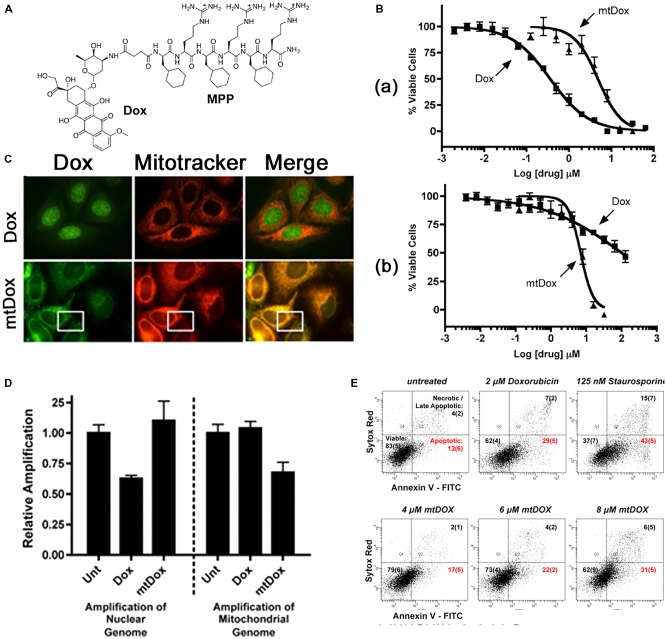
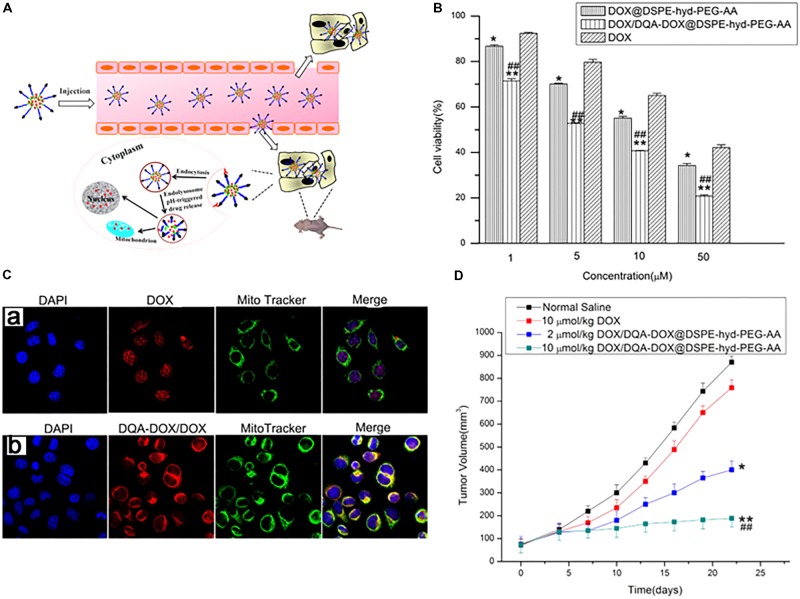
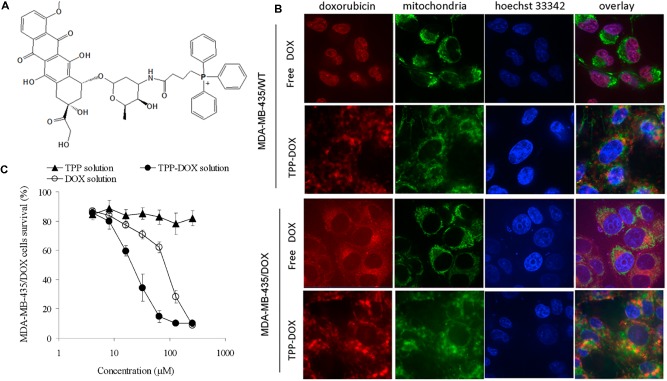
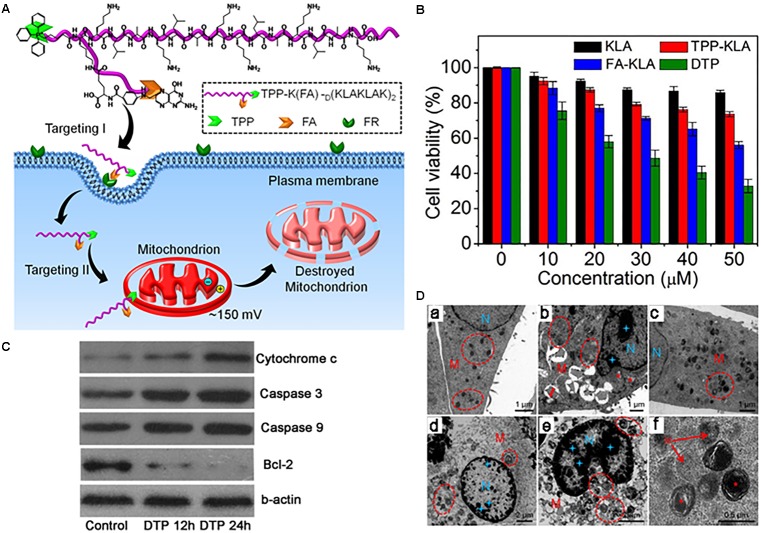
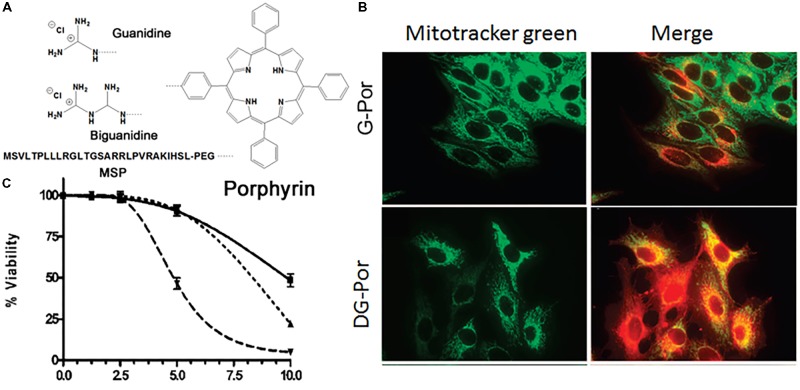
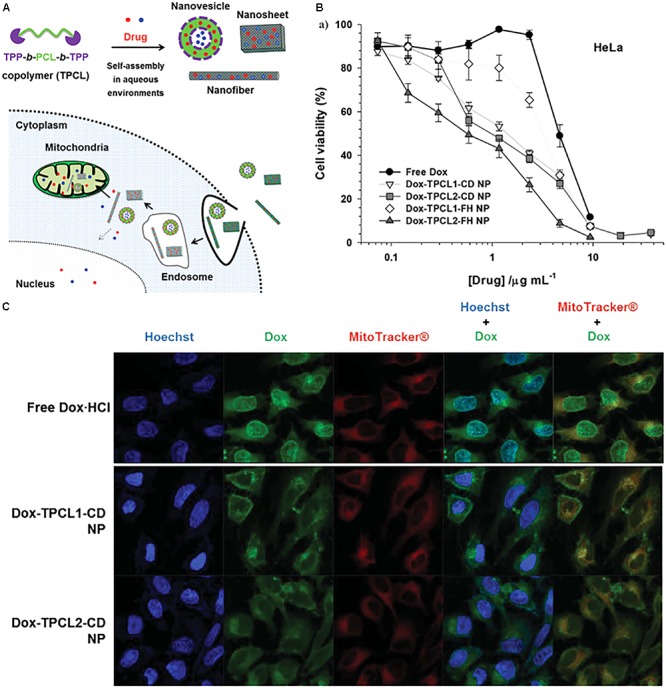
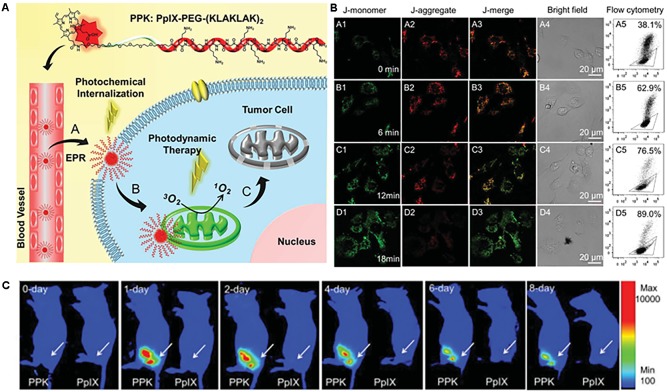
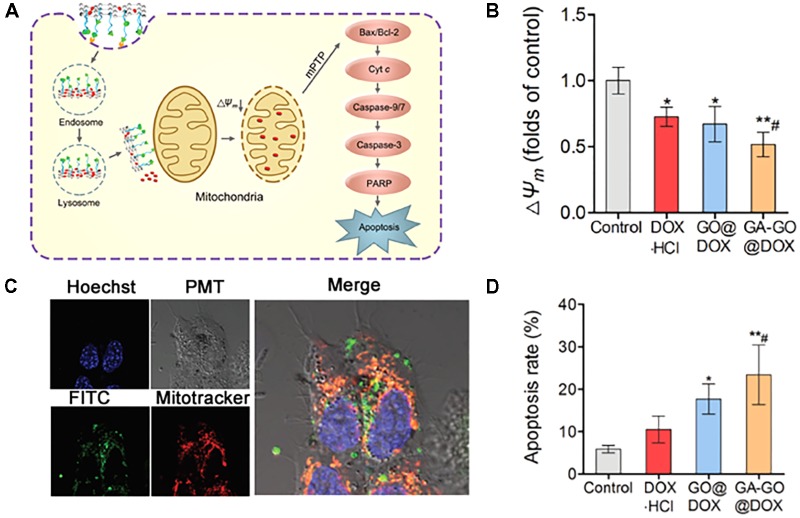
The mitochondrion is an important intracellular organelle for drug targeting due to its key roles and functions in cellular proliferation and death. In the last few decades, several studies have revealed mitochondrial functions, attracting the focus of many researchers to work in this field over nuclear targeting. Mitochondrial targeting was initiated in 1995 with a triphenylphosphonium-thiobutyl conjugate as an antioxidant agent. The major driving force for mitochondrial targeting in cancer cells is the higher mitochondrial membrane potential compared with that of the cytosol, which allows some molecules to selectively target mitochondria. In this review, we discuss mitochondria-targeting ligand-conjugated anticancer agents and their and behaviors. In addition, we describe a mitochondria-targeting nanocarrier system for anticancer drug delivery. As previously reported, several agents have been known to have mitochondrial targeting potential; however, they are not sufficient for direct application for cancer therapy. Thus, many studies have focused on direct conjugation of targeting ligands to therapeutic agents to improve their efficacy. There are many variables for optimal mitochondria-targeted agent development, such as choosing a correct targeting ligand and linker. However, using the nanocarrier system could solve some issues related to solubility and selectivity. Thus, this review focuses on mitochondria-targeting drug conjugates and mitochondria-targeted nanocarrier systems for anticancer agent delivery.
线粒体是细胞内一个重要的药物靶向细胞器,因为它在细胞增殖和死亡中发挥着关键作用。在过去几十年里,多项研究揭示了线粒体的功能,吸引了众多研究人员的关注,使其在该领域的研究热度超过了核靶向研究。线粒体靶向研究始于1995年,当时一种三苯基膦 - 硫代丁基共轭物被用作抗氧化剂。癌细胞中线粒体靶向的主要驱动力是其线粒体膜电位高于细胞质,这使得一些分子能够选择性地靶向线粒体。在这篇综述中,我们讨论了线粒体靶向配体共轭抗癌药物及其 和 行为。此外,我们描述了一种用于抗癌药物递送的线粒体靶向纳米载体系统。如先前报道,已知几种药物具有线粒体靶向潜力;然而,它们不足以直接用于癌症治疗。因此,许多研究集中在将靶向配体直接与治疗药物共轭以提高其疗效。开发最佳的线粒体靶向药物有许多变量,例如选择正确的靶向配体和连接子。然而,使用纳米载体系统可以解决一些与溶解性和选择性相关的问题。因此,本综述重点关注用于抗癌药物递送的线粒体靶向药物共轭物和线粒体靶向纳米载体系统。