Battogtokh Gantumur, Choi Yeon Su, Kang Dong Seop, Park Sang Jun, Shim Min Suk, Huh Kang Moo, Cho Yong-Yeon, Lee Joo Young, Lee Hye Suk, Kang Han Chang
Department of Pharmacy, Integrated Research Institute of Pharmaceutical Sciences, and BK21 PLUS Team for Creative Leader Program for Pharmacomics-based Future Pharmacy, College of Pharmacy, The Catholic University of Korea, Gyeonggi-do 14662, Republic of Korea.
Division of Bioengineering, Incheon National University, Incheon 22012, Republic of Korea.
Acta Pharm Sin B. 2018 Oct;8(6):862-880. doi: 10.1016/j.apsb.2018.05.006. Epub 2018 May 18.
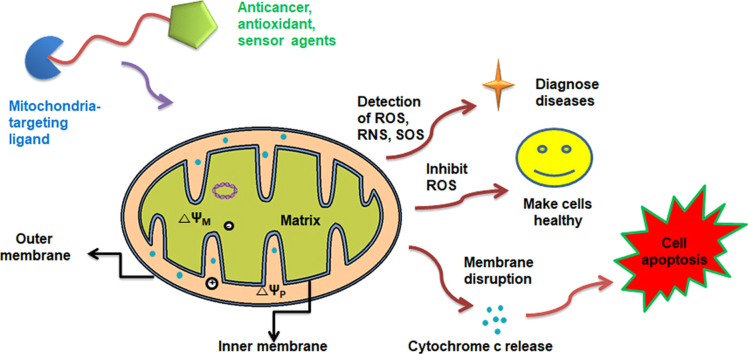
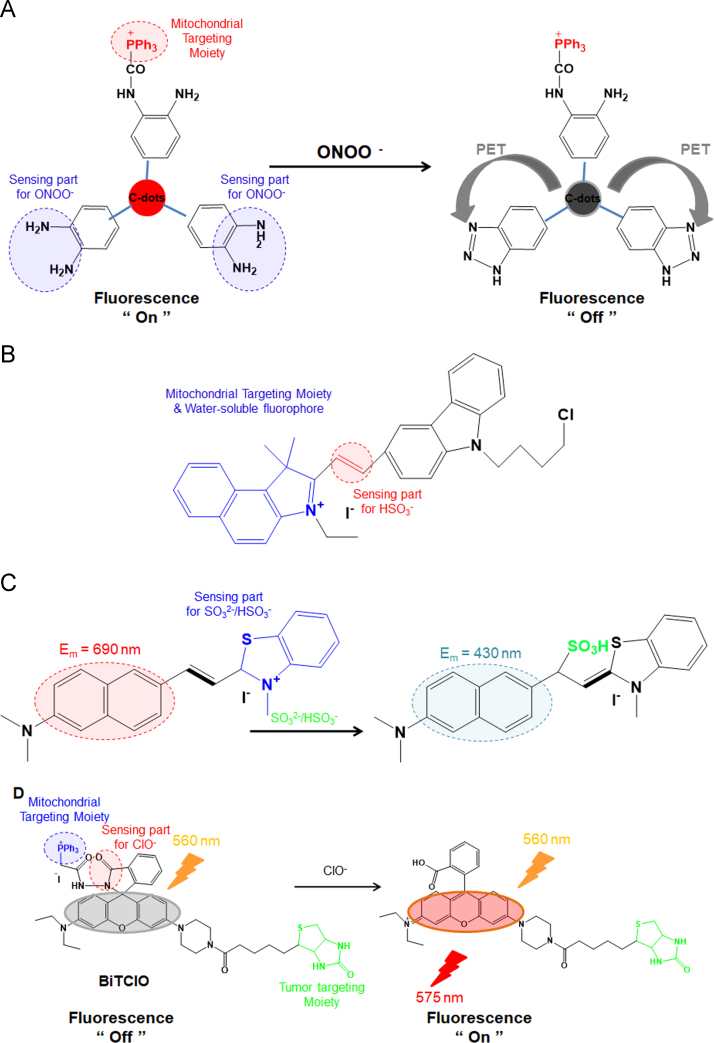
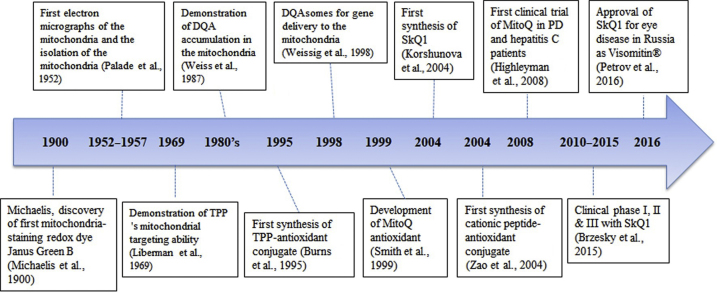
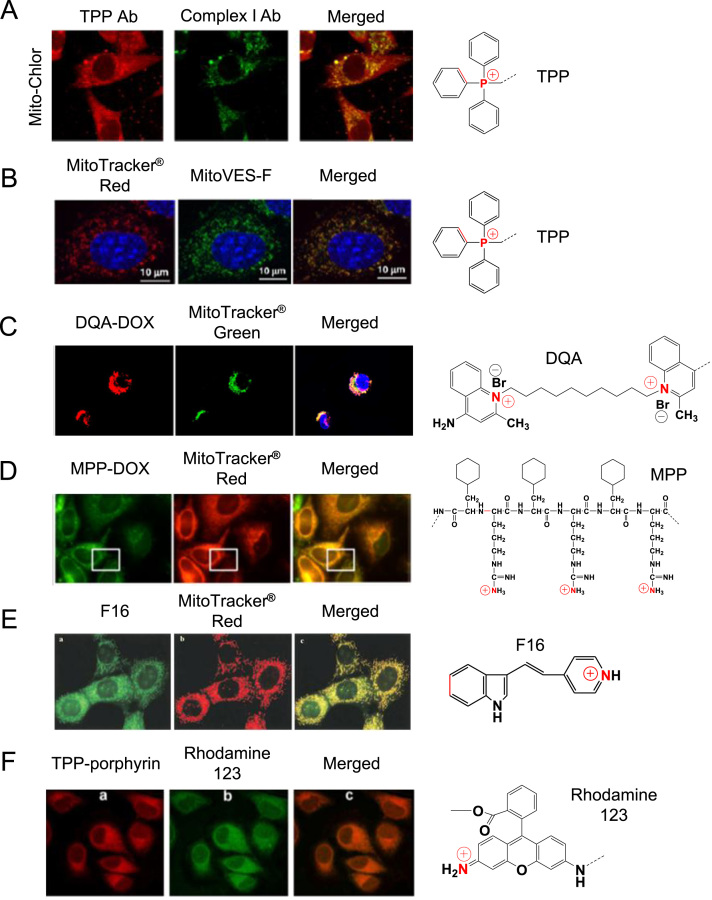
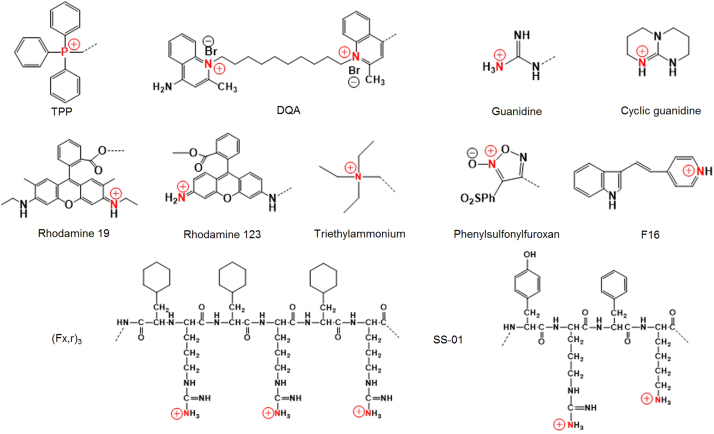
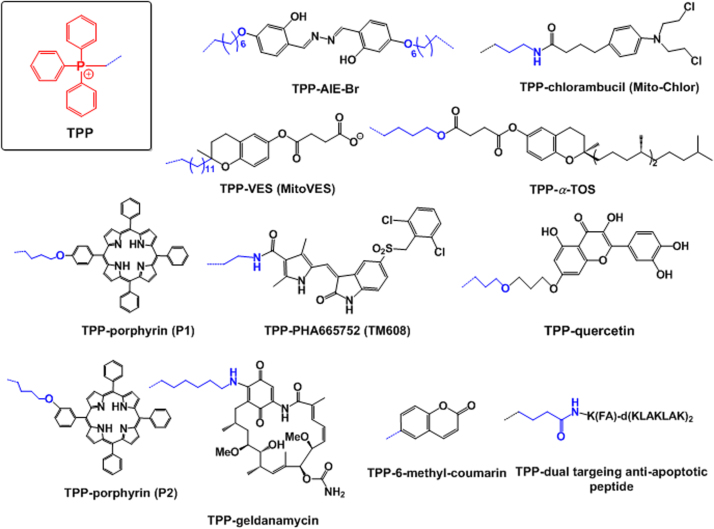
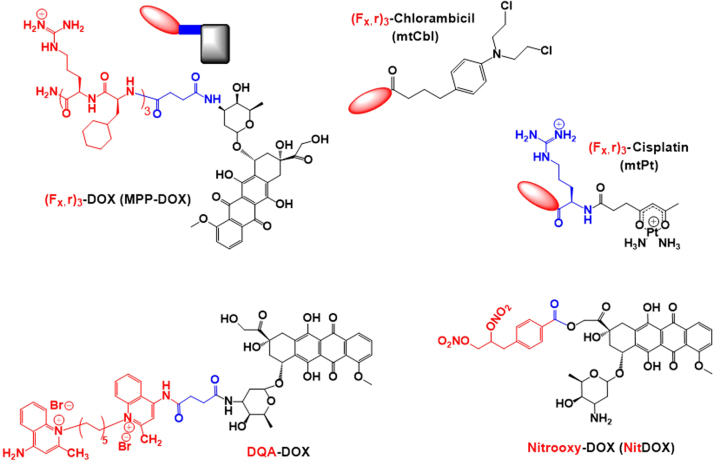
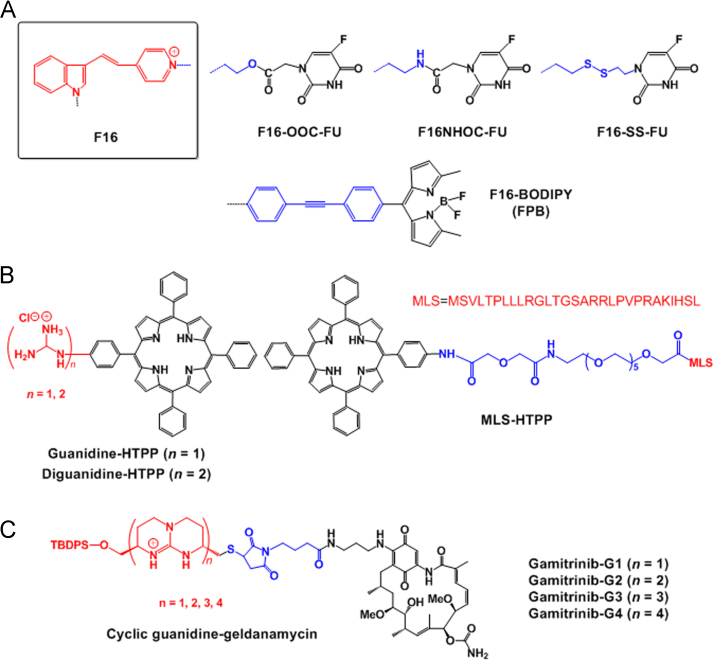
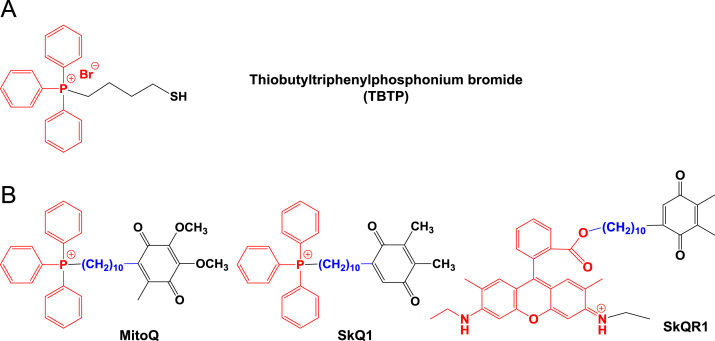
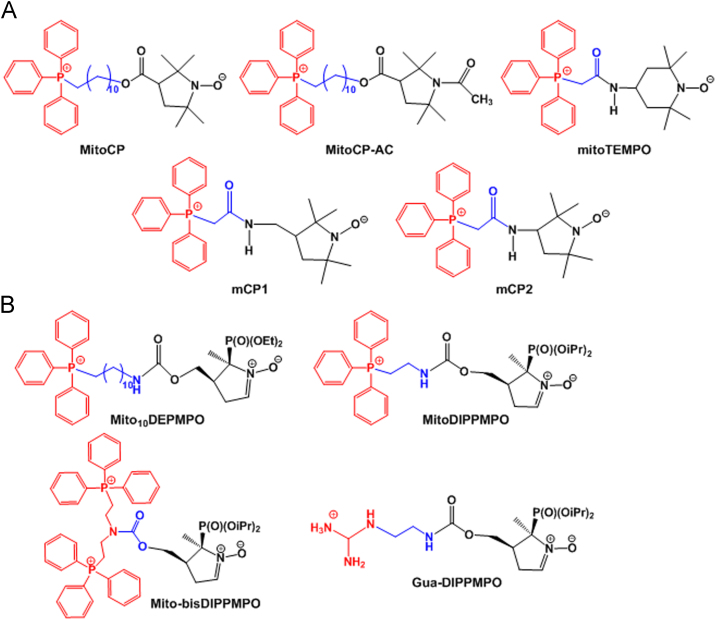
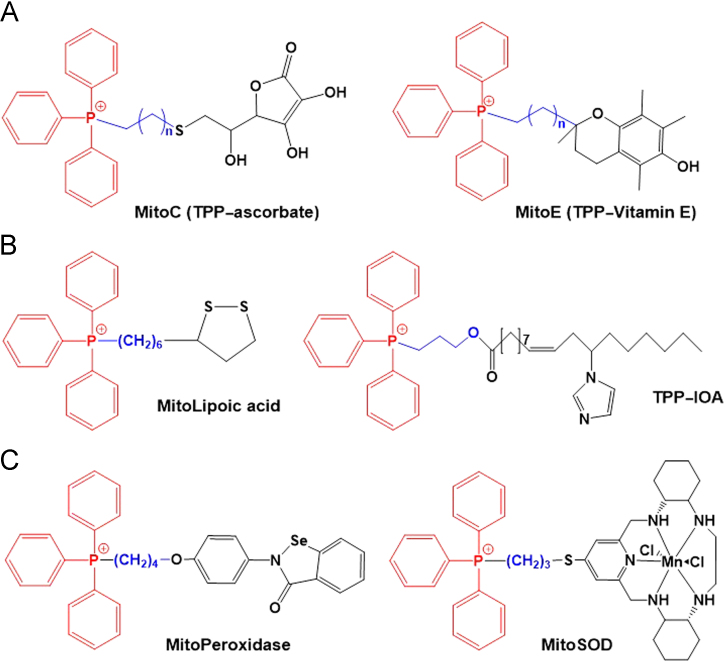
Mitochondrial targeting is a promising approach for solving current issues in clinical application of chemotherapy and diagnosis of several disorders. Here, we discuss direct conjugation of mitochondrial-targeting moieties to anticancer drugs, antioxidants and sensor molecules. Among them, the most widely applied mitochondrial targeting moiety is triphenylphosphonium (TPP), which is a delocalized cationic lipid that readily accumulates and penetrates through the mitochondrial membrane due to the highly negative mitochondrial membrane potential. Other moieties, including short peptides, dequalinium, guanidine, rhodamine, and F16, are also known to be promising mitochondrial targeting agents. Direct conjugation of mitochondrial targeting moieties to anticancer drugs, antioxidants and sensors results in increased cytotoxicity, anti-oxidizing activity and sensing activity, respectively, compared with their non-targeting counterparts, especially in drug-resistant cells. Although many mitochondria-targeted anticancer drug conjugates have been investigated and , further clinical studies are still needed. On the other hand, several mitochondria-targeting antioxidants have been analyzed in clinical phases I, II and III trials, and one conjugate has been approved for treating eye disease in Russia. There are numerous ongoing studies of mitochondria-targeted sensors.
线粒体靶向是解决化疗临床应用及多种疾病诊断中当前问题的一种有前景的方法。在此,我们讨论线粒体靶向部分与抗癌药物、抗氧化剂及传感分子的直接偶联。其中,应用最广泛的线粒体靶向部分是三苯基膦(TPP),它是一种离域阳离子脂质,由于线粒体膜电位高度为负,它容易积累并穿透线粒体膜。其他部分,包括短肽、地喹氯铵、胍、罗丹明和F16,也被认为是有前景的线粒体靶向剂。与非靶向对应物相比,线粒体靶向部分与抗癌药物、抗氧化剂及传感器的直接偶联分别导致细胞毒性增加、抗氧化活性增强和传感活性提高,尤其是在耐药细胞中。尽管已经对许多线粒体靶向抗癌药物偶联物进行了研究,但仍需要进一步的临床研究。另一方面,几种线粒体靶向抗氧化剂已在I期、II期和III期临床试验中进行了分析,并且有一种偶联物已在俄罗斯被批准用于治疗眼部疾病。目前有许多关于线粒体靶向传感器的正在进行的研究。