Zhuang Xiaodong, Lai Alvina G, McKeating Jane A, Rowe Ian, Balfe Peter
Nuffield Department of Medicine, University of Oxford, Oxford, Oxfordshire, OX3 7AZ, UK.
Institute for Data Analytics, University of Leeds, Leeds, Yorkshire, UK.
Wellcome Open Res. 2018 Sep 20;3:96. doi: 10.12688/wellcomeopenres.14696.2. eCollection 2018.
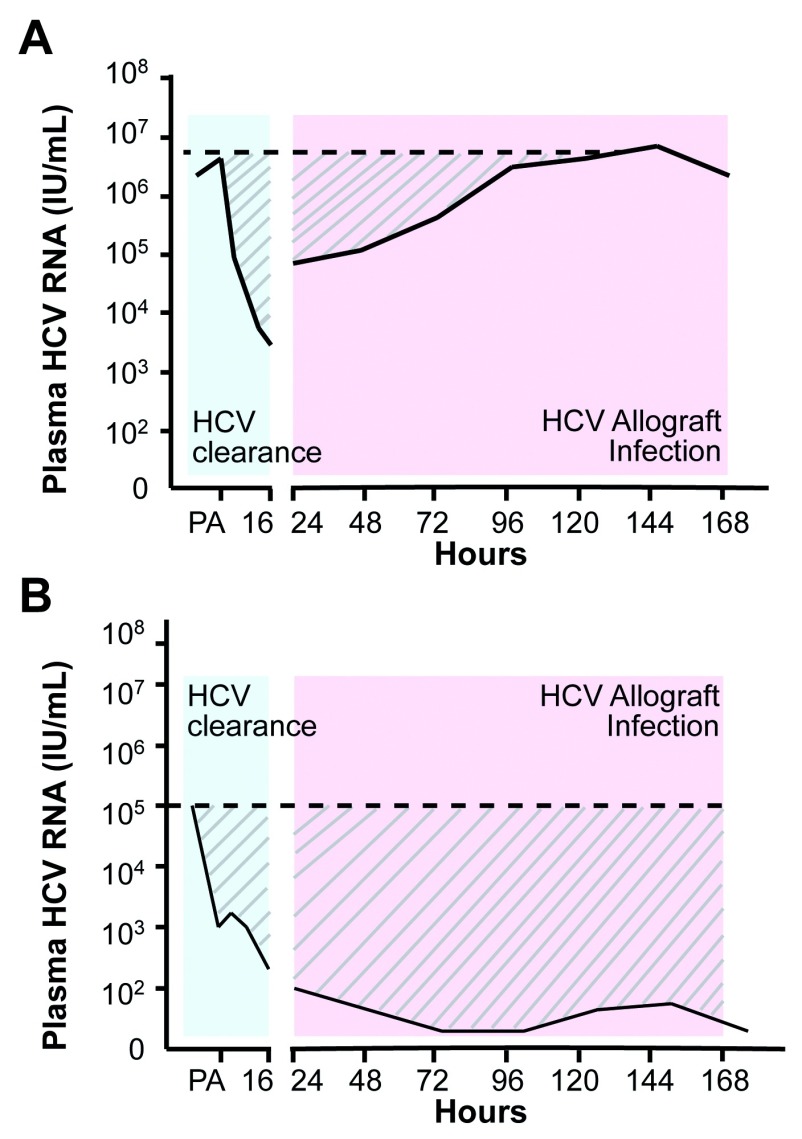
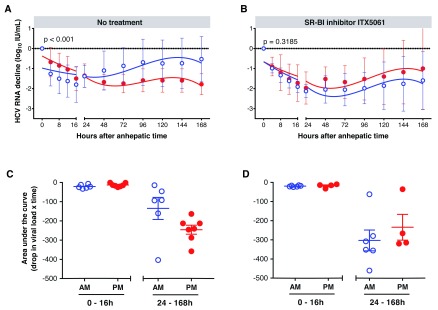
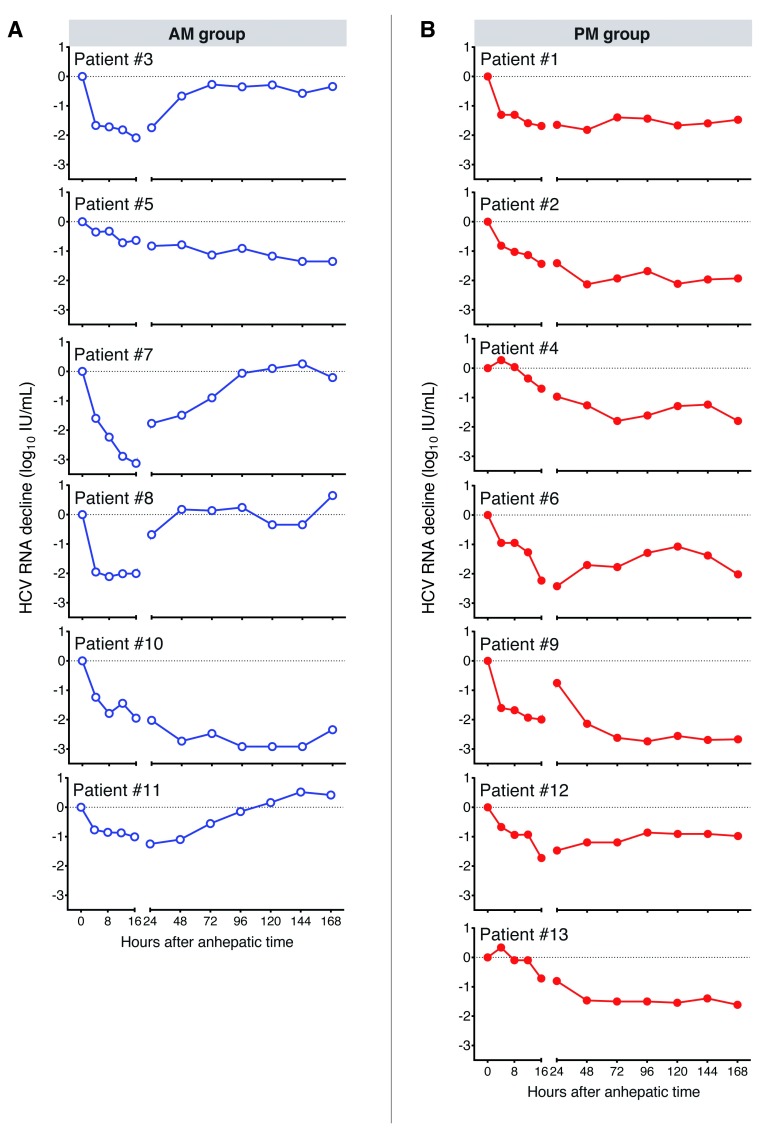
There is a growing interest in the role of circadian regulated pathways in disease pathogenesis. In a cohort of hepatitis C virus (HCV) infected patients undergoing liver transplantation, we observed differences in early viral infection kinetics of the allograft that associated with the time of liver transplant. A higher frequency of subjects transplanted in the morning showed a rebound in viral RNA levels (n=4/6) during the first week post-surgery. In contrast, no viral rebound was observed in seven subjects transplanted in the afternoon. None of the other parameters previously reported to influence viral replication in the post-transplant setting, such as donor age, cold-ischemia time and length of surgery associated with viral rebound. These observation highlights a role for circadian processes to regulate HCV infection of the liver and warrants further investigation.
昼夜节律调节通路在疾病发病机制中的作用越来越受到关注。在一组接受肝移植的丙型肝炎病毒(HCV)感染患者中,我们观察到同种异体移植物早期病毒感染动力学的差异与肝移植时间有关。上午接受移植的患者中,较高比例(n = 4/6)在术后第一周出现病毒RNA水平反弹。相比之下,下午接受移植的7名患者未观察到病毒反弹。之前报道的在移植后环境中影响病毒复制的其他参数,如供体年龄、冷缺血时间和手术时长,均与病毒反弹无关。这些观察结果凸显了昼夜节律过程在调节肝脏HCV感染中的作用,值得进一步研究。