Vasilyan Davit
JURASSICA Museum, Porrentruy, Switzerland.
Department of Geosciences, University of Fribourg, Fribourg, Switzerland.
PeerJ. 2018 Aug 27;6:e5511. doi: 10.7717/peerj.5511. eCollection 2018.
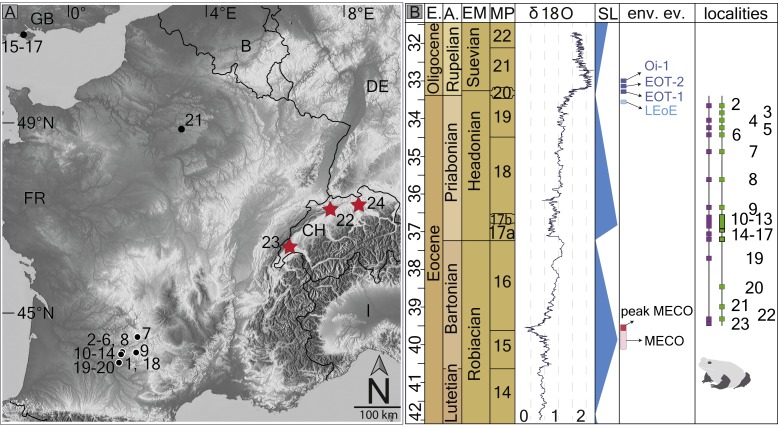
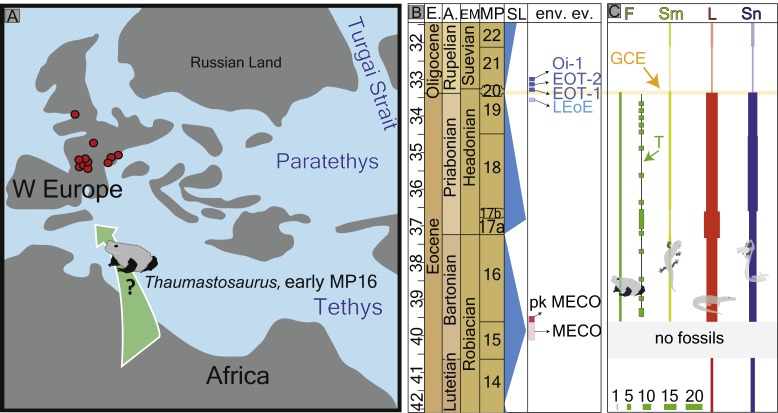
Amphibians, due to their ecophysiological peculiarities, have a physiology dependent on environmental conditions and sensitively respond to their changes. Here, the oldest record of the genus is described, whose fossil record known exclusively from Western Europe is discussed in the scope of the climatic changes of 33.5-40.5 Ma.
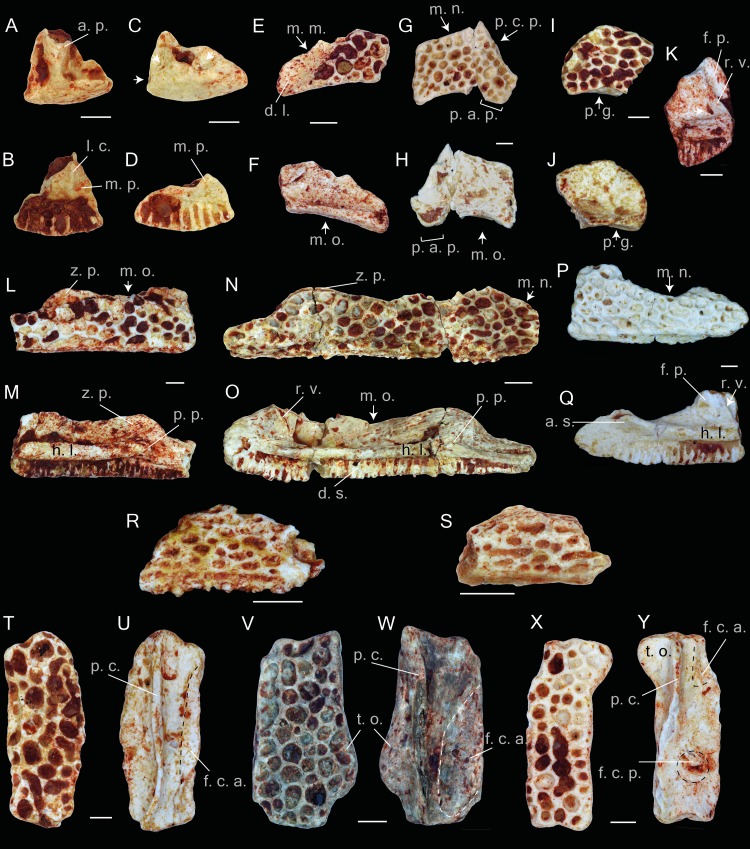
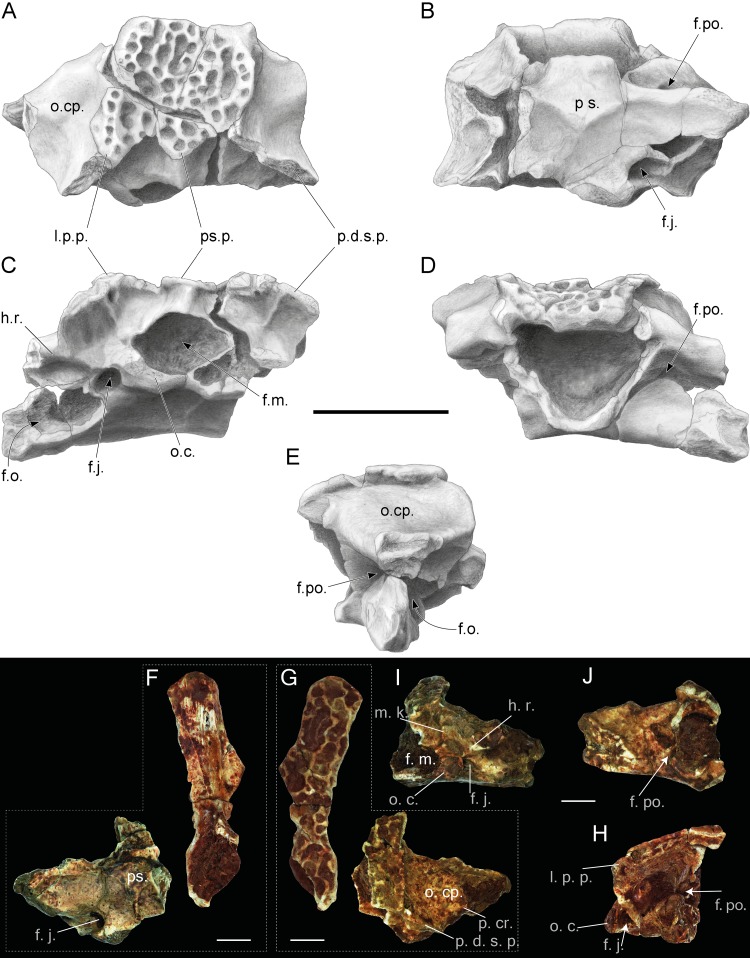
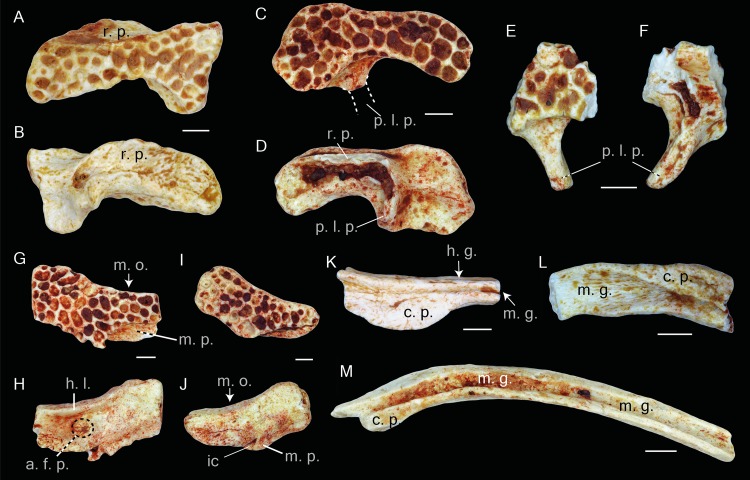
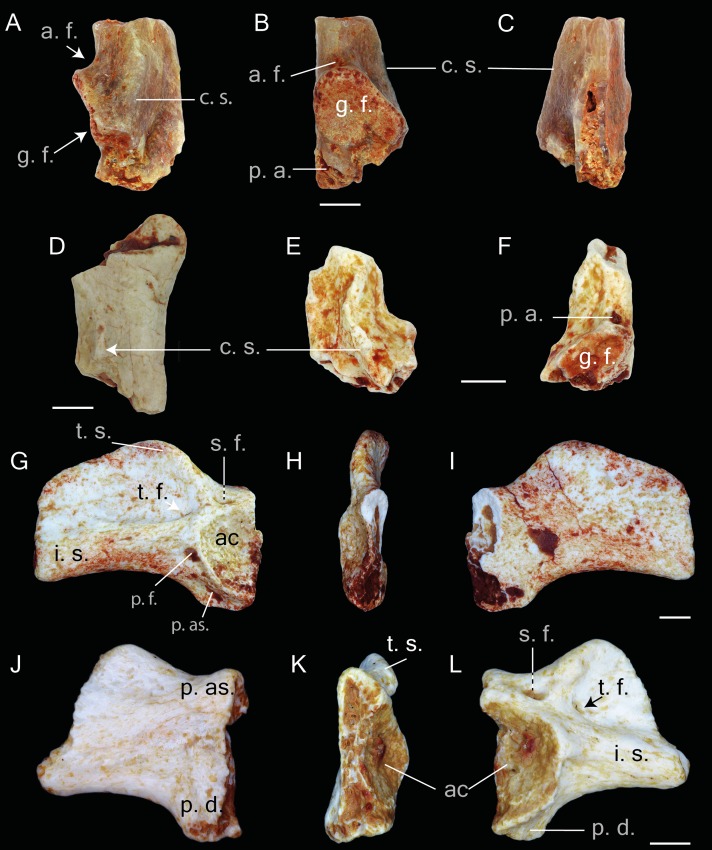
In the present paper, the fossil remains of the genus from three localities in Switzerland (11 samples overall) have been studied and referred to the species . Its stratigraphic distribution has been revised and summarised. The studied localities present the stratigraphically oldest and the most eastern occurrences of the genus . Eocene probable ranids (Ranidae indet./ sp./? sp.) from Europe could be referred to .
Their first occurrence of ranids most likely coincides with a warm phase of the global climate at 40 Ma, as tropical conditions were prevailing in Europe. As a result of the gradual cooling of the global climate, the tropical conditions in Europe were replaced by drier open habitats towards the latest Eocene at 34 Ma, when the latest occurrence of the European endemic genus is known. Taking the fossil record and the climate evolution of that time into account, it can be concluded that represents one of the groups among the vertebrates that disappeared during the large extinction event at the Eo-Oligocene transition, known as the Grande Coupure. The fossil finds of the genus from the studied localities allow to refer the previously suggested Eocene true frogs to the genus , hereby stating the arrival of the true frog family Ranidae by the genus in Europe from the east at the earliest Oligocene.
两栖动物因其生态生理特性,具有依赖环境条件的生理特征,并对环境变化敏感响应。在此,描述了该属的最古老记录,并在3350 - 4050万年前气候变化的范围内讨论了其仅在西欧已知的化石记录。
在本文中,对来自瑞士三个地点(共11个样本)的该属化石遗骸进行了研究,并将其归为该物种。对其地层分布进行了修订和总结。所研究的地点呈现出该属在地层上最古老且最东部的出现情况。欧洲始新世可能的蛙科动物(蛙科未定种/ 种/? 种)可归为该属。
它们首次出现蛙科动物很可能与4000万年前全球气候的温暖期相吻合,当时欧洲普遍存在热带条件。由于全球气候逐渐变冷,到3400万年前的晚始新世,欧洲的热带条件被更干燥的开阔栖息地所取代,此时已知欧洲特有属的最晚出现情况。考虑到当时的化石记录和气候演变,可以得出结论,该属代表了在始新世 - 渐新世过渡时期的大灭绝事件(即大间断)中消失的脊椎动物群体之一。从所研究地点发现的该属化石使我们能够将先前提出的始新世真蛙归为该属,从而表明最早在渐新世,真蛙科的真蛙属从东方抵达欧洲。