Liu Lijun, Jiang Han, Zhao Jin, Wen Hao
Department of Stomatology, Stomatology of Mylike Plastic and Cosmetic Hospital of ChongQing, Chongqing, China.
Department of Oral and Maxillofacial Surgery, School of Stomatology, The First Affiliated Hospital of Xinjiang Medical University, Xinjiang, China,
Onco Targets Ther. 2018 Aug 23;11:5111-5119. doi: 10.2147/OTT.S153888. eCollection 2018.
Oral carcinoma, one of the most commonly diagnosed cancers, has a poor prognosis and low survival rate with treatment. In recent years, some studies reported the upregulation of miRNA-16 (miR-16) in the oral carcinoma, whereas some other studies confirmed the downregulation of miR-16. In the current study, we aimed to investigate the function of miR-16 in oral carcinoma.
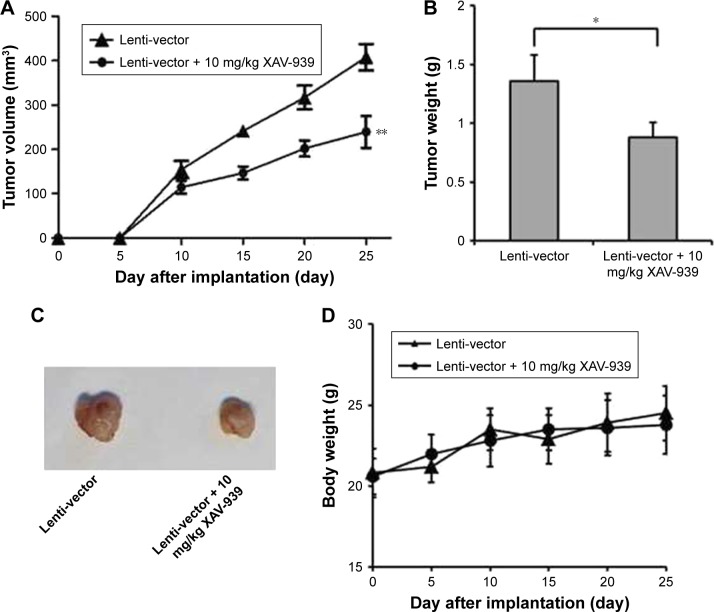
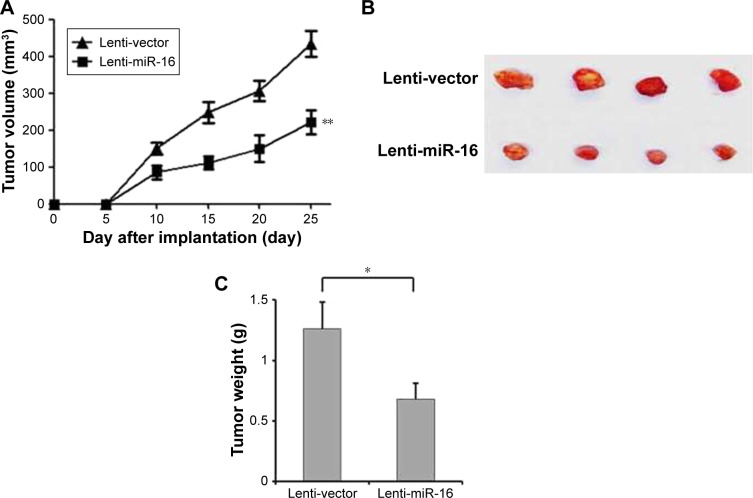
Cell proliferation assay was measured by MTT assay, quantitative real time polymerase chain reaction (qRT-PCR) was used to evaluate the expression of miR-16, and apoptosis was analyzed by flow cytometry. In addition, the expression of proteins was detected by Western blot. Moreover, xenograft tumor model was established to detect the effect of miR-16 in vivo.
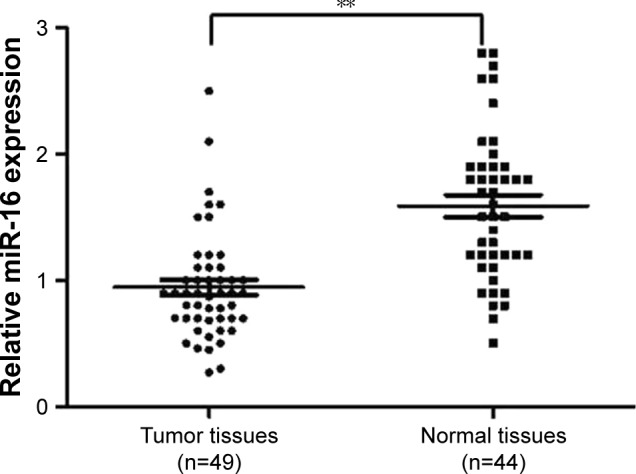
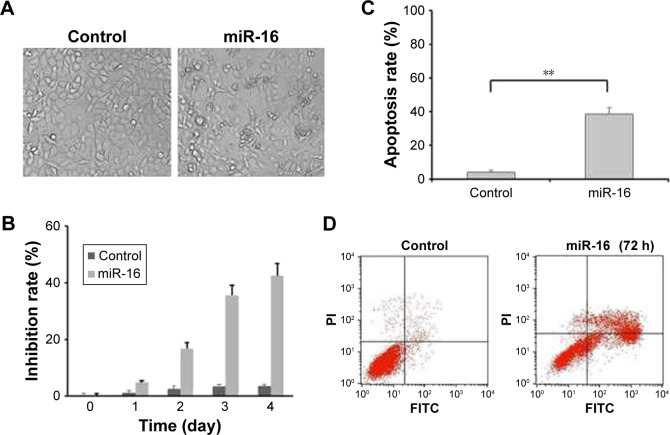
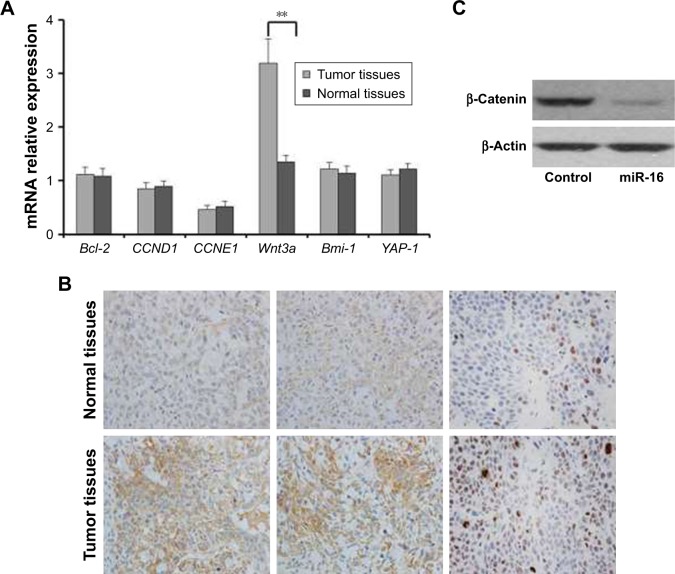
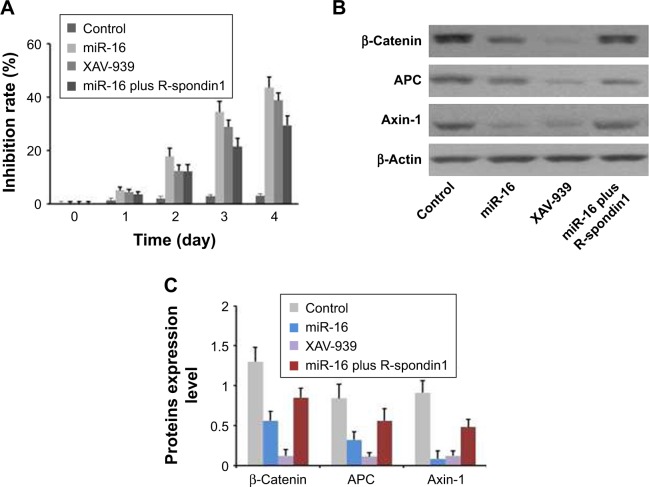
The results suggested that miR-16 was downregulated in the oral carcinoma tissues. Overexpression of miR-16 inhibited the growth and proliferation of oral squamous carcinoma cells (OSCCs) and induced apoptosis both in vitro and in vivo, which is due to the suppression of Wnt/β-catenin signaling pathway.
This study provides evidence that overexpression of miR-16 inhibits OSCC growth by regulating Wnt/β-catenin signaling. Our findings suggest that overexpression of miR-16 could be a potential approach for gene therapy of OSCC in future.
口腔癌是最常被诊断出的癌症之一,其预后较差,治疗后的生存率较低。近年来,一些研究报道口腔癌中miRNA-16(miR-16)表达上调,而其他一些研究则证实miR-16表达下调。在本研究中,我们旨在探究miR-16在口腔癌中的功能。
通过MTT法检测细胞增殖,采用定量实时聚合酶链反应(qRT-PCR)评估miR-16的表达,并通过流式细胞术分析细胞凋亡。此外,通过蛋白质印迹法检测蛋白质表达。而且,建立异种移植肿瘤模型以检测miR-16在体内的作用。
结果表明,miR-16在口腔癌组织中表达下调。miR-16的过表达在体外和体内均抑制口腔鳞状癌细胞(OSCC)的生长和增殖并诱导细胞凋亡,这是由于Wnt/β-连环蛋白信号通路受到抑制。
本研究提供了证据表明miR-16的过表达通过调节Wnt/β-连环蛋白信号通路抑制OSCC生长。我们的研究结果表明,miR-16的过表达可能是未来OSCC基因治疗的一种潜在方法。