Biochemistry Department, University of Wisconsin-Madison, Madison, WI 53706, USA.
Molecules. 2018 Aug 31;23(9):2213. doi: 10.3390/molecules23092213.
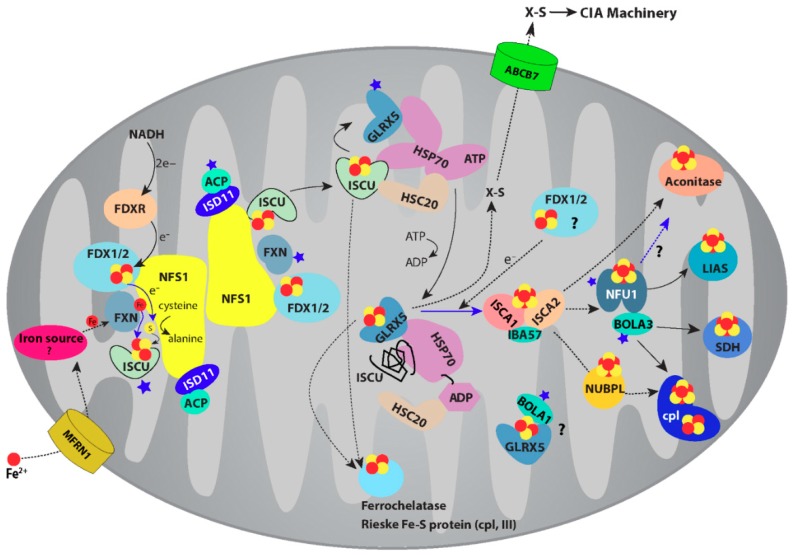
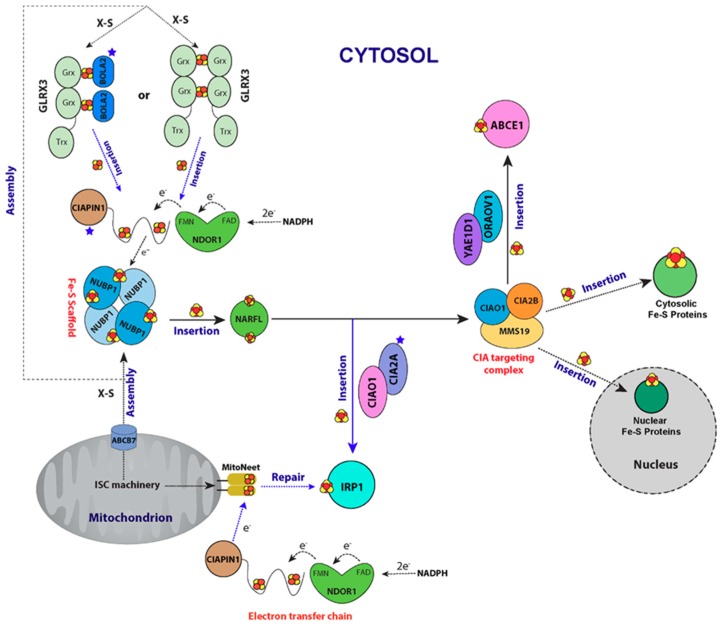
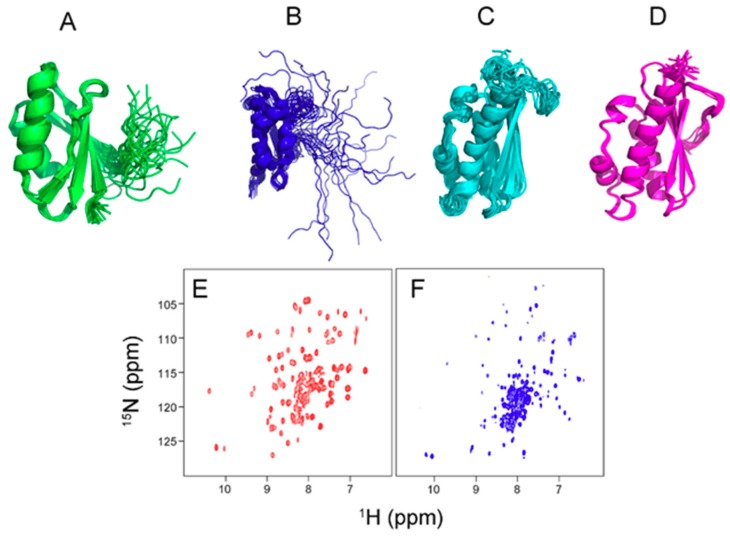
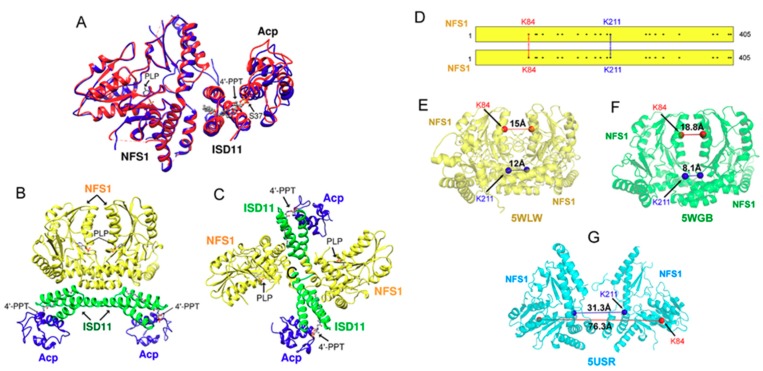
Iron-sulfur (Fe-S) clusters, the ubiquitous protein cofactors found in all kingdoms of life, perform a myriad of functions including nitrogen fixation, ribosome assembly, DNA repair, mitochondrial respiration, and metabolite catabolism. The biogenesis of Fe-S clusters is a multi-step process that involves the participation of many protein partners. Recent biophysical studies, involving X-ray crystallography, nuclear magnetic resonance (NMR) spectroscopy, mass spectrometry (MS), and small angle X-ray scattering (SAXS), have greatly improved our understanding of these steps. In this review, after describing the biological importance of iron sulfur proteins, we focus on the contributions of NMR spectroscopy has made to our understanding of the structures, dynamics, and interactions of proteins involved in the biosynthesis of Fe-S cluster proteins.
铁硫(Fe-S)簇是一种普遍存在于所有生命形式中的蛋白质辅因子,具有多种功能,包括固氮、核糖体组装、DNA 修复、线粒体呼吸和代谢物分解代谢。Fe-S 簇的生物发生是一个多步骤的过程,涉及许多蛋白质伴侣的参与。最近的生物物理研究,包括 X 射线晶体学、核磁共振(NMR)光谱学、质谱(MS)和小角度 X 射线散射(SAXS),极大地提高了我们对这些步骤的理解。在描述铁硫蛋白的生物学重要性之后,本文重点介绍了 NMR 光谱学在理解参与 Fe-S 簇蛋白生物合成的蛋白质的结构、动态和相互作用方面所做出的贡献。