Guo Li, Karoubi Golnaz, Duchesneau Pascal, Aoki Fabio Gava, Shutova Maria V, Rogers Ian, Nagy Andras, Waddell Thomas K
1Division of Thoracic Surgery, Toronto General Hospital Research Institute, University Health Network, University of Toronto, Toronto, ON Canada.
Lunenfeld Tanenbaum Research Institute, Sinai Health System, Toronto, ON Canada.
NPJ Regen Med. 2018 Sep 4;3:14. doi: 10.1038/s41536-018-0052-5. eCollection 2018.
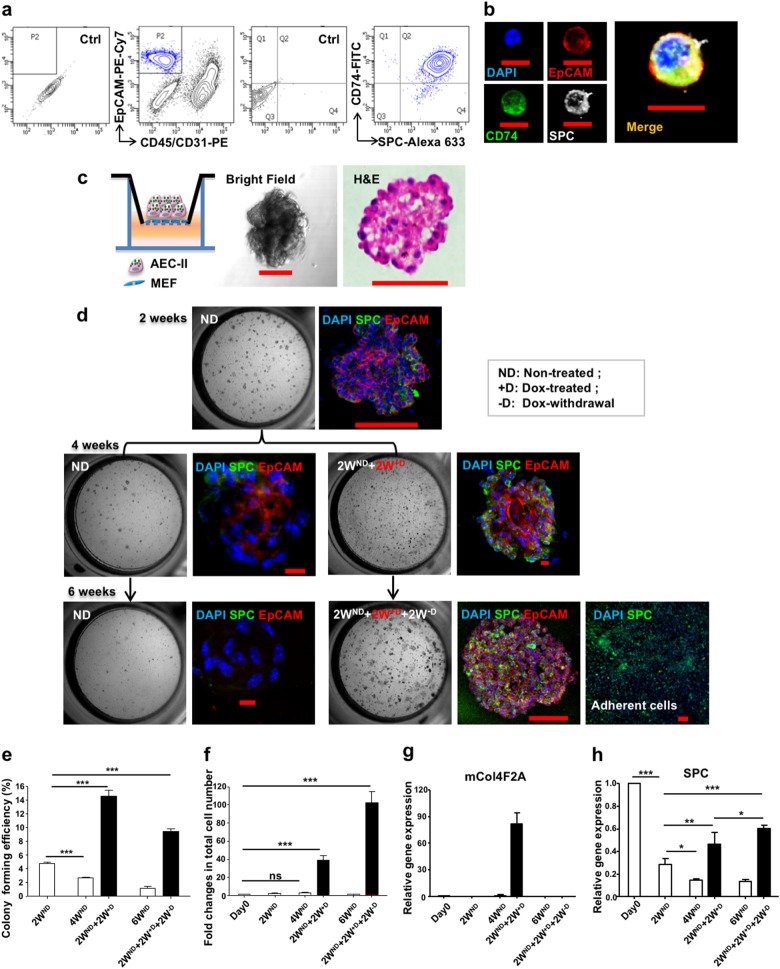
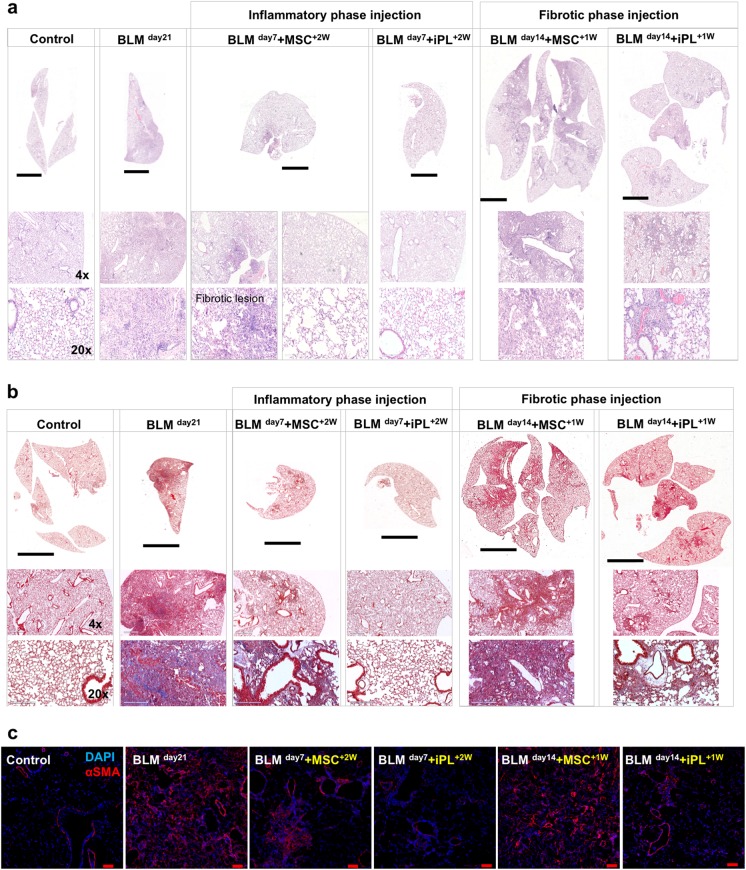
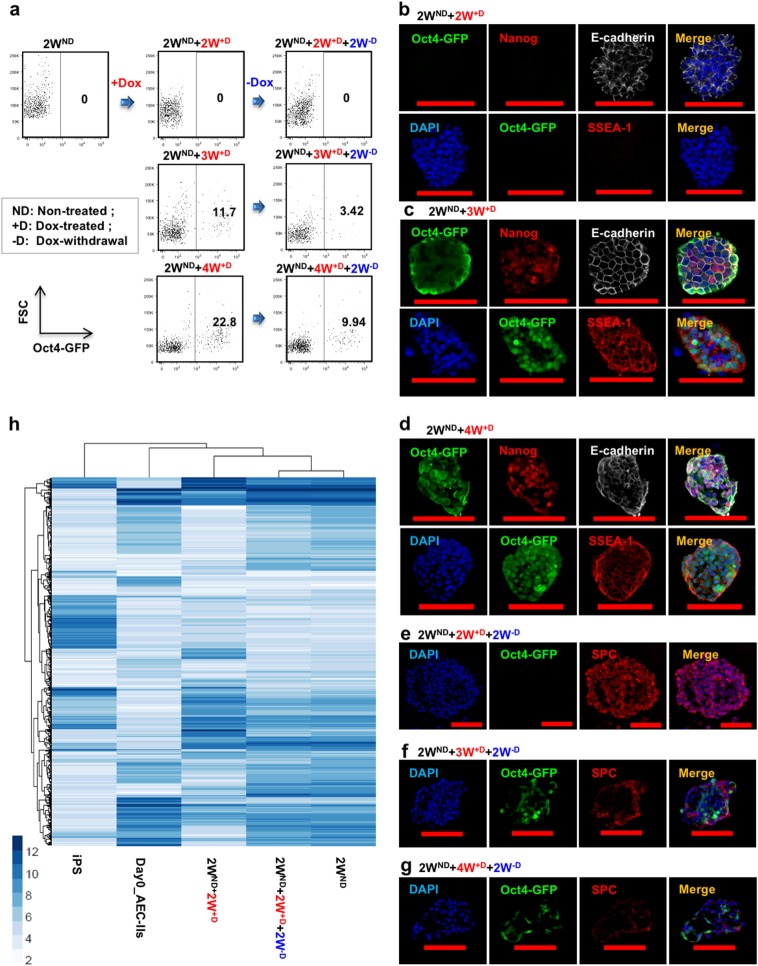
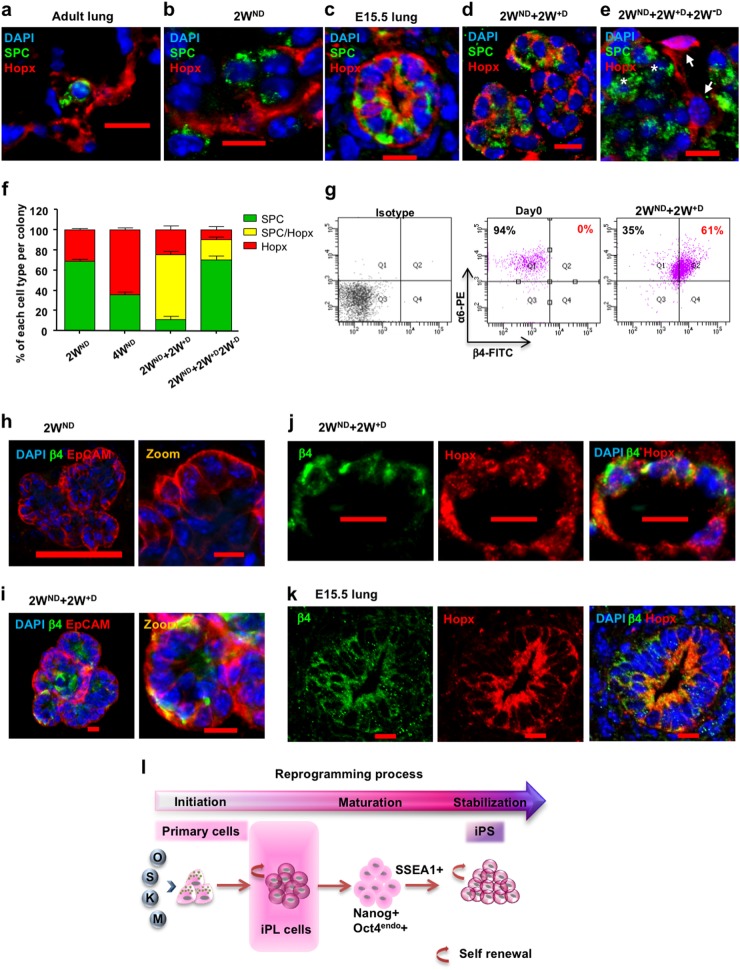
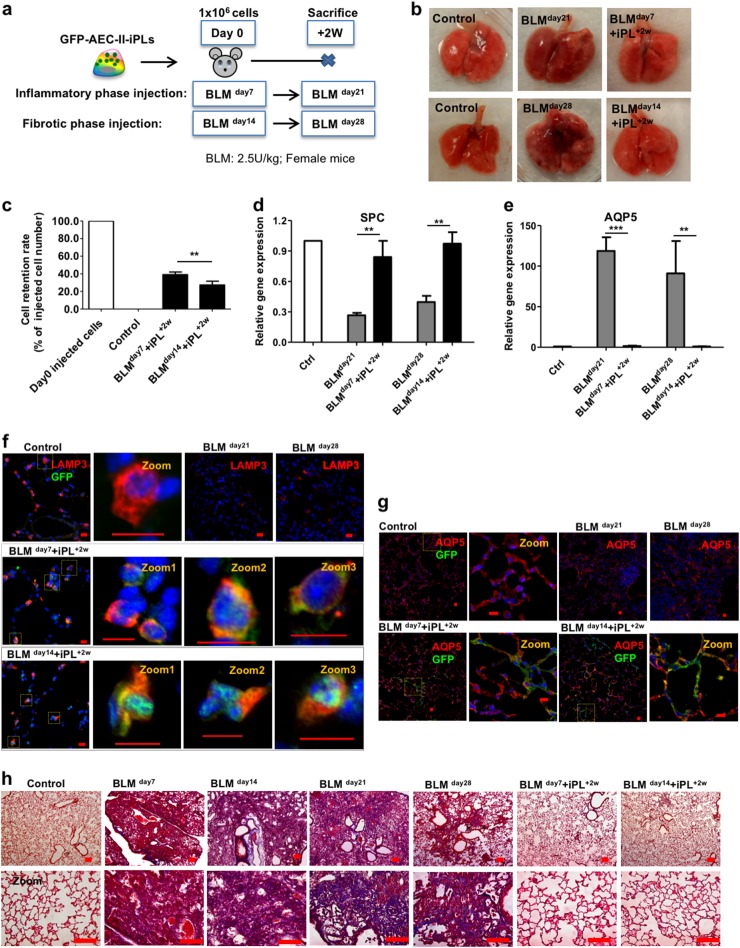
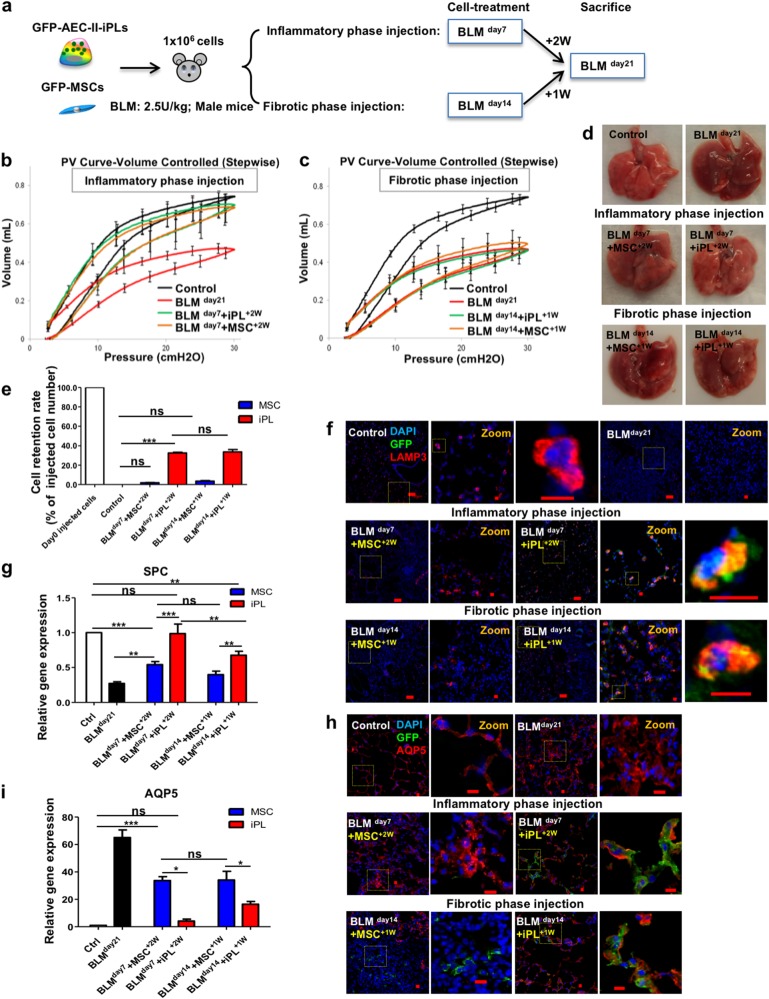
We describe here an interrupted reprogramming strategy to generate "induced progenitor-like (iPL) cells" from alveolar epithelial type II (AEC-II) cells. A carefully defined period of transient expression of reprogramming factors (Oct4, Sox2, Klf4, and c-Myc (OSKM)) is able to rescue the limited in vitro clonogenic capacity of AEC-II cells, potentially by activation of a bipotential progenitor-like state. Importantly, our results demonstrate that interrupted reprogramming results in controlled expansion of cell numbers yet preservation of the differentiation pathway to the alveolar epithelial lineage. When transplanted to the injured lungs, AEC-II-iPL cells are retained in the lung and ameliorate bleomycin-induced pulmonary fibrosis. Interrupted reprogramming can be used as an alternative approach to produce highly specified functional therapeutic cell populations and may lead to significant advances in regenerative medicine.
我们在此描述一种中断重编程策略,用于从肺泡II型上皮(AEC-II)细胞生成“诱导性祖细胞样(iPL)细胞”。重编程因子(Oct4、Sox2、Klf4和c-Myc(OSKM))经过精心定义的短暂表达期,能够挽救AEC-II细胞有限的体外克隆形成能力,这可能是通过激活双能祖细胞样状态实现的。重要的是,我们的结果表明,中断重编程可导致细胞数量的可控扩增,同时保留向肺泡上皮谱系的分化途径。当移植到受损肺中时,AEC-II-iPL细胞可保留在肺中,并改善博来霉素诱导的肺纤维化。中断重编程可作为一种替代方法来产生高度特异性的功能性治疗细胞群体,并可能在再生医学领域带来重大进展。