Xu Weiting, Wei Jiangxiong, Chen Jiajian, Zhang Bin, Xu Peng, Ren Jie, Yu Qijun
School of Materials Science and Engineering, South China University of Technology, Guangzhou 510641, China.
Department of Civil Engineering, Foshan University, Foshan 528000, China.
Materials (Basel). 2018 Sep 12;11(9):1697. doi: 10.3390/ma11091697.
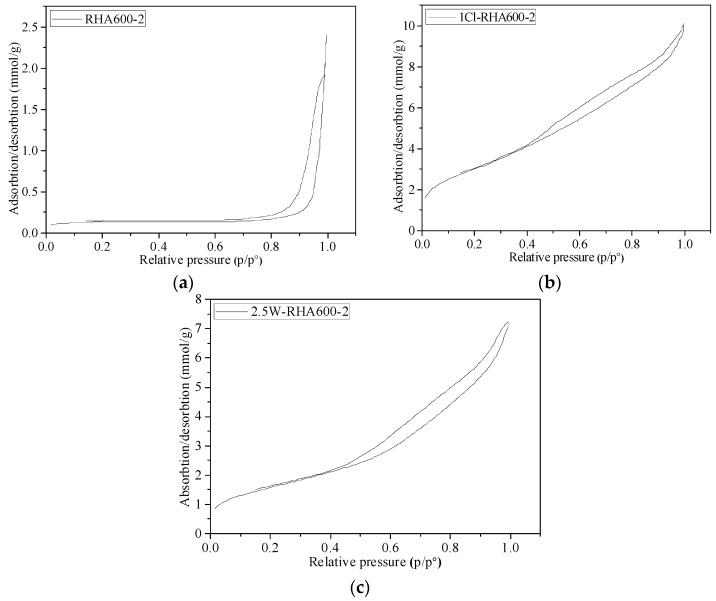
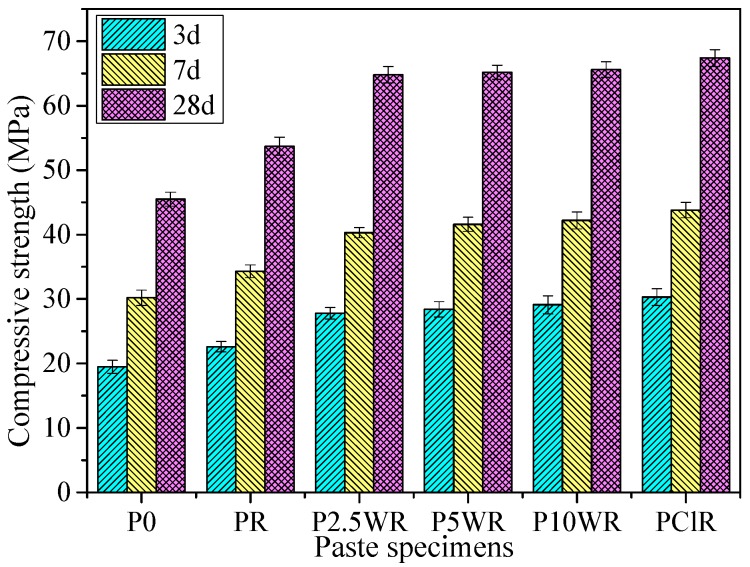
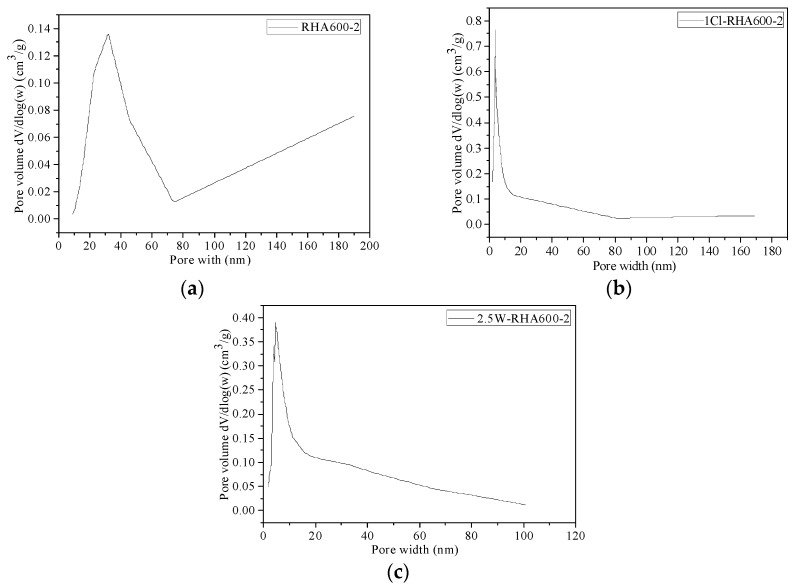
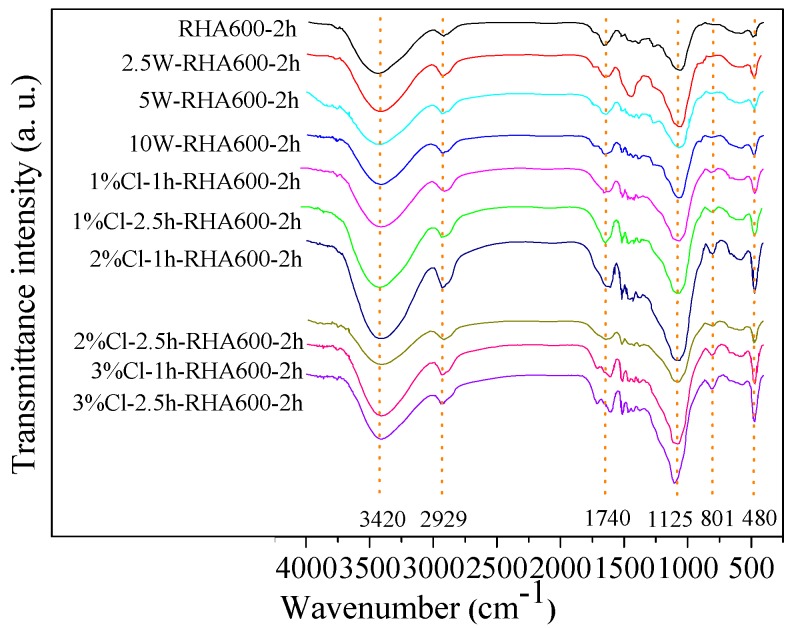
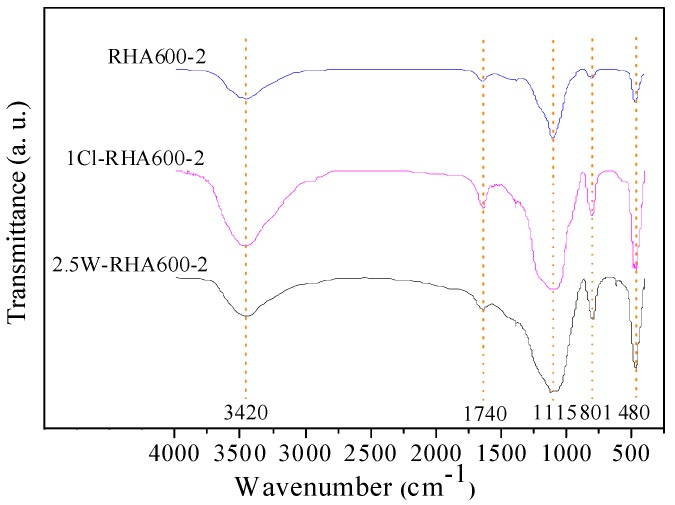
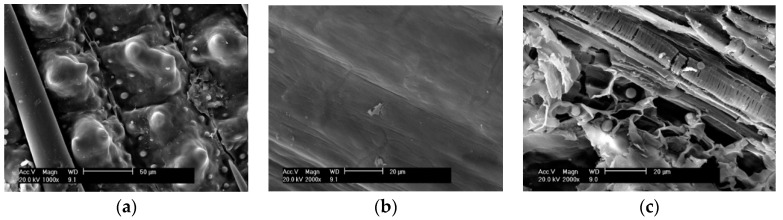
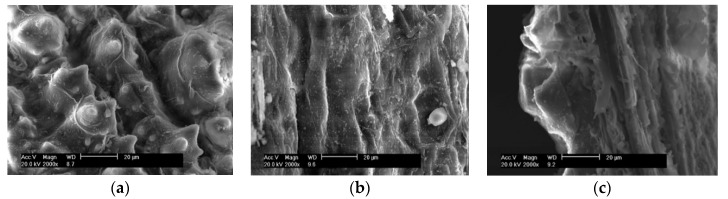
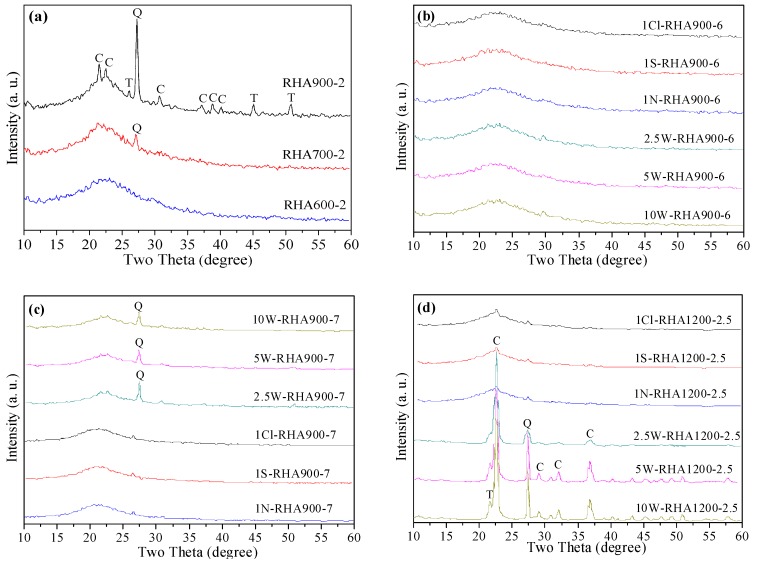
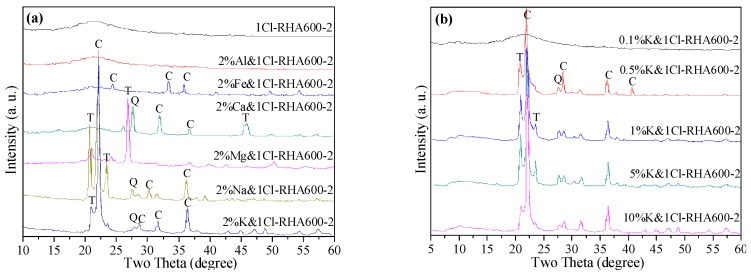
The present work aims to introduce a novel and eco-friendly method, i.e., a water-leaching pretreatment for extracting highly reactive biomass silica from rice husk (RH), for viability as a pozzolanic additive in cement. For comparison, the traditional acid pretreatment method was also employed throughout the experimental study. The silica from RH was extracted using boiled deionized water and acid solution as leaching agents to remove the alkali metal impurities, and then dried and submitted to pyrolysis treatment. The results indicated that potassium was found to be the major contaminant metal inducing the formation of undesirable black carbon particles and the decrease in crystallization temperature of amorphous RHA silica. The boiling-water-leaching pretreatment and acid-leaching pretreatment on RHs significantly removed the metallic impurities and reduced the crystallization sensitivity of RHA silica to calcination temperature. A highly reactive amorphous silica with purity of 96% was obtained from RH via 1 N hydrochloric acid leaching followed by controlled calcination at 600 °C for 2 h. The acid treatments increased the crystallization temperature of silica to 1200 °C and retained the amorphous state of silica for 2.5 h. In the case of water-leaching pretreatment, leaching duration for 2.5 h could yield an amorphous silica with purity of 94% and render the silica amorphous at 900 °C for 7 h. The RHA silica yielded by water-leaching pretreatment presented a comparable enhancing effect to that of acid leaching on hydration and improved the strength of cement. Furthermore, compared with the acid-leaching method, the water-leaching pretreatment method is more environmentally friendly and easier to operate, and hence more widely available.
本研究旨在引入一种新型且环保的方法,即水浸预处理,用于从稻壳(RH)中提取高活性生物质二氧化硅,以作为水泥中的火山灰质添加剂。为作比较,在整个实验研究中还采用了传统的酸预处理方法。使用煮沸的去离子水和酸溶液作为浸出剂从RH中提取二氧化硅,以去除碱金属杂质,然后干燥并进行热解处理。结果表明,钾是导致形成不良黑碳颗粒以及无定形稻壳灰(RHA)二氧化硅结晶温度降低的主要污染金属。对RH进行沸水浸出预处理和酸浸预处理可显著去除金属杂质,并降低RHA二氧化硅对煅烧温度的结晶敏感性。通过1N盐酸浸出,随后在600℃下控制煅烧2小时,从RH中获得了纯度为96%的高活性无定形二氧化硅。酸处理将二氧化硅的结晶温度提高到1200℃,并使二氧化硅在2.5小时内保持无定形状态。在水浸预处理的情况下,浸出2.5小时可得到纯度为94%的无定形二氧化硅,并使二氧化硅在900℃下7小时内保持无定形。水浸预处理产生的RHA二氧化硅在水化方面表现出与酸浸相当的增强效果,并提高了水泥的强度。此外,与酸浸法相比,水浸预处理方法更环保且操作更简便,因此更易于应用。