Bielecka-Wajdman Anna M, Ludyga Tomasz, Machnik Grzegorz, Gołyszny Miłosz, Obuchowicz Ewa
1 Department of Pharmacology, School of Medicine in Katowice, Medical University of Silesia, Katowice, Poland.
2 Clinic of Internal Medicine and Clinical Pharmacology, School of Medicine in Katowice, Medical University of Silesia, Katowice, Poland.
Cancer Control. 2018 Jan-Dec;25(1):1073274818798594. doi: 10.1177/1073274818798594.
A common feature of solid tumors, including glioblastoma multiforme (GBM), is mitochondrial dysfunction. However, it is reported that the current standard of anti-GBM therapies may potentiate mitochondrial damage and, in effect, support the aggressive character of cancer. As mitochondria are implicated in the modulation of cellular drug sensitivity and chemoresistance mechanisms, activation-stressed mitochondria in GBM cells may represent a new target for anti-GBM therapy that is nontoxic for normal cells.
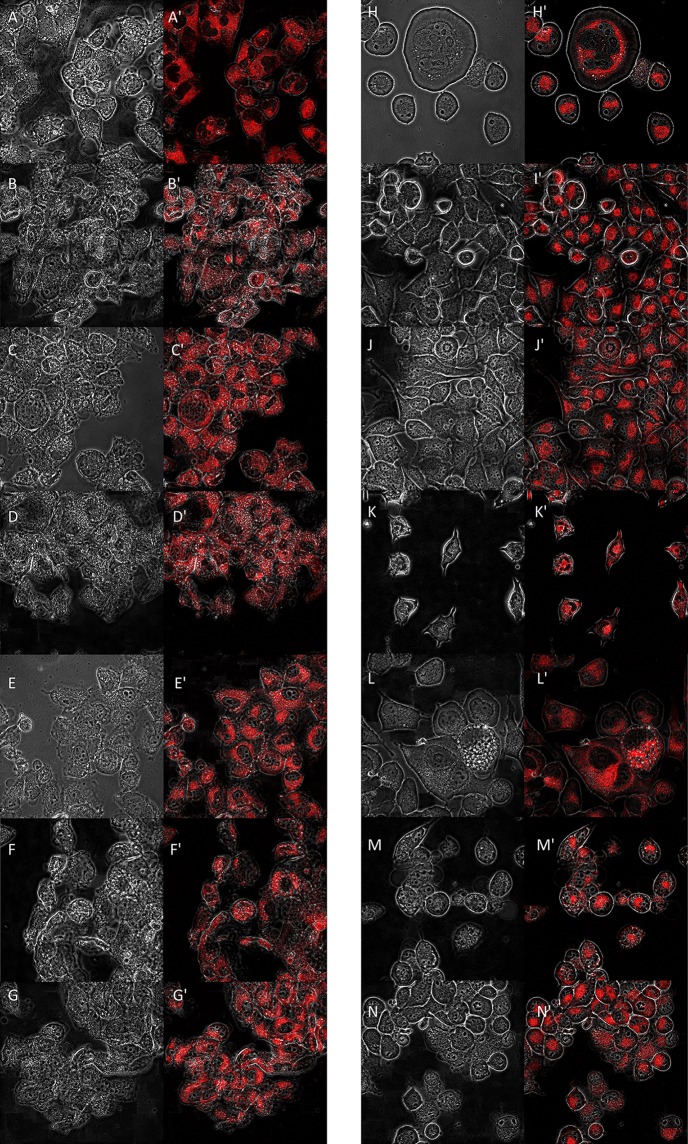
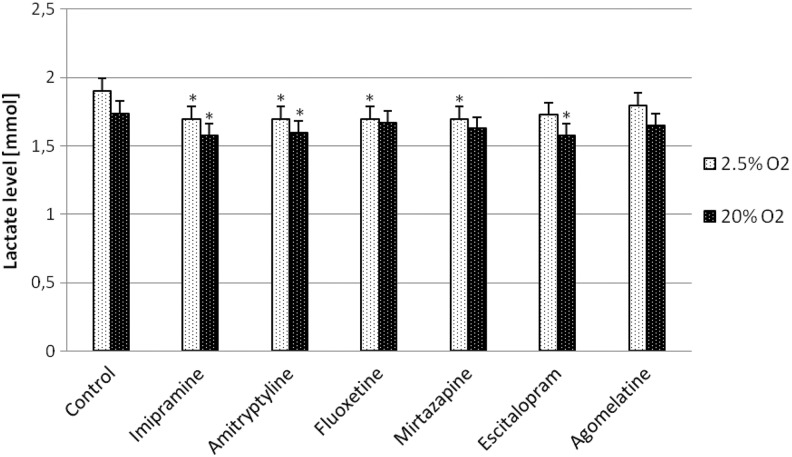
As mitochondria are possible targets for antidepressant drugs used as adjuvant therapy in patients with GBM, we examined their influence on mitochondrial volume and activity, reactive oxygen species level, extracellular lactate concentration, and p65 NF-κB gene expression in GBM cells.
Our investigation showed, for the first time, that tricyclic antidepressants, imipramine and amitriptyline, partially reverse GBM abnormalities.
In the light of reported studies, the mitochondrial disturbance observed in glioma cells is a dynamic process that can be reversed or silenced. Moreover, imipramine and amitriptyline are attractive cellular metabolic modulators and can potentially be used to restoring a proper function of mitochondria in GBM cells.
包括多形性胶质母细胞瘤(GBM)在内的实体瘤的一个共同特征是线粒体功能障碍。然而,据报道,目前抗GBM治疗的标准可能会加剧线粒体损伤,实际上还会助长癌症的侵袭性。由于线粒体与细胞药物敏感性和化疗耐药机制的调节有关,GBM细胞中激活应激的线粒体可能代表了一种对正常细胞无毒的抗GBM治疗新靶点。
由于线粒体可能是GBM患者辅助治疗中使用的抗抑郁药物的靶点,我们研究了它们对GBM细胞中线粒体体积和活性、活性氧水平、细胞外乳酸浓度以及p65 NF-κB基因表达的影响。
我们的研究首次表明,三环类抗抑郁药丙咪嗪和阿米替林可部分逆转GBM异常。
根据已报道的研究,在胶质瘤细胞中观察到的线粒体紊乱是一个可以逆转或消除的动态过程。此外,丙咪嗪和阿米替林是有吸引力的细胞代谢调节剂,有可能用于恢复GBM细胞中线粒体的正常功能。