Sonoo Masahiro, Menkes Daniel L, Bland Jeremy D P, Burke David
Department of Neurology, Teikyo University School of Medicine, Kaga 2-11-1, Itabashi-ku, Tokyo 1738605, Japan.
Department of Neurology, Beaumont Health, Beaumont Neuroscience Building, Royal Oak, MI 48073, United States.
Clin Neurophysiol Pract. 2018 Apr 5;3:78-88. doi: 10.1016/j.cnp.2018.02.005. eCollection 2018.
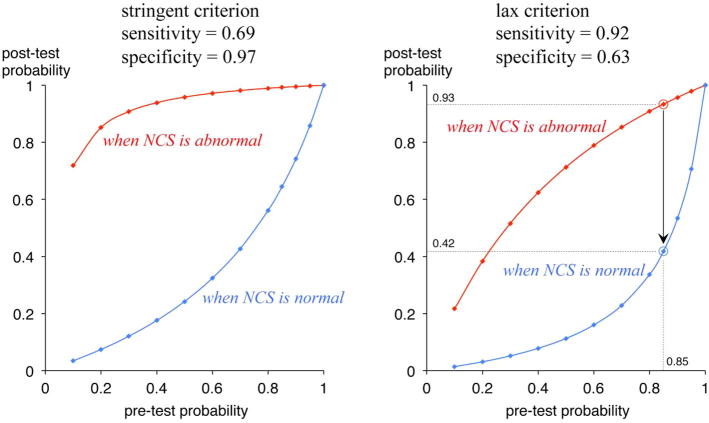
This paper summarises the views of four experts on the place of neurophysiological testing (EDX) in patients presenting with possible carpal tunnel syndrome, in guiding their treatment, and in reevaluations. This is not meant to be a position paper or a literature review, and heterogeneous viewpoints are presented. Nerve conduction studies should be performed in patients presenting with possible carpal tunnel syndrome to assist diagnosis, and may need to be repeated at intervals in those managed conservatively. There is evidence that local corticosteroid injection is safe and effective for many patients, thereby avoiding or deferring surgical decompression. All patients should undergo EDX studies before any invasive procedure for CTS (injection or surgery). Needle EMG studies are not obligatory, but may be needed in those with severe disease and those in whom an alternate or concomitant diagnosis is suspected.
本文总结了四位专家对于神经生理学检测(EDX)在疑似腕管综合征患者中的作用、指导治疗及重新评估方面的观点。本文并非立场文件或文献综述,而是呈现了不同的观点。对于疑似腕管综合征的患者应进行神经传导研究以辅助诊断,对于保守治疗的患者可能需要定期重复进行。有证据表明局部皮质类固醇注射对许多患者安全有效,从而避免或推迟手术减压。所有患者在进行任何针对腕管综合征的侵入性操作(注射或手术)之前都应接受EDX研究。针极肌电图检查并非必需,但对于重症患者以及怀疑有其他诊断或合并其他诊断的患者可能需要进行。