Department of Orthopaedics, Union Hospital, Tongji Medical College, Huazhong University of Science and Technology, Wuhan 430022, China.
Department of Ophthalmology, Shengjing Hospital, China Medical University, Shenyang 110004, China.
Redox Biol. 2018 Oct;19:339-353. doi: 10.1016/j.redox.2018.09.006. Epub 2018 Sep 6.
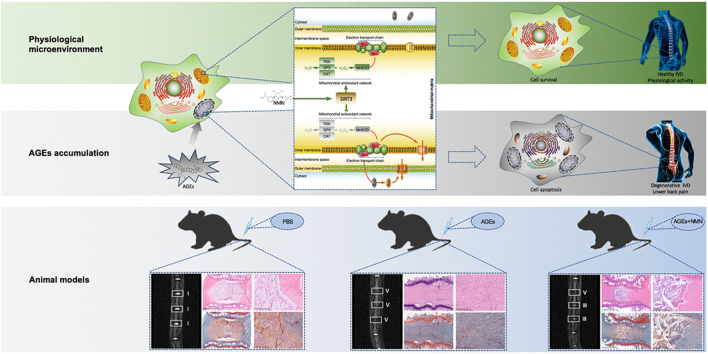
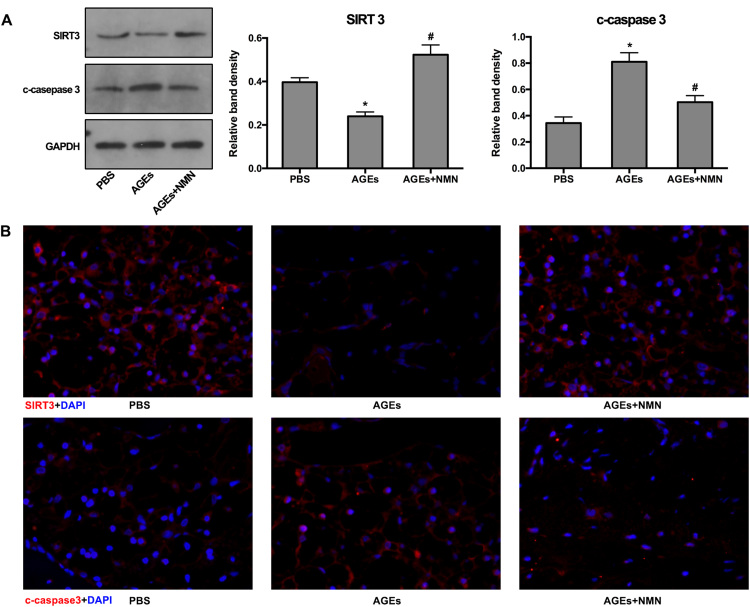
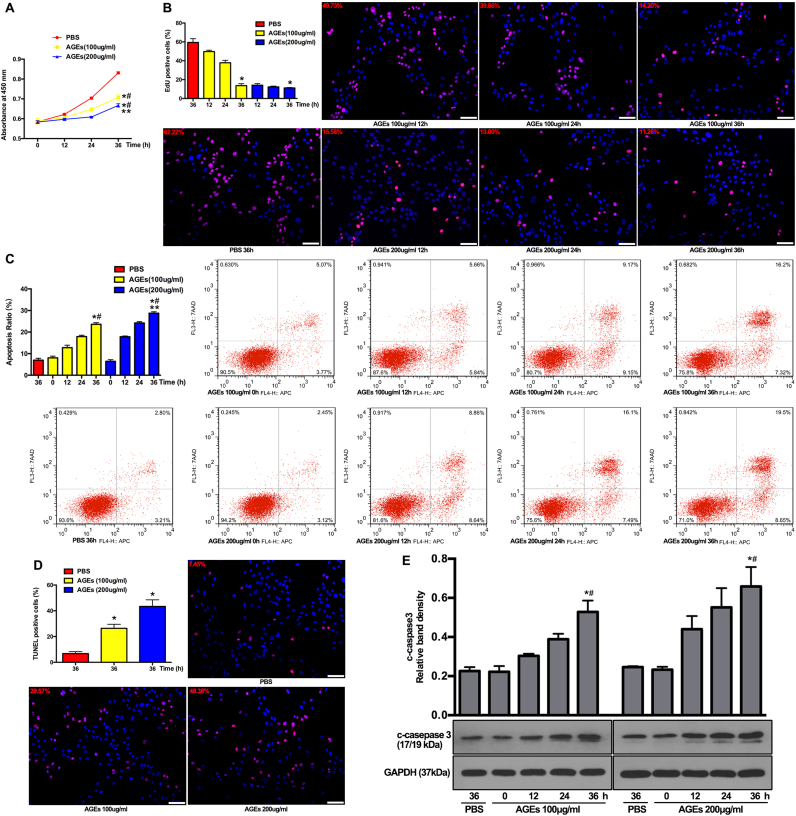
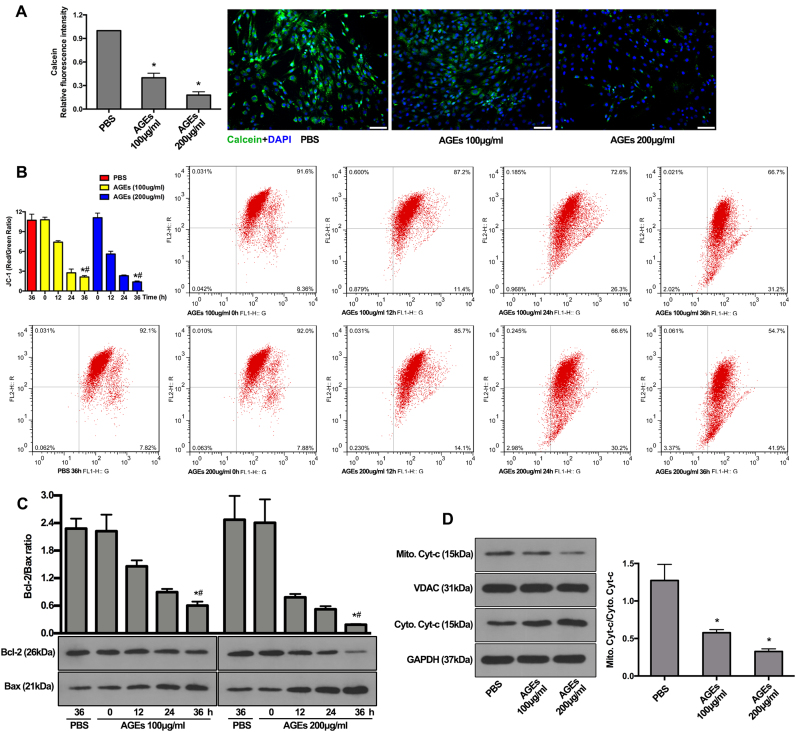
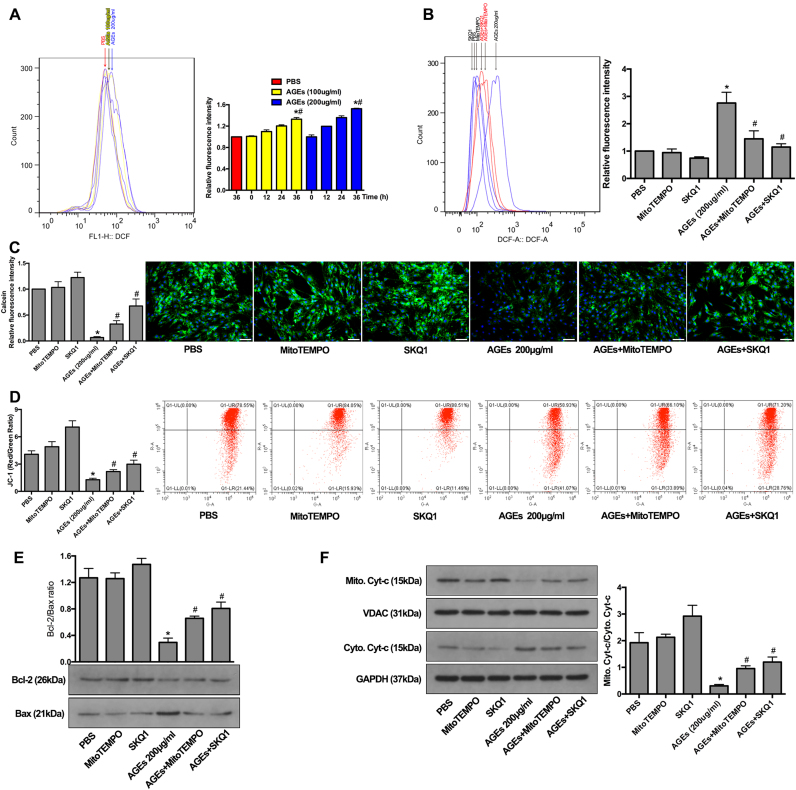
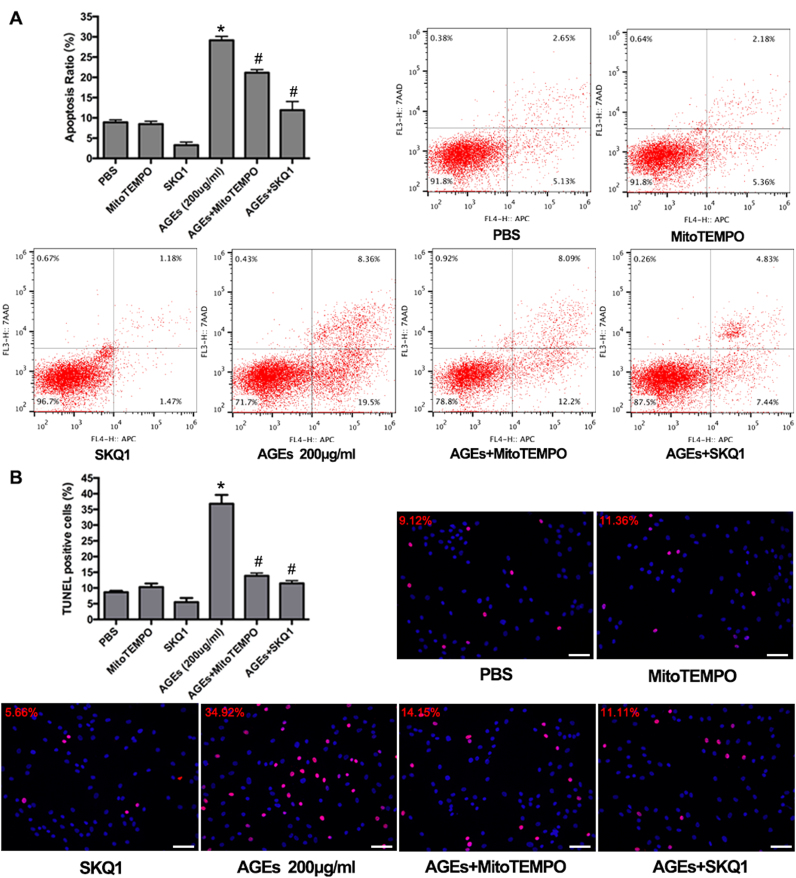
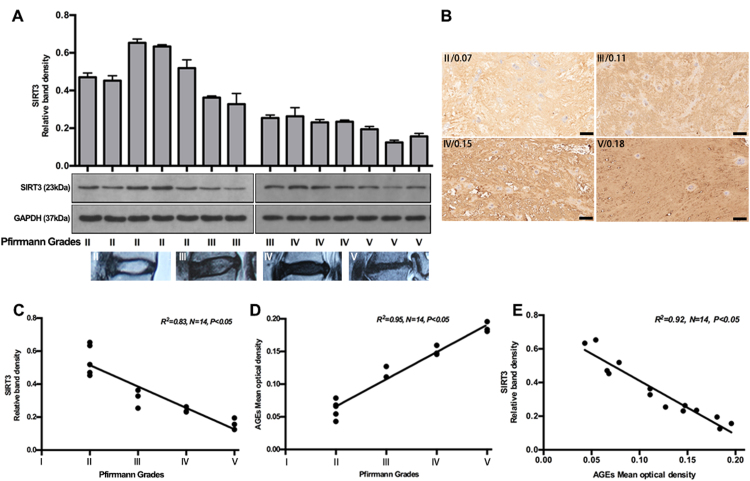
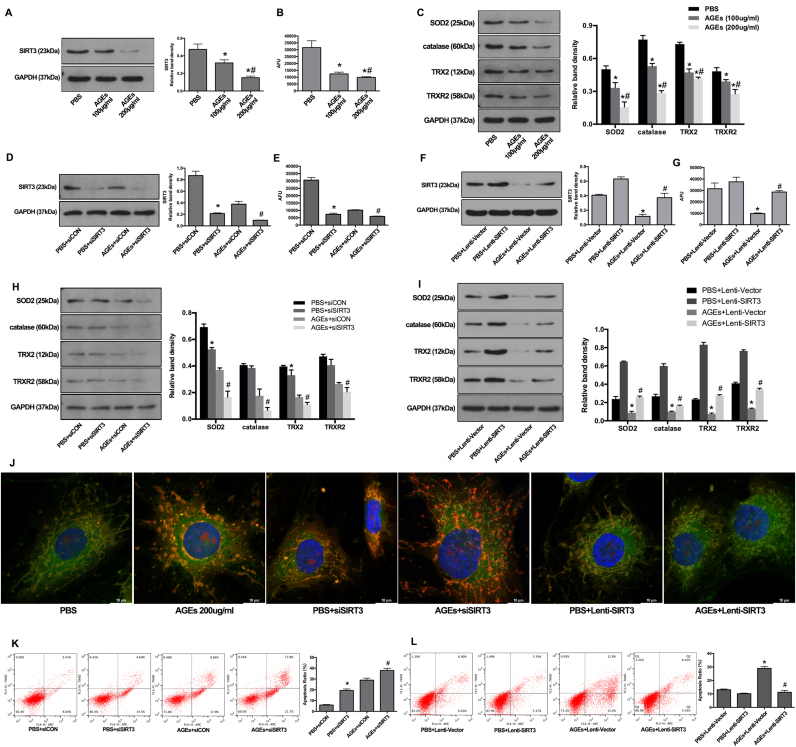
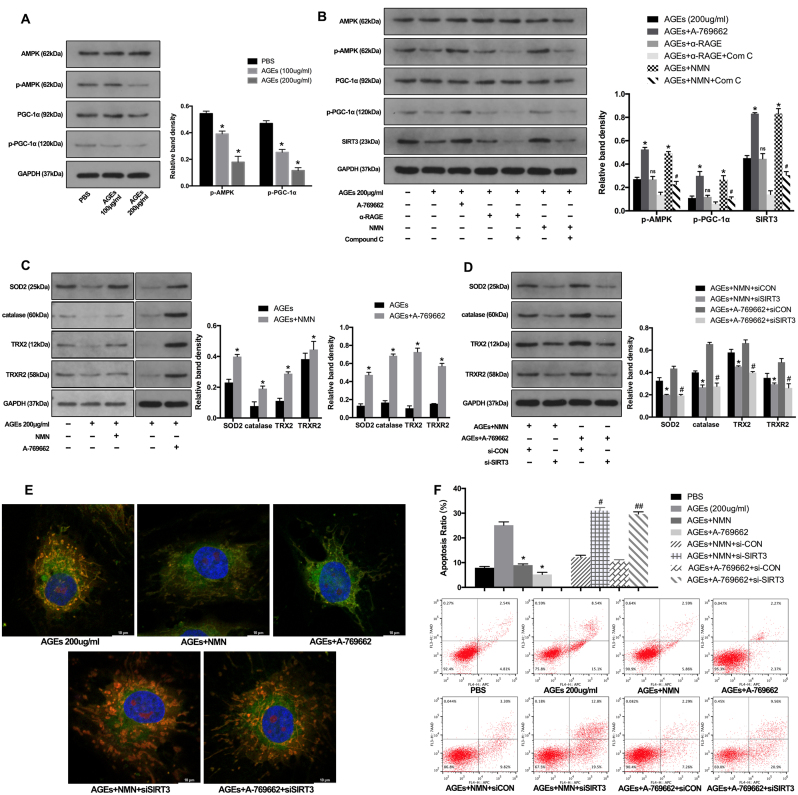
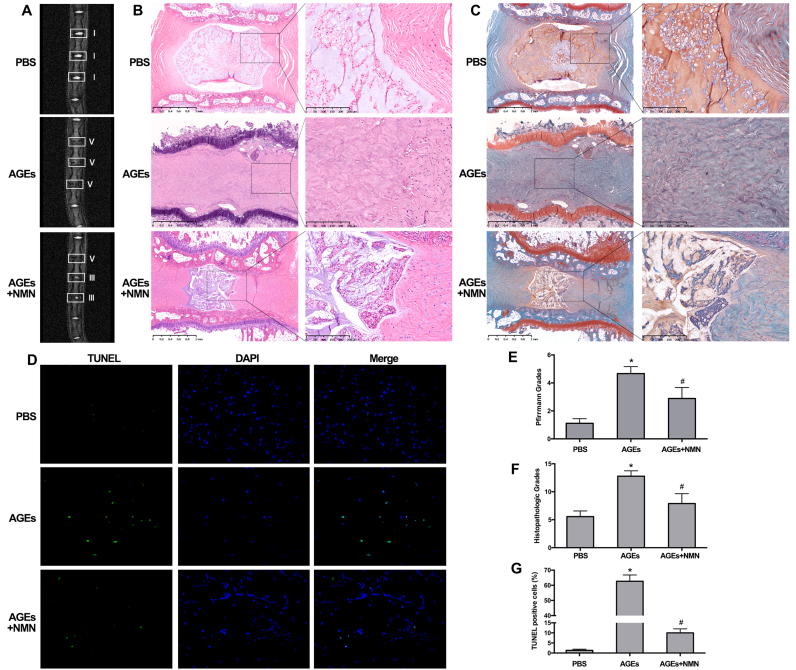
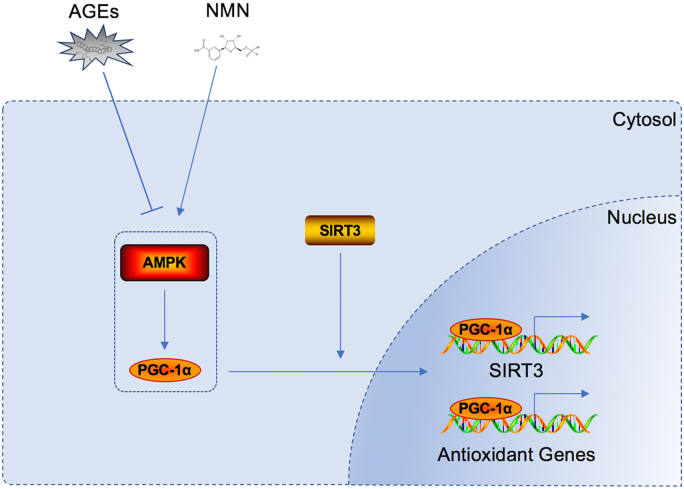
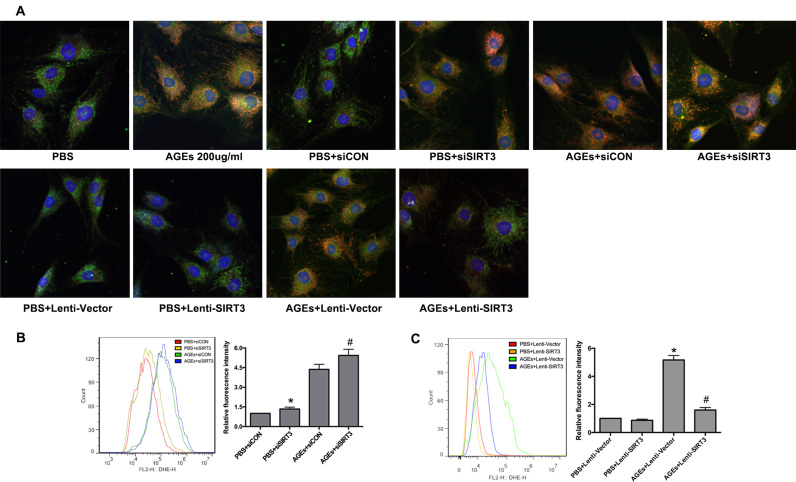
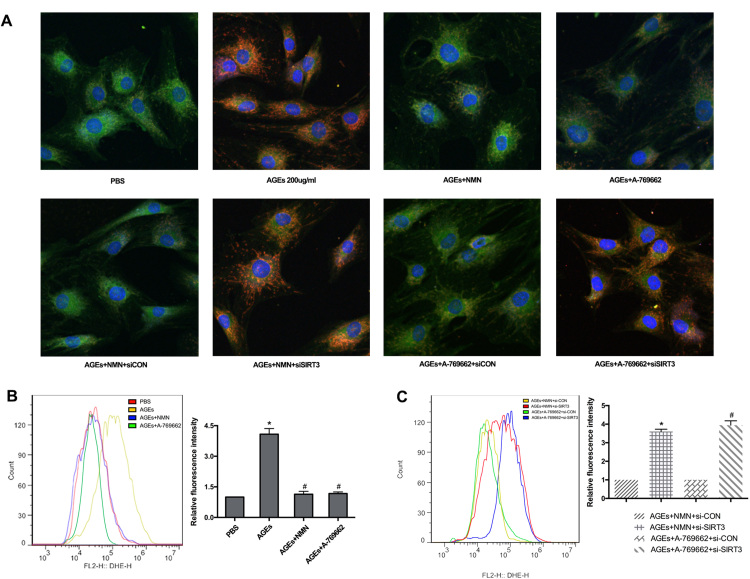
Intervertebral disc (IVD) degeneration contributes largely to pathoanatomical and degenerative changes of spinal structure that increase the risk of low back pain. Apoptosis in nucleus pulposus (NP) can aggravate IVD degeneration, and increasing studies have shown that interventions targeting NP cell apoptosis can ameliorate IVD degeneration, exhibiting their potential for use as therapeutic strategies. Recent data have shown that advanced glycation end products (AGEs) accumulate in NP tissues in parallel with the progression of IVD degeneration and form a microenvironment of oxidative stress. This study examined whether AGEs accumulation aggravates NP cell apoptosis and IVD degeneration, and explored the mechanisms underlying these effects. We observed that the viability and proliferation of human NP cells were significantly suppressed by AGEs treatment, mainly due to apoptosis. Furthermore, activation of the mitochondrial apoptosis pathway was detected after AGEs treatment. In addition, the molecular data showed that AGEs could significantly aggravate the generation of mitochondrial reactive oxygen species and prolonged activation of the mitochondrial permeability transition pore, as well as the increased level of Bax protein and decreased level of Bcl-2 protein in mitochondria. These effects could be reduced by antioxidant (2-(2,2,6,6-Tetramethylpiperidin-1-oxyl-4-ylamino)-2-oxoethyl) triphenylphosphonium chloride (MitoTEMPO) and Visomitin (SKQ1). Importantly, we identified that impairment of Sirtuin3 (SIRT3) function and the mitochondrial antioxidant network were vital mechanisms in AGEs-induced oxidative stress and secondary human NP cell apoptosis. Finally, based on findings that nicotinamide mononucleotide (NMN) could restore SIRT3 function and rescue human NP cell apoptosis through adenosine monophosphate-activated protein kinase and peroxisome proliferator-activated receptor-γ coactivator 1α (AMPK-PGC-1α) pathway in vitro, we confirmed its protective effect on AGEs-induced IVD degeneration in vivo. In conclusion, our data demonstrate that SIRT3 protects against AGEs-induced human NP cell apoptosis and IVD degeneration. Targeting SIRT3 to improve mitochondrial redox homeostasis may represent a potential therapeutic strategy for attenuating AGEs-associated IVD degeneration.
椎间盘(IVD)退变是导致脊柱结构病理和退行性改变的主要原因,增加了腰痛的风险。核髓核(NP)细胞凋亡可加重 IVD 退变,越来越多的研究表明,针对 NP 细胞凋亡的干预措施可以改善 IVD 退变,显示出它们作为治疗策略的潜力。最近的数据表明,晚期糖基化终产物(AGEs)在 IVD 退变进展的同时在 NP 组织中积累,并形成氧化应激的微环境。本研究探讨了 AGEs 积累是否会加重 NP 细胞凋亡和 IVD 退变,并探讨了这些影响的机制。我们观察到 AGEs 处理显著抑制人 NP 细胞的活力和增殖,主要是通过凋亡。此外,AGEs 处理后检测到线粒体凋亡途径的激活。此外,分子数据表明,AGEs 可显著加重线粒体活性氧的产生,并延长线粒体通透性转换孔的延长激活,以及线粒体 Bax 蛋白水平的增加和 Bcl-2 蛋白水平的降低。这些作用可以通过抗氧化剂(2-(2,2,6,6-四甲基哌啶-1-氧-4-基氨基)-2-氧乙基)三苯基膦氯化物(MitoTEMPO)和 Visomitin(SKQ1)减少。重要的是,我们发现 Sirtuin3(SIRT3)功能障碍和线粒体抗氧化网络是 AGEs 诱导的氧化应激和继发性人 NP 细胞凋亡的重要机制。最后,基于烟酰胺单核苷酸(NMN)可以通过单磷酸腺苷激活蛋白激酶和过氧化物酶体增殖物激活受体-γ共激活因子 1α(AMPK-PGC-1α)途径在体外恢复 SIRT3 功能并挽救人 NP 细胞凋亡的发现,我们确认了其对体内 AGEs 诱导的 IVD 退变的保护作用。总之,我们的数据表明,SIRT3 可防止 AGEs 诱导的人 NP 细胞凋亡和 IVD 退变。靶向 SIRT3 以改善线粒体氧化还原稳态可能代表一种减轻 AGEs 相关 IVD 退变的潜在治疗策略。