Department of Computer Science, Stanford University, Stanford, California 94305, USA.
Department of Developmental Biology, Stanford University, Stanford, California 94305, USA.
RNA. 2018 Dec;24(12):1647-1658. doi: 10.1261/rna.066290.118. Epub 2018 Sep 17.
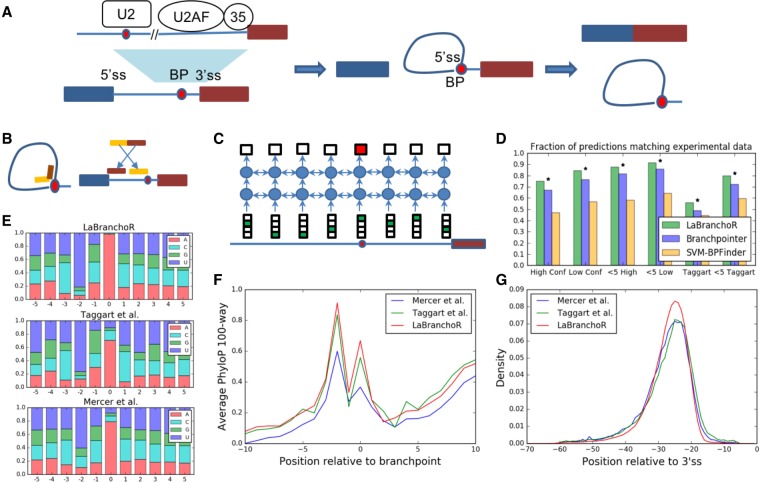
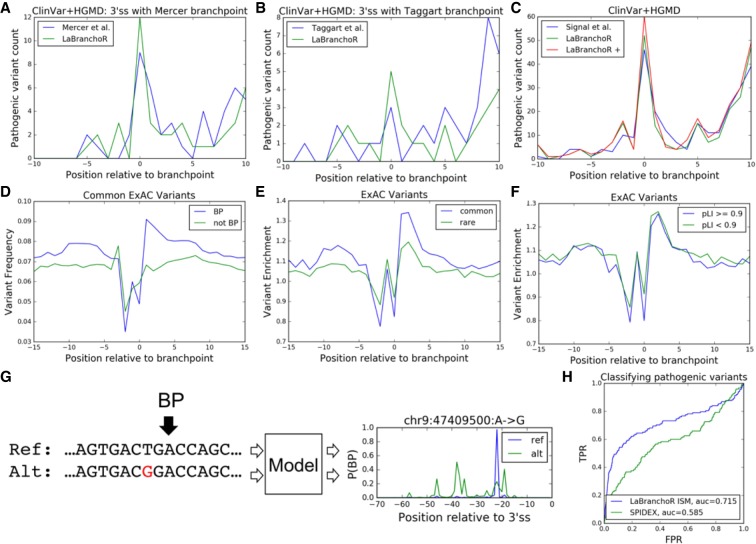
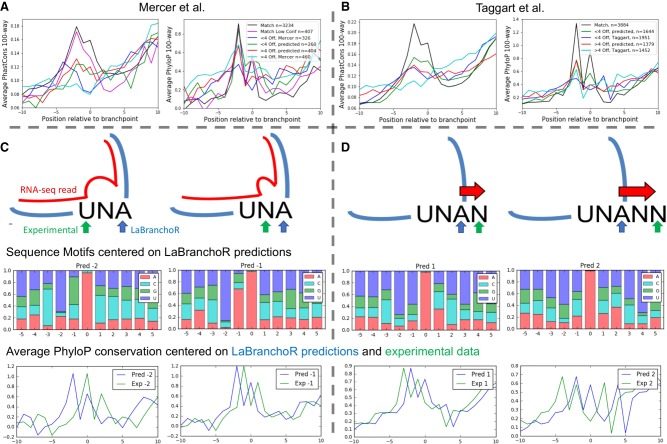
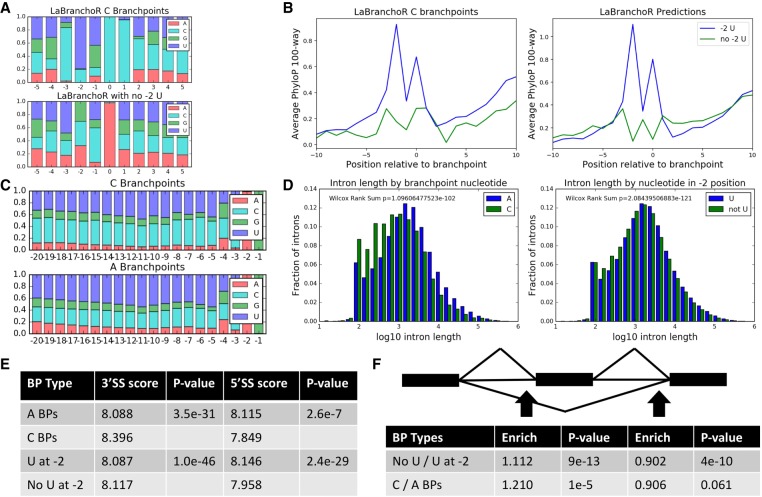
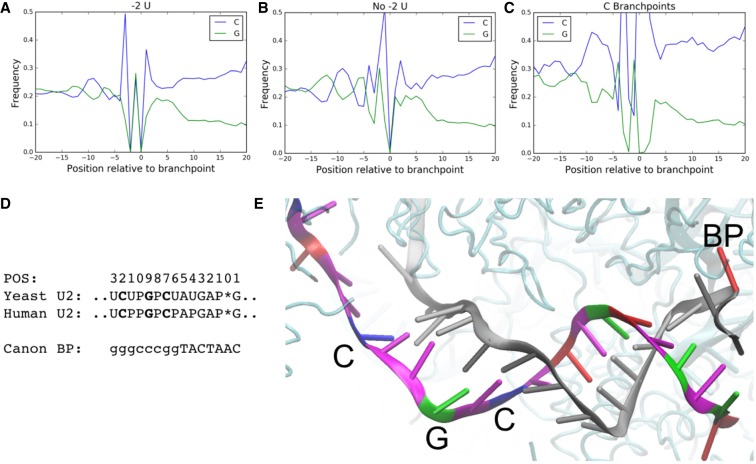
Experimental detection of RNA splicing branchpoints is difficult. To date, high-confidence experimental annotations exist for 18% of 3' splice sites in the human genome. We develop a deep-learning-based branchpoint predictor, LaBranchoR, which predicts a correct branchpoint for at least 75% of 3' splice sites genome-wide. Detailed analysis of cases in which our predicted branchpoint deviates from experimental data suggests a correct branchpoint is predicted in over 90% of cases. We use our predicted branchpoints to identify a novel sequence element upstream of branchpoints consistent with extended U2 snRNA base-pairing, show an association between weak branchpoints and alternative splicing, and explore the effects of genetic variants on branchpoints. We provide genome-wide branchpoint annotations and in silico mutagenesis scores at http://bejerano.stanford.edu/labranchor.
实验检测 RNA 剪接分支点较为困难。迄今为止,人类基因组中 3' 剪接位点有 18%的位置得到了高度可信的实验注释。我们开发了一种基于深度学习的分支点预测器 LaBranchoR,它能在全基因组范围内正确预测至少 75%的 3' 剪接位点的分支点。对预测分支点与实验数据不符的情况进行详细分析后发现,在超过 90%的情况下,预测的分支点是正确的。我们利用预测的分支点鉴定了分支点上游的一个新的序列元件,该元件与扩展的 U2 snRNA 碱基配对一致,还发现弱分支点与可变剪接之间存在关联,并探讨了遗传变异对分支点的影响。我们在 http://bejerano.stanford.edu/labranchor 提供了全基因组分支点注释和基于计算机的突变评分。