Otto Loewi Research Center, Medical University of Graz, Graz, Austria.
Ludwig Boltzmann Institute for Lung Vascular Research, Graz, Austria.
Front Immunol. 2018 Sep 5;9:2018. doi: 10.3389/fimmu.2018.02018. eCollection 2018.
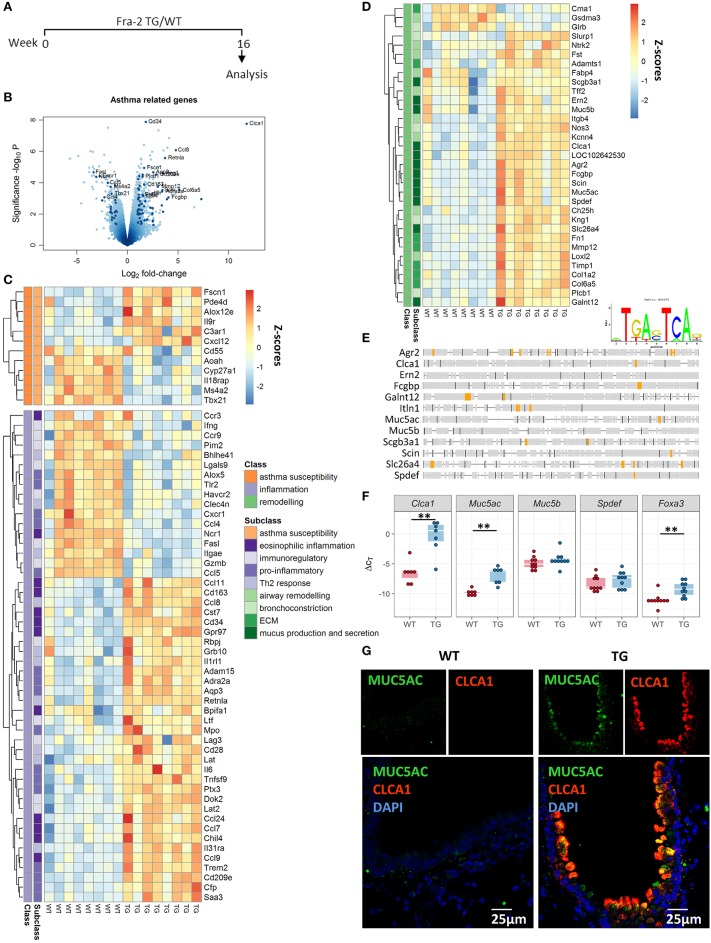
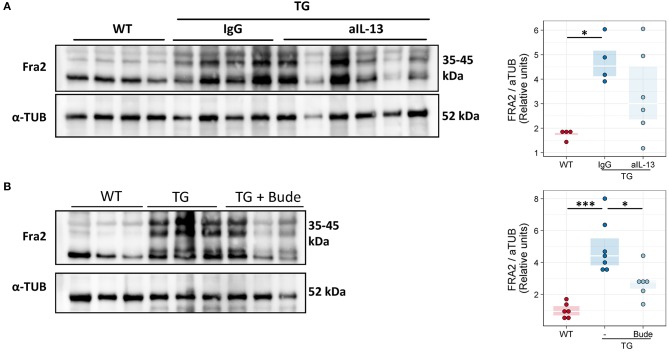
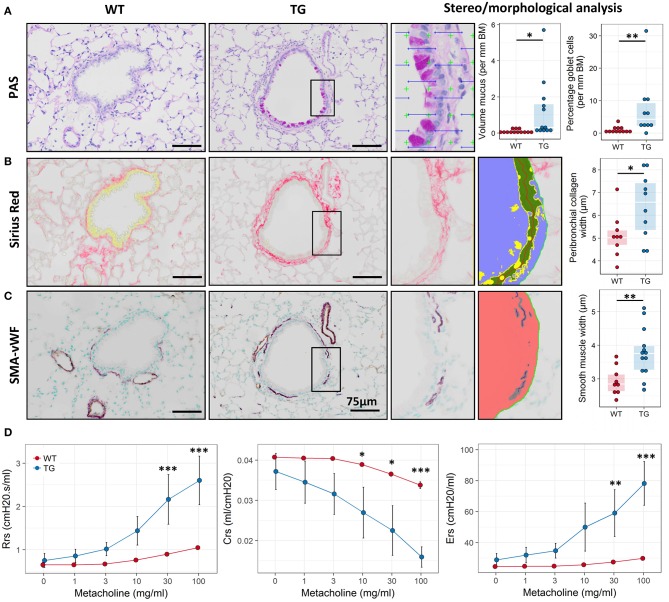
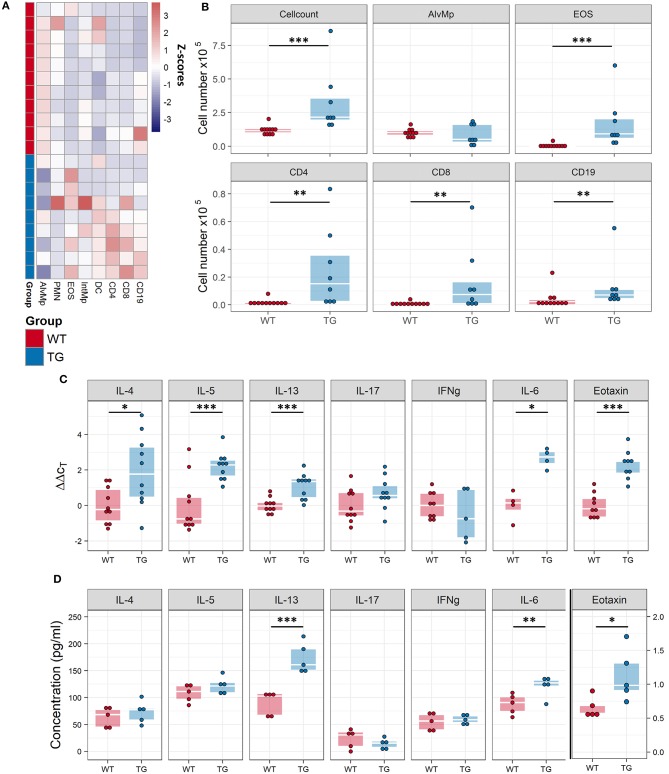
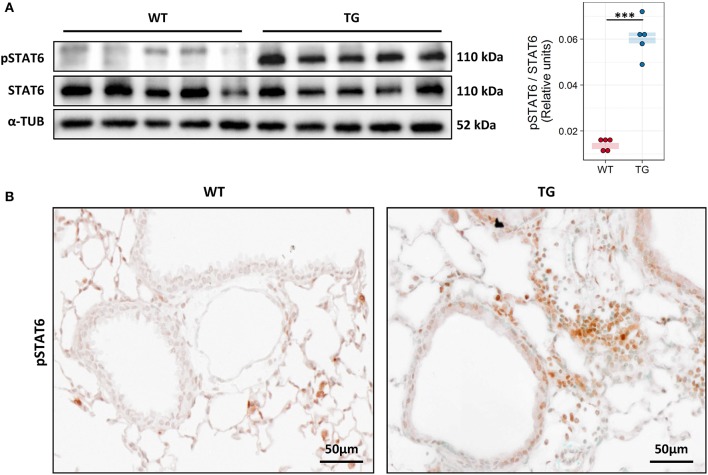
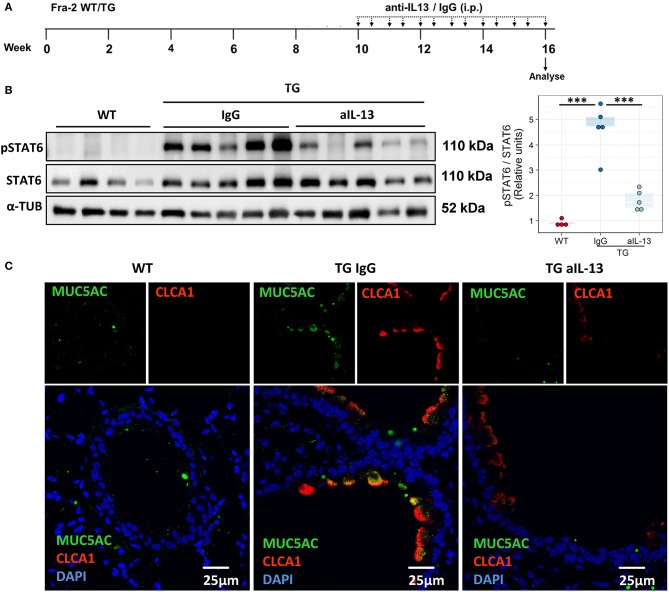
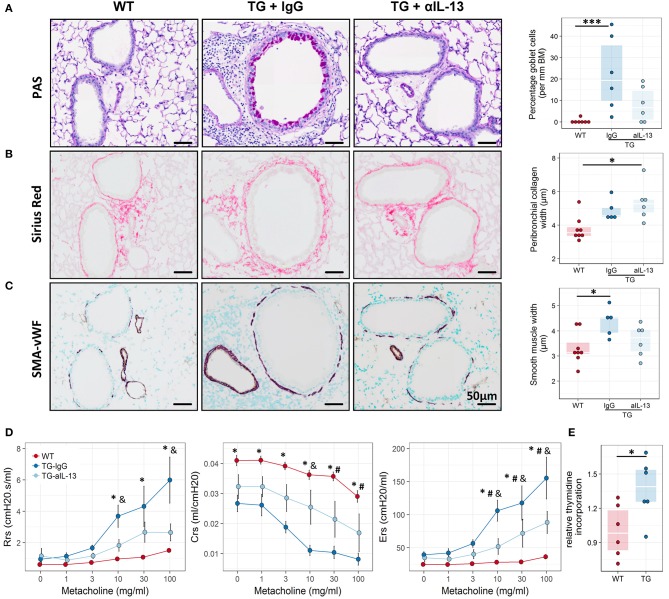
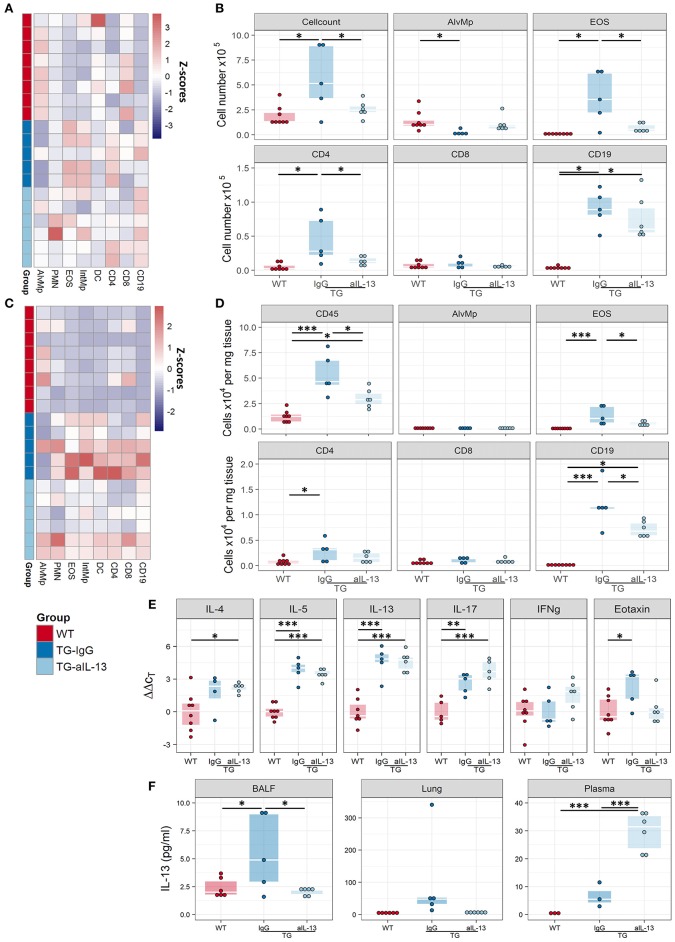
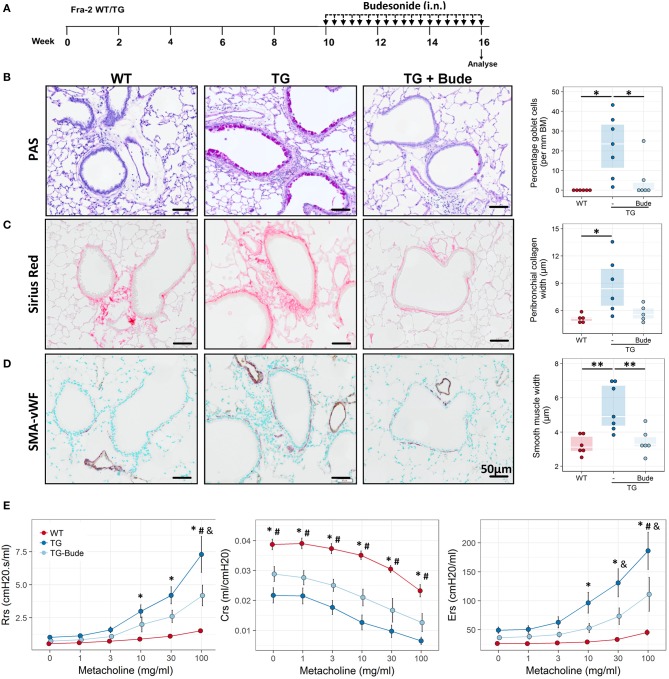
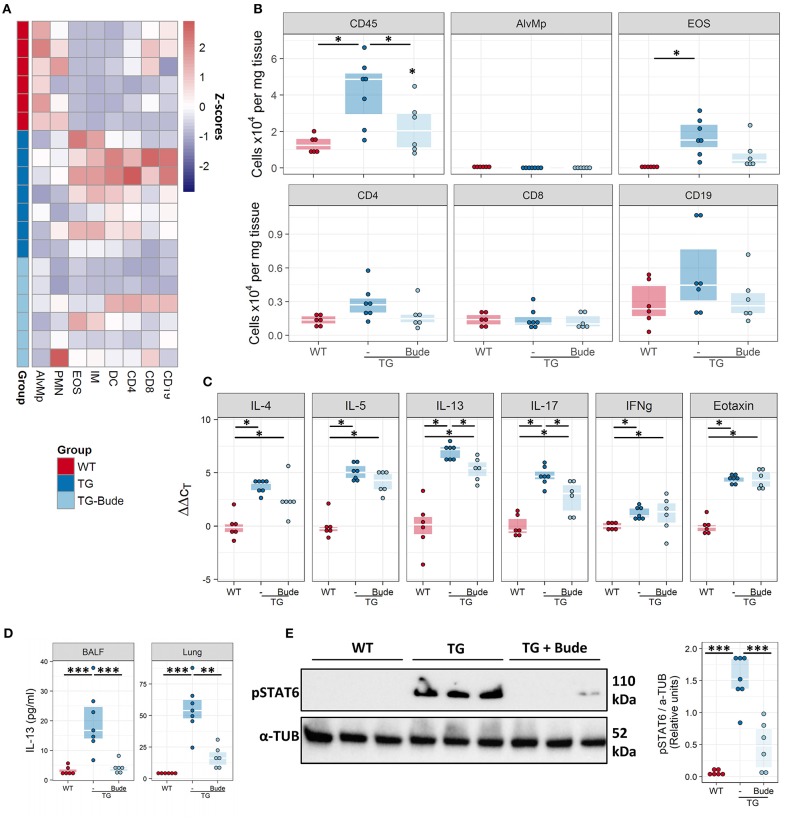
Asthma is a complex chronic inflammatory disease characterised by airway inflammation, remodelling and hyperresponsiveness (AHR). Members of the AP-1 transcription factor family play important roles in the activation of the immune system and the control of cellular responses; however, their role in the development of asthma has not been well studied. We aimed to investigate the role of the lesser known AP-1 family member, Fra2 in experimental asthma. Phenotypic characterisation and gene expression profiling was performed on Fra2 (TG) overexpressing and wild-type mice. The efficacy of therapeutic interventions in regulating the Fra2 phenotype was determined. Transcriptional profiling of TG mice revealed a high abundance of regulated genes associated with airway remodelling, inflammation and mucus production. A concomitant increase in peribronchial collagen deposition, smooth muscle thickening and mucus production was observed. TG mice possessed increased inflammatory infiltration in the lung, predominantly consisting of eosinophils and T-cells and elevated expression of Th2 cytokines and eotaxin. Furthermore, TG mice possessed severe AHR in response to increasing doses of methacholine. Glucocorticoid treatment led to a partial improvement of the asthma phenotype, whereas blockade of IL-13 via neutralising antibodies ameliorated AHR and mucus production, but had no effect on collagen deposition. We here describe a novel model for non-allergic asthma that does not require the application of exogenous allergens, which mimics several key features of the disease, such as airway inflammation, remodelling and hyperresponsiveness. Fra2 may represent a key molecule coordinating multiple aspects of asthma pathogenesis.
哮喘是一种复杂的慢性炎症性疾病,其特征为气道炎症、重塑和高反应性(AHR)。AP-1 转录因子家族的成员在免疫系统的激活和细胞反应的控制中发挥重要作用;然而,它们在哮喘发展中的作用尚未得到很好的研究。我们旨在研究鲜为人知的 AP-1 家族成员 Fra2 在实验性哮喘中的作用。对 Fra2(TG)过表达和野生型小鼠进行表型特征和基因表达谱分析。确定治疗干预调节 Fra2 表型的疗效。TG 小鼠的转录组分析显示,与气道重塑、炎症和黏液产生相关的调节基因丰度很高。观察到伴随的细支气管周围胶原沉积、平滑肌增厚和黏液产生增加。TG 小鼠的肺部炎症浸润增加,主要由嗜酸性粒细胞和 T 细胞组成,Th2 细胞因子和嗜酸性粒细胞趋化因子表达升高。此外,TG 小鼠对递增剂量的乙酰甲胆碱表现出严重的 AHR。糖皮质激素治疗导致哮喘表型的部分改善,而通过中和抗体阻断 IL-13 可改善 AHR 和黏液产生,但对胶原沉积没有影响。我们在这里描述了一种新型的非变应性哮喘模型,不需要应用外源性过敏原,它模拟了该疾病的几个关键特征,如气道炎症、重塑和高反应性。Fra2 可能代表协调哮喘发病机制多个方面的关键分子。