Department of Pathology, Halifax, Nova Scotia, Canada.
Department of Physiology and Biophysics, Halifax, Nova Scotia, Canada.
Sci Rep. 2018 Sep 20;8(1):14091. doi: 10.1038/s41598-018-32433-y.
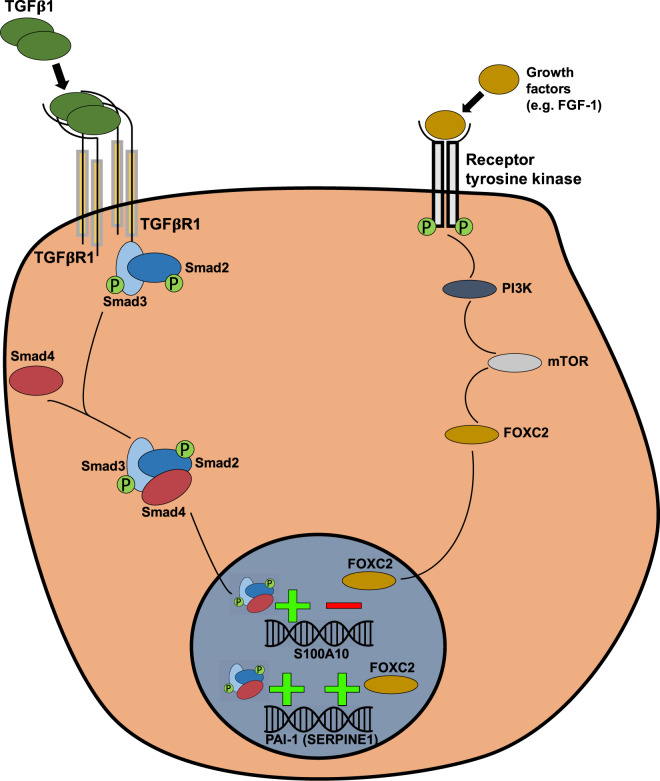
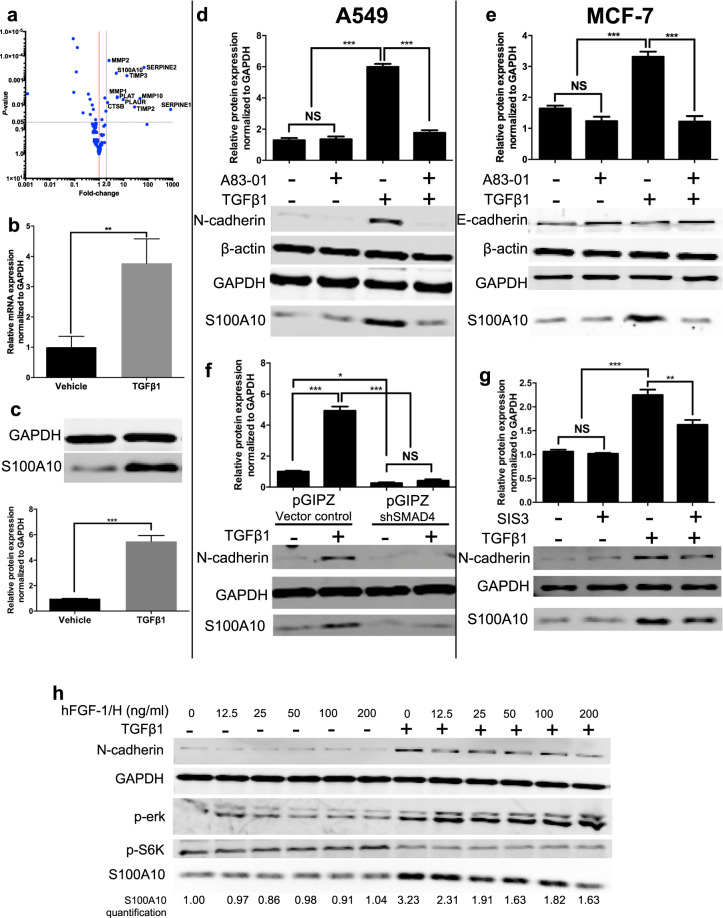
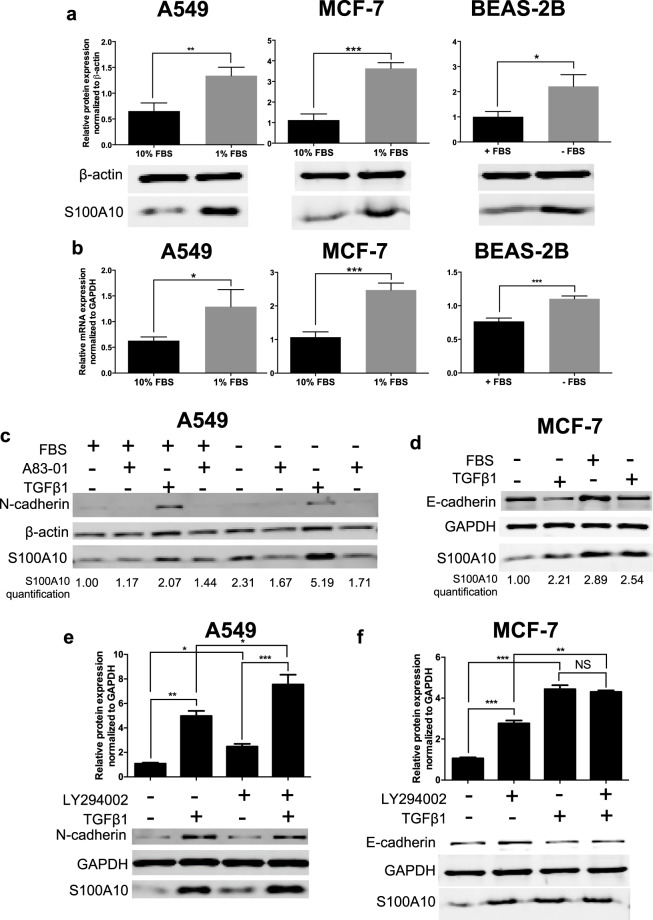
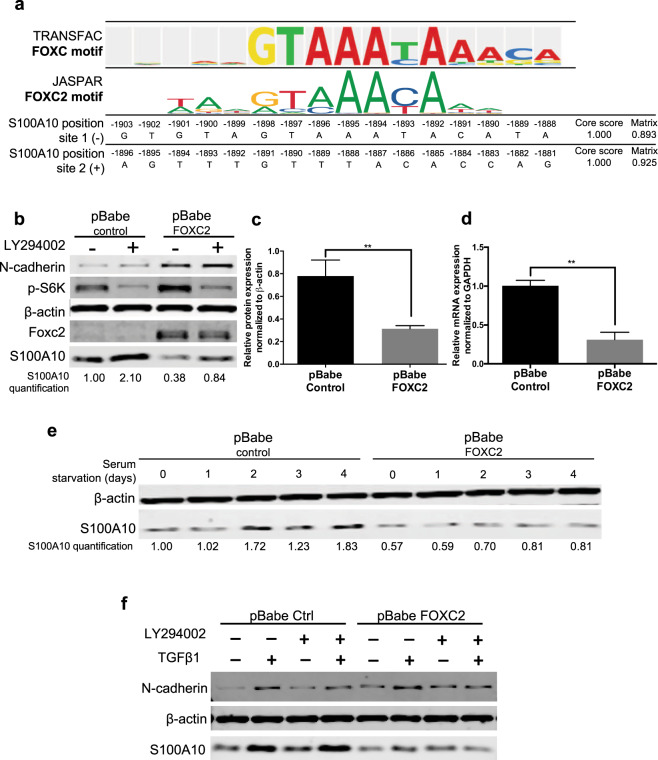
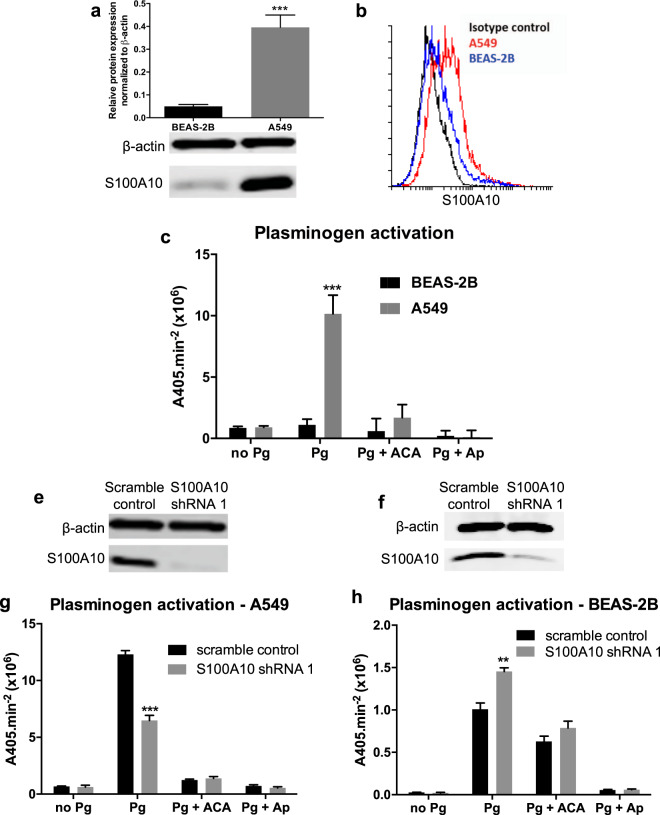
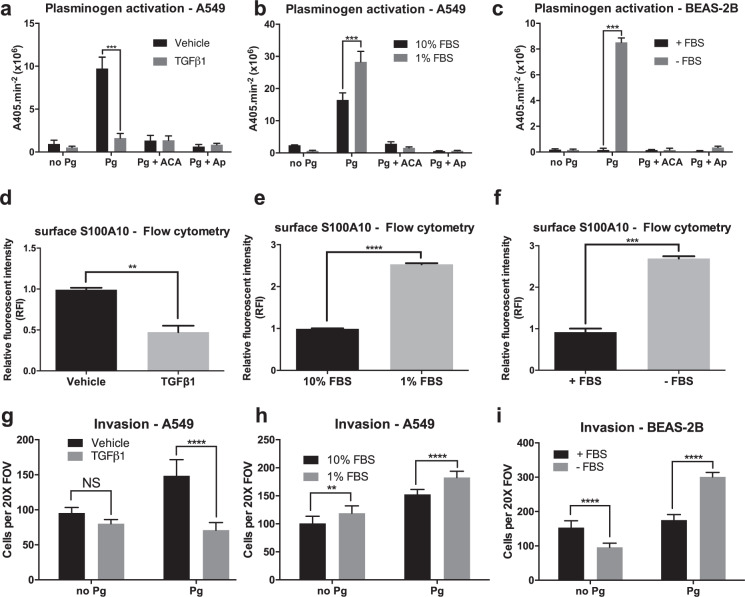
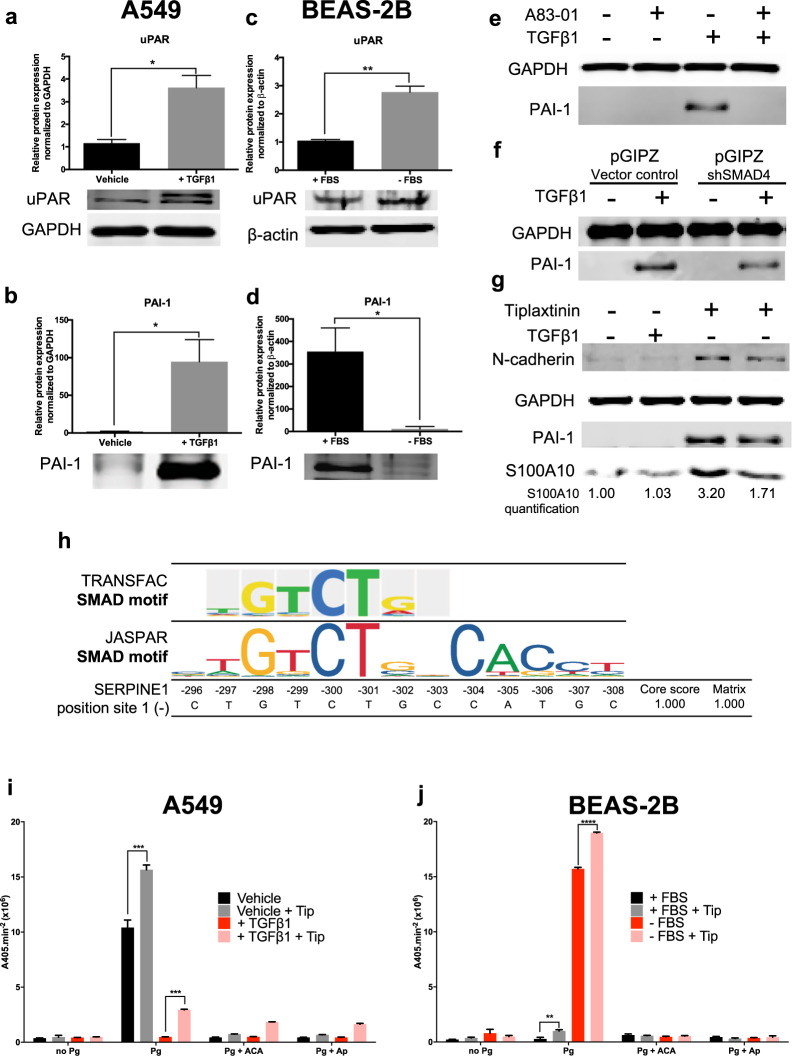
Cancer dissemination is initiated by the movement of cells into the vasculature which has been reported to be triggered by EMT (epithelial to mesenchymal transition). Cellular dissemination also requires proteases that remodel the extracellular matrix. The protease, plasmin is a prominent player in matrix remodeling and invasion. Despite the contribution of both EMT and the plasminogen activation (PA) system to cell dissemination, these processes have never been functionally linked. We reveal that canonical Smad-dependent TGFβ1 signaling and FOXC2-mediated PI3K signaling in cells undergoing EMT reciprocally modulate plasminogen activation partly by regulating the plasminogen receptor, S100A10 and the plasminogen activation inhibitor, PAI-1. Plasminogen activation and plasminogen-dependent invasion were more prominent in epithelial-like cells and were partly dictated by the expression of S100A10 and PAI-1.
癌症的转移是由细胞进入脉管系统引起的,据报道,这一过程是由 EMT(上皮间质转化)触发的。细胞的转移还需要能够重塑细胞外基质的蛋白酶。蛋白酶,尿激酶,是重塑基质和侵袭的主要参与者。尽管 EMT 和纤溶酶原激活(PA)系统都有助于细胞转移,但这些过程从未在功能上联系起来。我们揭示了 EMT 过程中经典的 Smad 依赖性 TGFβ1 信号和 FOXC2 介导的 PI3K 信号通过调节纤溶酶原受体 S100A10 和纤溶酶原激活抑制剂 PAI-1,相互调节纤溶酶原激活。纤溶酶原激活和纤溶酶原依赖性侵袭在上皮样细胞中更为明显,部分取决于 S100A10 和 PAI-1 的表达。