Jiangsu Key Laboratory of Neurodegeneration, Nanjing Medical University, Nanjing, Jiangsu, China.
Key Laboratory for Aging & Disease, Sir Run Run Shaw Hospital, Nanjing Medical University, Nanjing, Jiangsu, China.
Int J Neuropsychopharmacol. 2018 Dec 1;21(12):1114-1127. doi: 10.1093/ijnp/pyy084.
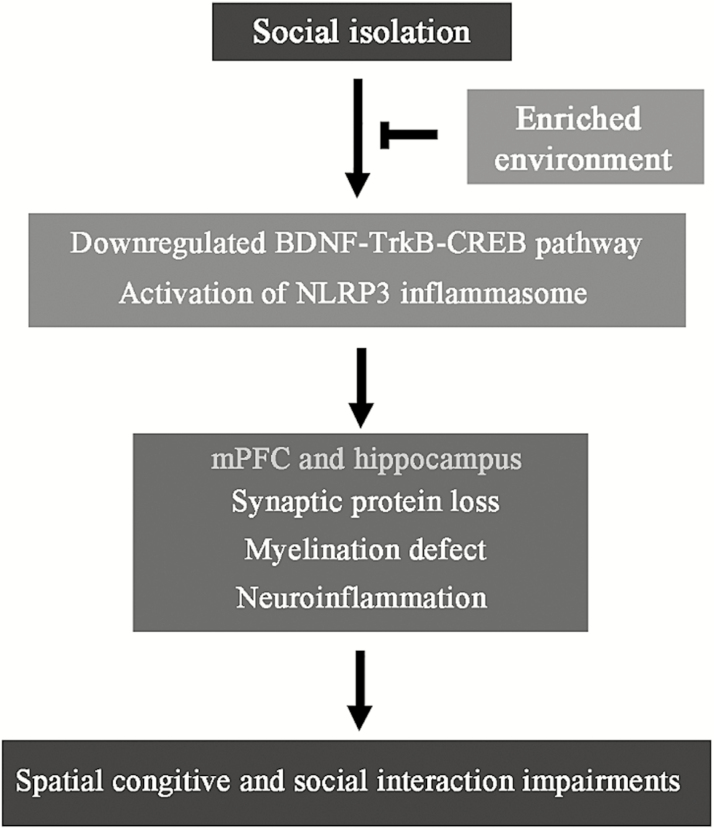
Social isolation in the elderly is one of the principal health risks in an aging society. Physical environmental enrichment is shown to improve sensory, cognitive, and motor functions, but it is unknown whether environmental enrichment can protect against brain impairments caused by social isolation.
Eighteen-month-old mice were housed, either grouped or isolated, in a standard or enriched environment for 2 months, respectively. Behavioral tests were performed to evaluate cognitive functional and social interaction ability. Synaptic protein levels, myelination, neuroinflammation, brain derived neurotrophic factor, and NOD-like receptor protein 3 inflammasome signaling pathways were examined in the medial prefrontal cortex and hippocampus.
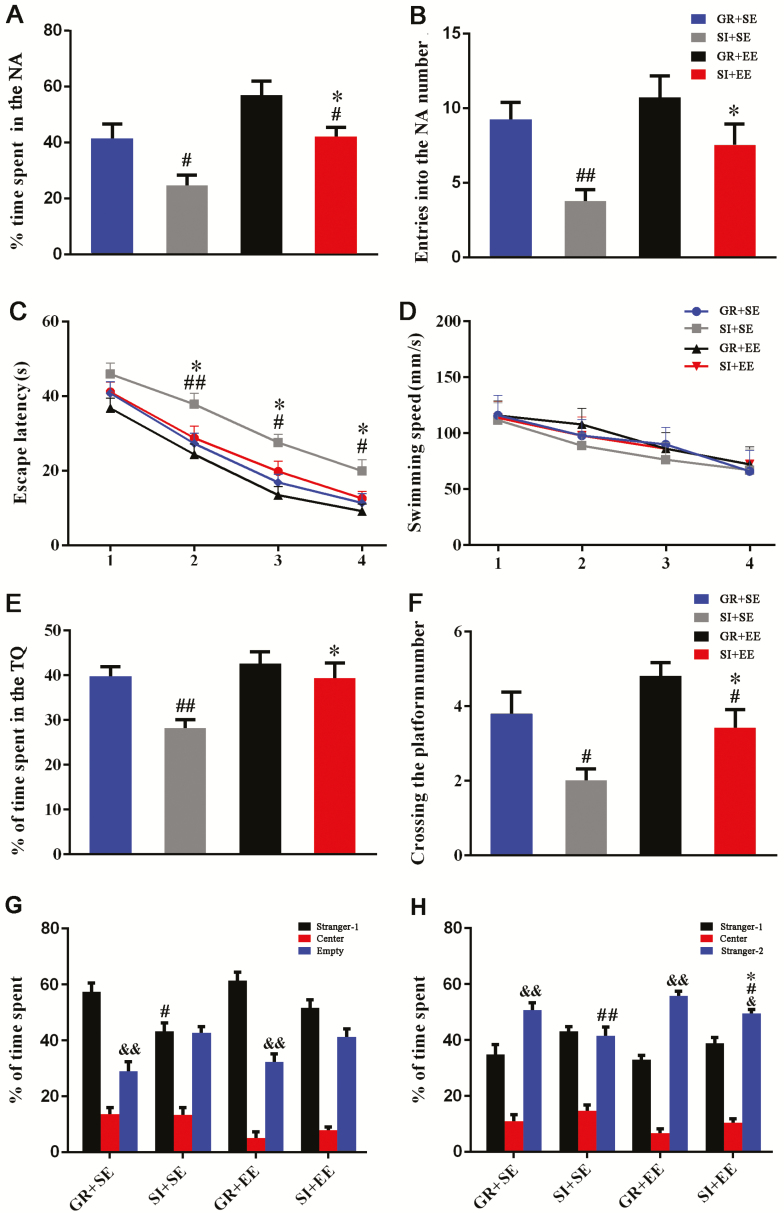
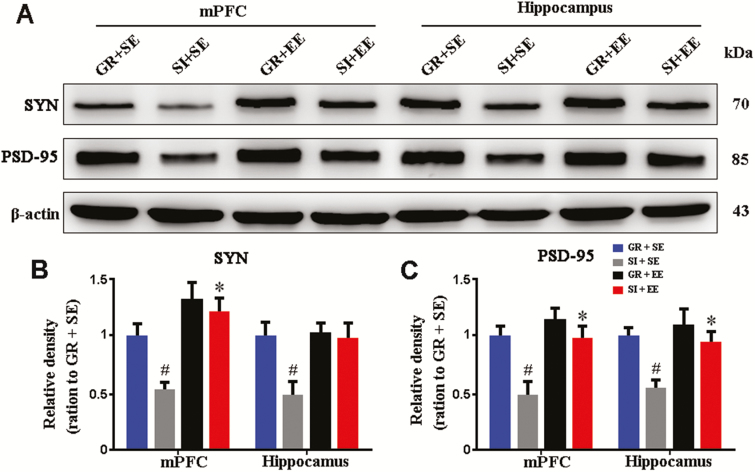
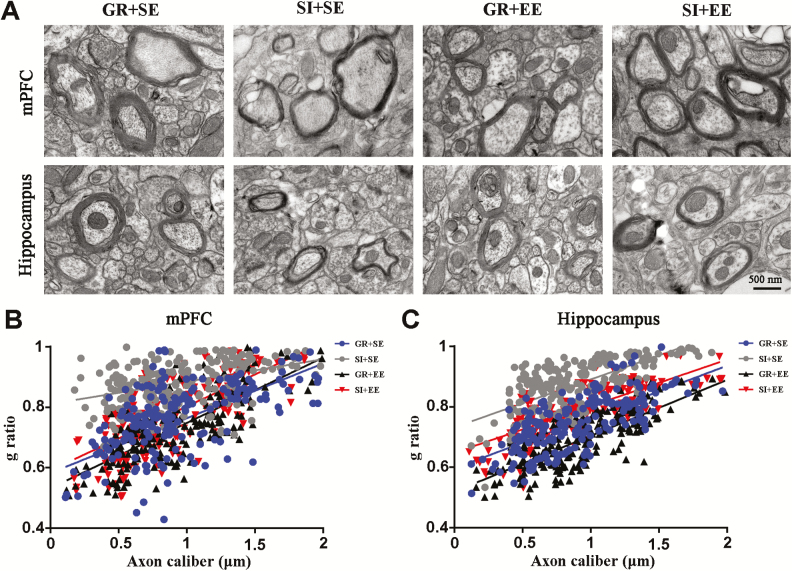
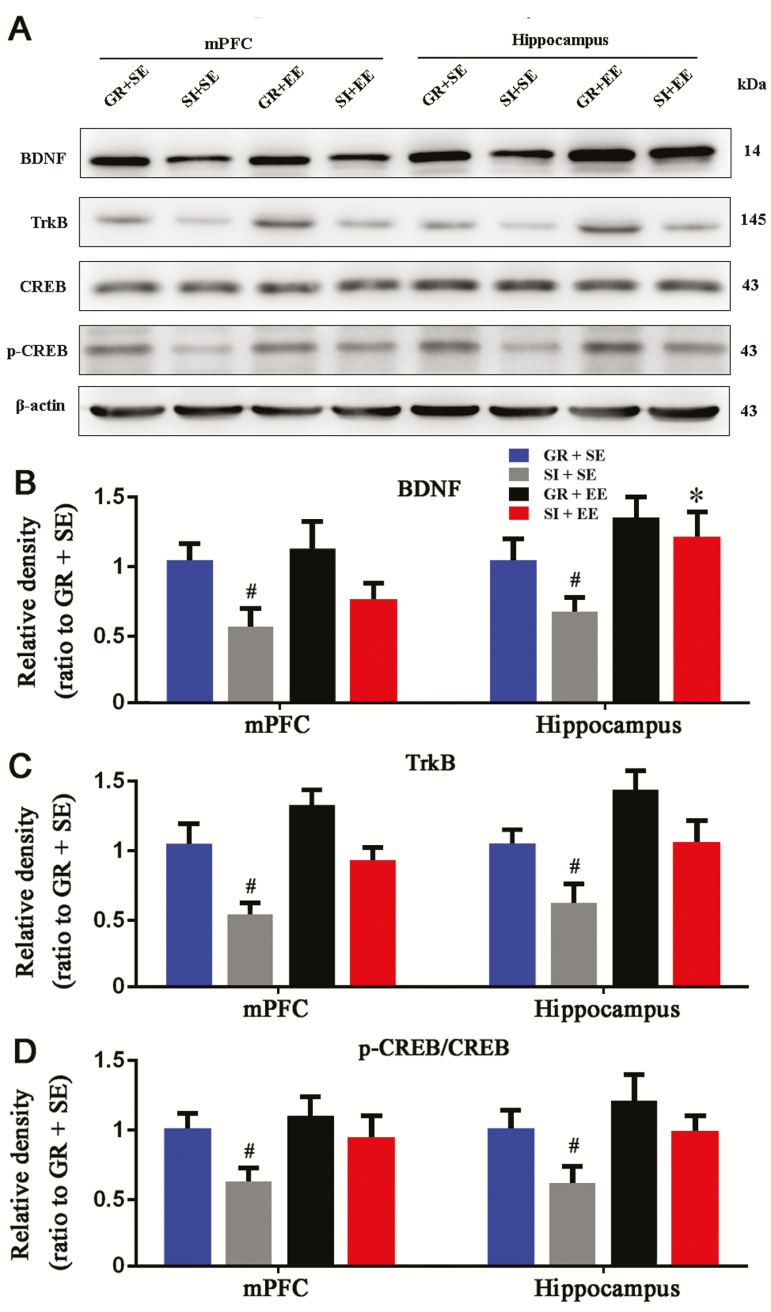
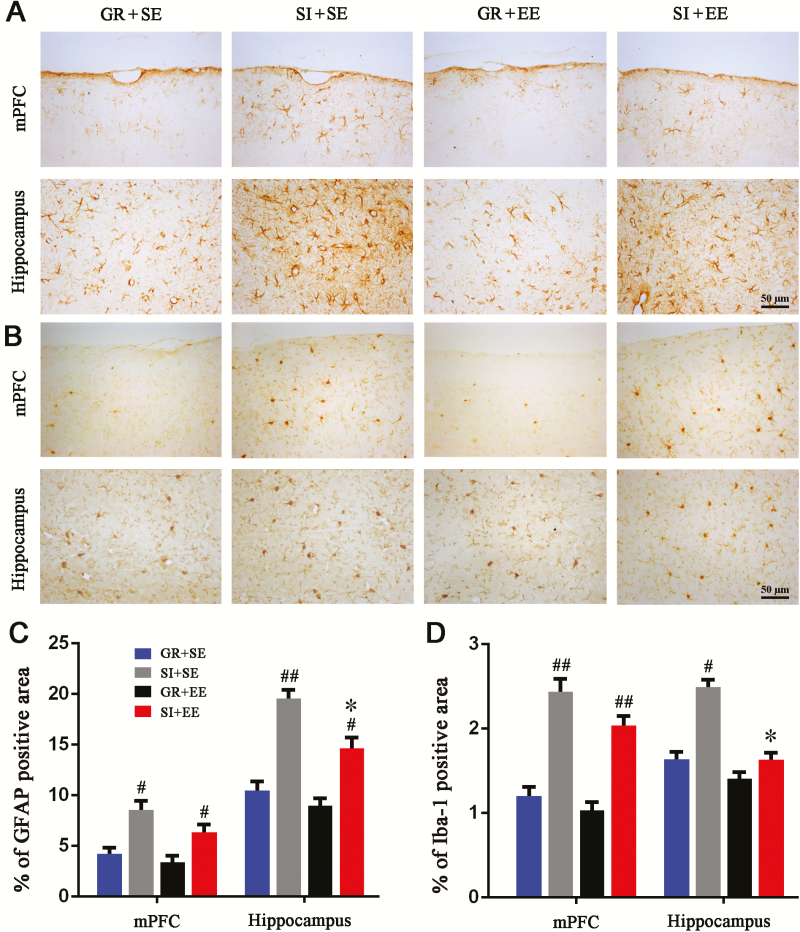
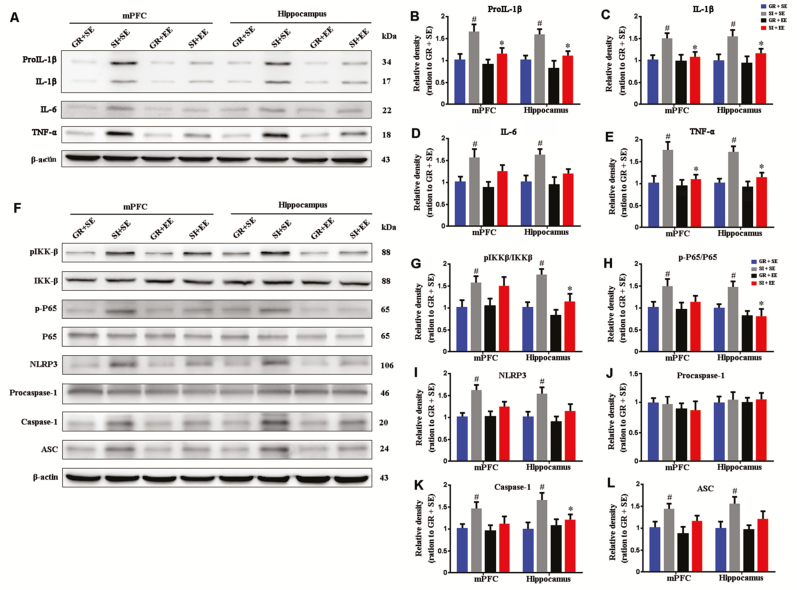
Isolated aged mice exhibited declines in spatial memory and social memory compared with age-matched littermates living within group housing. The aforementioned memory malfunctions were mitigated in isolated aged mice that were housed in a large cage with a running wheel and novel toys. Enriched housing prevented synaptic protein loss, myelination defects, and downregulation of brain derived neurotrophic factor, while also increasing interleukin 1 beta and tumor necrosis factor alpha in the medial prefrontal cortex and hippocampus of isolated mice. In addition, activation of glial cells and NOD-like receptor protein 3 inflammasomes was partially ameliorated in the hippocampus of isolated mice treated with physical environmental enrichment.
These results suggest that an enriched physical environment program may serve as a nonpharmacological intervention candidate to help maintain healthy brain function of elderly people living alone.
老年人的社交孤立是老龄化社会中的主要健康风险之一。丰富的物理环境已被证明可以改善感觉、认知和运动功能,但尚不清楚环境丰富是否可以预防社交隔离引起的大脑损伤。
将 18 个月大的小鼠分别分组或隔离在标准或丰富的环境中 2 个月,分别进行行为测试以评估认知功能和社交互动能力。检查内侧前额叶皮层和海马体中的突触蛋白水平、髓鞘形成、神经炎症、脑源性神经营养因子和 NOD 样受体蛋白 3 炎性小体信号通路。
与生活在群体饲养中的同龄同窝小鼠相比,独居的老年小鼠表现出空间记忆和社会记忆能力下降。在独居的老年小鼠中,将其安置在带有跑步轮和新奇玩具的大笼子中,可以减轻上述记忆障碍。丰富的环境可以防止突触蛋白丢失、髓鞘缺陷和脑源性神经营养因子的下调,同时增加内侧前额叶皮层和海马体中的白细胞介素 1β和肿瘤坏死因子 α。此外,在接受物理环境丰富治疗的隔离小鼠的海马体中,小胶质细胞和 NOD 样受体蛋白 3 炎性小体的激活也得到部分改善。
这些结果表明,丰富的物理环境方案可能是一种非药物干预候选方案,可以帮助维持独居老年人的健康大脑功能。