Department of Genetics, University of Szeged, Szeged, Hungary.
Department of Biochemistry and Molecular Biology, University of Szeged, Szeged, Hungary.
BMC Genomics. 2018 Sep 24;19(1):697. doi: 10.1186/s12864-018-5085-z.
The formation of matured and individual sperm involves a series of molecular and spectacular morphological changes of the developing cysts in Drosophila melanogaster testis. Recent advances in RNA Sequencing (RNA-Seq) technology help us to understand the complexity of eukaryotic transcriptomes by dissecting different tissues and developmental stages of organisms. To gain a better understanding of cellular differentiation of spermatogenesis, we applied RNA-Seq to analyse the testis-specific transcriptome, including coding and non-coding genes.
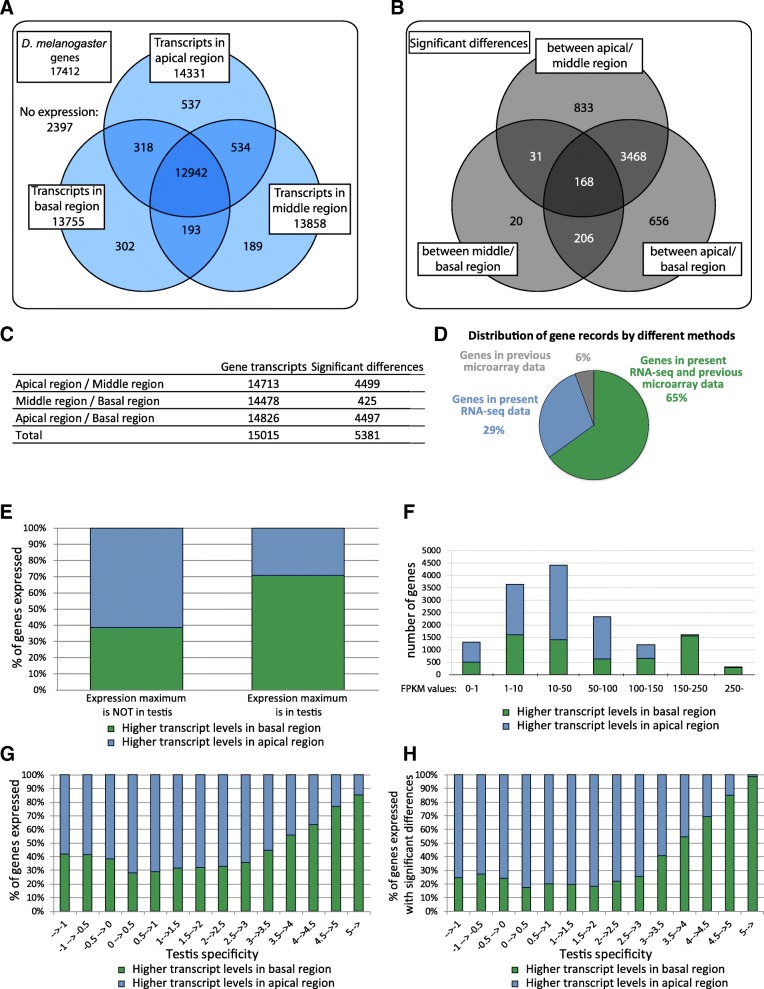
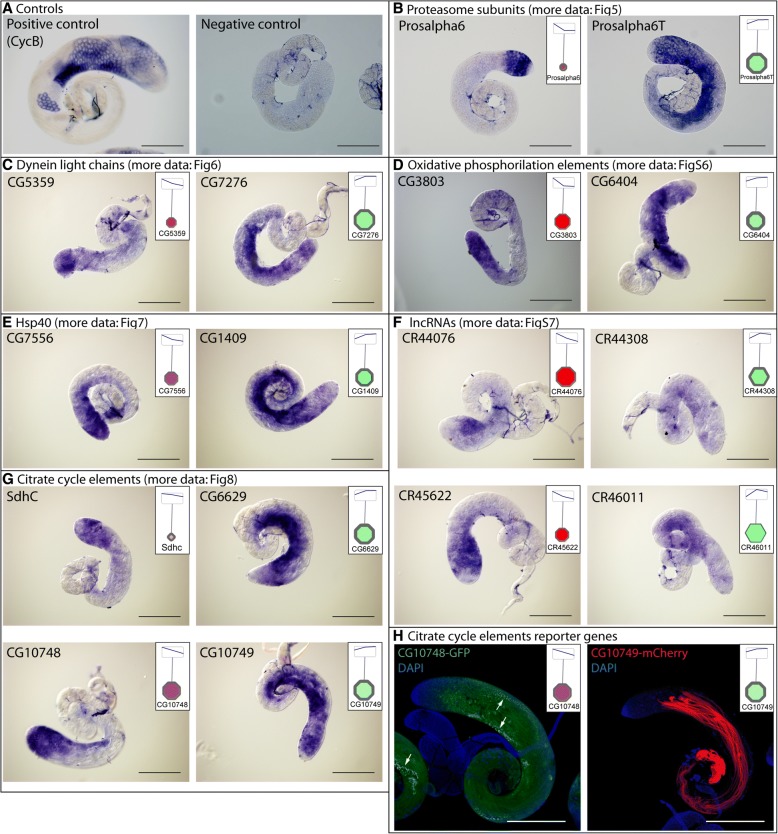
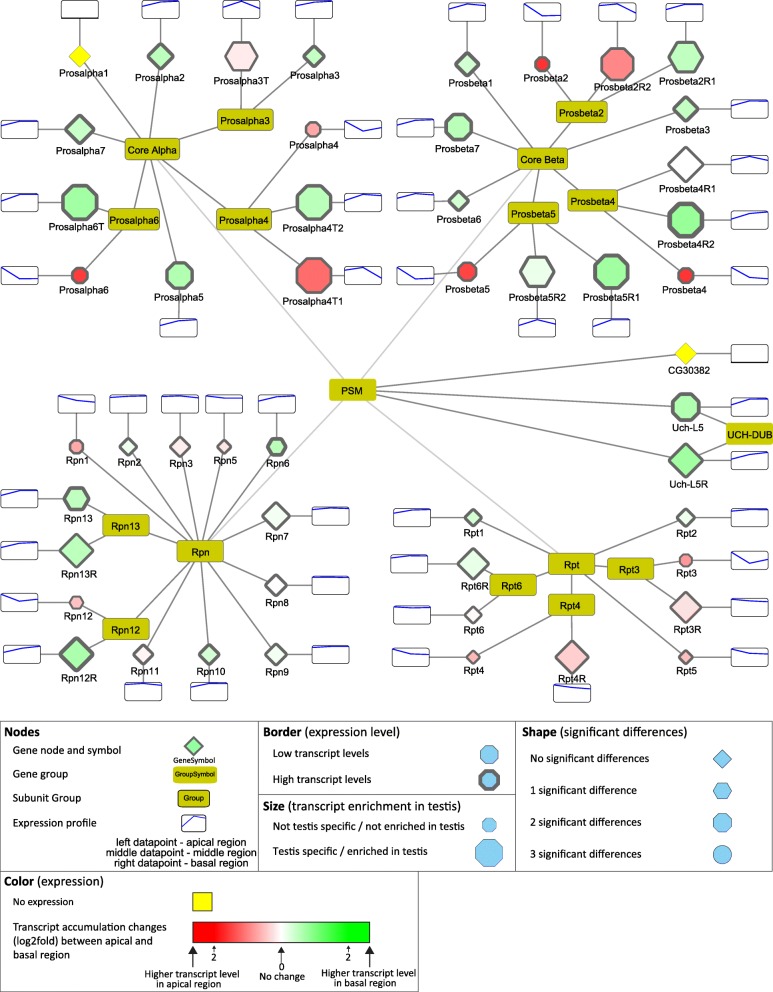
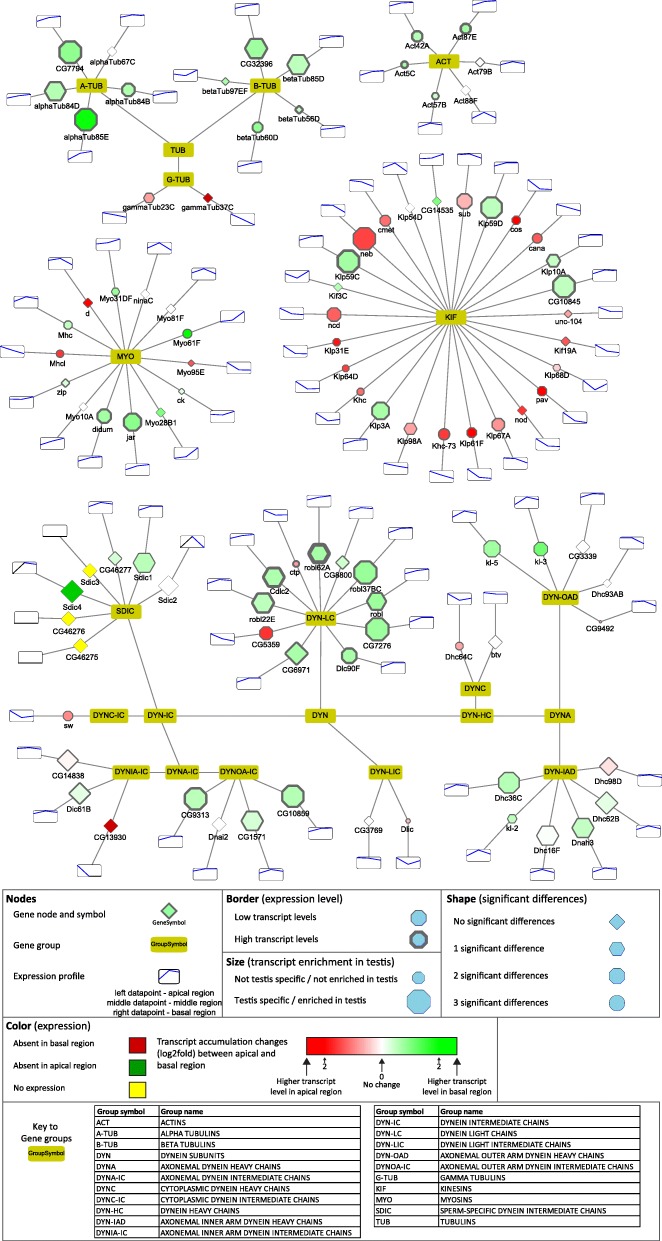
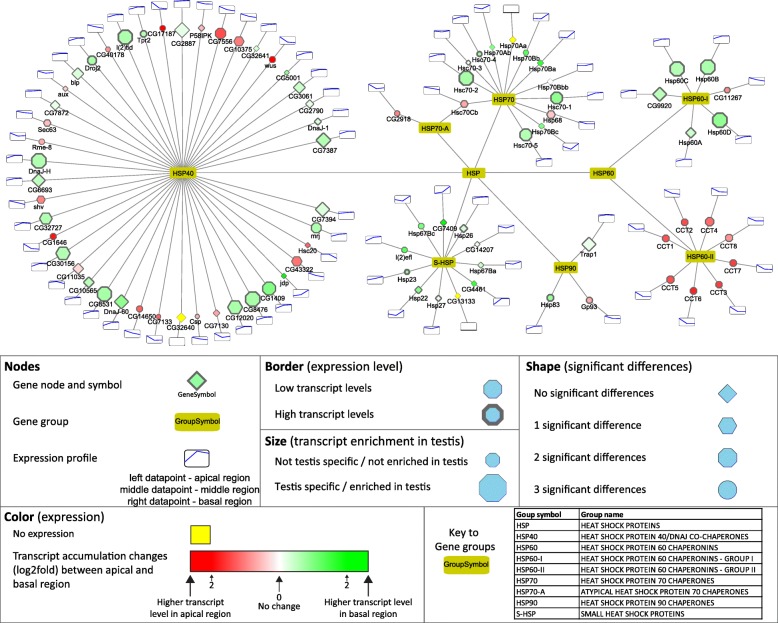
We isolated three different parts of the wild-type testis by dissecting and cutting the different regions: 1.) the apical region, which contains stem cells and developing spermatocytes 2.) the middle region, with enrichment of meiotic cysts 3.) the basal region, which contains elongated post-meiotic cysts with spermatids. Total RNA was isolated from each region and analysed by next-generation sequencing. We collected data from the annotated 17412 Drosophila genes and identified 5381 genes with significant transcript accumulation differences between the regions, representing the main stages of spermatogenesis. We demonstrated for the first time the presence and region specific distribution of 2061 lncRNAs in testis, with 203 significant differences. Using the available modENCODE RNA-Seq data, we determined the tissue specificity indices of Drosophila genes. Combining the indices with our results, we identified genes with region-specific enrichment in testis.
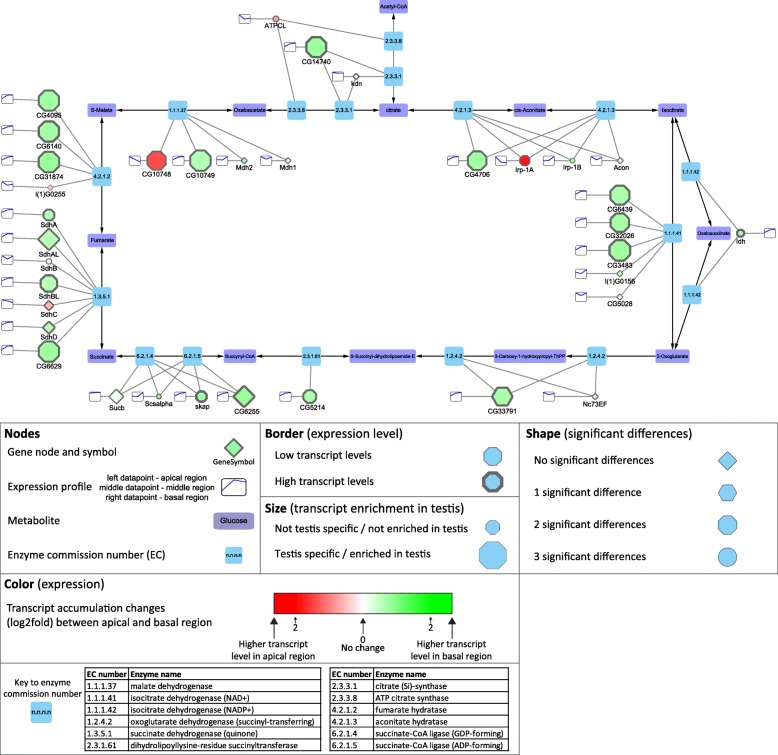
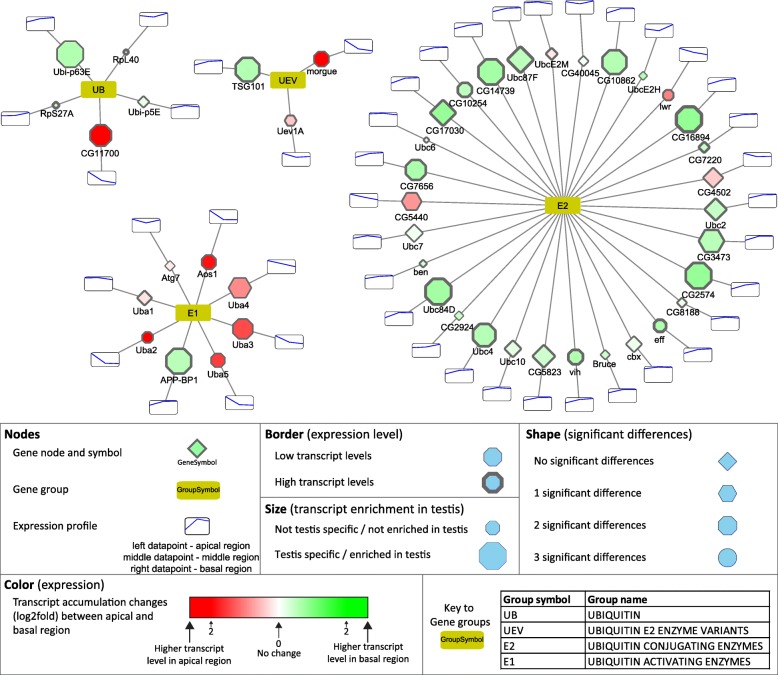
By multiple analyses of our results and integrating existing knowledge about Drosophila melanogaster spermatogenesis to our dataset, we were able to describe transcript composition of different regions of Drosophila testis, including several stage-specific transcripts. We present searchable visualizations that can facilitate the identification of new components that play role in the organisation and composition of different stages of spermatogenesis, including the less known, but complex regulation of post-meiotic stages.
在果蝇睾丸中,成熟和个体精子的形成涉及到一系列发育中的囊泡的分子和壮观的形态变化。RNA 测序(RNA-Seq)技术的最新进展通过剖析不同组织和生物的发育阶段,帮助我们理解真核转录组的复杂性。为了更好地理解精子发生的细胞分化,我们应用 RNA-Seq 分析了睾丸特异性转录组,包括编码和非编码基因。
我们通过解剖和切割不同区域,从野生型睾丸中分离出三个不同的部分:1. 顶端区域,包含干细胞和发育中的精母细胞;2. 中间区域,富含减数分裂的囊泡;3. 基底区域,包含拉长的减数分裂后精母细胞和精子。从每个区域分离总 RNA,并进行下一代测序分析。我们从注释的 17412 个果蝇基因中收集数据,并鉴定出 5381 个在区域之间转录积累差异显著的基因,代表了精子发生的主要阶段。我们首次证明了 2061 个 lncRNA 在睾丸中的存在和区域特异性分布,其中 203 个有显著差异。利用现有的 modENCODE RNA-Seq 数据,我们确定了果蝇基因的组织特异性指数。将这些指数与我们的结果相结合,我们鉴定出在睾丸中具有区域特异性富集的基因。
通过对我们的结果进行多次分析,并将现有的关于果蝇精子发生的知识整合到我们的数据集,我们能够描述果蝇睾丸不同区域的转录组成,包括几个阶段特异性的转录本。我们提供了可搜索的可视化效果,有助于识别在精子发生的不同阶段发挥作用的新成分,包括鲜为人知但复杂的减数分裂后阶段的调控。