Islet Biology Exeter (IBEx), Institute of Biomedical and Clinical Science, University of Exeter Medical School, RILD Building (Level 4), Barrack Road, Exeter, EX2 5DW, UK.
Diabetologia. 2018 Dec;61(12):2499-2506. doi: 10.1007/s00125-018-4731-y. Epub 2018 Sep 25.
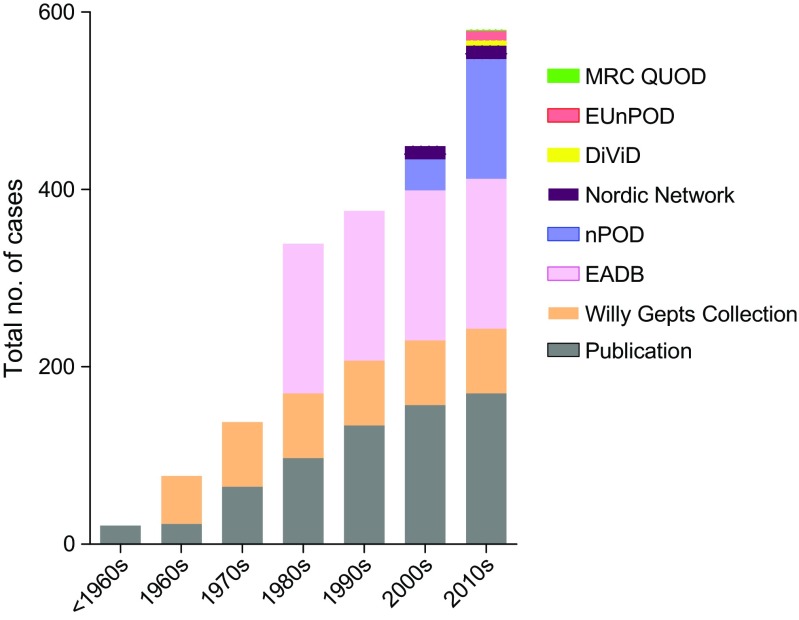
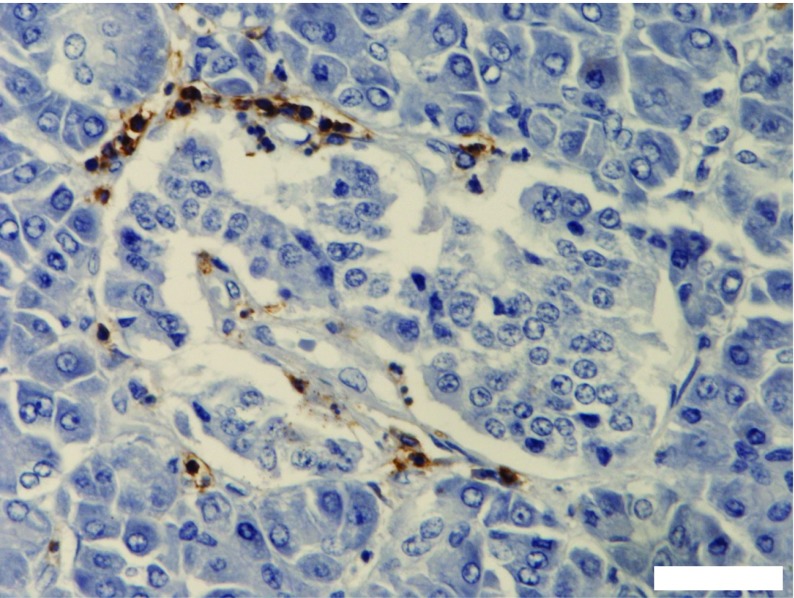
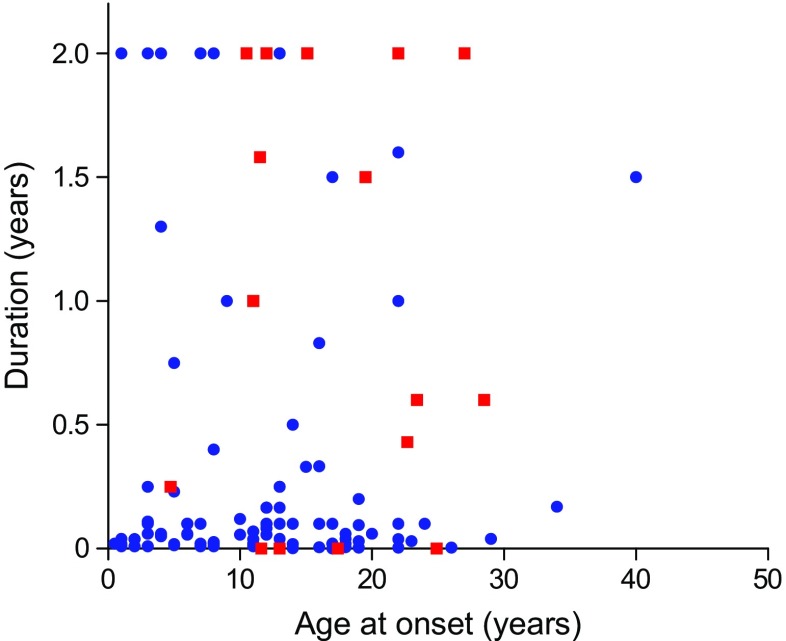
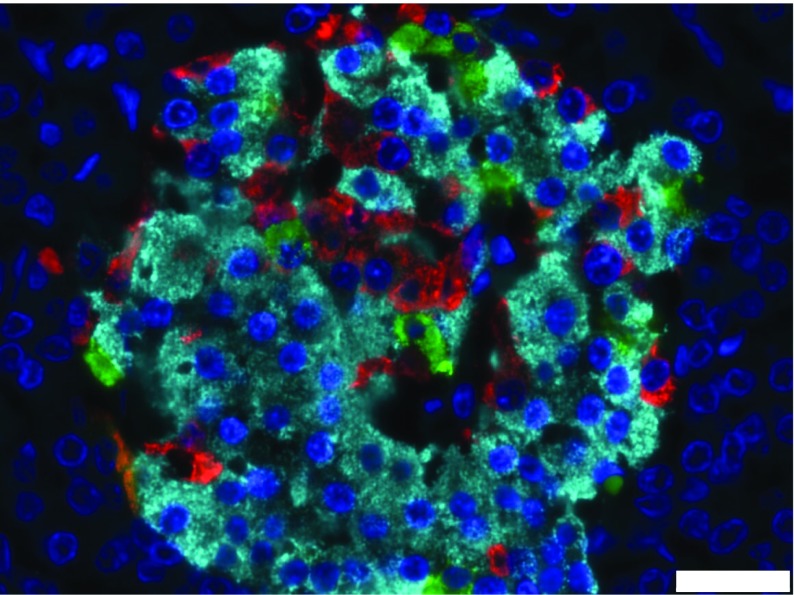
Type 1 diabetes is increasing in incidence in many parts of the world and it might be imagined that the pathological processes that underlie disease progression are firmly understood. However, this is not the case; rather, our collective understanding is still surprisingly rudimentary. There are various reasons for this but one of the most important is that the target organ (the pancreas) has been examined at, or soon after, diagnosis in only a small number of cases worldwide over the past half a century. This review provides a summary of some of the insights gained from these studies and highlights areas of ongoing uncertainty. In particular, it considers the process of insulitis (a form of islet inflammation that occurs characteristically in type 1 diabetes) and discusses the factors that may influence the access of immune cells to the beta cells. Attention is also drawn to recent evidence implying that two distinct profiles of insulitis exist, which occur differentially in people who develop type 1 diabetes at increasing ages. Emphasis is also placed on the emerging (and somewhat surprising) consensus that the extent of beta cell loss is variable among people with type 1 diabetes and that many (especially those who are older at onset) retain significant numbers of insulin-producing cells long after diagnosis. We conclude by emphasising the importance of renewed efforts to study the human pancreas at disease onset and consider how the current insights may inform the design of future strategies to slow or halt the rate of beta cell loss.
1 型糖尿病在世界许多地区的发病率都在增加,人们可能会认为导致疾病进展的病理过程已经被充分理解。然而,事实并非如此;相反,我们的集体认识仍然非常初级。造成这种情况的原因有很多,但最重要的原因之一是,在过去半个世纪里,全世界只有少数情况下在诊断时或诊断后不久对靶器官(胰腺)进行了检查。这篇综述总结了从这些研究中获得的一些见解,并强调了目前仍存在不确定性的领域。特别是,它考虑了胰岛炎(一种发生在 1 型糖尿病中特征性的胰岛炎症形式)的过程,并讨论了可能影响免疫细胞进入β细胞的因素。此外,还注意到最近的证据表明,胰岛炎存在两种不同的表型,它们在年龄较大时发生 1 型糖尿病的人群中存在差异。此外,还强调了一个新出现的(有些令人惊讶的)共识,即在 1 型糖尿病患者中,β细胞丢失的程度存在个体差异,许多(尤其是发病年龄较大的患者)在诊断后很长时间内仍保留大量产生胰岛素的细胞。最后,我们强调了重新努力在疾病发病时研究人类胰腺的重要性,并考虑了目前的见解如何为设计减缓或阻止β细胞丢失速度的未来策略提供信息。