Ayisi Addo Stephen, Abdulai Marijanatu, Yawson Alfred, Baddoo Akosua N, Zhao Jinkou, Workneh Nibretie, Okae Ivy, Wiah Ekow
National AIDS/STI Control Programme, Ghana Health Service, Accra, Ghana.
Department of Biostatistics, School of Public Health, University of Ghana, Accra, Ghana.
BMC Health Serv Res. 2018 Sep 26;18(1):739. doi: 10.1186/s12913-018-3485-z.
Ghana has been providing HIV and AIDS services since the identification of the first case in 1986 and added highly active antiretroviral therapy to its comprehensive care in 2003.This study aimed at assessing availability of HIV services along the continuum of HIV care in Ghana.
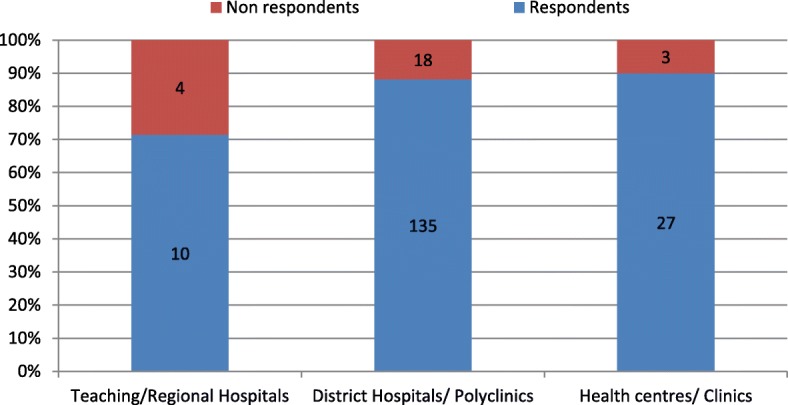
A cross sectional study was conducted among 172 (87%) of the total 197 ART canters in Ghana. Data was collected by self-administered questionnaire and analysed using STATA version 13.
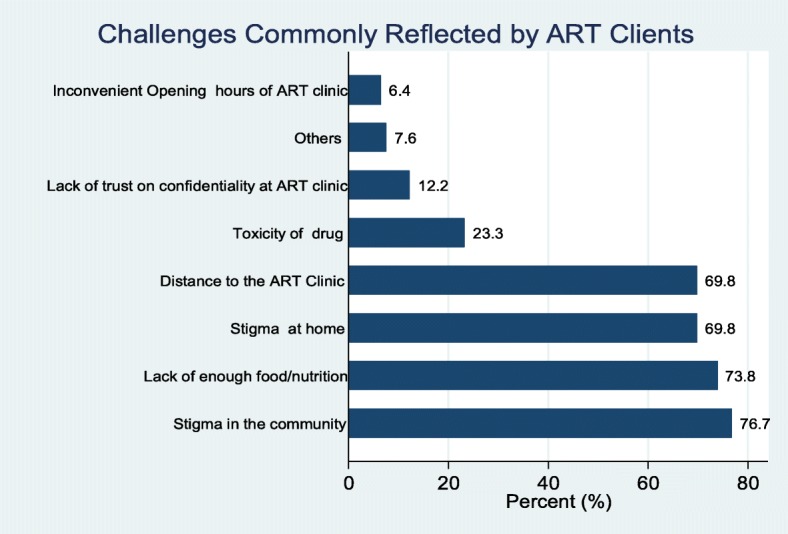
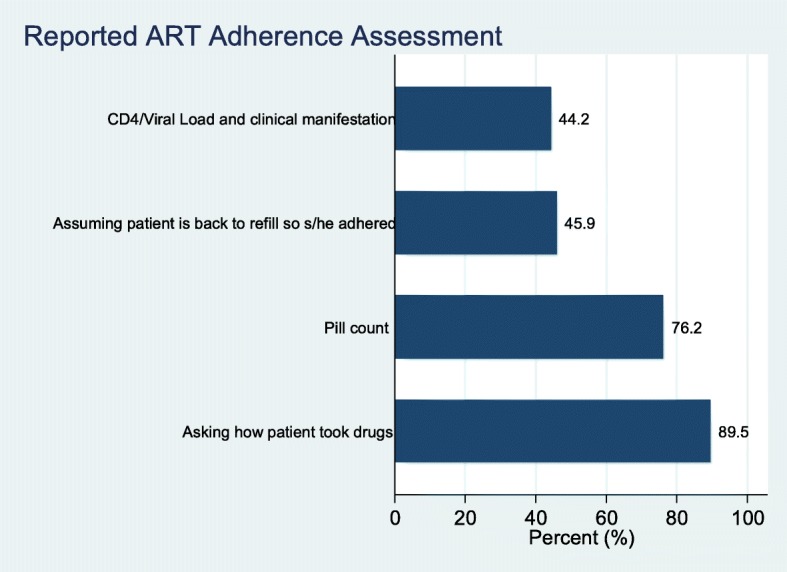
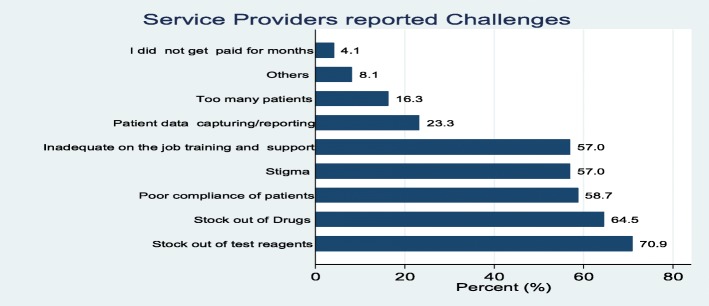
Of the 172 health facilities surveyed, 165 (96%) were offering HIV testing Services (HTS) during the survey period. More than 90% of the surveyed facilities reported to offer Anti-Retroviral Treatment (ART), patient counselling, TB screening and Prevention of Mother to Child Transmission (PMTCT) services. Viral load and Early Infant Diagnosis (EID) and laboratory testing services were reported at 10 (5.8%) and 23 (13.4%) respectively. HIV testing services (HTS), PMTCT, ART, patient counselling and opportunistic infections (OI) prophylaxis services were offered at all Tertiary and Regional hospitals surveyed. EID sample collection and testing services was reported at 2 out of 27 (7.4%) of the Health Centre and/or clinics in Ghana. The common adherence assessment methodology being implemented varied by facilities which included: asking patients if they took their drugs 154 (89.5%), pill counting 131 (76.2%), use of follow-up visit 79(45.9%) and use of CD4 counts, viral loads and clinical manifestation 76 (44.2%). Challenges encountered by facilities included shortage of test reagents and drugs 122 (71%), 111 (65%) respectively and patient compliance 101 (59%).
This study showed ART services to be available in most facilities. Methods used to assess patients adherence varied across facilities. Shortage of test reagents and drugs, EID sample collection and testing were major challenges. A standardised approach to assessing patient's adherence is recommended. Measures should be put in place to ensure availability of HIV commodities at all levels.
自1986年发现首例病例以来,加纳一直在提供艾滋病毒和艾滋病服务,并于2003年在其综合护理中增加了高效抗逆转录病毒疗法。本研究旨在评估加纳艾滋病毒护理连续过程中艾滋病毒服务的可及性。
对加纳197个抗逆转录病毒治疗中心中的172个(87%)进行了横断面研究。通过自填问卷收集数据,并使用STATA 13版进行分析。
在接受调查的172个医疗机构中,有165个(96%)在调查期间提供艾滋病毒检测服务(HTS)。超过90%的受访机构报告提供抗逆转录病毒治疗(ART)、患者咨询、结核病筛查和预防母婴传播(PMTCT)服务。分别有10个(5.8%)和23个(13.4%)机构报告提供病毒载量和早期婴儿诊断(EID)以及实验室检测服务。在所有接受调查的三级和地区医院都提供艾滋病毒检测服务(HTS)、预防母婴传播、抗逆转录病毒治疗、患者咨询和机会性感染(OI)预防服务。在加纳的27个卫生中心和/或诊所中,有2个(7.4%)报告提供早期婴儿诊断样本采集和检测服务。各机构实施的常见依从性评估方法各不相同,包括:询问患者是否服药154例(89.5%)、清点药片131例(76.2%)、使用随访179例(45.9%)以及使用CD4计数、病毒载量和临床表现76例(44.2%)。各机构遇到的挑战包括检测试剂和药物短缺,分别为122例(71%)、111例(65%),以及患者依从性101例(59%)。
本研究表明大多数机构都提供抗逆转录病毒治疗服务。各机构用于评估患者依从性的方法各不相同。检测试剂和药物短缺、早期婴儿诊断样本采集和检测是主要挑战。建议采用标准化方法评估患者依从性。应采取措施确保各级都能获得艾滋病毒相关用品。