Université Côte d'Azur, C3M Inserm U1065, 06204 Nice, France.
Equipe Labellisée par la Fondation ARC, 94803 Villejuif, France.
Int J Mol Sci. 2018 Sep 30;19(10):2991. doi: 10.3390/ijms19102991.
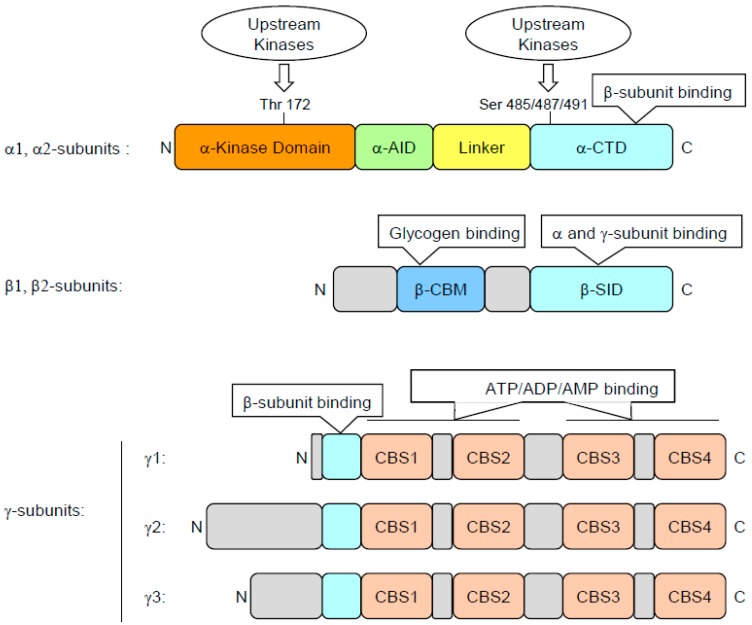
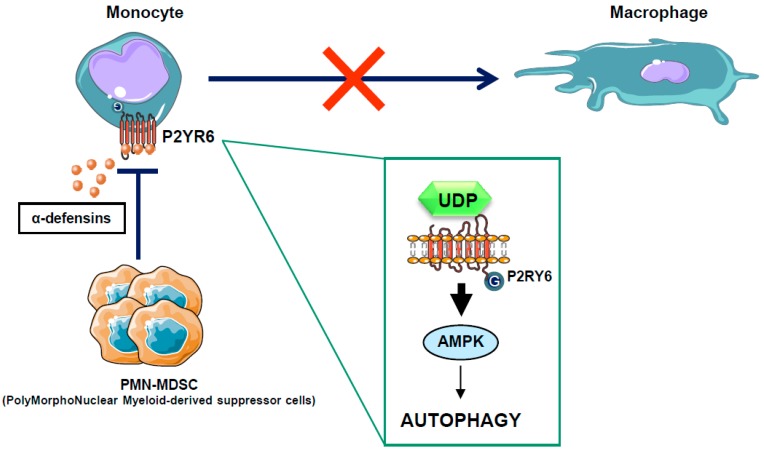
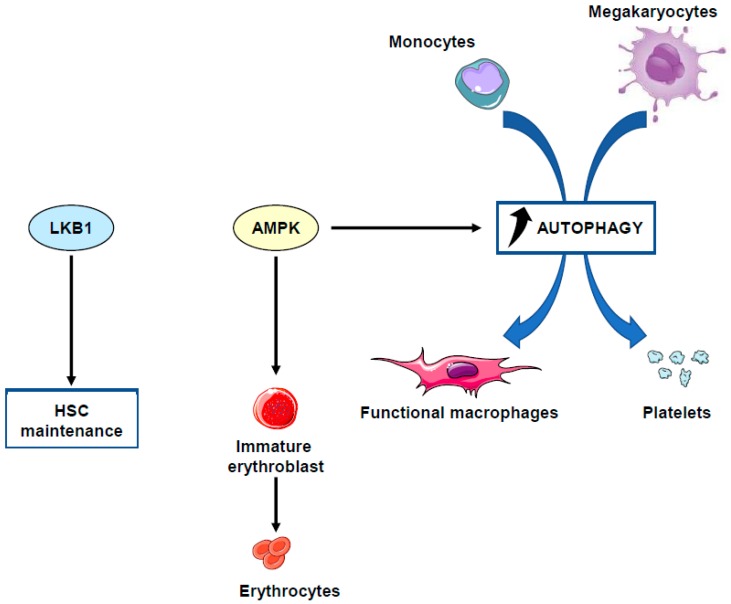
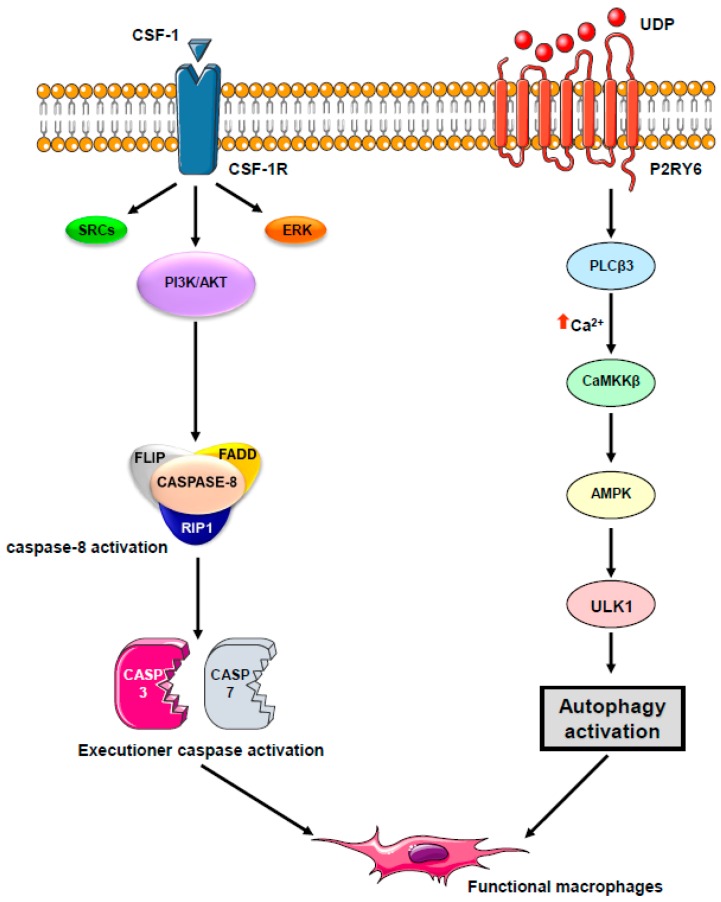
AMP-activated protein kinase (AMPK) is a heterotrimeric serine/threonine kinase consisting of the arrangement of various α β, and γisoforms that are expressed differently depending on the tissue or the cell lineage. AMPK is one of the major sensors of energy status in mammalian cells and as such plays essential roles in the regulation of cellular homeostasis, metabolism, cell growth, differentiation, apoptosis, and autophagy. AMPK is activated by two upstream kinases, the tumor suppressor liver kinase B1 (LKB1) and the calcium/calmodulin-dependent protein kinase kinase 2 (CAMKK2) through phosphorylation of the kinase on Thr172, leading to its activation. In addition, AMPK inhibits the mTOR pathway through phosphorylation and activation of tuberous sclerosis protein 2 (TSC2) and causes direct activation of unc-51-like autophagy activating kinase 1 (ULK1) via phosphorylation of Ser555, thus promoting initiation of autophagy. Although it is well established that AMPK can control the differentiation of different cell lineages, including hematopoietic stem cells (HSCs), progenitors, and mature hematopoietic cells, the role of AMPK regarding myeloid cell differentiation is less documented. The differentiation of monocytes into macrophages triggered by colony stimulating factor 1 (CSF-1), a process during which both caspase activation (independently of apoptosis induction) and AMPK-dependent stimulation of autophagy are necessary, is one noticeable example of the involvement of AMPK in the physiological differentiation of myeloid cells. The present review focuses on the role of AMPK in the regulation of the physiological and pathological differentiation of myeloid cells. The mechanisms of autophagy induction by AMPK will also be addressed, as autophagy has been shown to be important for differentiation of hematopoietic cells. In addition, myeloid malignancies (myeloid leukemia or dysplasia) are characterized by profound defects in the establishment of proper differentiation programs. Reinduction of a normal differentiation process in myeloid malignancies has thus emerged as a valuable and promising therapeutic strategy. As AMPK seems to exert a key role in the differentiation of myeloid cells, notably through induction of autophagy, we will also discuss the potential to target this pathway as a pro-differentiating and anti-leukemic strategy in myeloid malignancies.
腺苷酸活化蛋白激酶 (AMPK) 是一种异源三聚体丝氨酸/苏氨酸激酶,由不同的 α β 和 γ 同工型组成,这些同工型的表达根据组织或细胞谱系而不同。AMPK 是哺乳动物细胞能量状态的主要传感器之一,因此在调节细胞内稳态、代谢、细胞生长、分化、凋亡和自噬等方面发挥着重要作用。AMPK 通过 Thr172 上的磷酸化被两种上游激酶——肿瘤抑制因子肝激酶 B1 (LKB1) 和钙/钙调蛋白依赖性蛋白激酶激酶 2 (CAMKK2) 激活,从而导致其激活。此外,AMPK 通过磷酸化和激活结节性硬化症蛋白 2 (TSC2) 抑制 mTOR 途径,并通过磷酸化 Ser555 直接激活非典型蛋白激酶 1 (ULK1),从而促进自噬的起始。虽然 AMPK 可以控制不同细胞谱系的分化,包括造血干细胞 (HSCs)、祖细胞和成熟造血细胞,已经得到了很好的证实,但 AMPK 对髓系细胞分化的作用的相关研究较少。集落刺激因子 1 (CSF-1) 触发的单核细胞向巨噬细胞的分化,这一过程既需要半胱天冬酶的激活(独立于凋亡诱导),也需要 AMPK 依赖性自噬的刺激,是 AMPK 参与髓系细胞生理分化的一个显著例子。本综述重点介绍了 AMPK 在调节髓系细胞生理分化中的作用。AMPK 诱导自噬的机制也将被讨论,因为自噬对于造血细胞的分化很重要。此外,髓系恶性肿瘤(髓性白血病或发育不良)的特点是正确分化程序的建立存在严重缺陷。因此,在髓系恶性肿瘤中重新诱导正常分化过程已成为一种有价值和有前途的治疗策略。由于 AMPK 似乎在髓系细胞的分化中发挥关键作用,特别是通过诱导自噬,我们还将讨论靶向该途径作为髓系恶性肿瘤的促分化和抗白血病策略的潜力。