Univ. Bordeaux, CNRS, MCC, PACEA, UMR 5199 F_33615, Pessac, France.
Centro Nacional de Investigación sobre la Evolución Humana, Burgos, Spain.
PLoS One. 2018 Oct 3;13(10):e0203334. doi: 10.1371/journal.pone.0203334. eCollection 2018.
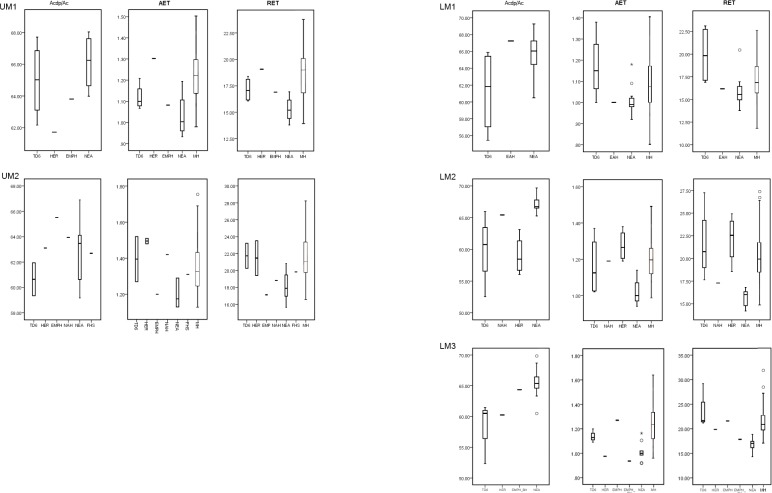
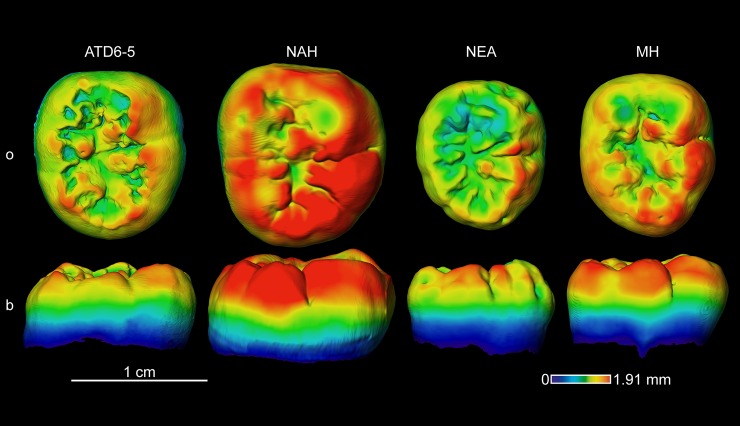
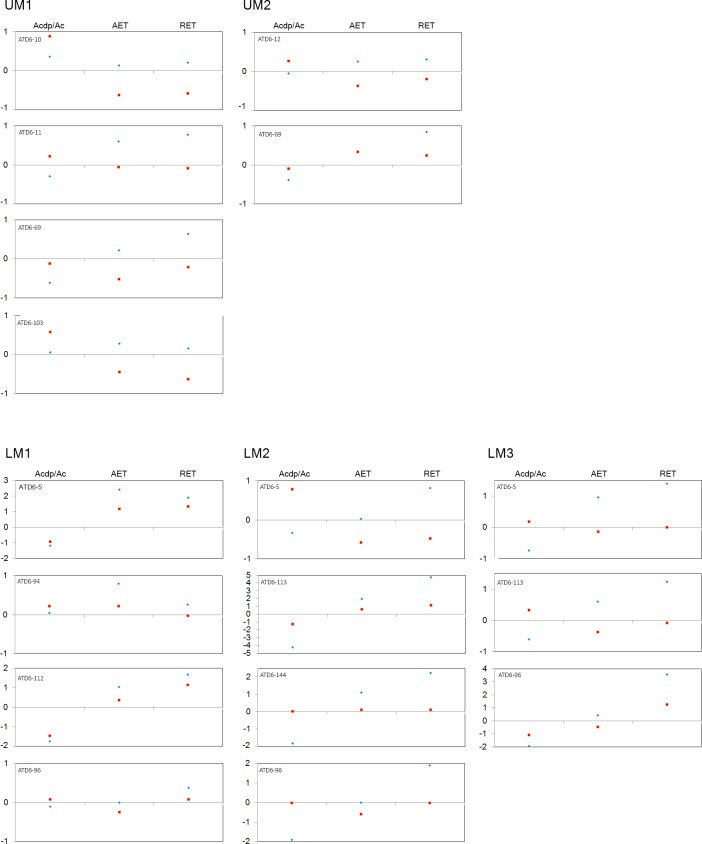
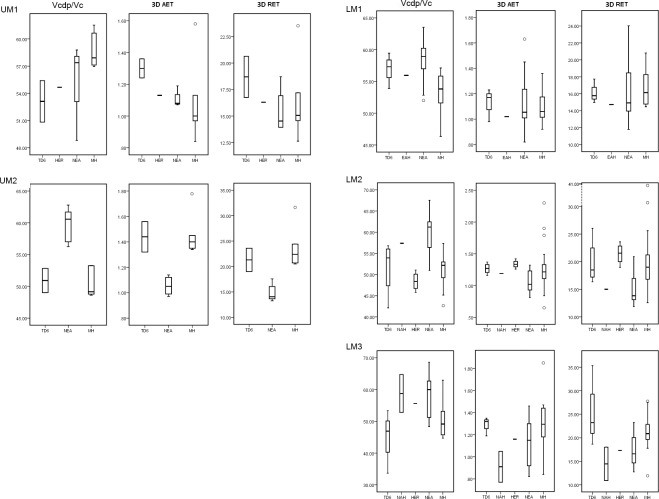
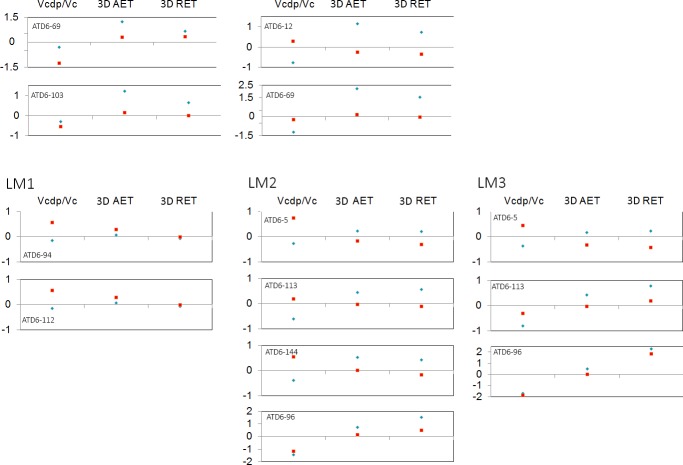
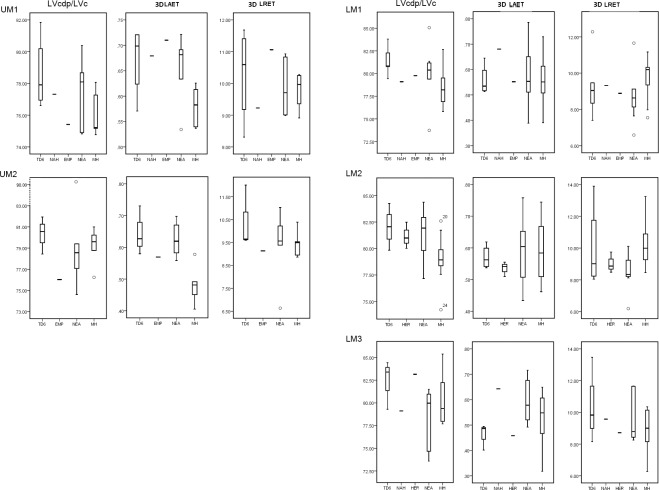
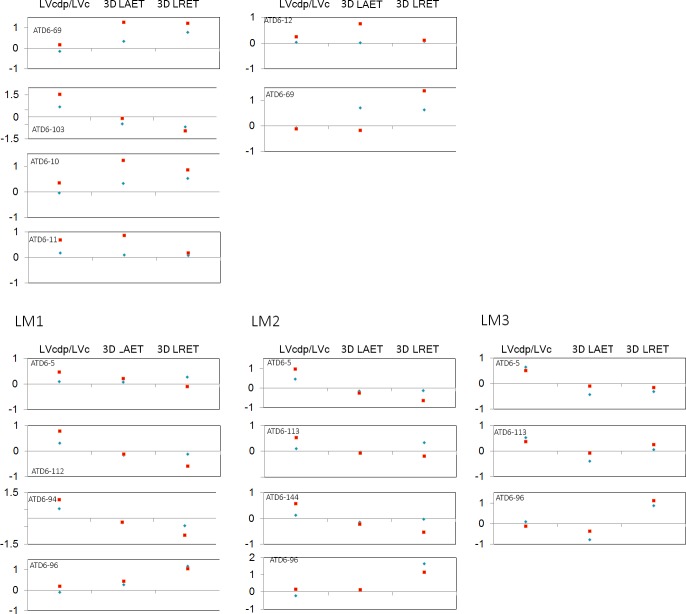
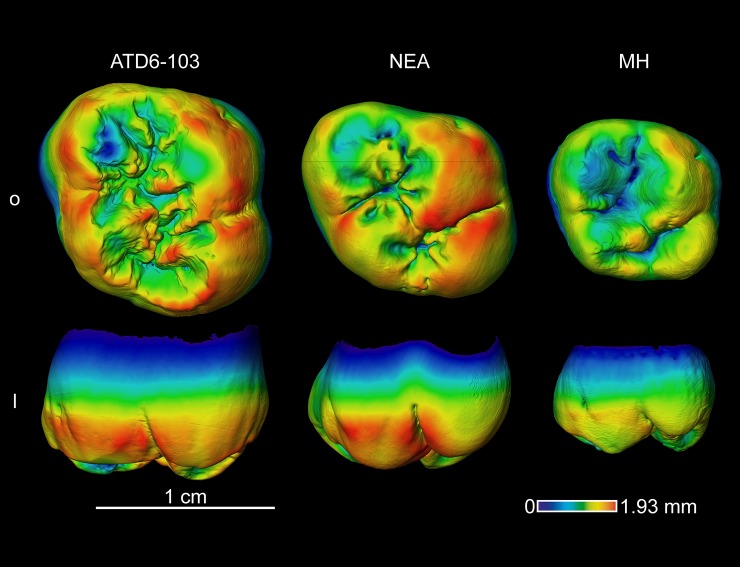
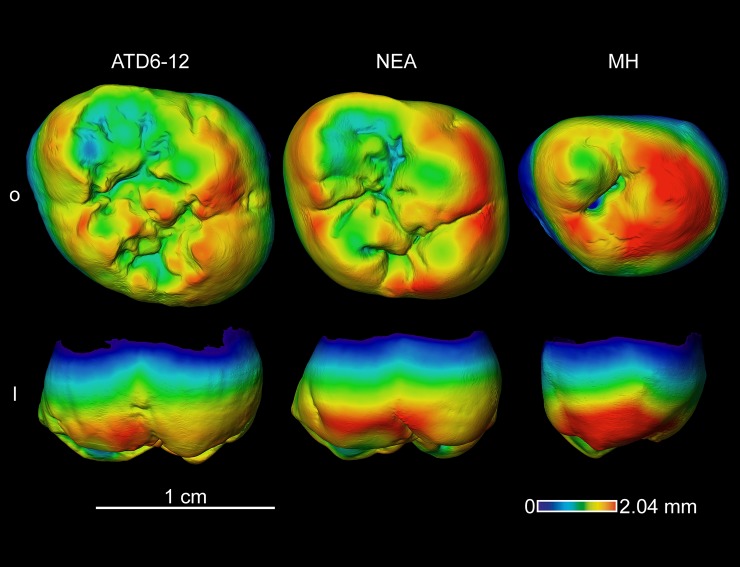
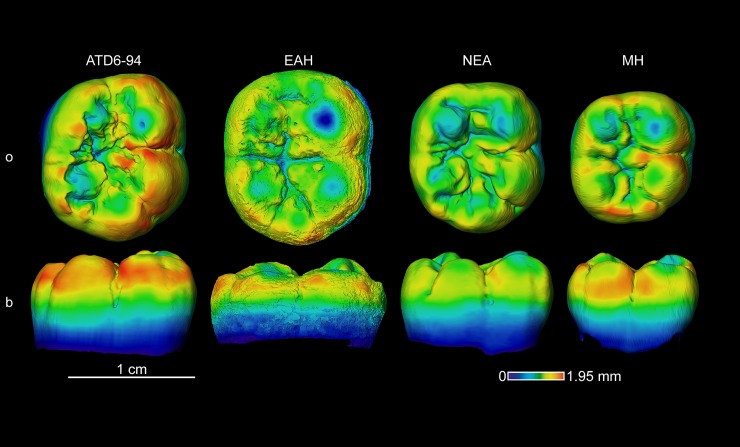
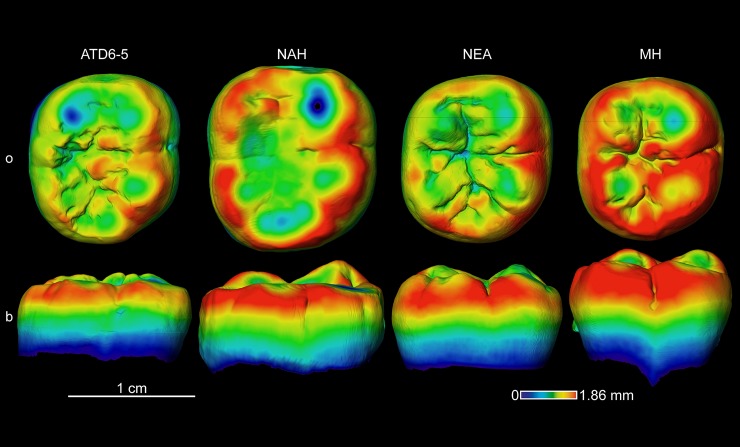
Tooth crown tissue proportions and enamel thickness distribution are considered reliable characters for inferring taxonomic identity, phylogenetic relationships, dietary and behavioural adaptations in fossil and extant hominids. While most Pleistocene hominins display variations from thick to hyper-thick enamel, Neanderthals exhibit relatively thinner. However, the chronological and geographical origin for the appearance of this typical Neanderthal condition is still unknown. The European late Early Pleistocene species Homo antecessor (Gran Dolina-TD6 site, Sierra de Atapuerca) represents an opportunity to investigate the appearance of the thin condition in the fossil record. In this study, we aim to test the hypothesis if H. antecessor molars approximates the Neanderthal condition for tissue proportions and enamel thickness. To do so, for the first time we characterised the molar inner structural organization in this Early Pleistocene hominin taxon (n = 17) and compared it to extinct and extant populations of the genus Homo from African, Asian and European origin (n = 355). The comparative sample includes maxillary and mandibular molars belonging to H. erectus, East and North African Homo, European Middle Pleistocene Homo, Neanderthals, and fossil and extant H. sapiens. We used high-resolution images to investigate the endostructural configuration of TD6 molars (tissue proportions, enamel thickness and distribution). TD6 permanent molars tend to exhibit on average thick absolute and relative enamel in 2D and 3D estimates, both in the complete crown and the lateral enamel. This condition is shared with the majority of extinct and extant hominin sample, except for Neanderthals and some isolated specimens. However, while the total crown percentage of dentine in TD6 globally resembles the low modern values, the lateral crown percentage of dentine tends to be much higher, closer to the Neanderthal signal. Similarly, the H. antecessor molar enamel distribution maps reveal a relative distribution pattern that is more similar to the Neanderthal condition (with the thickest enamel more spread at the periphery of the occlusal basin) rather than that of other fossil specimens and modern humans (with thicker cuspal enamel). Future studies on European Middle Pleistocene populations will provide more insights into the evolutionary trajectory of the typical Neanderthal dental structural organization.
牙冠组织比例和釉质厚度分布被认为是推断分类学身份、系统发育关系、化石和现存人类饮食和行为适应的可靠特征。虽然大多数更新世人类表现出从厚到超厚釉质的变化,但尼安德特人则相对较薄。然而,这种典型尼安德特人特征出现的时间和地理起源仍然未知。欧洲早更新世晚期物种 H. antecessor(Gran Dolina-TD6 遗址,阿塔普尔卡山脉)代表了一个机会,可以研究化石记录中薄条件的出现。在这项研究中,我们旨在检验 H. antecessor 臼齿是否接近尼安德特人在组织比例和釉质厚度方面的假设。为此,我们首次对这个早更新世人类分类群的臼齿内部结构组织进行了特征描述(n = 17),并将其与来自非洲、亚洲和欧洲的已灭绝和现存人类属种(n = 355)进行了比较。比较样本包括属于 H. erectus、东非和北非的 Homo、欧洲中更新世的 Homo、尼安德特人和化石及现存的 H. sapiens 的上颌和下颌臼齿。我们使用高分辨率图像来研究 TD6 臼齿的内结构配置(组织比例、釉质厚度和分布)。TD6 恒磨牙在 2D 和 3D 估计中平均具有厚的绝对和相对釉质,无论是在完整的牙冠还是在侧釉质中。这种情况与大多数已灭绝和现存的人类样本共享,除了尼安德特人和一些孤立的标本。然而,尽管 TD6 的牙本质总冠百分比在全球范围内类似于现代低值,但侧牙冠的牙本质百分比往往更高,更接近尼安德特人的信号。同样,H. antecessor 臼齿的釉质分布图显示出一种相对分布模式,与尼安德特人条件(最厚的釉质更分布在咬合盆地的周边)更相似,而不是其他化石标本和现代人(较厚的牙尖釉质)。对欧洲中更新世人群的未来研究将提供更多关于典型尼安德特人牙齿结构组织的进化轨迹的见解。