Department of Historical Studies, University of Gothenburg, Gothenburg, Sweden.
Curt-Engelhorn Center for Archaeometry gGmbH, Mannheim, Germany.
PLoS One. 2018 Oct 4;13(10):e0204649. doi: 10.1371/journal.pone.0204649. eCollection 2018.
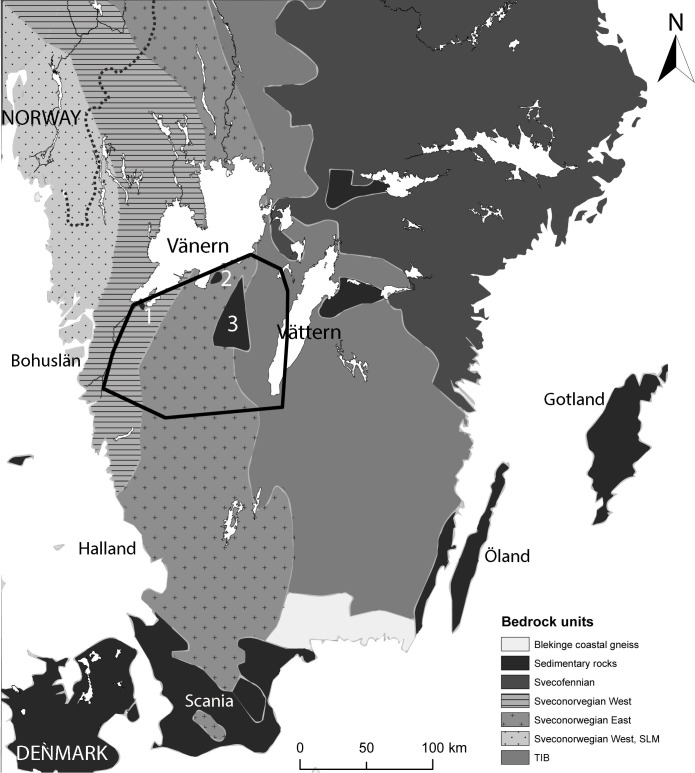
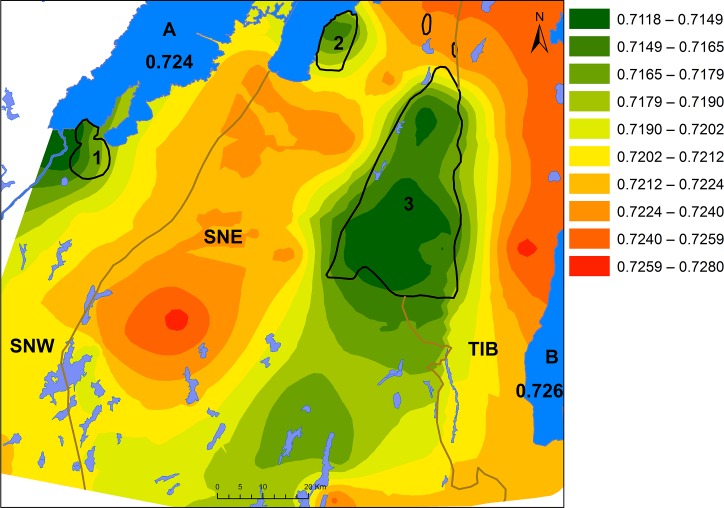
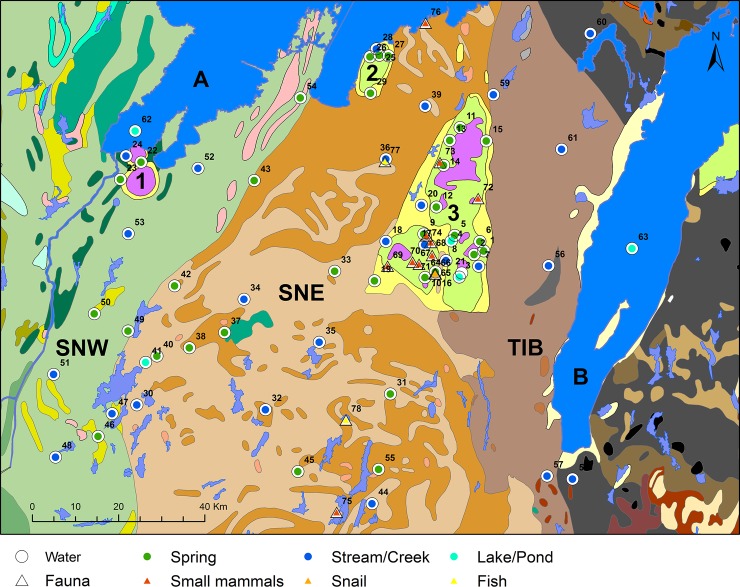
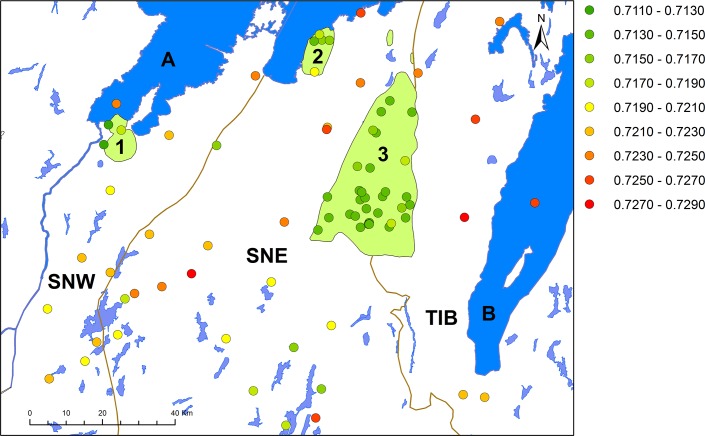
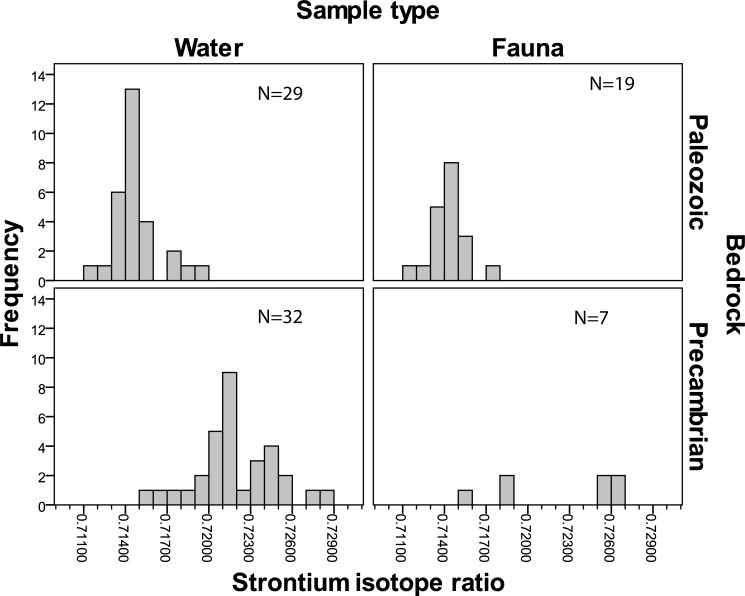
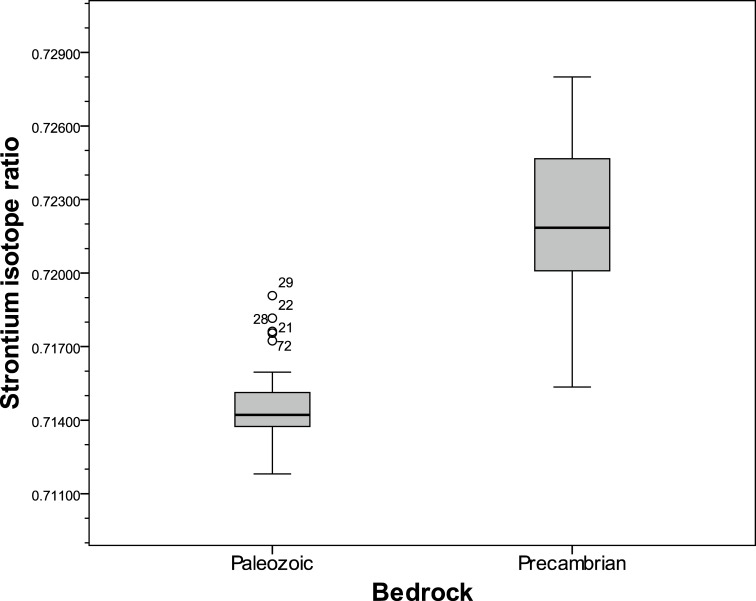
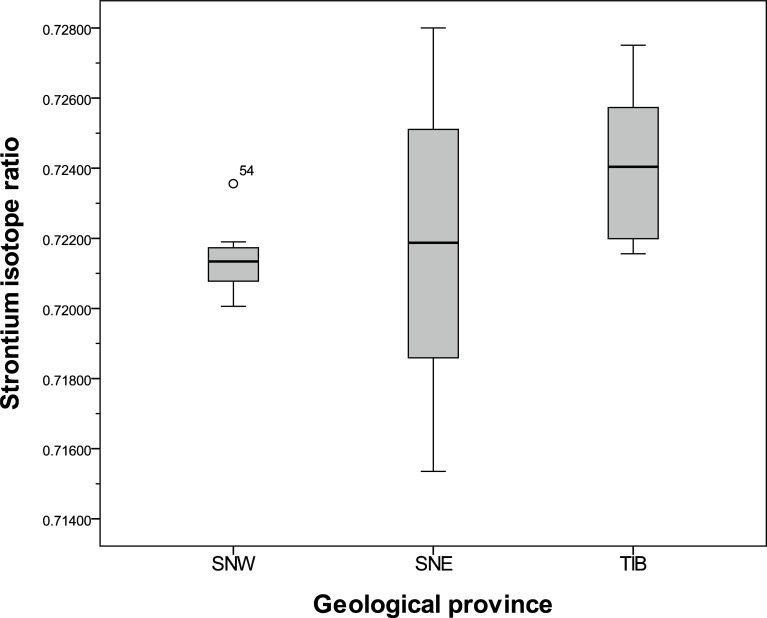
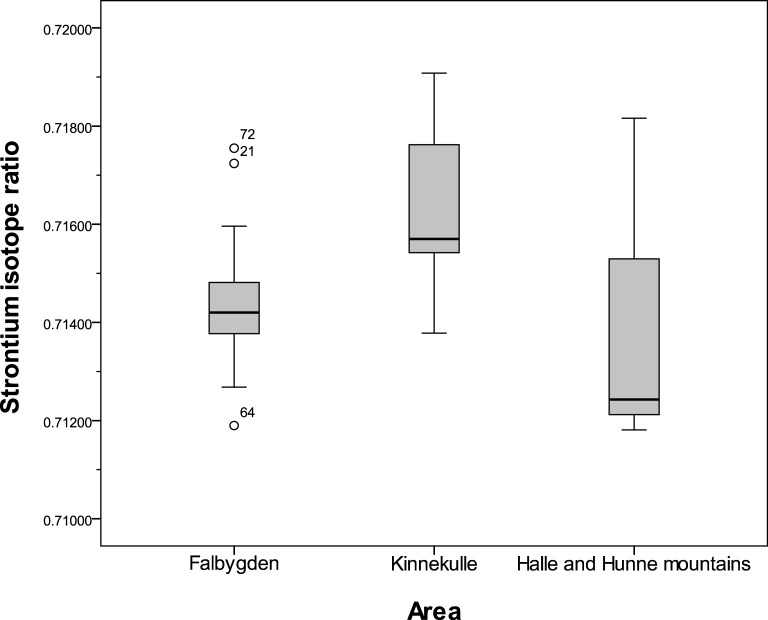
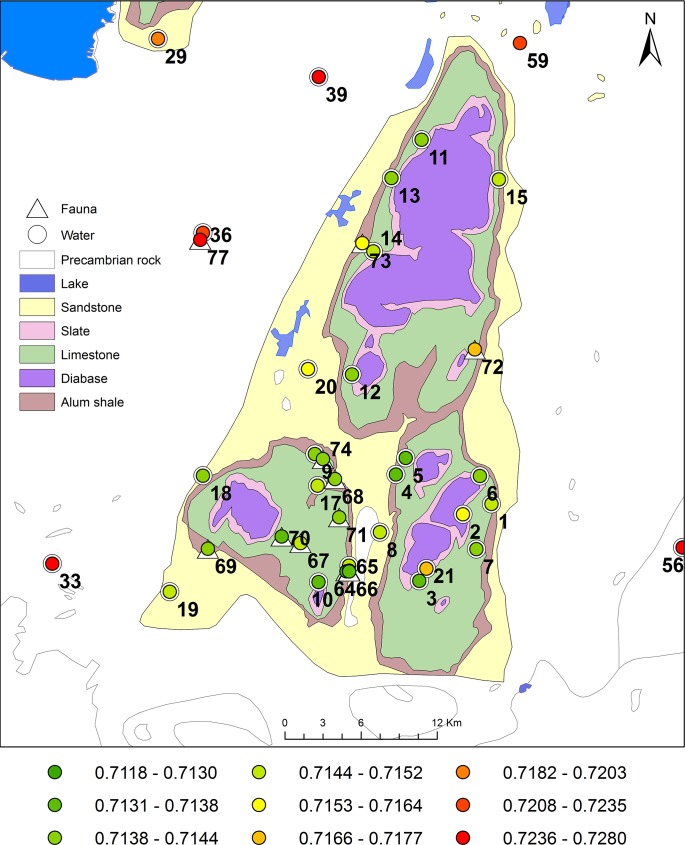
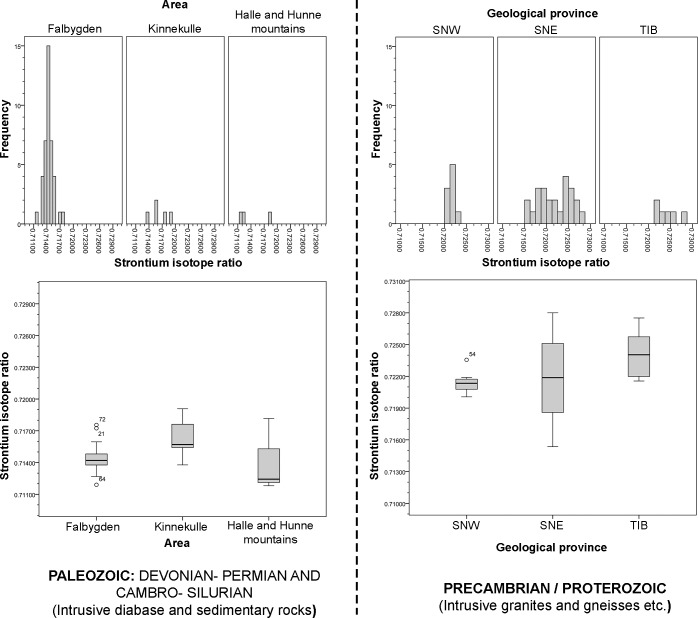
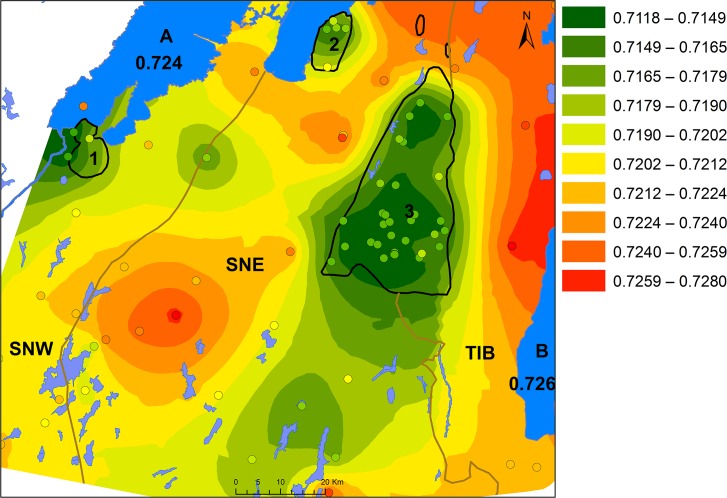
The inland area of southwestern Sweden is well known for its well-preserved archaeological animal and human remains dating back to the Mesolithic and Neolithic (10000-4000 and 4000-1700 BC). They allow application of multiple bioarchaeological methods, giving insights into various and complementary aspects of prehistoric human life, as well as economic and social structures. One important aspect concerns human mobility and its relation to social networks and to circulation of objects. Here, strontium isotope analysis plays a crucial role. The present study aims to construct a strontium isotope baseline of southwestern Sweden with considerably greater coverage and higher resolution than previously published data. As the region has been affected by glacial events, the relation between bedrock geology and isotope signals of the bioavailable strontium in such areas is given special attention. We determined strontium isotope ratios for 61 water and five archaeological animal samples, and combined the data with previous measurements of two water and 21 non-domestic faunal samples. The results reveal a complex pattern. Several areas with distinct baseline ranges can be distinguished, although with overlaps between some of them. Overall, the bioavailable strontium isotope signals mirror the basement geology of the region. The highest ratios occur in the geologically oldest eastern parts of the Precambrian terrain, while lower ratios are found in the western part, and the lowest ratios occur in the youngest Paleozoic areas. At the same time, there are minor deviations compared to the underlying bedrock, due to glacial transport, overlying sediments, and local intrusions of younger rocks. The background data set now available allows for more nuanced and detailed interpretations of human and animal mobility in the region, in particular by identification of subregions with differing strontium isotope ratios within the Precambrian province. Also, we can now identify long distance mobility with greater confidence.
瑞典西南部的内陆地区以其保存完好的考古动物和人类遗骸而闻名,这些遗骸可以追溯到中石器时代和新石器时代(公元前 10000-4000 年和 4000-1700 年)。这些遗骸使多种生物考古学方法得以应用,使我们能够深入了解史前人类生活的各个方面,以及经济和社会结构。一个重要的方面涉及人类的流动性及其与社会网络和物品流通的关系。在这里,锶同位素分析发挥了至关重要的作用。本研究旨在构建瑞典西南部的锶同位素基线,其覆盖范围和分辨率都比以前发表的数据要大得多。由于该地区受到冰川事件的影响,因此特别关注基岩地质与这些地区生物可利用锶的同位素信号之间的关系。我们测定了 61 个水样和 5 个考古动物样本的锶同位素比值,并将数据与之前测量的 2 个水样和 21 个非家养动物样本的测量结果结合起来。结果显示出复杂的模式。可以区分出几个具有明显基线范围的区域,尽管其中一些区域存在重叠。总的来说,生物可利用锶同位素信号反映了该地区的基底地质。最高的比值出现在前寒武纪地形的地质最古老的东部地区,而较低的比值出现在西部,最低的比值出现在最年轻的古生代地区。与此同时,由于冰川搬运、覆盖层和年轻岩石的局部侵入,与底层基岩相比,存在一些较小的偏差。现在可用的背景数据集允许更细致和详细地解释该地区人类和动物的流动性,特别是通过确定前寒武纪地区内具有不同锶同位素比值的亚区。此外,我们现在可以更有信心地识别长距离流动性。