a Department of Preventive Veterinary Medicine , College of Veterinary Medicine, Northeast Agricultural University , Harbin , Heilongjiang , China.
b Northeastern Science Inspection Station , China Ministry of Agriculture Key Laboratory of Animal Pathogen Biology , Harbin , Heilongjiang , China.
Virulence. 2018;9(1):1685-1698. doi: 10.1080/21505594.2018.1536632.
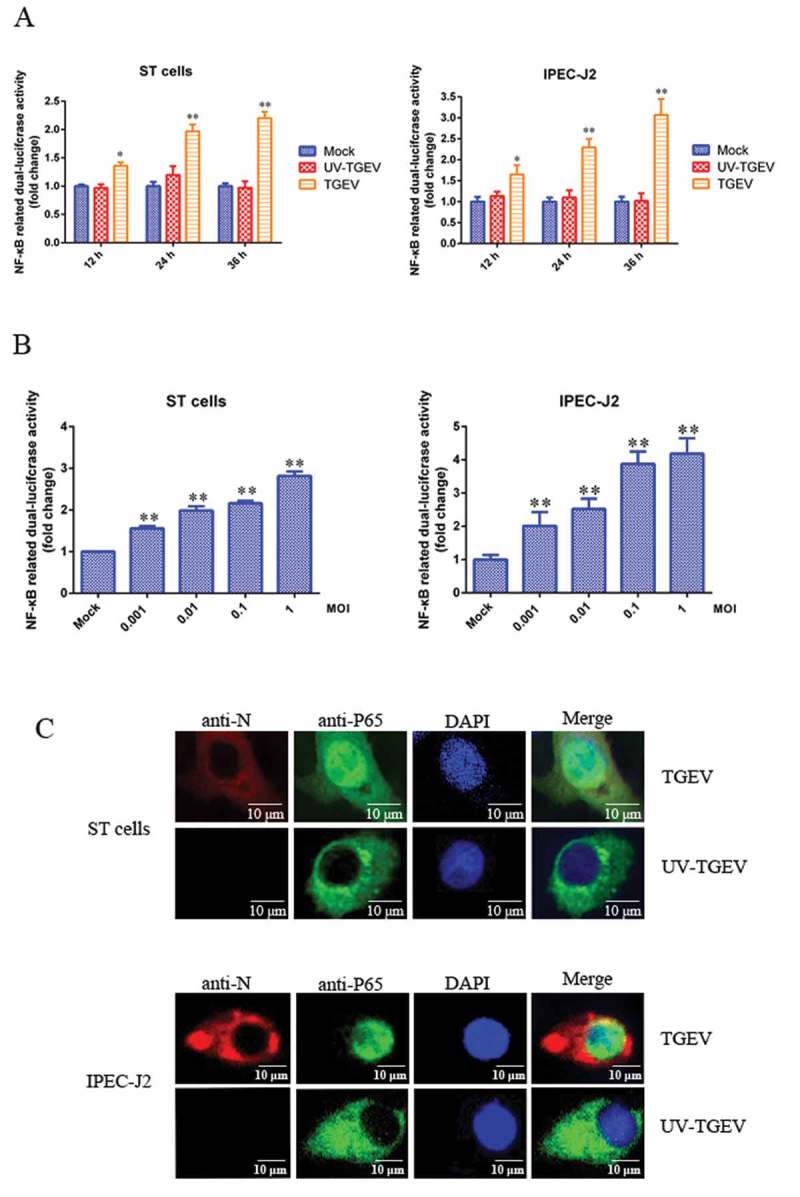
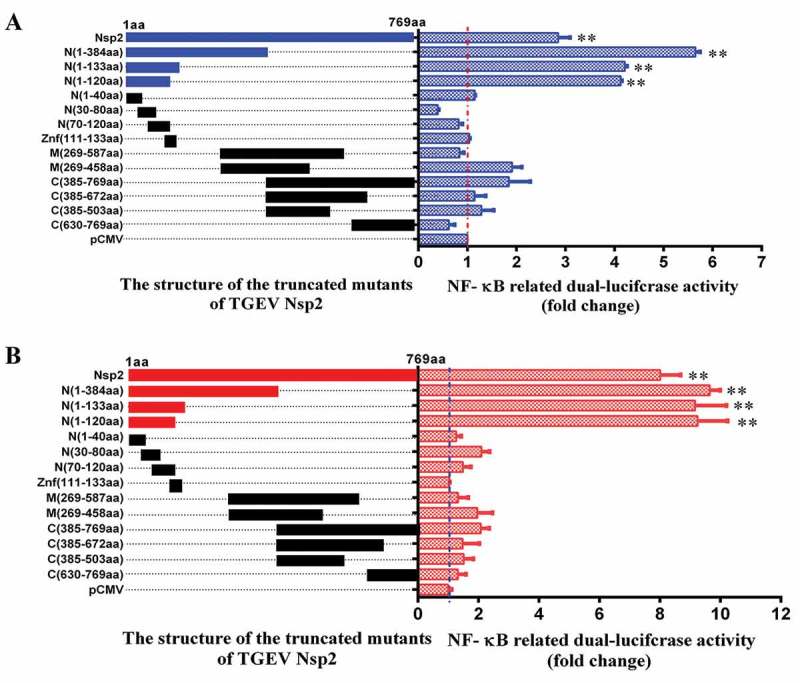
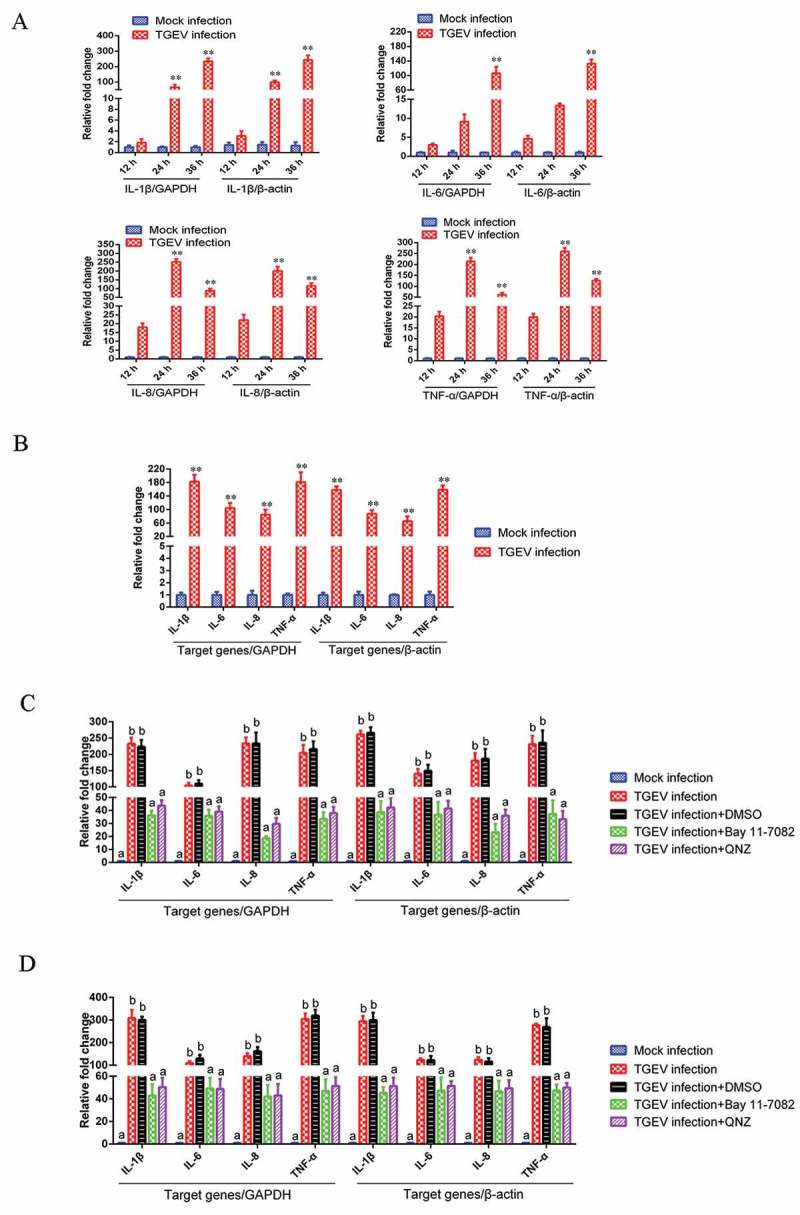
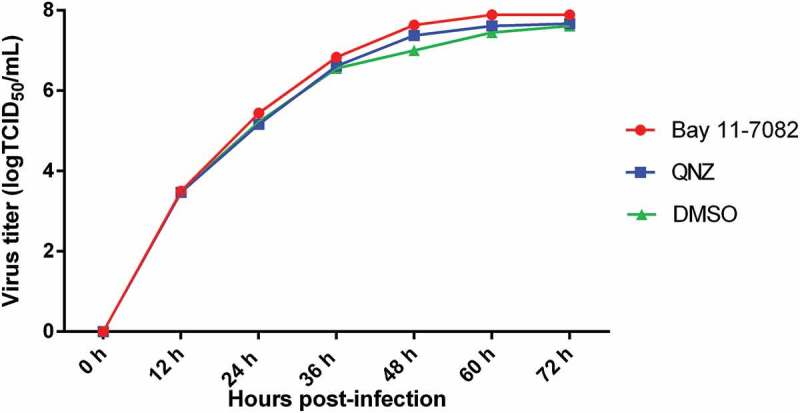
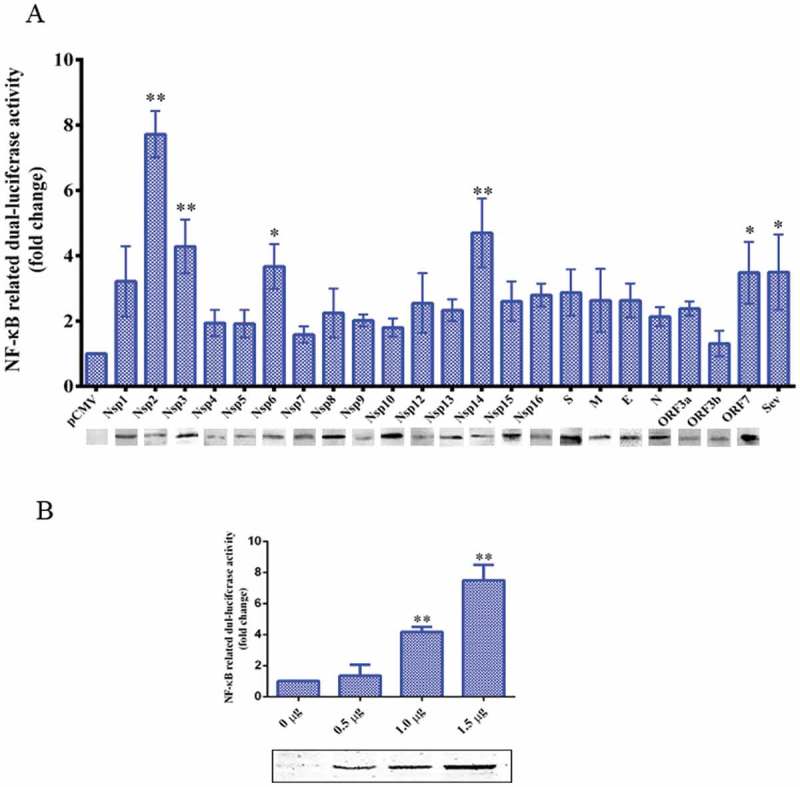
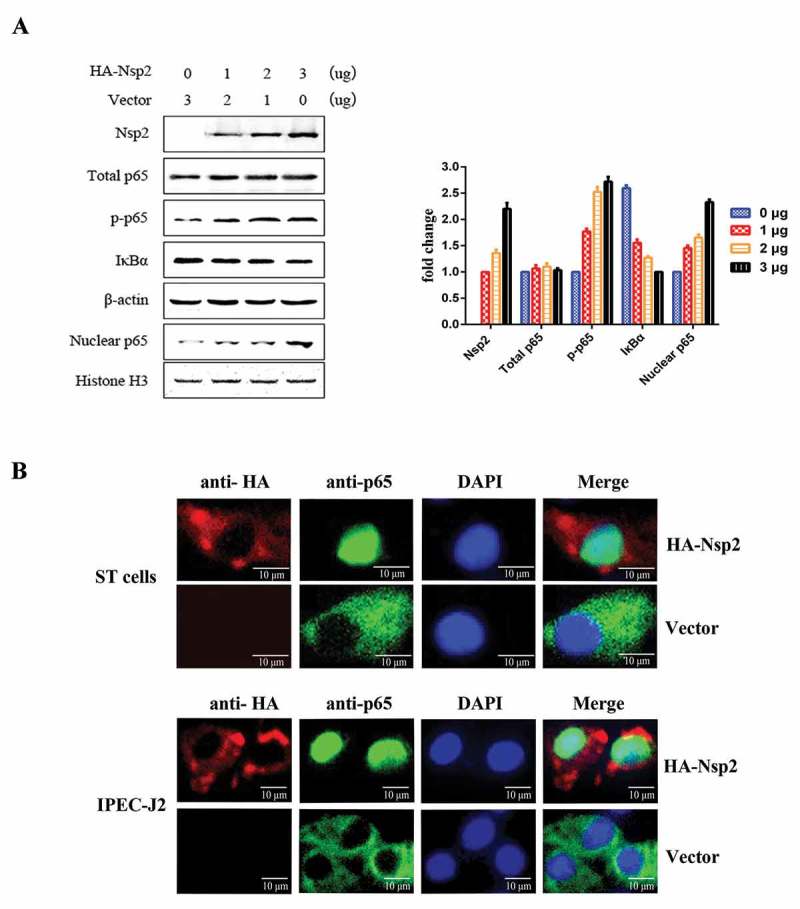
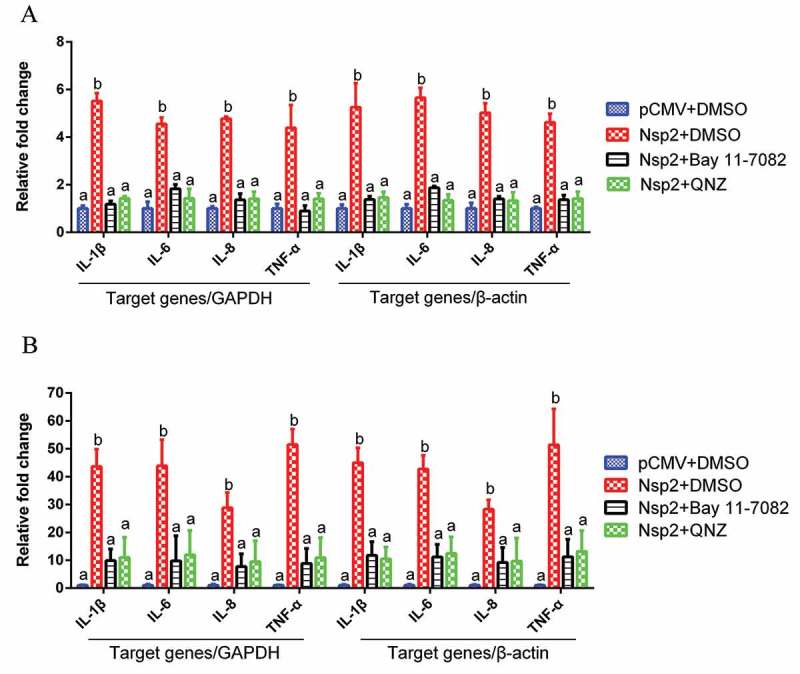
Transmissible gastroenteritis virus (TGEV) infection causes acute enteritis in swine of all ages, and especially in suckling piglets. Small intestinal inflammation is considered a central event in the pathogenesis of TGEV infections, and nuclear factor-kappa B (NF-κB) is a key transcription factor in the inflammatory response. However, it is unclear whether NF-κB is crucial for inducing inflammation during a TGEV infection. Our results show that NF-κB was activated in swine testicular (ST) cells and intestinal epithelial cell lines J2 (IPEC-J2) cells infected with TGEV, which is consistent with the up-regulation of pro-inflammatory cytokines. Treatment of TGEV-infected ST cells and IPEC-J2 cells with the NF-κB-specific inhibitor caused the down-regulation of pro-inflammatory cytokine expression, but did not significantly affect TGEV replication. Individual TGEV protein screening results demonstrated that Nsp2 exhibited a high potential for activating NF-κB and enhancing the expression of pro-inflammatory cytokines. Functional domain analyzes indicated that the first 120 amino acid residues of Nsp2 were essential for NF-κB activation. Taken together, these data suggested that NF-κB activation was a major contributor to TGEV infection-induced inflammation, and that Nsp2 was the key viral protein involved in the regulation of inflammation, with amino acids 1-120 playing a critical role in activating NF-κB. Abbreviations: TCID50: 50% tissue culture infectious dose; DMEM: Dulbecco's Modified Eagle Medium; eNOS: Endothelial nitric oxide synthase; FBS: fetal bovine serum; IFA: Indirect immunofluorescence; IκB: inhibitor of nuclear factor kappa-B; IL: interleukin; IPEC-J2: intestinal epithelial cell lines J2; IKK: IκB kinase; Luc: luciferase reporter gene; mAbs: monoclonal antibodies; MOI: multiple of infection; Nsp: nonstructural protein; NF-κB: nuclear factor-kappa ; ORFs: open reading frames; PBS: phosphate-buffered saline; p65 p-p65: phosphorylated; RT-PCR: reverse transcription PC; SeV: Sendai virus; ST: swine testicular; TGEV: Transmissible gastroenteritis virus; TNF-α: tumor necrosis factor α; UV-TGEV: Ultraviolet light-inactivated TGEV; ZnF: zinc finger.
传染性胃肠炎病毒(TGEV)感染可引起各年龄段猪,尤其是仔猪的急性肠炎。小肠炎症被认为是 TGEV 感染发病机制中的中心事件,核因子-κB(NF-κB)是炎症反应中的关键转录因子。然而,尚不清楚 NF-κB 是否对 TGEV 感染期间诱导炎症至关重要。我们的结果表明,TGEV 感染猪睾丸(ST)细胞和肠上皮细胞系 J2(IPEC-J2)细胞后 NF-κB 被激活,这与促炎细胞因子的上调一致。用 NF-κB 特异性抑制剂处理 TGEV 感染的 ST 细胞和 IPEC-J2 细胞会导致促炎细胞因子表达下调,但对 TGEV 复制没有显著影响。单独的 TGEV 蛋白筛选结果表明,Nsp2 具有高度激活 NF-κB 和增强促炎细胞因子表达的潜力。功能域分析表明,Nsp2 的前 120 个氨基酸残基对于 NF-κB 激活是必需的。总之,这些数据表明 NF-κB 的激活是 TGEV 感染诱导炎症的主要因素,Nsp2 是参与炎症调节的关键病毒蛋白,其氨基酸 1-120 对于激活 NF-κB 起着关键作用。缩写:TCID50:组织培养感染剂量的 50%;DMEM:杜尔贝科改良伊格尔培养基;eNOS:内皮型一氧化氮合酶;FBS:胎牛血清;IFA:间接免疫荧光;IκB:核因子 kappa-B 抑制剂;IL:白细胞介素;IPEC-J2:肠上皮细胞系 J2;IKK:IκB 激酶;Luc:荧光素酶报告基因;mAbs:单克隆抗体;MOI:感染复数;Nsp:非结构蛋白;NF-κB:核因子-κB;ORFs:开放阅读框;PBS:磷酸盐缓冲盐水;p65 p-p65:磷酸化;RT-PCR:逆转录 PC;SeV:仙台病毒;ST:猪睾丸;TGEV:传染性胃肠炎病毒;TNF-α:肿瘤坏死因子-α;UV-TGEV:紫外线灭活 TGEV;ZnF:锌指。