Madrid-Espinoza José, Brunel-Saldias Nidia, Guerra Fernando P, Gutiérrez Adelina, Del Pozo Alejandro
Laboratorio de Genómica Funcional, Instituto de Ciencias Biológicas, Universidad de Talca, Talca 3460000, Chile.
Centro de Mejoramiento Genético y Fenómica Vegetal, Facultad de Ciencias Agrarias, Universidad de Talca, Talca 3460000, Chile.
Genes (Basel). 2018 Oct 15;9(10):497. doi: 10.3390/genes9100497.
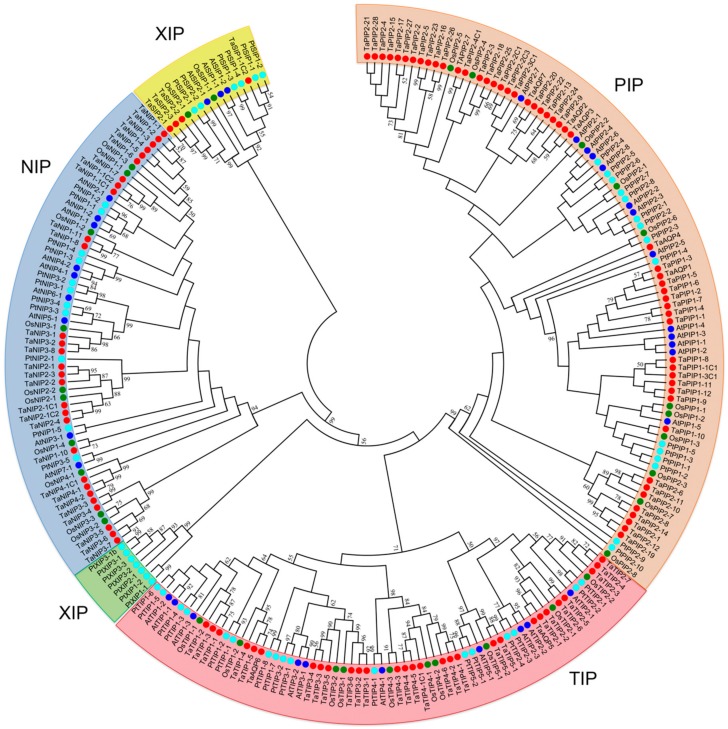
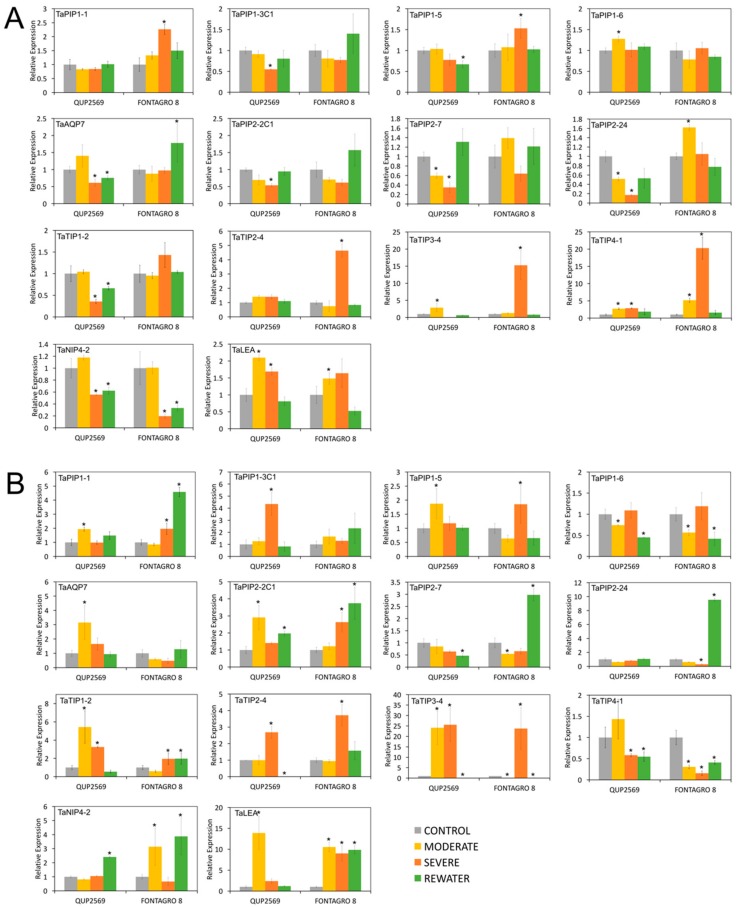
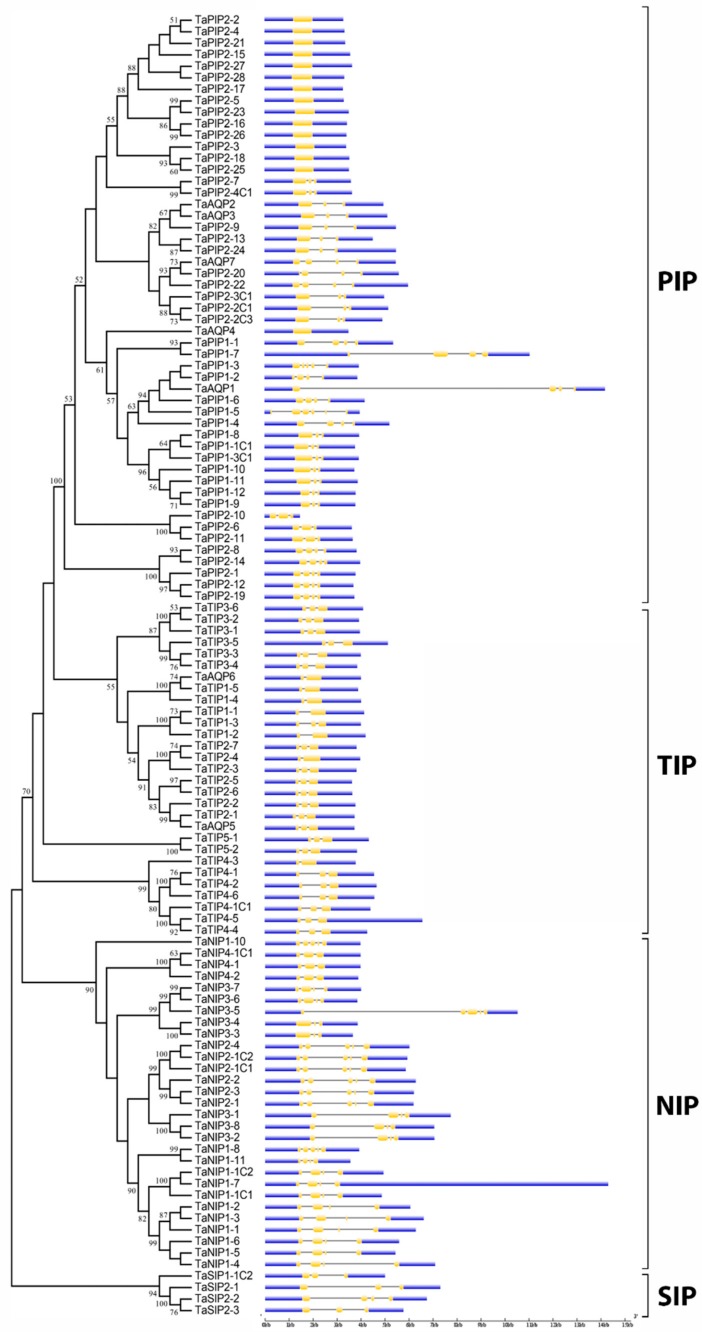
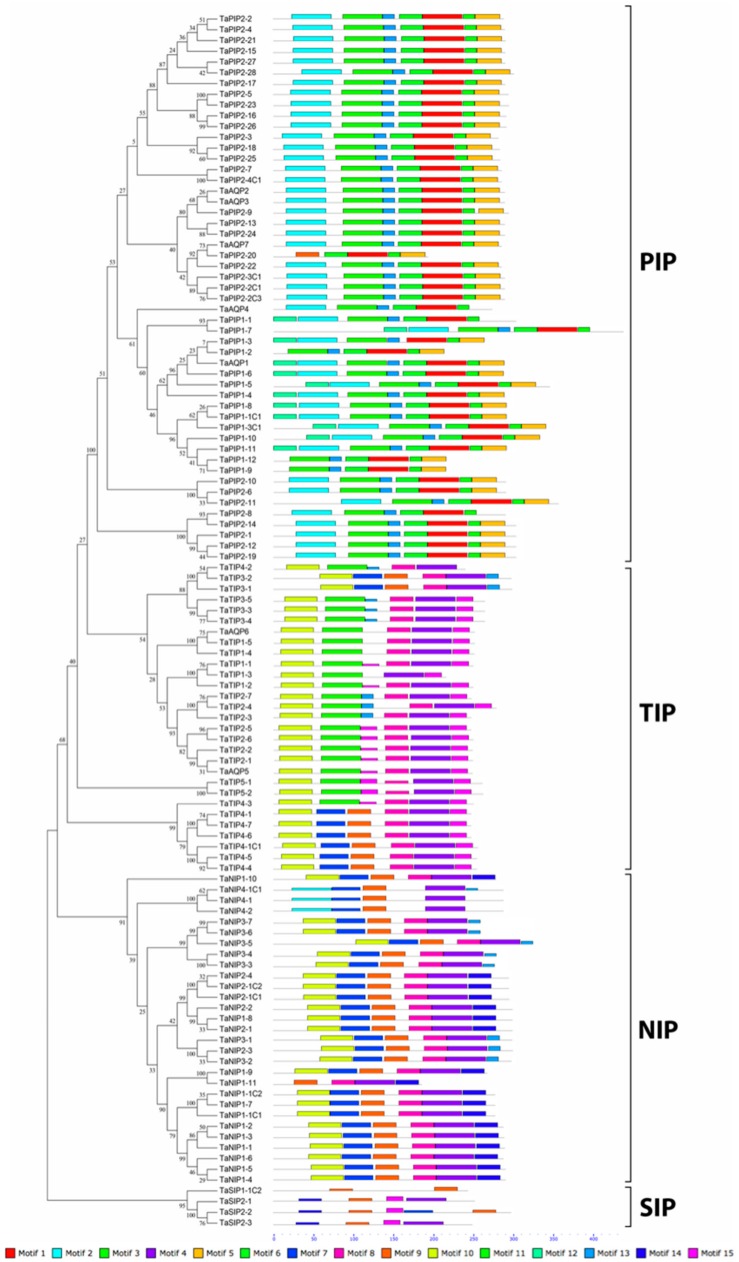
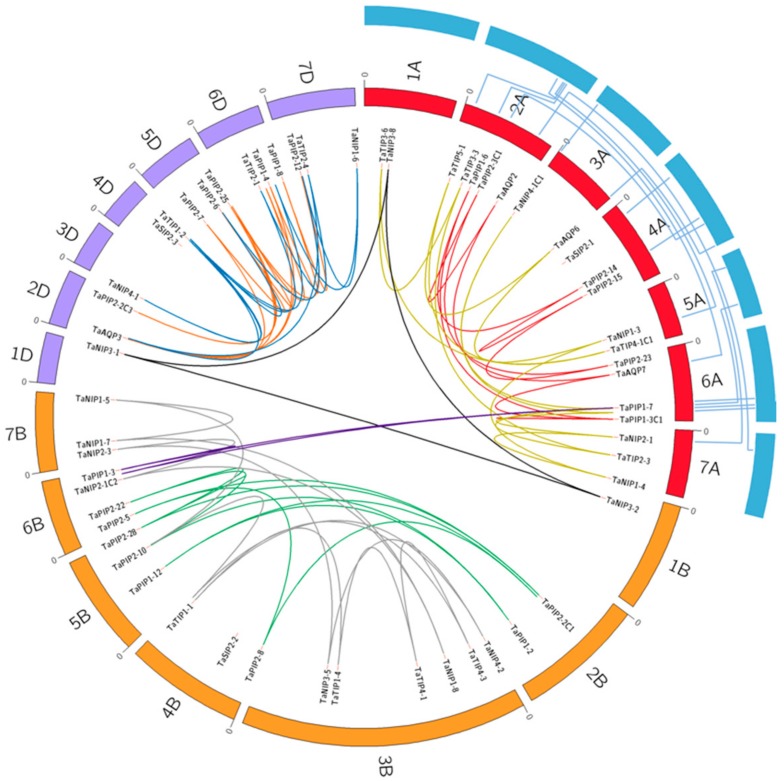
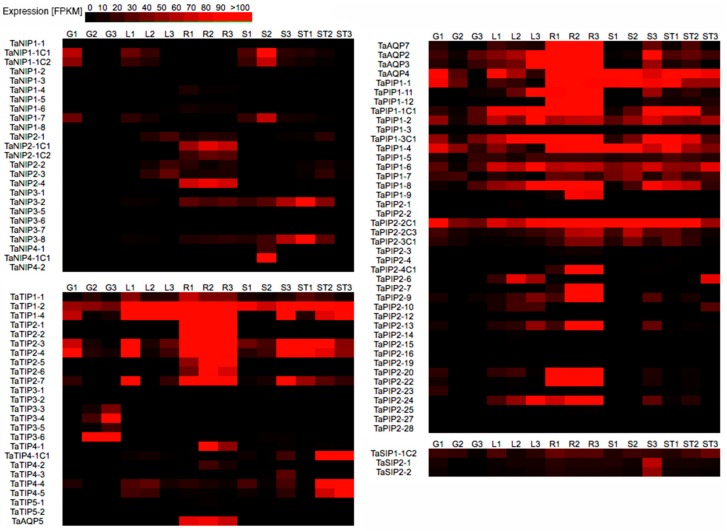
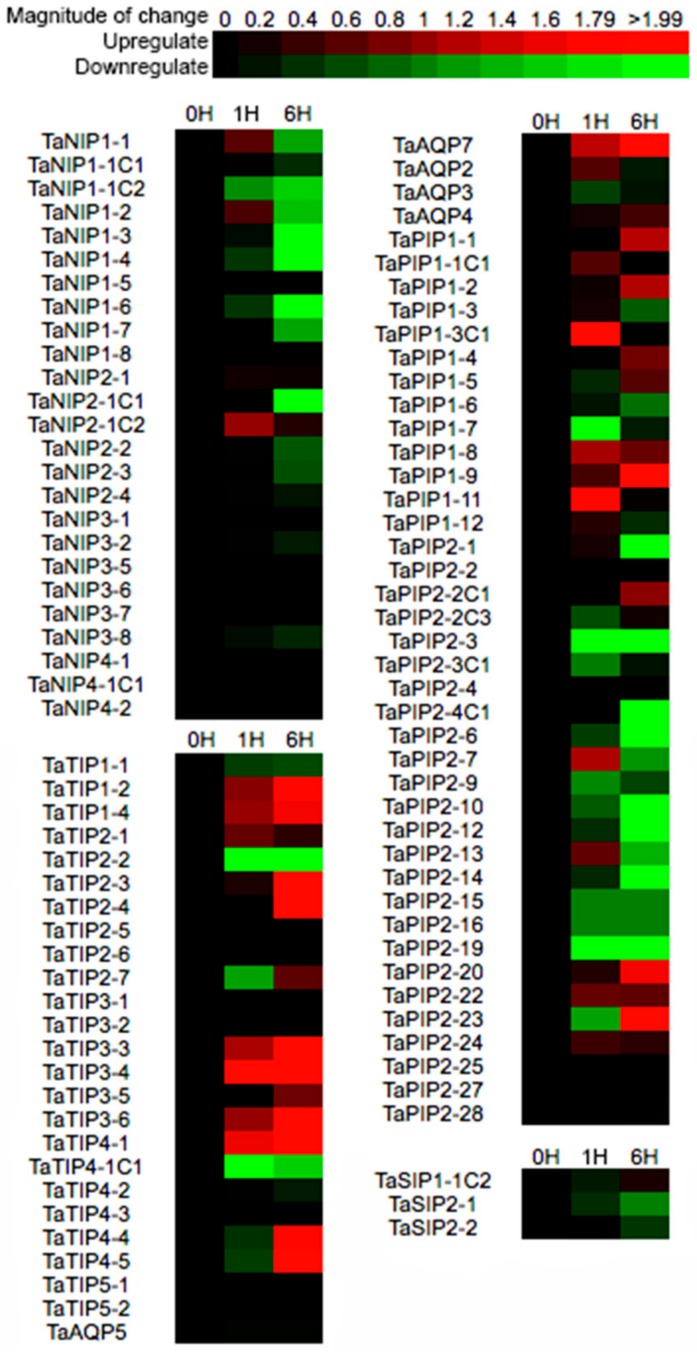
Aquaporins (AQPs) are transmembrane proteins essential for controlling the flow of water and other molecules required for development and stress tolerance in plants, including important crop species such as wheat (). In this study, we utilized a genomic approach for analyzing the information about AQPs available in public databases to characterize their structure and function. Furthermore, we validated the expression of a suite of AQP genes, at the transcriptional level, including accessions with contrasting responses to drought, different organs and water stress levels. We found 65 new AQP genes, from which 60% are copies expanded by polyploidization. Sequence analysis of the AQP genes showed that the purifying selection pressure acted on duplicate genes, which was related to a high conservation of the functions. This situation contrasted with the expression patterns observed for different organs, developmental stages or genotypes under water deficit conditions, which indicated functional divergence at transcription. Expression analyses on contrasting genotypes showed high gene transcription from Tonoplast Intrinsic Protein 1 (TIP1) and 2 (TIP2), and Plasma Membrane Intrinsic Protein 1 (PIP1) and 2 (PIP2) subfamilies in roots and from TIP1 and PIP1 subfamilies in leaves. Interestingly, during severe drought stress, 4 TIP genes analyzed in leaves of the tolerant accession reached up to 15-fold the level observed at the susceptible genotype, suggesting a positive relationship with drought tolerance. The obtained results extend our understanding of the structure and function of AQPs, particularly under water stress conditions.
水通道蛋白(AQPs)是跨膜蛋白,对于控制植物发育和胁迫耐受性所需的水及其他分子的流动至关重要,这些植物包括重要的农作物品种,如小麦()。在本研究中,我们利用基因组方法分析公共数据库中可用的AQP信息,以表征其结构和功能。此外,我们在转录水平验证了一组AQP基因的表达,包括对干旱、不同器官和水分胁迫水平有不同反应的种质。我们发现了65个新的AQP基因,其中60%是通过多倍化扩增的拷贝。AQP基因的序列分析表明,纯化选择压力作用于重复基因,这与功能的高度保守有关。这种情况与水分亏缺条件下不同器官、发育阶段或基因型的表达模式形成对比,这表明在转录水平存在功能差异。对不同基因型的表达分析表明,液泡膜内在蛋白1(TIP1)和2(TIP2)以及质膜内在蛋白1(PIP1)和2(PIP2)亚家族在根中高度转录,而TIP1和PIP1亚家族在叶中高度转录。有趣的是,在严重干旱胁迫期间,在耐旱种质叶片中分析的4个TIP基因达到了感病基因型观察水平的15倍,表明与耐旱性呈正相关。所得结果扩展了我们对AQP结构和功能的理解,特别是在水分胁迫条件下。